HOrT COCO-UC Master Gardener Program of Contra Costa

Primary Image
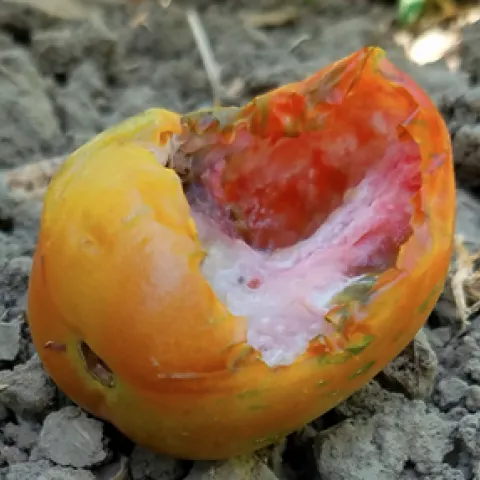
Photo of damage to tomato caused by either rats or squirrels
HOrT COCO-UC Master Gardener Program of Contra Costa: Article

Who is Eating My Tomatoes?

July 18, 2023
By Help Desk Team
It's July and the tomatoes in your garden are finally starting to ripen. One afternoon you notice the first ripe one is nearly ready to be picked.
View Article
Primary Image
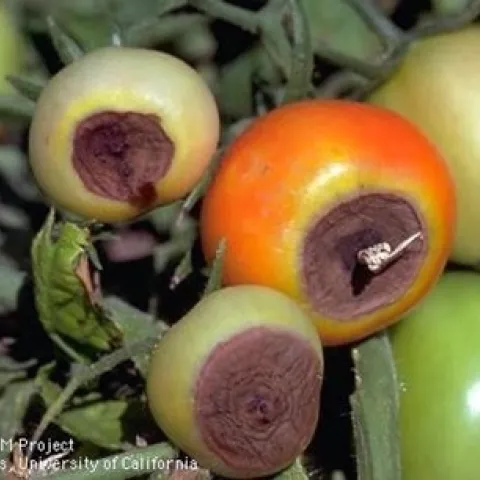
Photo of blossom end rot
HOrT COCO-UC Master Gardener Program of Contra Costa: Article

Blossom End Rot

July 4, 2023
By Help Desk Team
Have you noticed tomatoes that have round, water-soaked spots on the bottom? Blossom end rot (BER) is a frustrating problem that can be quite common in vegetable gardens, as it can affect tomatoes, peppers, and squash. You might notice it after a few very hot days.
View Article
Primary Image
Photo of person harvesting grapes
HOrT COCO-UC Master Gardener Program of Contra Costa: Article

Grapes for the Home Garden

June 19, 2023
By Help Desk Team
According to someone who knows such things, grapes are one of the most widely cultivated fruit crops in the world. Worldwide, there are over 10,000 different varieties, and whether one's interest is ambience, erosion control, raisins, jelly, table munchies, or wine, grapes nicely fit the bill.
View Article
Primary Image
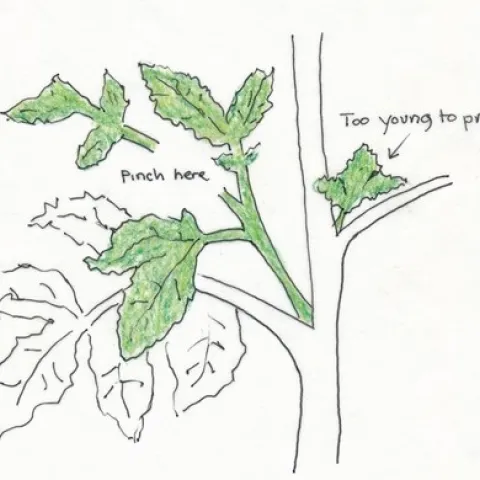
Diagram demonstrating where to prune tomatoes
HOrT COCO-UC Master Gardener Program of Contra Costa: Article

Pruning: The Secret to Bigger and Tastier Tomatoes

June 5, 2023
By Help Desk Team
When I first started growing tomatoes, I was reluctant and nervous about pruning my tomato plants for fear I would be doing it incorrectly. After 9 years of growing, I have learned that it is one of the best practices to include in your plant care.
View Article
Primary Image
Picture3-450
HOrT COCO-UC Master Gardener Program of Contra Costa: Article

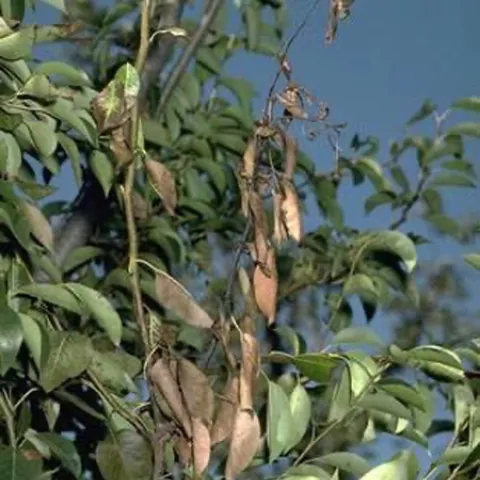
Help! My Apple and Pear Trees are Burning Up!

May 22, 2023
By Help Desk Team
Have you noticed burnt-looking blossoms and twigs on your apple, pear, or quince trees? This is likely caused by a bacterial infection, appropriately named fire blight.
View Article