Southern IPM Activities

Primary Image
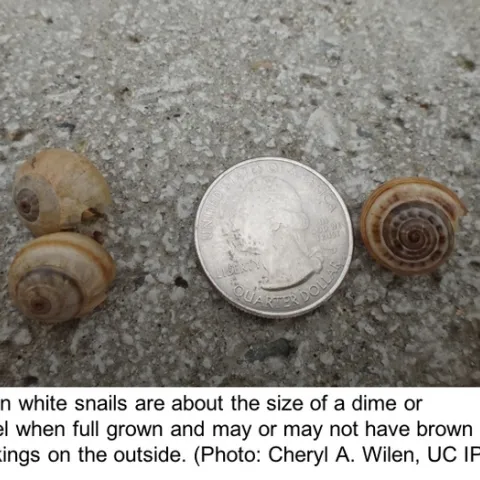
Italian white snails shown next to a quarter.
Southern IPM Activities: Article

Italian White Snail Slowly Becoming an Invasive Pest (Again)

June 9, 2018
By Cheryl A Wilen, Tunyalee Martin
Sometimes an invasive pest takes a while to become invasive. The Invasive Species Council of California defines an invasive species as non-native organisms which cause economic or environmental harm.
View Article
Primary Image
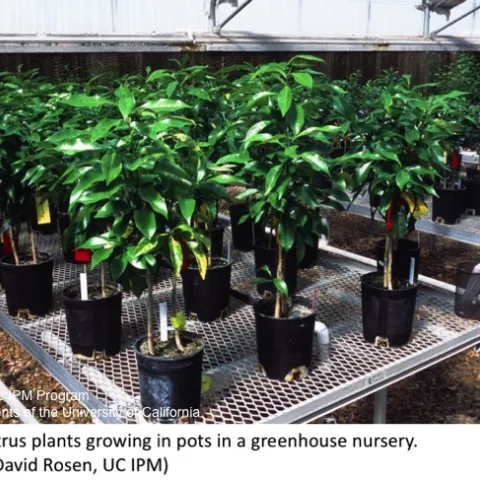
Young citrus plants in a greenhouse nursery.
Southern IPM Activities: Article

Invasive species…not very a-peel-ing

June 5, 2018
By Tunyalee Martin
Citrus plants can be hosts for invasive pests. Knowing what pests are invasive and how to avoid them is an important part of nursery production.
View Article
Primary Image
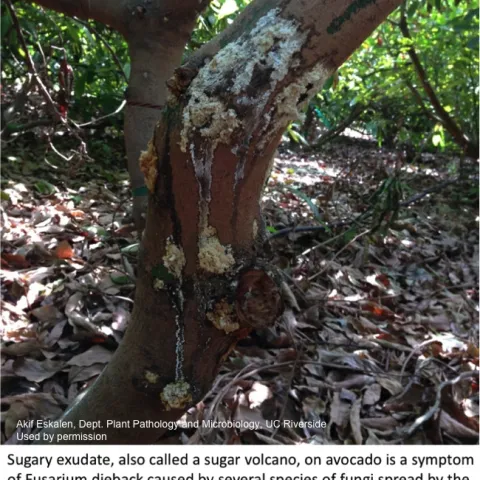
Sugary exudate on avocado tree trunk.
Southern IPM Activities: Article

Invasive Spotlight — shothole borers in commercial agriculture

June 4, 2018
By Tunyalee Martin
A sugar volcano is one symptom that shows your avocado tree might be infected with Fusarium dieback, a fungi spread by a beetle called the shothole borer. But what you might see if your tree is being attacked by shothole borer, varies among the different kinds of tree hosts.
View Article
Primary Image
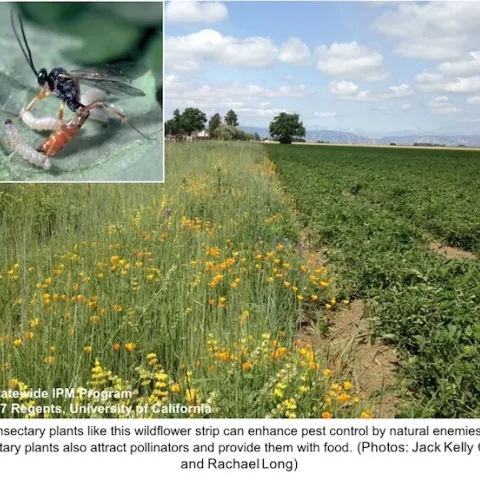
Wild flowers next to tomato field. Inset of Hyposoter parasitic wasp attacking beet armyworm larva.
Southern IPM Activities: Article

Home is where the habitat is: This Earth Day, consider installing insectary plants

April 19, 2018
By Stephanie P Parreira-Zweier
Help the environment this Earth Day, which falls on Sunday April 22 this year, by installing insectary plants! These plants attract natural enemies such as lady beetles, lacewings, and parasitic wasps. Natural enemies provide biological pest control and can reduce the need for insecticides.
View Article