Archive Nut, Prune and Olive Programs

Newsletters

 Newsletter Articles:

May 2025Archived
Field picture submitted by Elizabeth Fichtner

 Links

Publications

Colusa County: Article

May 2009

May 19, 2009
Monitoring early pests, herbicide programs for resistant late watergrass, measuring salinity of irrigation water...
View Article
Primary Image
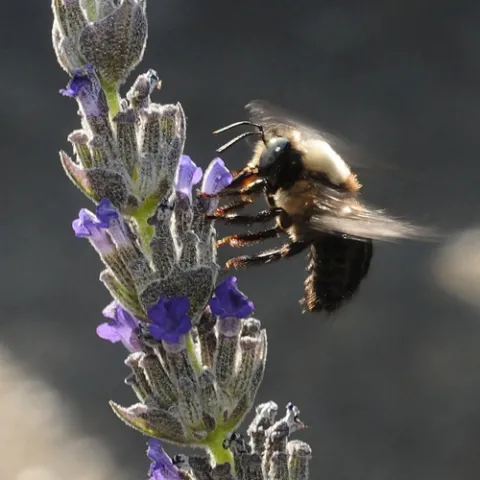
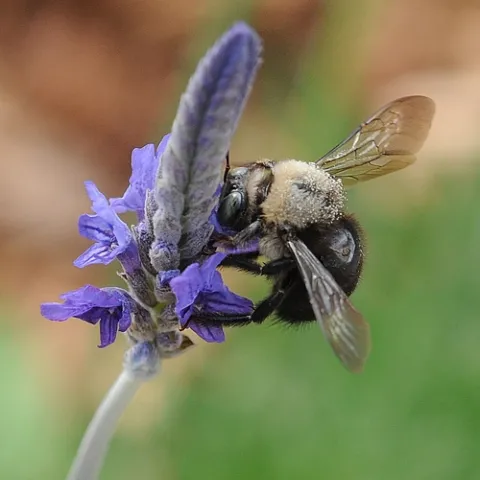
FEET FIRST--A male carpenter bee glides in for a landing on lavender. (Photo by Kathy Keatley Garvey)
Bug Squad: Article

Touchdown!

May 19, 2009
By Kathy Keatley Garvey
Insects love the lavender. Think honey bees, syrphids, and carpenter bees. The noisiest are the male carpenter bees. They buzz the lavender looking for females and then touch down for the nectar. They're quick, territorial, aggressive and noisy.
View Article
Primary Image
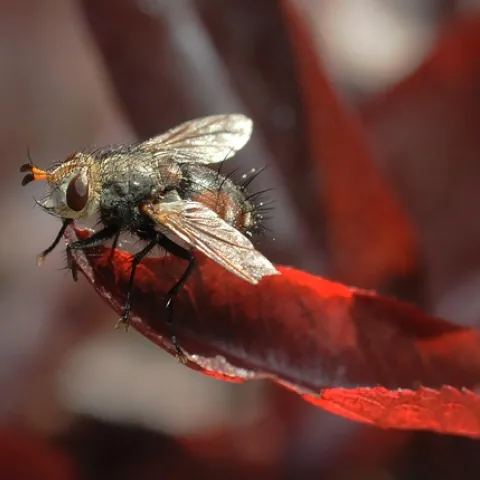
TACHINID FLY is covered with thick, dark bristles on its abdomen. In its larval stage, this insect parasitizes caterpillars, especially Lepidoptera. (Photo by Kathy Keatley Garvey)
Bug Squad: Article

A Fly -- Oh, My!

May 18, 2009
By Kathy Keatley Garvey
It's a curious-looking insect, the tachinid fly. The first thing you notice are the thick, dark bristles covering its abdomen. By human standards, this insect, about the size of a house fly, is not pretty. No way, no how.
View Article
Primary Image
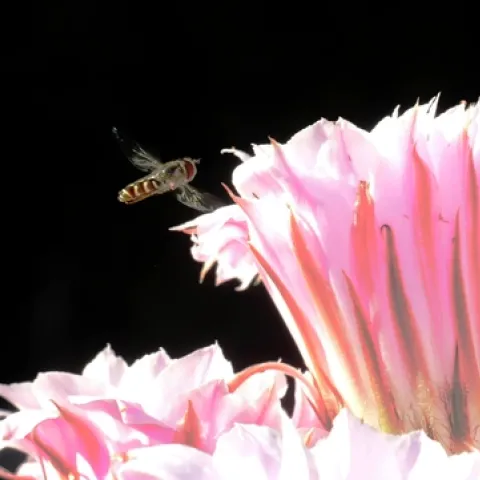
SYRPHID or flower fly aims for a cactus blossom. A high shutter speed slows the wing action. (Photo by Kathy Keatley Garvey)
Bug Squad: Article

Patience in the Garden

May 15, 2009
By Kathy Keatley Garvey
Patience. That's what it takes to capture images of syrphids, aka flower or hover flies. They are oh, so tiny and they move oh, so quickly. As the morning dawns, you wait, camera poised, near their preferred blossoms.
View Article
Primary Image
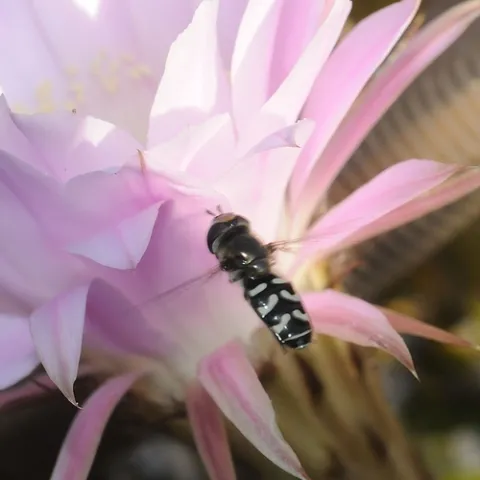
FLYING IN--A syrphid or flower fly heads for a newly opened cactus blossom. (Photo by Kathy Keatley Garvey)
Bug Squad: Article

If It Looks Like a Duck....

May 14, 2009
By Kathy Keatley Garvey
If it looks like a duck, quacks like a duck, and walks like a duck, it's probably a duck. If it looks like a bee, buzzes like a bee, and visits flowers like a bee, it might not be a bee. It could be a fly, or more specifically, a syrphid or flower fly.
View Article
Primary Image
A male carpenter bee (Xylocopa tabaniformis) nectars on lavender. (Photo by Kathy Keatley Garvey)
Bug Squad: Article

On Gossamer Wings

May 12, 2009
By Kathy Keatley Garvey
"Gossamer" means something sheer, light and delicate, as in gossamer fabric. You can also apply it to the wings of a carpenter bee. We captured this image of a male carpenter bee (Xylocopa tabaniformis) nectaring on lavender. The wings look sheer, fragile and airy.
View Article
Primary Image
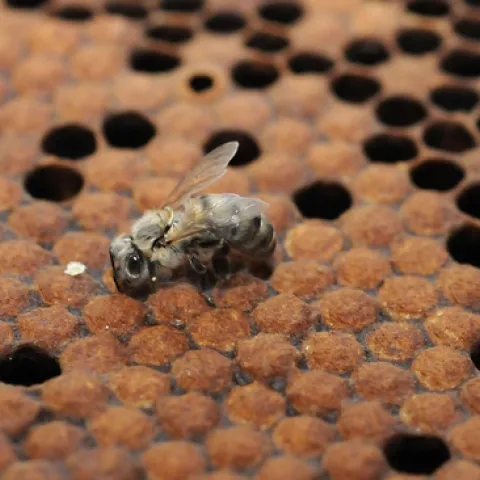
NEWBORN BEE: What's in store for this newborn bee and her family? (Photo by Kathy Keatley Garvey)
Bug Squad: Article

Honey Bees: 'Are Things Really That Bad?

May 11, 2009
By Kathy Keatley Garvey
You wont want to miss the seminar on Bee Problems and Colony Losses on Wednesday, May 13 in 122 Briggs Hall, UC Davis. If you cant make it in person, you can listen to it live via Webinar.
View Article
Primary Image
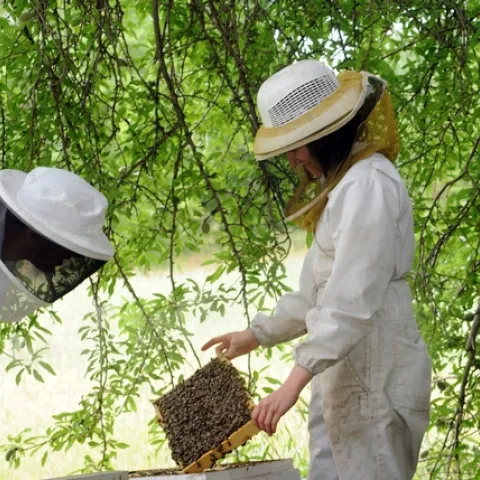
HONEY BEES--Checking the health of the honey bees at a hive at the Harry H. Laidlaw Jr. Honey Bee Research Facility at UC Davis is Elizabeth Frost (right), junior specialist. (Photo by Kathy Keatley Garvey)
Bug Squad: Article

Smoking Gun

May 8, 2009
By Kathy Keatley Garvey
A honey bee newsletter, "From the UC Apiaries" newsletter, written by Cooperative Extension Apiculturist Eric Mussen of the UC Davis Department of Entomology Faculty, provides linformative and educational information for beekeepers and those interested in the plight of the honey bee.
View Article
Primary Image
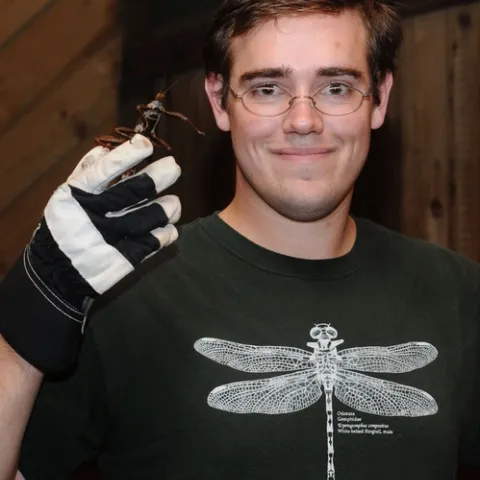
Brian Turner, outreach coordinator at the Bohart Museum of Entomology, shows a male Giant New Guinea Walking Stick. Six species of insects from the Bohart are housed at the Dixon May Fair, May 7-10. (Photo by Kathy Keatley Garvey)

These Walking Sticks Are Insects

May 7, 2009
By Kathy Keatley Garvey
Brian Turner, outreach coordinator at the Bohart Museum of Entomology, UC Davis campus, is used to walking around with a walking stick. Not just any walking stick. The Giant New Guinea Walking Stick and the Vietnamese Walking Stick.
View Article