A Natural Solution for California's Herds: African Catfish Peptides

California's cattle producers and agricultural communities are all too familiar with the rising challenge of antibiotic resistance, making common bacterial infections harder to treat in livestock. But imagine a future where we could tackle these infections with a natural, powerful alternative. Our research points to just that: antimicrobial peptides (AMPs) found in African catfish.

We're really excited about these peptides because African catfish thrive in pathogen-rich freshwater, naturally producing these robust immune compounds in their skin mucus as a defense. This natural origin makes them highly appealing alternatives to synthetic drugs.

Predicted Safety and Potent Action

One of the most compelling aspects of these AMPs is their predicted safety for mammals. Our initial computer analyses suggest that various catfish AMPs are generally recognized as safe (GRAS). We predict they'll be absorbed in the human intestine without causing liver, brain, or heart toxicity. Furthermore, lab tests on a promising peptide, NACAP-II, confirmed it was non-hemolytic, meaning it didn't damage rabbit red blood cells—a strong indicator of its potential safety for mammalian cells.

Beyond safety, these peptides demonstrate effectiveness against problematic bacteria. One study revealed NACAP-II's strong activity against Extended-Spectrum Beta-Lactamase (ESBL)-producing Escherichia coli—a critical concern for both animal and human health due to its resistance to many common antibiotics. Another peptide, ACAP-IV, also showed antibacterial activity against E. coli and Staphylococcus aureus. We believe these AMPs work by directly disrupting bacterial cell membranes, a mechanism that makes it harder for bacteria to develop resistance compared to how they resist traditional antibiotics.
Primary Image
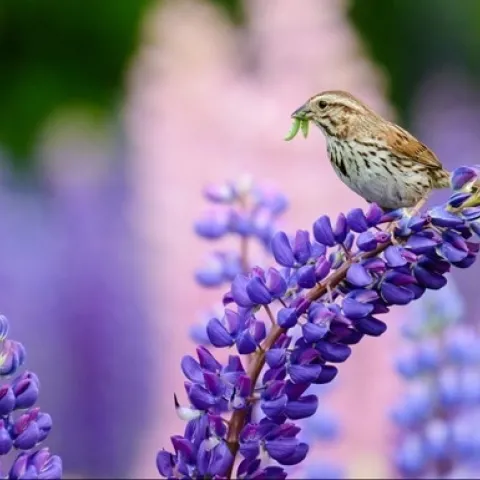
sparrow lupine

Bird Control of Pests Webinar - CEUs

June 13, 2023
By Ben A Faber
As part of DPR's goal to accelerate the transition to safer, more sustainable pest management and fulfill its mission to foster reduced-risk pest management, DPR has funded a project with Wild Farm Alliance (WFA) to provide educational resources for farmers to encourage the use of beneficial birds f...
View Article
Under the Solano Sun: Article

The Love of Gardening

June 13, 2023
For those of you that don't know me, I'm a pilot with a major airline and on a Thursday, January 18th, 2018 I was on a layover on the Big Island of Hawaii in Kona.
View Article
Primary Image
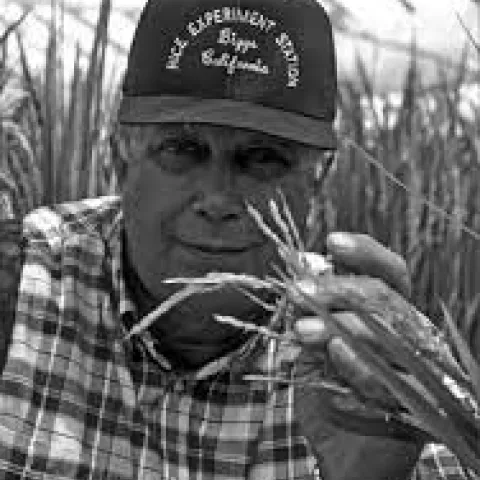
Potrait of Carl showcasing a rice plant
UC Rice Blog: Article

A Celebration of Life - Remembering Dr. Carl William Johnson

June 9, 2023
By Consuelo B Baez Vega
A Celebration of life will be held on June 25, 11:30 am for Carl William Johnson, which follows the regular Sunday service that concludes at 11 am. Guests will have an opportunity to share their memories and reflection on Carl's life. A reception will follow the service.
View Article
Primary Image
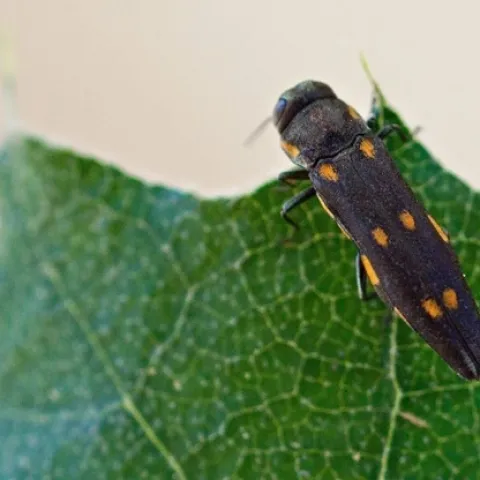
Adult goldspotted oak borer, Agrilus auroguttatus, on an oak leaf. Photo by Mike Lewis, Center for Invasive Species Research, Bugwood.org
UC Master Gardeners- Diggin' it in SLO: Article

Invasive Spotlight: Goldspotted Oak Borer (GSOB)

June 9, 2023
Invasive Spotlight: Goldspotted Oak Borer (GSOB) Adult goldspotted oak borer, Agrilus auroguttatus, on an oak leaf. Photo by Mike Lewis, Center for Invasive Species Research, Bugwood.org There are several flatheaded boring beetles in California, however only a few are of particular concern.
View Article
Primary Image
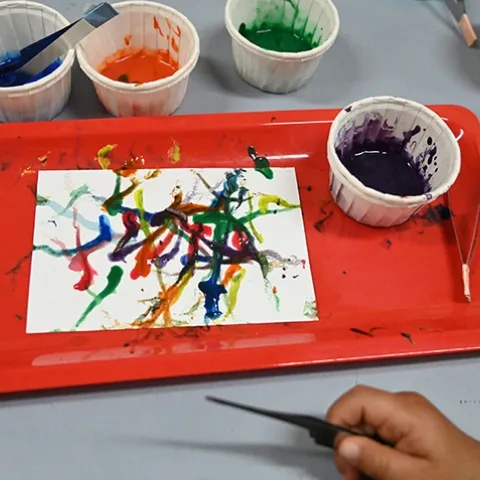
Maggot Art at the Bohart Museum of Entomology open house. Tools of the trade: maggots, water-based and non-toxic paint, paint containers, forceps, and white paper. (Photo by Kathy Keatley Garvey)
Bug Squad: Article

Bohart Museum of Entomology Open House: Magnificent Maggot Art!

June 9, 2023
By Kathy Keatley Garvey
Ever created Maggot Art? You pick up a maggot with a forceps, dip it into a non-toxic, water-based paint, drop it (gently) on a white paper, and let it crawl around, or guide it. Voila! Maggot Art! It's a conversation piece. It's suitable for framing.
View Article
Primary Image
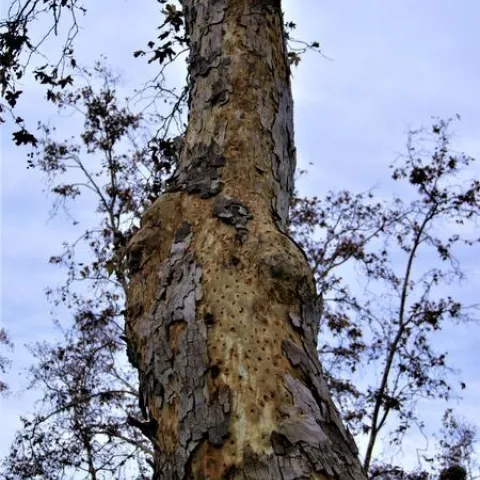
ishb sycamore

Shot Hole Borer Volunteer Training

June 9, 2023
By Ben A Faber
*Results from March 2023 ISHB Monitors Training* Invasive shothole borers (ISHB) are wood boring beetles that attack many native and non-native trees in Southern California. These beetles bore tunnels into trunks and branches where they grow a fungus they use as food.
View Article