
Glassy-winged Sharpshooter and Pierce's Disease Research
COLLABORATORS: Thomas Perring, Professor of Entomology, UC Riverside; Steve Castle, Research Entomologist, USDA-ARS (retired); N. Prahbraker, Research Entomologist, UC Riverside; Judy Zaninovich, Manager for Consolidated Central Valley Table Grape Pest and Disease Control District; Beth Grafton-Cardwell, Citrus Entomology/IPM Advisor, UC Riverside; Youngsoo Son, Senior Environmental Scientist, CDFA Arvin, CA

Monitoring the Resurgence of Pierce's Disease in Kern County
David Haviland, Farm Advisor and Affiliated IPM Advisor, UCCE, Kern County
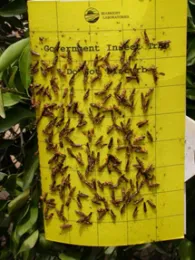
For more than a decade grapevine PCAs have been keeping a close tab on the status of glassy-winged sharpshooters (GWSS) and Pierce's Disease (PD) in vineyards throughout the state. Initially in the late 1990s interest was focused on Riverside County as photos of sick and removed vineyards hit the press from regions around Temecula. In the early 2000s the concerns expanded as GWSS because entrenched in the lower San Joaquin Valley. Since then interest has expanded as GWSS has continued its northward movement, localized eradication efforts have been made, and impacts to the viticulture and ornamentals industries industries have been documented. (See links below for full articles).
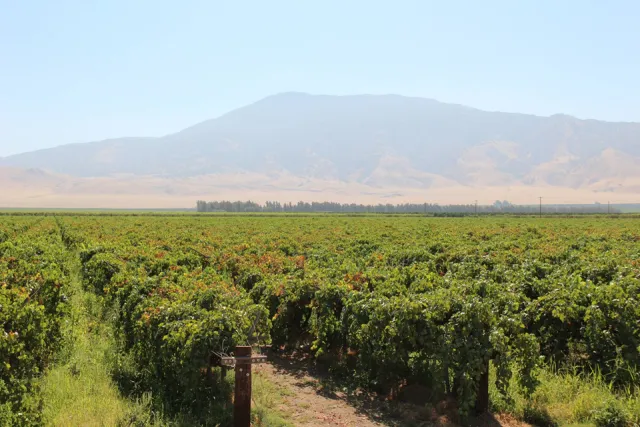

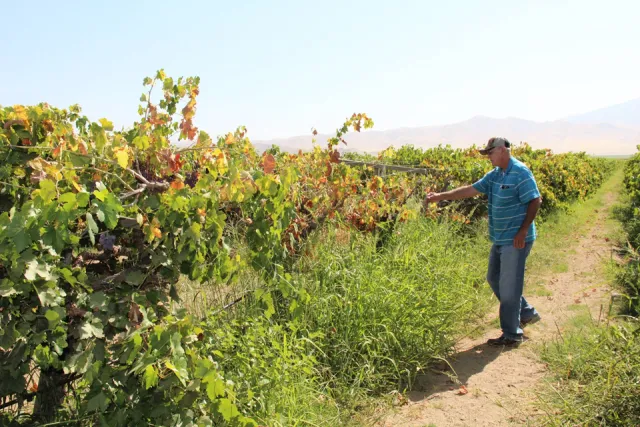

Evaluation of Glassy-Winged Sharpshooter Mortality Following Exposure to Insecticides and Aged Insecticide Residues
David Haviland1, Elizabeth Grafton-Cardwell2, Stephanie Rill1, and Youngsoo Son3 1University of California Cooperative Extension, Kern Co. 2University of California, Riverside 3California Department of Food and Agriculture Arvin Biological Control Facility
One of the cornerstones of glassy-winged sharpshooter (GWSS) management is the use of regionally-coordinated applications of insecticides to populations in citrus. These areawide treatment programs have been highly successful at reducing GWSS populations for nearly a decade, but have been losing some effectiveness in some regions over the past few years, possibly due to reliance on neonicotinoids (imidacloprid and acetamiprid) as primary control agents. This project was designed to provide assistance by evaluating alternative insecticides that have the potential to be incorporated into these areawide management programs. The project also evaluated insecticides that are used to control other pests, such as Fuller rose beetle and Asian citrus psyllid, to see if they might also impact GWSS. Acetamiprid, which is the primary GWSS treatment is not effective against Asian citrus psyllid. It would be ideal economically, environmentally and to minimize impacts on natural enemies to utilize a single insecticide application to control all three pests, when treatment timing coincides, rather than individual treatments for each.
Websites