
July Tips
Monthly tips are categorized by To-Dos, What to Plant, or Pests and Diseases. Scroll through the list to see items in each category. Also, refer to our list of tips useful for any month.
To-Dos: July
Bee Swarms
Blueberries
Clean Up Fallen Fruit
Composting
Container Color Choice
Deadheading
Drip Irrigation
Drought Tip - Irrigate Efficiently
Drought Tip - Laundry to Landscape Irrigation
Drought Tip - Lawns
Drought Tip - No Fertilizer
Drought Tip - Trees Come First during Drought
Drought Tips - Vegetable Gardening
Eliminating Perennial Weeds
Encouraging Dahlia Blooms
Firescaping
Fresh Fruits and Vegetables Without a Garden!
Fruit Tree Harvest
Garden Sanitation
Garlic Harvesting
Grass Cycling
Hand Pollinating Squash
Harvesting Oranges
How to Tell if Fruits and Vegetables Are Ready to Pick
Irrigate in Circles and Spirals
Keep Up With Your Vegetable Harvest
Lady Beetle
Lawn Care
Melons
Mulch to Conserve Water
Pinch Your Basil
Pinching Flowers and Herbs
Prevent Fruit Tree Sun Burn
Protect Native Bees
Protecting Fruit
Prune Apricot and Cherry Trees
Save Water and Make Your Plants Happier
Soil Moisture Test
Soil Solarization
Squash
Summer Fruit Tree Pruning
Summer Vegetables
Testing Soil Moisture Depth
Tomato Bottom Scarring
Transplanting Vegetables
Vegetable Garden Check-In
Water Budgeting
Water the Roots, Not the Plants
Watering Hydrophobic Soil
Watering Tomatoes
Watering Trees
Weed Spotlight - Bindweed
Pests and Diseases: July
Ant Control
Birds
Brown Marmorated Stink Bug
Bug Patrol
Codling Moth
Cottony Cushion Scale
Fruit Damage
Fungus Gnats
Fusarium Wilt
Giant Whiteflies
Gophers
Healthy Tomatoes
Identifying Beneficial Insects
Pepper Weevil
Rat Management
Rose Care
Spider Mites
Squash Bugs
Squirrel Control
Stink Bugs
Sunscald on Fruits and Vegetables
Today’s Grubs Are Tomorrow’s Beetles
Tomato Hornworm
Tomato Russet Mite
Tomato blossom end rot
Verticillium Wilt
White Butterflies and Green Caterpillars
Whiteflies
What to Plant: July
Blueberries
Chrysanthemums
Don’t Plant an Invasive Plant
Kale
Selecting Seeds
Thyme
Tomatillo (Physalis philadelphica)
Vegetable Planting Chart
Ant Control
On outdoor and sometimes indoor plants, ants protect and care for honeydew-producing insects such as aphids, soft scales, whiteflies, and mealybugs, increasing damage from these pests.
Ant management requires diligent efforts and the combined use of mechanical, cultural, sanitation, and often chemical control methods. It is unrealistic and impractical to attempt to totally eliminate ants from an outdoor area. Focus your management efforts on excluding ants from buildings or valuable plants and eliminating their food and water sources. Reducing outdoor sources of ants near buildings will reduce the likelihood of ants coming indoors.
Ants on Trees and Shrubs
When numerous ants are found on plants, they are probably attracted to the sweet honeydew deposited on the plants by honeydew-producing insects such as aphids or soft scales. Ants may also be attracted up into trees or shrubs by floral nectar or ripening or rotten sweet fruit. These ants can be kept out by banding tree trunks with sticky substances such as Tanglefoot. Trim branches to keep them from touching structures or plants so that ants are forced to try to climb up the trunk to reach the foliage.
When using Tanglefoot on young or sensitive trees, protect them from possible injury by wrapping the trunk with a collar of heavy paper, duct tape, or fabric tree wrap and coating this with the sticky material. Check the coating every one or two weeks and stir it with a stick to prevent the material from getting clogged with debris and dead ants, which will allow ants to cross. Ant stakes with bait can also be used around trees.
For more information about what ant baits and insecticides to use, please consult the UC Pest Note on Ants.
Months: June July August Any Month
Tags: IPM Invertebrates Pests and Diseases
Bee Swarms
Bees are very active in warm weather. There is simply so much pollen and nectar to collect! Sometimes, a bee colony may swarm. If you see a swarm, don’t panic. As in any other time when working around bees, remain calm, move gently, and give them their space. Bees generally swarm when they are looking for a new home. Swarming bees are loaded with food and are not interested in stinging people. Contact the Bee Guild to have swarms removed.
Months: May June July
Tags: Beneficial Insects Best Practices To-Dos
Birds
Birds can cause extensive damage to tree fruit crops. Unlike squirrels, birds are more likely to peck at one piece of fruit until it’s gone. If they are doing too much damage, netting over a tree can keep them away from the fruit. If you use visual repellents (such as Mylar streamers or noisemakers) to frighten them, be sure to vary the method so that the birds don’t become immune to the effects. Read the UC Pest Note on Birds on Tree Fruits and Vines for more information.
Months: July August September
Tags: IPM Techniques Pests and Diseases
Blueberries
Depending on the variety, you may be harvesting blueberries from your garden right now. Blueberries in stores often come from cooler climates like Oregon and Maine, yet there are several varieties of blueberries that do well in our warmer climate with a little extra care. They all need regular water and well-draining soil with a lower pH (more acidic) than our local native soil. Adding elemental sulfur is a good way to acidify the soil. Harvest blueberries on almost a daily basis, especially if you want to beat the birds and squirrels to the ripe berries. The blueberries are ready to eat when they are uniformly blue/purple, even on the bottom. They should come off easily with a slight tug. Annual post-harvest pruning will stimulate new growth and increase yield. Details are available in a video presentation by a local UC Master Gardener.
Months: July
Tags: Fruits & Nuts To-Dos What to Plant
Brown Marmorated Stink Bug

Native to Eastern Asia, this pest was introduced to the United States in the 1990s and has been established in Santa Clara County. Some features to distinguish these bugs from other stink bugs are white stripes on the antennae, a blunt head shape, and smooth shoulder margins.
They feed and reproduce on a variety of plants and are particularly damaging to fruit. You can cut cosmetic damage off fruit and still eat the rest of the fruit. To keep out stink bugs, cover vegetable plants with row covers. You can pick the bugs off plants and squish them or knock them off into soapy water. They are attracted to light and can get into homes where if vacuumed up, they can stink up your vacuum bag.
More Information: Brown Marmorated Stick Bug Pest Note
Months: March April May June July August September
Tags: Fruits & Nuts IPM Invertebrates Vertebrates Pests and Diseases
Bug Patrol

It’s never helpful to have critters competing with you for your food. Damage can be done by squirrels, raccoons, rats, birds, and caterpillars, yet it is the tiniest creatures that can be the hardest to detect. That’s why it’s helpful to do a regular inspection, as often as once or twice a day if possible. Knowing what it is will help you figure out what to do to maximize the productivity of your garden. Some pests are out during the day and others do their damage at night, so you may want to take a flashlight out at non-peak gardening hours. Holding a piece of white paper under a plant and shaking the plant can make insects fall off for identification. The most common place to find pests is on the undersides of leaves so make sure to closely inspect those parts. A magnifying glass of some sort is a useful tool. You can also take a picture with your cell phone and then zoom in for a closer view. It’s important to be able to recognize the eggs, the larval and nymph stages, and the adult form, and to be able to differentiate between beneficial insects and harmful pests.
Don’t indiscriminately squish everything that moves! Once you have done your detective work, you can go to the University of California IPM website for identification and management tips, or contact the Master Gardener Help Desk for guidance.
More Information: Beneficial Predators — These are the ones you want!
Months: July August September
Tags: Beneficial Insects IPM Invertebrates Vertebrates Pests and Diseases
Chrysanthemums

This is a less common but good time to plant chrysanthemums. They will have plenty of time to develop a good root system before the cold winter and are more likely to bloom perennially in your garden than if they are started in the fall. You can also start chrysanthemums from cuttings. Plant them in amended, well-drained soil, or grow them in a large container. Keep them moist but not wet. They do well in full sunshine, yet a little afternoon shade is fine in hot areas. If you pinch the growing tips as they grow, they will branch and be bushier. Otherwise, be prepared to provide support if they grow tall. Also, pinching off some of the buds will result in fewer yet much larger blooms. There is a Bay Area Chrysanthemum Society for local information and sharing.
More Information: Chrysanthemum Disorders and Pests
Months: April May June July
Tags: Best Practices Ornamental Plants What to Plant
Clean Up Fallen Fruit
Pick up fallen fruit daily to prevent attracting critters or diseases. If your fruit is being eaten at night, then rats are the likely culprit; if it’s eaten during the day, it may be squirrels. Holes, rather than bites, are made by birds. In addition to harvesting regularly, ripening fruit can be protected with a netting fine enough to exclude birds and small animals
Months: July August
Tags: Fruits & Nuts IPM Vertebrates To-Dos
Codling Moth

If you grow apple or pear trees, you may have noticed small holes in the maturing fruit and then discovered a worm inside. “Worms” in your apples are actually the larval form of the codling moth. Codling moth larvae can cause a great deal of damage to apples, pears, plums, and walnuts by penetrating the fruit and boring into the core.
Trees should be monitored every week for signs of infestation. Infested fruit should be removed and discarded to break the codling moth life cycle. Sanitation is an important non-chemical step in controlling this pest. Make sure to pick up fallen fruit promptly, and pick apples with holes that are still on the tree. This will keep future populations down.
Pheromone traps can be hung in isolated trees. But if you have just one apple tree, don’t bother. You will just attract codling moths to your tree.
Fruit can be bagged for protection, but this method is very labor-intensive. Heavy infestations may require the use of pesticides, but proper timing of sprays is critical. Read the UC Codling Moth Pest Note for more information.
Months: May June July August
Tags: Best Practices Fruits & Nuts IPM Invertebrates Pests and Diseases
Composting
Composting is a good way to repurpose yard and kitchen waste, and it provides a free method to feed plants and improve soil structure. If you are unsure about how to begin composting, take a look at this simple how-to compost page. You can also go to the UCCE Composting Education Program website to learn more about free two-hour classes offered throughout the county.
As the weather warms up, compost piles dry out faster. Keep compost piles as damp as a wrung-out sponge to keep organisms alive and working on decomposing yard waste. Turning the pile to incorporate more oxygen also supports life in the compost pile.
Months: June July August Any Month
Tags: Best Practices To-Dos
Container Color Choice
If you are growing plants in containers, keep in mind that light colors do a better job at reflecting the sun. This helps keep the soil from drying out too quickly and reduces the chances of the roots burning. If you already have dark pots, consider painting them a lighter color, or be especially careful about watering.
Months: April May June July
Tags: Best Practices Container Gardening Waterwise Tips To-Dos
Cottony Cushion Scale

Scale insects populate the stems or branches of plants and suck out the nutrients. Some are soft and some are armored during part of the life cycle. Cottony cushion scale is a soft variety that is often seen on apple trees. The crawlers are reddish and the females develop elongated white egg sacs on their backs, but it is most likely the molting skins that look like cotton that will alert you to their presence. Small infestations can sometimes be wiped off with gloved fingers. Natural predators may also move in to take care of the problem. There are beetles and parasitic flies that can provide good control. Keeping ants out of the tree will also help because ants will protect the pests in order to be able to eat their sugary exudate.
More information: Cottony Cushion Scale Pest Note
Months: June July August
Tags: Fruits & Nuts IPM Invertebrates Trees & Shrubs Pests and Diseases
Deadheading
Deadheading means removing spent blossoms from your plants. Not all plants need deadheading, but if the flowers stay on the plant and become unattractive (think roses, dahlias, marigolds, coneflowers, geraniums and many more), then consider a little pruning. The technique varies by plant; some spent flowers can be snapped off by hand (dahlias), others are better done with hand pruners (roses), and some can be sheared off all together (lavender). You’ll not only make the plant look better, you’ll stimulate additional blooming for plants that have a long blooming season.
Months: May June July August September
Tags: Best Practices Garden Basics Ornamental Plants Techniques To-Dos
Don’t Plant an Invasive Plant
According to PlantRight, so-called invasive plants “escape into open landscapes and cause a variety of ecological problems. They displace native plants and wildlife, increase wildfire and flood danger, clog valuable waterways, degrade recreational opportunities, and destroy productive range and timberlands.”
PlantRight has identified the following as invasive in Northern California: Green fountain grass (Pennisetum setaceum), Periwinkle (Vinca major), Pampas grass (Cortaderia selloana), Highway iceplant (Carpobrotus edulis), Mexican feathergrass (Stipa / Nassella tenuissima), Yellow Flag Iris (Iris pseudacrorus), Water Hyacinth (Eichhornia crassipes).
Before purchasing, planting, or sharing a plant, please check the Cal-IPC site, or PlantRight to see if it is invasive, and if it is, find alternatives to the plant. With just a little research, you can avoid using plants that are unfriendly to the Bay Area.
Months: April May June July August September
Tags: Ornamental Plants What to Plant
Drip Irrigation
Low volume drip irrigation system

Consider various forms of irrigation conversion! Irrigation systems, especially drip and micro-sprinklers, have drastically improved over the last few years. For example, there are kits that convert pop-up sprinkler heads to low-flow systems. The conversion kits include a pressure regulator to control changes in pressure and a filter to improve water quality. Water usage is reduced through better water management, control of distribution and less loss from evaporation. Other advantages include:
- Water is placed more accurately and efficiently in the root zone, it is applied at a slow rate that reduces loss from runoff.
- Dry soil between plants allows you to work in the garden between irrigating
The key to success is watering long enough to supply adequate water to the root zone. Inappropriate watering commonly damages landscape plants. As with any irrigation system, they are efficient only when soil around the plants being irrigated is regularly monitored for proper moisture levels (Reference: UC Pest Note Poor Water Management, Poor Drainage).
Months: April May June July August September Any Month
Tags: Best Practices Irrigation Techniques Waterwise Tips To-Dos
Drought Tip - Irrigate Efficiently

Water restrictions are being put into place all over the state due to the current drought. With over half of urban water used in landscapes, it is essential to make sure your irrigation system is efficient. Watch your plants for signs of underwatering, overwatering, or uneven watering. Consider reducing irrigation times. And make sure your water bill hasn’t unexpectedly jumped. Also, adjust systems on timers monthly as the weather changes or use an automatically-adjusting smart controller. A smart controller can make the needed adjustments after initial programming with plant, location, and other relevant information.
Our Santa Clara County clay soil absorbs water slowly, so only water for a few minutes at a time to avoid runoff. Then repeat until the water penetrates to the depth of the roots. Inspect drip and sprinkler systems regularly to make sure there are no leaks, emitters are not clogged and it is watering the plants and not the sidewalk, also make sure the water is going to the root zones of the plants. If you run a hose to a plant, set a kitchen or cell phone timer so you don’t forget that the water is running. Valley Water can help residents with Water Wise Outdoor Surveys and Landscape Rebate Programs.
More information: Irrigation System Audit
Months: March April May June July August September Any Month
Tags: Best Practices Irrigation To-Dos
Drought Tip - Laundry to Landscape Irrigation

A laundry-to-landscape system is an easy way to save water in times of drought. It can be installed easily at a low cost to send rinse water from clothes washers directly to the landscape.
Suitable plants include fruit and ornamental trees, shrubs, and ornamental annuals. It’s not applicable where the water would come in direct contact with fruits or vegetables.
More information from Valley Water: About Graywater
Months: March April May June July August September Any Month
Tags: Irrigation Waterwise Tips To-Dos
Drought Tip - Lawns

This landscaping feature—imported long ago from rainy, foggy England—does not translate well to a semi-desert with frequent droughts. Lawns demand a huge investment of water, money, time, work, equipment, and fertilizers and other chemicals. According to Scientific American, U.S. lawns require the equivalent of 200 gallons of drinking water per person per day. Many people are joining the “lose the lawn” movement, and UC Davis offers several plans and examples to help you get started on a yard design more appropriate for our climate. Valley Water offers rebates and guidance for lawn replacement.
If your family uses your lawn and you want to maintain it this summer, follow the irrigation regulations of your local water company and aim for survival rather than a lush green carpet. A lawn that looks light green or brown will often be dormant (not dead) and will perk up with the winter rains; the roots can survive much longer than the blades above ground. Keep it mowed in the meantime so that weeds don’t go to seed and take over. Concrete and synthetic (plastic) turf do not benefit the environment other than not using much water.
More information: Drought Resources
Months: March April May June July August September Any Month
Tags: Lawns Waterwise Tips To-Dos
Drought Tip - No Fertilizer

Fertilizing your lawn and landscape encourages lush new growth. That’s usually what we want, but not during a drought. That new growth requires extra water to support it. Plus, if a plant is already drought-stressed, fertilizer may cause it more stress by stimulating growth that can’t be supported with limited water. In other cases, plants may slow or shut down growth under drought stress to conserve resources and will not use fertilizer.
More information: Skip fertilizing
Months: May June July August
Tags: Lawns Ornamental Plants Trees & Shrubs Vegetables Waterwise Tips To-Dos
Drought Tip - Trees Come First during Drought

With no end to the drought in sight and water restrictions in place, Santa Clara County residents must make some tough landscaping choices right now — namely which plants in our yards should receive our limited supply of water? The answer is trees. Because trees take years to grow, they aren’t as easily replaced as other plants. Besides that, trees provide shade critical to cooling our homes while releasing oxygen and reducing energy use. Using a hose or soaker hose, slowly trickle water in a large circle under the canopy of the tree (but not right at the trunk). Deep watering for two hours once every few weeks will keep established trees alive.
More information: Tips to Keep Trees Alive
Months: July August September
Tags: Best Practices Fruits & Nuts Irrigation Trees & Shrubs Waterwise Tips To-Dos
Drought Tips - Vegetable Gardening

Vegetables are not drought tolerant, but you can still make water-wise decisions when you grow them.
- Plant only as much as you can use. Produce that isn’t harvested wastes water.
- Plant in groups or triangular patterns rather than straight rows. This lets you water more efficiently, and the plants form a leafy canopy that shades the soil.
- Mulch, mulch, mulch to decrease moisture loss and reduce competition from weeds.
For more information: Ten Tips for Vegetable Gardening during a Drought
Months: May June July August
Tags: Best Practices Techniques Vegetables To-Dos
Eliminating Perennial Weeds
To control perennial weeds, repeatedly cultivate soil in summer and, when possible, keep the soil completely dry for several months to dehydrate weed stems, rhizomes, or tubers.
Months: June July August
Tags: Best Practices Weeds To-Dos
Encouraging Dahlia Blooms
First, make sure those tall flowers have support so they don’t flop over or break off. Disbudding—removal of all but the central bud on each stalk—will result in larger more spectacular flowers. Deadheading—cutting the spent flowers back to one node below the bloom before they can set seeds—will encourage lateral blooms. Water the plants regularly, and continue to apply low nitrogen fertilizer throughout the summer.
Fundamentals of Growing Dahlias, American Dahlia Society
Months: June July August
Tags: Garden Basics Ornamental Plants Techniques To-Dos
Firescaping

After a dry winter, we must be careful about the fire season. Choosing plants carefully and maintaining them well can help to reduce the risk, especially for homes closer to the hills or actually in the hills. Two relevant landscaping principles are fuel reduction and fire path interruption. For fuel reduction, minimize planting close to the house. Remove dead or dry vegetation, use non-flammable hardscaping, and relocate flammable objects. Choosing succulents or other water retaining plants will slow a fire down. On the other hand, plants that are dry or have high oil content, such as eucalyptus, juniper, and pine, give the fire fuel to burn hotter and faster. Interrupting the fire path involves spacing plants to avoid a line along which a fire can easily travel. East Bay Municipal Utility District offers a free firescaping booklet that you can download from their website.
More Information: Calfire Defensive Space Zones
Months: July August
Tags: Best Practices Ornamental Plants Trees & Shrubs To-Dos
Fresh Fruits and Vegetables Without a Garden!
If you like the freshest possible produce but don’t have the space or time to grow your own, find a certified Farmers Market selling directly to consumers. The County of Santa Clara website has a Farmers Market page with links to certified Farmers Markets.
Months: June July August September
Tags: Best Practices To-Dos
Fruit Damage
If your fruits are ready to pick and you don’t get to them first, there are critters that will let you know when they are ripe. For example, for citrus, snails leave little holes in the outside peel, rats hollow out the fruit and squirrels carry them off, often leaving partly eaten fruit on a nearby fence.
To determine what’s eating your fruit - start by narrowing down the list of possible pests in your area. Check the damage to determine whether it is likely caused by insects, birds, or rodents. Determine what time of day the damage happens. Squirrels are active during the daytime, and rats are mainly active at night. Look for other signs, such as placement of the damaged fruits, tracks, and possibly droppings, and compare that to the habits of the pest you suspect. When you are sure what the pest is, you can take appropriate action to protect your fruits.
Resources:
Months: February July Any Month
Tags: Best Practices Fruits & Nuts IPM Pests and Diseases
Fruit Tree Harvest
If you have fruit trees that are ready to pick and more fruit than yPour family can use, please contact Village Harvest. Village Harvest is a non-profit volunteer organization in the greater San Francisco Bay Area that harvests fruit from backyards and small orchards, then passes it along to local food agencies to feed the hungry. They also provide education on fruit tree care, harvesting, and food preservation.
Months: July August
Tags: Best Practices Fruits & Nuts Trees & Shrubs To-Dos
Fungus Gnats

Have you ever found yourself waving away a poorly-flying, small insect near seedlings or houseplants? Or noticed a swarm of tiny flies around a composting bin? Adult fungus gnats are nuisance pests, but in high numbers, the larvae can damage roots and stunt plant growth. They thrive in moist, organically-rich potting soil and can be found indoors at any time of year. The most effective control targets the larvae by eliminating excess moisture, especially by letting the surface of container soil dry between watering. Other control methods are discussed in the linked UC Pest Note.
For more information: Fungus gnats Management Guide
Months: May June July Any Month
Tags: Invertebrates Vertebrates Pests and Diseases
Fusarium Wilt
This is the most prevalent and damaging tomato disease. It also starts with the yellowing of lower leaves, but the yellowing may be only on one side (stopping at midrib) of the leaf or just one branch or one side of the plant. The older leaves will droop and curve downward. The yellow leaves wilt and die, gradually killing the whole plant. Sometimes a single shoot is killed before the rest of the plant shows any damage. More information at UC Pest Note on Fusarium Wilt.
Months: June July
Tags: Disease IPM Vegetables Pests and Diseases
Garden Sanitation

Keeping the garden clean can help keep it healthy. Remove spent blossoms, fruit, and other plant parts as your plants finish producing. Dead and decaying plant parts can attract pests and give them safe places to breed. Insect pests damage plants directly by eating material or sucking out juices and nutrients, and they also spread diseases between plants as they move around. Weeds compete with desirable plants for water and nutrients and even sunlight, so remove them promptly. Older leaves of some plants, like squash vines, may naturally turn yellow and die. Removing them early allows the plants’ energy to go into the actively growing parts. Pick up fallen fruit that can attract rodents and can also return disease pathogens to the soil and plant. It’s particularly important to remove dried-up fruit “mummies” so that the fungal spores don’t spread. Prune dying tree branches before they can fall and do damage. Some flowering plants will produce more flowers if you remove spent blooms, a process called deadheading. You can leave healthy fallen leaves in place to form a mulch and decompose naturally, or you can rake them up and add them to the compost pile with other disease-free plant material. Do not compost diseased material.
More information: What Does Plant Disease Sanitation Really Mean?
Months: July August September Any Month
Tags: Best Practices Disease Fruits & Nuts IPM Invertebrates Trees & Shrubs To-Dos
Garlic Harvesting

May to June is the time to stop watering your garlic. The tops will turn yellow and start to dry. Allow the bulbs to stay in the ground while the tops dry out, then carefully dig them up from mid-June to July. Cure the bulbs by placing them in a warm place with good air circulation, out of direct sunlight, for two weeks. Curing is an important step for good storage.
Remember this for next year: plant by Thanksgiving (November), fertilize around St. Patrick’s Day (March), stop watering by Mother’s Day (May), and harvest around Father’s Day (June).
For more information: Garlic
Months: May June July
Tags: Best Practices Techniques Vegetables To-Dos
Giant Whiteflies

Giant whiteflies were only discovered in California in 1992, but the infestation is now widespread in the San Francisco Bay Area. Plants most affected are ornamentals, such as begonia, hibiscus, bird of paradise, mulberry, and others. Adults produce spirals of wax primarily on the underside of leaves and lay their eggs in waxy bands which grow heavier as the population increases. Wax filaments grow to lengths of up to 2 inches, but in shielded areas, they can reach ten inches long! Even though affected plants weaken, they rarely die. Manage giant whiteflies by removing infected leaves, washing the undersides of leaves with strong streams of water, and encouraging beneficial insects to control populations.
More Information: Giant Whiteflies in Your Garden
Months: June July August September
Tags: IPM Invertebrates Pests and Diseases
Gophers

Have you ever watched a plant wiggle and then disappear underground right before your very eyes? That’s the work of a gopher. You don’t often see them because they spend most of their time in underground tunnels, but you see the damage they do by chewing on plant roots or irrigation lines. One way to distinguish them from other soil-dwelling vertebrate pests is by the crescent-shaped mounds of dirt they make when they dive back down. Fresh mounds of moist soil are an indication of recent activity.
They do not hibernate, so they are busy year-round. They can be eliminated through trapping and dispatching. Gophinator, Macabee, and Cinch traps specifically designed for gophers are the most commonly used. You can plant trees and shrubs in gopher baskets in the ground to protect their roots. You can also line the bottom of raised beds with hardware cloth to keep the gophers from burrowing up into the beds.
More information: Gopher Pest Note
Months: June July August Any Month
Tags: IPM Techniques Vertebrates Pests and Diseases
Grass Cycling
Leave the clippings on the lawn when mowing. This provides nitrogen for the lawn. Mow frequently so that no more than ⅓ of the length of the grass blade is cut in any one mowing. Grass decomposes rapidly and very little thatch is formed. Small amounts of thatch can actually be beneficial to a lawn, serving as a mulch. Many parks and golf courses have been doing this for years. Other uses for grass clippings include mulching for weed control and as a great addition to your compost pile. There are some cities that no longer will allow grass clippings in their dumps.
Months: June July August September
Tags: Techniques To-Dos
Hand Pollinating Squash

Squash plants have male and female flowers on the same plant. Male flowers have a long thin stem while female flowers have a small swelling behind them like a baby squash. The female flowers require pollen from the male flowers for squash to form. Usually, bees and other insects will do the job for you, but if you don’t have enough natural pollinators in your garden, you can do it yourself. Peel away the petals, then touch the male anther to the female stigma to transfer pollen, as shown in the photo. It is important to use only freshly opened flowers. They open early in the morning and are receptive for only 1 day.
If the squash grows a few inches and then starts to die, it’s probably because the pollination wasn’t successful.
More information: Fruit Setting Problem in Cucurbits
Months: July August
Tags: Techniques Vegetables To-Dos
Harvesting Oranges
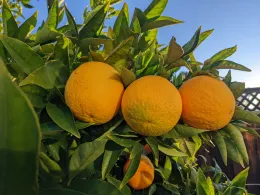
There’s a simple way to know whether your citrus fruit is ripe: taste it! Citrus varieties differ in when they first ripen and how long the fruit holds on the tree. Harvest dates depend on the variety and the climate. For example, the normal fruit season is winter for Navel orange, and summer for Valencia orange. Until you are familiar with your particular tree, sample a fruit periodically to see if it suits your taste. Allow fruit to ripen fully on the tree, as citrus does not continue to ripen once it’s picked.
More information: Harvesting and storing citrus
Months: January February July August September October November
Tags: Fruits & Nuts Techniques To-Dos
Healthy Tomatoes
Tomatoes are one of the most popular vegetables in home gardens, largely because of the taste difference between a homegrown tomato and a store-bought tomato. Here are a few things to watch out for to keep the plants healthy. Regular watering helps nutrients flow throughout the plant and can prevent blossom end rot. Clean soil and sanitation reduce the common Verticillium wilt in which lower and older leaves turn yellow and brown. And russet mite, where lower leaves and stems appear a greasy bronze, can be controlled with sulfur dust.
Managing Pests and Diseases of Tomatoes
Months: July August
Tags: Best Practices Disease IPM Techniques Vegetables Pests and Diseases
How to Tell if Fruits and Vegetables Are Ready to Pick
The UC Davis Postharvest Technology website was designed for commercial growers, but the information on how to tell When Fruits and Vegetables are Mature is handy for home gardeners as well. There’s also information about how to Store Fruits and Vegetables for Better Taste.
Months: July August September
Tags: Best Practices Fruits & Nuts Techniques Vegetables To-Dos
Identifying Beneficial Insects

A whole army of insects is in your garden ready to help your plants thrive. Pollinators, like bees and butterflies, help plants produce fruit. Lady beetles and lacewings are predators that hunt, kill, and eat insects. And parasites, like certain wasps, develop within a pest’s body and then kill them. Such violence! The trick is knowing which insects are friends or foes. To identify the insects on your own, take pictures of them and any eggs or larvae (check the undersides of leaves). Then zoom in for a closer view and use this site to help you identify beneficial insects.
More information: Beneficial Insects
Months: March April May June July August September
Tags: Beneficial Insects Pests and Diseases
Irrigate in Circles and Spirals

When you add a new plant to your landscape, it’s important to keep the root ball well watered until the roots start extending into the surrounding soil. The root ball can dry out even when the surrounding soil is moist, so an irrigation emitter is often placed right at the base of the plant. However, the irrigation needs to change as the plant matures. As the plant grows, move the irrigation away from the base and instead start irrigating in circles or spirals around it. For trees and large shrubs, continue expanding the irrigation spiral as they grow.
For more information: Help Your Trees Survive the Drought
Months: May June July August
Tags: Best Practices Fruits & Nuts Irrigation Ornamental Plants Trees & Shrubs To-Dos
Kale

Kale is primarily a cool-season crop in our area but you don’t need to remove it when the weather turns warm. It will grow year-round and even for several years. The problem you are likely to see in the summer is that it gets buggy. If you can tolerate the giant whiteflies and aphids, you can leave it as a decoy plant to attract the pests away from your other plants and to feed the lady beetles so that they will stick around. Kale grows well in the ground or in containers and is not picky about the soil. If the plant gets too big and grows a tall stalk, like walking stick kale, you can cut off the top, remove the lower three or four leaves from the stalk, and stick it back in the ground and water it. It will regrow easily. You could also wait for the seeds and grow again from seed. It will probably be pest-free again and pleasantly edible when the weather turns cooler.
More Information: Kale
Months: May June July
Tags: Best Practices What to Plant
Keep Up With Your Vegetable Harvest
The middle of summer is a particularly busy time of year for vegetable gardeners. It can be a challenge to keep up with harvesting—beans can become swollen and tough and zucchinis can become baseball bats! It’s particularly important to keep up with plants such as beans because the production of mature seeds (inside the pod) signals the plant to stop producing. Tomatoes can split and rot on the vine in exceptionally hot weather.
Months: July August
Tags: Abiotic Disorders Best Practices Techniques Vegetables To-Dos
Lady Beetle

We all know that lady beetles are good for the garden. Make sure you can recognize the larval stage because this life stage eats even more aphids than the adult form. Lady beetles lay their distinctive yellow eggs near a food source such as aphids. The larvae grow quickly, then pupate into the familiar adult form (but there are actually many varieties of lady beetles). It’s better to attract lady beetles to your garden rather than buying and releasing them. Purchased lady beetles generally fly away, and the process of collecting them in the wild is often destructive. To attract lady beetles, refrain from spraying insecticides, grow flowers that attract beneficial insects, and leave some aphids for them to eat.
For more information: Aphid Eaters
Months: March April May June July August
Tags: Beneficial Insects To-Dos
Lawn Care

As the weather changes, many of our management techniques have to change. Lawns need more water as the temperature increases and the humidity lowers. But please don’t overwater; too much water is wasted by going below the root zone or running off. Adjust timers monthly throughout the year. In the warmer months, lawns may need water twice a week. It is not good to water daily. If watering is daily and brief, the roots will stay shallow and susceptible to drying and burning. Be sure to water as early in the morning as possible to avoid evaporation. This also helps reduce fungal diseases by giving the grass time to dry out during the day. Poor watering practices are the main reason for dead and dying areas in lawns and a common source of urban runoff.
Make sure you are mowing to a height appropriate for your type of grass. Mow frequently enough so that only one-third of the leaf is removed at any one time.
Fertilizing is important, even if you are grasscycling, which only provides about 20% of a lawn’s fertilizer needs. Grass is all leaf, so the primary nutrient needed is nitrogen. Keep on top of weed removal.
Thatch is the layer of living and dead grass material (blades, rhizomes, stolons) that can build up on the surface of the lawn. A thin layer protects the soil surface and shallow roots from drying out from the sun, but a thick layer prevents water from getting through. You can remove dead grass material on the soil surface with a special thatch rake to allow water to reach the roots more easily.
More Information: The UC Guide to Healthy Lawns
Months: May June July August September October
Tags: Best Practices Irrigation Lawns Techniques Waterwise Tips To-Dos
Melons
By this time the vines have spread out and there are flowers everywhere. A foliar spray of a water-soluble fertilizer will give them a boost now. Keep the water flowing as they are one of the thirstiest plants you can grow. You can set young melons on the top of inverted cans (coffee cans, tuna cans, etc.) to warm them faster and more evenly. Punch a hole in the bottom of the can so water won’t puddle and rot the melon. Melons will begin ripening in August. How will you know when it’s ripe? The background color behind the netting will turn from green to tan. The stem will slip right off with just a light touch. Last but not least. let your nose tell you if it’s ripe. Smell the stem end; it should have a wonderful melon aroma. The color and smell test also works well in the grocery store.
Months: July
Tags: Fruits & Nuts To-Dos
Mulch to Conserve Water

A 3 to 4 inch layer of mulch can reduce watering needs by as much as 50 percent. Mulch reduces water evaporation and keeps soil temperatures down during hot summer months. In addition, mulch reduces the number of weeds, makes it easier to control weeds that do grow, and protects the soil from compaction. A variety of mulches are available. Organic mulches such as arborist chips and bark nuggets break down and improve soil quality over time. You can find free wood chip mulch from local arborists by searching online, such as “free wood chips near me”. Place mulch away from the street curb to prevent heavy rains from washing it into storm drains. Also keep mulch away from the trunks of woody trees or shrubs to avoid decay problems.
More information: Mulching with Organic Materials
Months: April May June July August September Any Month
Tags: Best Practices Fruits & Nuts Ornamental Plants Trees & Shrubs Vegetables To-Dos
Pepper Weevil

The pepper weevil is a small insect (about ¼ inch long) but is a worldwide problem for pepper growers. It has been an increasing problem in Santa Clara County. Female weevils chew holes on buds or at the base of young fruit and then lay their eggs inside. The larvae develop inside the fruit causing damage and leaving excrement.Then they chew their way out making the exit holes seen in the photo. Pepper weevils sometimes also cause premature fruit drop. They affect all kinds of peppers and chiles, but a recent local study showed the most problems with bell peppers. To reduce the population, clean up and discard any dropped fruit and peppers with holes near the stem.
More information: Pepper Weevil
Months: July August September
Tags: Invertebrates Vegetables Pests and Diseases
Pinch Your Basil

Pinching off the tips of your basil will keep your plants dense and bushy, encourage fresh growth, and prevent flowers from forming. Young leaves are more tender than older leaves, so pinch or clip your basil frequently through the summer. You can use the clippings in cooking. However, basil flowers do attract many beneficial insects, so you may want to let some plants flower while keeping others pinched back.
More information: Basil Care
Months: June July August
Tags: To-Dos
Pinching Flowers and Herbs

Pinching your flowers and herbs is a way of pruning them with nothing more than your fingertips. Removing the new tender growth at the end of a stem stimulates branching, encourages more flowers, and keeps your garden blooming longer. Follow a stem tip down to the first or second leaf node (where leaves join the stem) and pinch it off just above that node. Two new stems will grow beneath the pinch, resulting in a bushier plant. Early spring—before flower buds form—is the ideal time to pinch. But not all plants should be pinched. In particular, don’t pinch flowers that produce only one flower per stem.
More Information: Pinching Flowers and Herbs
Months: April May June July August
Tags: Best Practices Herbs Ornamental Plants Techniques To-Dos
Prevent Fruit Tree Sun Burn

Summer sun can bake trunks and branches of trees, especially when pruned to allow light into the tree’s center. Use whitewash to protect the bark from sunburn and subsequent insect infestation. Coat the south/west facing sides of the trunk and the top of main, sun-exposed limbs of all young trees and on older trees pruned to allow sunlight to reach the tree interior. Use white interior latex paint diluted to half strength with water. Apply the paint mixture from the soil surface up the entire trunk (and 2 inches below the surface for newly planted trees). Smaller branches are usually naturally protected by the tree’s leaves.
More information: Care for Young Fruit Trees
Months: April May June July
Tags: Best Practices Fruits & Nuts To-Dos
Protect Native Bees

You probably see non-native honeybees in your garden, but do you know there are over 1600 species of native bees in California? These bees don’t make honey, don’t live in hives (most live right in the ground), and are much less likely to sting since they have no colonies to defend. Research shows some species pollinate crops twice as effectively as honeybees, plus they’re best suited to pollinate native plants. But like honeybees, they’re threatened by pesticides and loss of habitat. Help preserve these species by growing a variety of plants that flower at different times of the year and by keeping areas of open ground in your yard.
More information: Native Bees and Their Favorite Plants
Native Bee images, clockwise from top left: Leafcutter bee (Jim McCulloch), carpenter bee (Kathy Keatley Garvey), long-horned bee (Kathy Keatley Garvey), sweat bee (Missouri Department of Conservation Staff)
Months: March April May June July August
Tags: Best Practices To-Dos
Protecting Fruit
If you don’t eat your fruit the minute before it’s ripe, birds or squirrels will. Once you see signs of damage, either pick the fruit, or find a way to protect it. For example using netting or paper bags. Pick up any fallen fruit as so not to attract rats or other less visible pathogens.
Months: July
Tags: Best Practices Fruits & Nuts IPM Vertebrates To-Dos
Prune Apricot and Cherry Trees

August is the best time to prune apricot and cherry trees in our area. By pruning at least six weeks before the first fall rains, you reduce the chance of Eutypa dieback. The disease is caused by a fungal parasite caused by airborne spores that enter fresh pruning wounds. Cankers develop around an infected wound and eventually can kill a tree if not managed.
Pruning in August instead of earlier causes less regrowth, which means less wasted energy for you and the tree. If you pruned during the rainy season in past years, you should check your trees for Eutypa infection and prune limbs at least one foot below any visible infection.
More information: Eutypa Dieback
Months: July August
Tags: Fruits & Nuts Techniques To-Dos
Rat Management

Have you found a hollowed-out orange or other sour fruit like Meyer lemons with no skins, tomatoes with bite marks, fruit with holes gnawed in them, or grape skins or cherry tomato skins scattered around? It is the work of a roof rat.
Rats show up when your citrus, tomato, or fruit first starts to ripen. Rats are agile climbers and usually live and nest in shrubs, trees, and dense ground cover like ivy. One management strategy is to prevent access to the tree by cutting branches away from fences or other trees, leaving a gap of at least 2 to 3 feet, good sanitation is required. Garbage and garden debris should be eliminated. Use tight-fitting lids on garbage cans. Thin out dense vegetation to make the habitat less desirable. Mow ivy once a year to the ground. Climbing ivies on fences or buildings should be removed.
Per the UC pest note (linked below), trapping is the safest and easiest method for controlling rats. Read the pest note for other management strategies as well.
More information: Rat Management
Months: January February March April July August September Any Month
Tags: Best Practices Disease Fruits & Nuts IPM Vegetables Pests and Diseases
Rose Care
Roses are notoriously susceptible to many diseases, including rust, black spot, and powdery mildew. For this reason, they are often planted at the edges of vineyards to give an early warning about diseases that can affect the vines. Yet not everything that negatively impacts roses is a disease or pest, so don’t automatically reach for the chemicals. Abiotic disorders are caused by nonliving factors and can be addressed with cultural changes. Blackened areas on canes can be from sunburn.
Brown-edged leaves may signal a high concentration of salt in the soil. Yellow leaves may be due to nutrient deficiencies. Deformed growth may be due to exposure to herbicides. Good air circulation allows the morning dew to dry, and helps prevent rust and powdery mildew. Some practices to keep your roses healthy are to choose hardy varieties, enrich the soil with compost, fertilize regularly but not too much, irrigate directly to the root zone, and remove suckers (the rapid-growing, long canes) from roses. Prune them below the bud union.
Roses: Diseases and Abiotic Disorders
Months: May June July August
Tags: Abiotic Disorders Best Practices Disease IPM Ornamental Plants Techniques Trees & Shrubs Pests and Diseases
Save Water and Make Your Plants Happier
After your vegetable garden is well established, it’s better to water thoroughly once a week rather than giving it a light watering every day. Doing that will encourage a deeper root system which will help the plants tolerate dry weather better. This is also true for fruit trees. For more information visit UC Pest Note on Watering Fruit and Nut Tress.
Months: July
Tags: Best Practices Vegetables Waterwise Tips To-Dos
Selecting Seeds

While curled up inside the warm, dry house poring through seed catalogs, how do you decide among all the delightful descriptions? First, be clear on the purpose of your garden. Are you trying to grow exotic food? Do you want to attract native butterflies? Are you interested in flowers you can cut and bring inside? Next, think about the conditions of your site. Is it warm and sunny or is there a lot of shade? Do you have heavy clay soil? Choosing seeds that do well in your area makes for healthier plants with less work. At this point, you have the parameters within which to choose what tickles your fancy. If you would like to save seeds in the future, then choose open-pollinated seeds, including heirlooms. Heirlooms are open-pollinated seeds that have been around for multiple generations. Otherwise, you can plant hybrids that have the best traits of their parent plants but will not reproduce true to type from saved seeds. Follow planting directions on the packet for the best results.
More Information: Seed Saving
Months: January February March May June July August October
Tags: Best Practices Garden Basics Ornamental Plants Techniques Vegetables What to Plant
Soil Moisture Test
How can you tell if your soil is moist enough?
- For trees or other landscaping, try pushing a soil probe or rod into the ground. When it stops going in, that shows how deeply water has penetrated. Irrigate until the water reaches 12 inches deep for grass, 12 to 18 inches for shrub and perennials, and 12 to 24 inches for trees.
- For garden beds or pots, use a trowel or simply stick your finger down into the soil a few inches to feel if it is moist or dry. Irrigate to keep the root zone moist.
- For smaller pots, you can often tell by lifting them if they need water. Well-watered pots will be heavy. Watch out for pots that have become hydrophobic, where the water runs through them without getting absorbed. They will need to be watered very slowly or soaked in a larger container to get rehydrated. See our tips for dealing with hydrophobic soil.
Remember that plant roots need air as well as water, so you want your soil to be moist but not soggy.
Months: June July August September
Tags: Best Practices Soil Techniques To-Dos
Soil Solarization
Soil solarization can be used to control diseases, nematodes and weeds by baking everything under plastic sheeting.The best time for solarization of soil is from June to August. Transparent or clear plastic is the best choice. Leave the soil covered for 4 to 6 weeks. Refer to the UC Pest Note on Soil Solarization for Gardens & Landscapes
Months: June July August
Tags: Disease Soil Techniques To-Dos
Spider Mites
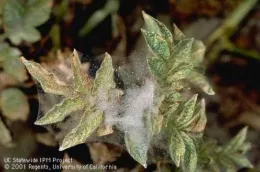
This tiny pest attacks a wide variety of ornamental and edible plants. Stippling of the leaves is the first symptom. Spider mites are closely related to spiders. They look like small white or light brown dots, uniformly spread. If you look closely, webbing may be visible. The color of the plant will start to fade and eventually leaves may drop. They suck out plant juices from leaves, flowers, and the blossom end of the fruit. Dry, hot temperatures and dusty conditions encourage them, so water is an important management tool. Be sure to water the plants sufficiently, and also wash off the leaves daily with water to knock off a lot of the dust and spider mites. f treatment is necessary, spider mites can be controlled with insecticidal soap, horticultural oil, or neem oil.
More information is available in the UC Quick Tips on Spider Mites
Months: June July August
Tags: IPM Invertebrates Pests and Diseases
Squash

Summer squashes are meant to be picked and eaten when they are small and tender. These include zucchini, crookneck, chayote, patty pan, and papaya pear squash. Winter squash is grown at the same time as summer squash. What makes it different is that it develops a harder rind that allows it to be stored long term to be used throughout the winter. It can also remain on the vine longer before harvesting. Some examples are butternut squash, pumpkins, and Tahitian squash. Squash plants should be in the ground by now and may already be producing fruit. Continue to water and fertilize them throughout the season and control weeds to ensure maximum production. If squash grows a few inches and starts to wither, it is probably not getting pollinated; you can manually transfer pollen from the male flowers (on stalks) to the female flowers (on developing fruit). An overabundance can be prepared for freezing or shared, or plants can be pulled out early to make room for the next season’s planting.
More Information: Summer Squash, Winter Squash
Months: July August
Tags: Best Practices Vegetables To-Dos
Squash Bugs
Squash bugs are about ½ long, brownish yellow and flattened like a stink bug. Zucchini is one of their favorite plants. Leaves will blacken and drop as they dry. They can be difficult to control. Placing row cover over young plants helps prevent infestation. Remove nearby vegetation where the bugs can over winter. More information can be read at UC Pest Note on Squash Bug.
Months: July
Tags: Best Practices IPM Invertebrates Vegetables Pests and Diseases
Squirrel Control

Squirrels are a common nuisance across Santa Clara County. They dig in pots, gnaw bark from plants, eat fruit and flower blossoms, and dig holes in yards. They are active during the day. Tree squirrels are distinguished from ground squirrels by their long bushy tails, lack of markings, and quick escapes up the nearest tree. They can be difficult to manage due to their persistence. Refer to the linked pest notes for options.
For more information: Pest Note on Tree Squirrels and Pest Note on Ground Squirrels.
Months: May June July August Any Month
Tags: Fruits & Nuts IPM Vegetables Vertebrates Pests and Diseases
Stink Bugs

Stink bug’s eggs are white in barrel-shaped cylinders with concentric circles ending in a bull’s eye. You might find them on the underside of leaves or in plain sight on fruits and vegetables in your garden. Soon they will hatch, shapeshifting in appearance five times before becoming shield-shaped adults either in brown or green color. Called stink bugs because they excrete a smelly fluid when disturbed. These insects feed on a variety of fruits, nuts, and vegetables such as tomatoes, squash, and beans, leaving blemishes and dark pinpricks in their wake.
The best way to control them is to handpick eggs and bugs off plants and get rid of weeds where they may live. It’s not helpful to use insecticides because by the time you notice damage, the stink bugs will likely be gone already.
More information: UC Pest Note on Stink Bugs

Months: July August
Tags: IPM Invertebrates Pests and Diseases
Summer Fruit Tree Pruning
If you want to keep the size of your trees manageable, you can do summer pruning after harvest in addition to the usual dormant pruning. An advantage of dormant pruning is that it is easy to see the branch structure. An advantage of summer pruning is that it reduces leaf area so the tree produces less energy and doesn’t get as large. With apricot and cherry trees it is important to prune them only in the summer when it will be dry for several weeks afterwards. Apricots and cherries are susceptible to a fungus called Eutypa that can kill a tree. See the August tip “ Prune Apricot and Cherry Trees”.
More information: Pruning fruit trees
Months: July August
Tags: Fruits & Nuts Techniques To-Dos
Summer Vegetables

Just because your summer vegetables are in the ground, beds, or containers, it doesn’t mean you can ignore them until it is time to harvest. And harvesting normally happens over weeks or months. Make sure you know what the vegetables will look like when mature; don’t be waiting for a green zebra tomato to turn red. Many vegetables are more tender when picked on the younger side. And they can go to seed and slow down production if left too long. Watering regularly is important. You need to water enough to get abundant production and make it worth the investment. Mulching and removing weeds will help conserve water for the vegetable plants. As with all plants, watch out for pests and diseases.
More information: Vegetable gardening
Months: May June July August September
Tags: Techniques Vegetables To-Dos
Sunscald on Fruits and Vegetables

Fruits and vegetables can get sunburned in the summer heat. This is more commonly called sunscald and it frequently affects peppers, tomatoes, and persimmons. To protect them, provide shade cloths during the hottest part of the day. Avoid heavy pruning that leaves fruits exposed as the leaves shield the produce from the sun. Water well during extreme heat and use mulch to retain moisture and reduce heat stress. You can cut out the damaged parts and eat the rest of the fruit.
Months: July August
Tags: Abiotic Disorders Fruits & Nuts IPM Vegetables Pests and Diseases
Testing Soil Moisture Depth

You know how long you water your garden, but do you know how deep the water is going? You don’t need an expensive moisture meter to check. A simple probe can help you find out. Use any item sturdy enough to push a foot or so into the soil, for example, a long screwdriver or metal rod. Push the probe directly into the soil using firm pressure. It will go through moist soil and stop when it hits the underlying dry soil, showing you how deep your water has penetrated. Watering deeply but infrequently is recommended.
More information: Checking Moisture Depth
Months: June July August
Tags: Best Practices Trees & Shrubs Vegetables To-Dos
Thyme

Thyme is much more than an herb to season food. In ancient times it was brewed by Egyptians for mummification, bathed in by Greek soldiers for courage in battle, and used by the Sumerians as an antiseptic and antifungal. And if you want a real surprise, check out the active ingredient list on a bottle of Listerine mouthwash. In your own garden it can be used for culinary purposes or as a purely ornamental landscape feature. It grows best in well-drained soil and sunshine, although it will tolerate some shade. It is quite drought tolerant once established. Common/garden thyme (Thymus vulgaris) is an excellent all-purpose thyme, growing to a foot tall and up to two feet wide. Lemon thyme (Thymus citriodorus), with its lemon scent, makes a nice evergreen border. Creeping thyme (Thymus serpyllum) stays short and can be used as a ground cover or between stepping stones. Thyme is attractive to butterflies and bees.
More Information: Growing and Using Thyme
Months: March April May June July
Tags: Herbs What to Plant
Today’s Grubs Are Tomorrow’s Beetles

The white grubs commonly found in lawns and gardens hatch into masked chafers and green fruit beetles. Masked chafer grubs are about 1 inch long and are mostly found in lawns. They feed on roots, so a large population can cause dead patches. You may also see lawn damage from animals digging for these tasty treats. The green fruit beetle grub is much larger, about 2 inches long, and is found in compost or garden beds high in organic matter. The grubs don’t damage plants, but the iridescent beetles feed on fruits. Finding an occasional grub is no cause for worry. Just leave them out for birds to feast on.
More Information: What are White Grubs?
Months: April May June July August September October
Tags: Invertebrates Pests and Diseases
Tomatillo (Physalis philadelphica)

Tomatillos still to this day is a truly wild plant. Attempts to hybridize them have failed. The plant is native to Mexico and was brought to the U.S. by Mexican Indian immigrants. It has a tart green apple taste and is the main ingredient in green salsas. It is also used in soups, stews, and guacamole.
It is a member of the Solanaceae (nightshade) family as is the tomato and will grow any place a tomato will. It is fairly drought tolerant. Being a wild plant, there is a great deal of variability in plant habit, fruit size, etc. It is an annual, a low growing, sprawling plant usually not more than 2 feet high.
The tomatillo has small, sticky, tomato-like fruits enclosed in papery husks. They are 1 to 3 inches in diameter and green or purplish in color. Culture is very similar to that for tomatoes or peppers. Plantings are generally direct seeded. The first harvest is ready in 70 - 80 days. They are not ripe until the fruit begins to break through the husk.
Months: June July
Tags: Vegetables What to Plant
Tomato Bottom Scarring

Sometimes scarring can be seen on the bottom (blossom end) of tomatoes. This can be caused by weather conditions such as cool and cloudy weather at bloom time, making the blossom stick longer to the small fruit. The fruit is perfectly good to eat with the damaged part cut out. Some large heirloom tomatoes are more susceptible to this condition.
Also known as catfacing.
Months: June July August
Tags: Abiotic Disorders IPM Vegetables To-Dos
Tomato Hornworm

Both tomato hornworms and tobacco hornworms can do significant damage to tomato plants. They can eat entire leaves and take bites out of the fruit. Although they are large with a striking appearance, they camouflage themselves well on plants and can be surprisingly hard to find. Once you see one, you’ll wonder how you missed it. The first clue to their presence is often a pile of frass (insect larva excrement) on the leaves or ground under the pest. They are up to four inches long so they are easy to handpick for disposal. If you see a row of white eggs on their backs, those are from a parasitic wasp that will take care of the problem naturally. They are striking, with white striping and little round circles. The caterpillars get their name from the horn on their back end, and they are the larval stages of rather large brown moths.
More information: Tomato Hornworms
Months: June July August
Tags: Disease IPM Invertebrates Vegetables Vertebrates Pests and Diseases
Tomato Russet Mite
Tomato russet mites deplete juice from the cells of leaves, stems and fruit. They usually start at the base of the plant and move upward. If not controlled, these pests can kill plants. At first sign of damage, treat with sulfur dust or a spray solution of wettable sulfur and spreader-sticker. More information is found in the UC Pest Note on Tomato Russet Mite.
Months: June July August
Tags: IPM Vegetables Pests and Diseases
Tomato blossom end rot

A brown depression on the bottom of tomatoes is usually blossom end rot (BER). This disorder is related to a calcium deficiency aggravated by irregular watering. Since most soils have adequate calcium, watering is usually the problem. Without regular watering, the calcium in the soil cannot reach the plant. Mulching can help. Water tomatoes regularly. Avoid flooding them so the roots sit in water. For more detailed information about BER please view Managing Blossom-End Rot in Tomatoes and Peppers
Months: July August September
Tags: Abiotic Disorders IPM Vegetables Waterwise Tips Pests and Diseases
Transplanting Vegetables

As vegetable seedlings start to outgrow their pots, you can transplant them into larger pots, raised beds, or the ground. Make sure the seedling is well-watered before moving it. To remove the plant, either turn the pot upside down — with your other hand positioned to catch it! — or pull the entire root ball out with a fork or other utensil. Be sure never to handle the seedling by the stem, with its vascular tissue that conducts water and food. If the roots are packed together or circling, gently pull them apart. Then gently move the plant to its new home, lightly packing the soil around it. Make sure the soil is at the same level on the stem as in its original pot, except for tomatoes and peppers which can be planted deep. Immediately water thoroughly. A little fertilizer can also be added when transplanting. Transplant shock can be minimized by not changing too many conditions at once, e.g., temperature, wind, or sun exposure.
More information: Vegetable Planting Handbook (Los Angeles Master Gardeners)
Months: February March April May June July August September October
Tags: Techniques To-Dos
Vegetable Garden Check-In

This is a good time in the season to evaluate your vegetable garden to see what’s producing well, what you can improve, and what to give up on and chalk up to experience. Take notes! If a plant is barely growing, could it benefit from a shot of fertilizer or some extra water? Might you have planted it out too early in a cooler-than-usual spring when both daytime and nighttime temperatures were still too cool? If it’s not getting six to eight hours of sun per day, can you move it to another spot or put reflective material nearby to give extra sunlight? Did you use a new soil that perhaps had a different blend of materials? Is part of it being eaten or affected by the disease? Observe closely, including on the underside of leaves and at night. Harvest regularly and promptly. And remember the old gardening adage, “There’s always next year.”
More information: Vegetable Diagnostic
Months: June July
Tags: Best Practices Vegetables To-Dos
Vegetable Planting Chart
Wondering what vegetables can be planted now? To get the best success—whether planting from seed or transplants—refer to our Santa Clara County Vegetable Planting Chart. It’s based on our own garden experiences.
Months: February March May June July August October Any Month
Tags: Best Practices Garden Basics Herbs Techniques Vegetables What to Plant
Verticillium Wilt
Verticillium wilt is a soil-borne fungal disease that damages plant veins. The damage is characterized by affecting one side of the plant. The leaves may wilt and turn brown, dying upward from the base of the branch to the tip. Dead leaves often fall, but may not. Mildly affected plants may survive if fertilized and encouraged into vigorous growth. The fungus can live for years in the soil.
Planting tomatoes, peppers, eggplants, and potatoes (all members of the Solanaceae or nightshade family) in the same place no more than once every three years helps reduce the fungal population to non-harmful levels. Soil solarization may eliminate Verticillium wilt from infected soils. Crop rotation with cereals or broccolis can reduce the pathogen. Avoid high nitrogen fertilizers. Plant Verticillium wilt-resistant varieties of tomatoes, potatoes or strawberries. Refer to the UC Pest Note information on Tomato, Potato, and Strawberry for species-specific suggestions.
Months: May June July August
Tags: Disease IPM Vegetables Pests and Diseases
Water Budgeting
We always need to use water wisely. Sometimes it is necessary to stop and think about your landscape and prioritize water use. Trees are a long-term investment, yet mature trees may have extensive root systems enabling them to find enough water on their own. Fruit trees may need watering approximately monthly during the summer in order to produce good fruit. Vegetables should always be given adequate water in order to fulfill their purpose in the garden; otherwise the little bit of water you used will have been wasted if the garden is not feeding you well. It’s helpful to understand that home-grown vegetables use much less water overall than ones purchased at the store. Established flowering shrubs, especially California natives, tend to need less water than annual flowers and maybe a more water-efficient way to have color and beauty in your garden. Lastly, keep the weeds under control so that they don’t rob water from the plants that you actually want.
Months: May June July August
Tags: Fruits & Nuts Irrigation Ornamental Plants Trees & Shrubs Vegetables Waterwise Plants Waterwise Tips To-Dos
Water the Roots, Not the Plants
It’s tempting to get the hose out and spray your dry, thirsty plants, but you don’t want to waste water. Keep their feet nice and cool, but resist the urge to squirt the leaves unless they need a cleaning (for dust or white fly for instance).
It’s a common belief that daytime water on the leaves will burn them. While it’s possible, according to scientists—for hairy leafed plants where water droplets are held above the leaf surface—but not very likely. It’s more the water will simply evaporate and not do your plants much good and could encourage fungal pathogens if wet overnight.
Months: June July August
Tags: Irrigation Waterwise Tips To-Dos
Watering Hydrophobic Soil
Just as a dry sponge repels water, overly dry soil can do the same thing. This dried out soil is called hydrophobic. Hydrophobic soil can waste a lot of water as water drains away from the plant’s root zone.
In pots: learn more about how to re-wet very dry soil on our Watering Hydrophobic Soil page. In the yard: setting sprinklers to run for 5 minutes, waiting for the water to soak in, and then running for a longer time can prevent water loss due to hydrophobic soil.
Months: May June July August
Tags: Irrigation Techniques Waterwise Tips To-Dos
Watering Tomatoes
If it’s July, it’s time to cut back on watering tomatoes. Tomatoes have far more flavor when the ripening fruit is deprived of water. Don’t forget to remove competing weeds from around the garden.
Months: July
Tags: Best Practices To-Dos
Watering Trees
The amount of water trees need in the summer depends in large part on the age of the tree. Newly planted trees with shallow roots may need weekly water. Trees that are a few years old and fairly well established may need monthly watering. Mature trees with extensive root systems may not need any supplemental water. These are just VERY general guidelines. It is essential to know the water requirements of the plants. You can determine these by researching cultural needs or knowing their native habitats, the soil type and how well it retains water, and the micro-climate in which the tree is located, e.g., shaded, windy, dry. Always water slowly and deeply to penetrate down to the roots. Use a soaker or drip hose around the tree at the drip line and let it slowly drip for 2 to 3 hours. Don’t let lawn sprinklers hit tree trunks as this may cause crown rot and damage the tree.
Months: July August September
Tags: Irrigation Trees & Shrubs To-Dos
Weed Spotlight - Bindweed

Have you seen a pretty, morning glory-like flower on a vine that winds through any plant within reach? Field bindweed is one of the most challenging weeds to control because its roots can reach depths of 20 feet or more and it readily re-grows from root fragments as short as 2 inches. The only chance of controlling this invasive weed is to stay right on top of it and remove it as soon as you see any of it peeking up out of the ground. Every time it starts growing above ground and photosynthesizing, it is storing energy in the roots. This allows it to put out new shoots. It produces many seeds which remain viable for years. Making things even worse, it’s drought tolerant. Controlling it isn’t easy, but the UC pest note below discusses options. Chemicals aren’t needed if you’re persistent in removing new growth to prevent seed production and limit the plant’s ability to store new energy in the roots.
For more information: UC IPM Bindweed Pest Note
Months: March April May June July August September
Tags: Best Practices Weeds To-Dos
White Butterflies and Green Caterpillars

Have you seen these small yellowish-white butterflies fluttering around? Cabbage white butterflies feed on many flowers, but for laying their eggs. They favor the cabbage family, such as broccoli, cauliflower, and mustard. The velvety green caterpillars, also called imported cabbageworms, feed on the leaves after hatching. While mature plants tolerate a few holes munched in their leaves, young seedlings don’t have foliage to spare. Cultural controls include handpicking the caterpillars, brushing the eggs off the undersides of leaves, and using row covers to protect the seedlings. UC lists additional options in the link below.
More information: Managing Imported Cabbageworms
Months: March April May June July August September October November
Tags: Invertebrates Vegetables Pests and Diseases
Whiteflies
Whiteflies are tiny, sap-sucking insects that may become abundant in vegetable and ornamental plantings, especially during warm weather. They excrete sticky honeydew and cause yellowing or death of leaves. Outbreaks often occur when the natural biological control is disrupted. Management is difficult once populations are high.
Whiteflies use their piercing, needlelike mouthparts to suck sap from phloem, the food-conducting tissues in plant stems and leaves. Large populations can cause leaves to turn yellow, appear dry, or fall off plants. Like aphids, whiteflies excrete a sugary liquid called honeydew, so leaves may be sticky or covered with black sooty mold that grows on honeydew (See UC Pest Note on Sooty Mold). The honeydew attracts ants, which interfere with the activities of natural enemies that may control whiteflies and other pests.
Management of heavy whitefly infestations is difficult. The best strategy is to prevent problems from developing in your garden or landscape. In many situations, natural enemies will provide adequate control of whiteflies; outbreaks often occur when natural enemies are disrupted by insecticide applications, dusty conditions, or interference by ants. Avoid or remove plants that repeatedly host high populations of whiteflies.
In gardens, whitefly populations in the early stages of population development can be held down by a vigilant program of removing infested leaves or hosing down with water sprays. Reflective mulches can repel whiteflies from vegetable gardens, and yellow sticky traps can be used to monitor or, at high levels, reduce whitefly numbers. If you choose to use insecticides, insecticidal soaps or oils such as neem oil may reduce but not eliminate populations. Systemic insecticides may be more effective but can have negative impacts on beneficial insects and pollinators.
For more information see UC Pest Note on Whiteflies.
Months: June July August September
Tags: IPM Invertebrates Vertebrates Pests and Diseases