
What to do in the Garden - November
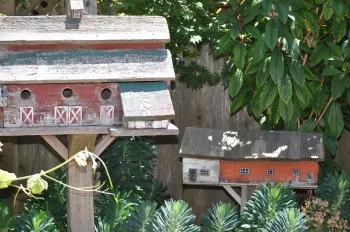
While things start to slow down in the garden this month, there are key things you can do to keep your gardening in its best shape!
Food Gardening
- Plant cool-season crops with short days to maturity, like radishes. or greens like arugula.
- Expect plantings at this time of the year to take longer to reach maturity as the days shorten and temperatures drop.
- The rule of thumb for garlic in our area is to get them in the ground before Thanksgiving from seed for harvest from late-May through July. There are two types of garlic: hardneck/stiffneck (Allium sativum ophioscorodon) and softneck (Allium sativum sativum). Over 90% of commercial garlic is grown in California: mostly California Early and California Late, both softneck varieties. Garlic requires loose, fertile, well-draining soil and full sun. Check our YouTube channel for Growing Great Garlic for specific info about choosing varieties, preparing beds as well as harvest and storage tips. Additional resources: A Garlic Primer by Orin Martin, UC Santa Cruz (PDF) | Garlic: A Safe Way to Store, Preserve and Enjoy (PDF, free)
- If you decide to rest your beds for the winter, consider adding a "living mulch", or cover crop, to build soil health, tilth and fertility.
- Fall is a good time to start a straw bale garden bed. Acquire the bales and set them in place before it rains. Otherwise, they become very heavy and challenging to move.
California Natives, Flowers and Ornamentals
- Spring blooming bulbs are planted in the fall through the end of the year, such as daffodils, irises and hyacinth.
- Fall is a great time to move and divide perennials. Divide perennials with clean, sharp tools.
- Native plants are best propagated in fall and winter.
- Transplant cool season annual flowers, such as pansies. nasturtiums, foxgloves, California wildflowers, and poppies. One strategy is to spread wildflower seed just before a forecasted rain.
- Keep new plants watered for the first year, taking advantage of winter rain.
Fruit Trees
- It's important to keep the orchard floor as disease and pest-free as possible for a healthy harvest next year: Pick up diseased leaves, fallen fruit and harvest damaged or moldy fruit. Do not put these plant materials in your home compost.
Evergreen Tips
- Sterilize planting containers before reusing them. Wash with mild soap and water to clean. Disinfect planting containers with a 10% bleach solution, meaning 1 part bleach to 9 parts water.
- Sterilize your pruning tools regularly to not spread disease.
- Remove diseased plant material (or discard in your green waste can) to keep your garden as disease free as possible. Do not add diseased plant material to your home compost or leave them in your garden beds. Some pests and diseases can overwinter.
- Irrigation systems: Run it to check for leaks. Make repairs and seasonal adjustments.