
What to do in the Garden - September
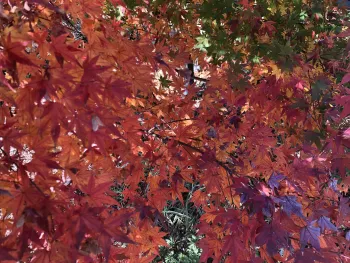
September weather can be unpredictable on the Central Coast. While the fall equinox is soon, we may experience a heat wave or two before the rains.
If we have a heat wave, hold off on planting until the weather cools off, unless you shade your tender seedlings from sunburn damage.
If you want to prepare for a bountiful spring harvest, fall is a great time to start the process of taking advantage of winter to build soil health.
Food Gardening
- If you want to get a late summer warm season crop, plant bush beans along with transplants of annual herbs. Look at shorter days to maturity. Plant these earlier in the month.
- Plant cool-season crops, particularly if you live in a cooler part of our region.
- Grow a salad garden in the fall: arugula, lettuces, Swiss chard, kale, spinach, mustards and other greens
- Consider artichokes, broccoli, cabbage, cauliflower, peas
- Root crops like carrots, beets, fennel, onion, radishes and turnips
- If we have a heat wave, cover tender seedlings so they don't burn or bolt.
- Prune basil to the first leaf bud below the flower to encourage further leaf production. Harvest mature leaves frequently to prolong the harvest.
- Regularly harvesting the bounty from vegetables such as pole beans, cucumbers, and summer squash, prolongs the harvest season.
- Monitor your plants for pests and diseases regularly.
California Natives, Flowers and Ornamentals
- Deadhead spent flowers to prolong seasonal blooms in the garden.
- There are several reasons to let a plant go to seed and decline: saving seed for next year, letting the plant reseed itself in place for the next season and allowing birds and other animals to eat the seeds.
- Start edible annual cool-season flowers such as calendula, pansies, and nasturtiums this month from seed.
Fruit Trees
- Pick up diseased leaves, fallen fruit and harvest damaged or moldy fruit to help manage pests and disease and maintain a healthy orchard floor. Fruit drop from trees is a normal process. However, environmental issues, such as sudden temperature changes, can exacerbate it.
- Reference the California Backyard Orchard site to help you diagnose fruit tree pests and disease.
Miscellaneous
- Although we recommend mulching for garden beds and paths, some native bees build nests in bare soil. Keep a few places open with bare soil to host these important pollinators.
- We encourage Integrated Pest Management, ongoing strategies to manage pest damage. Direct, regular observation is a good practice. For example, carefully check kale, cabbages and broccoli for aphids or caterpillar activity. Take a flashlight tour of your garden at night to catch slugs, snails and other critters you might not see otherwise!
- For planted areas, or preparing fallow beds, suppress weeds while amending your soil by adding compost and mulch to help retain moisture, and/or sheet mulch. Keep mulch at least 6" away from tree trunks and plant stems. Read UCANR publication Mulching for Landscapes and this guide to applying mulch.
Evergreen Tips
- Sterilize planting containers before reusing them. Wash with mild soap and water to clean. Disinfect planting containers with a 10% bleach solution, meaning 1 part bleach to 9 parts water.
- Sterilize your pruning tools regularly to not spread disease.
- Remove diseased plant material (or discard in your green waste can) to keep your garden as disease free as possible. Do not add diseased plant material to your home compost or leave them in your garden beds. Some pests and diseases can overwinter.
- Irrigation systems: Run it to check for leaks. Make repairs and seasonal adjustments.