
Succession Planting
- August 4, 2025
Keep Your Home Garden Producing: The Art of Succession Planting
Article and photos by Ellie Lightfoot, UC Master Gardener of Nevada County
From The Curious Gardener, Summer 2025, Summer 2025 Curious Gardener
While many home gardeners plant once and harvest once, succession planting can transform your backyard into a continuous source of fresh vegetables from spring through fall. As foothill gardeners, we can use any of these four approaches to keep our gardens continually productive.
Types of Succession Planting
The first approach—planting the same crop with staggered dates—works well with crops that mature all at once like lettuce and radishes. Prepare your planting area and sow seeds in one third of the area, returning to plant the next third when the first planting has its second leaves, then plant the final third two weeks after that.
The second approach means pulling spring crops when production slows and planting summer crops in the same area. For example, as spring peas finish, that same space can host summer beans.
Interplanting fast and slow-growing crops is the third approach. This looks like lettuce planted alongside cucumbers. The lettuce will be harvested before the cucumbers need space, making this perfect for small foothill gardens.
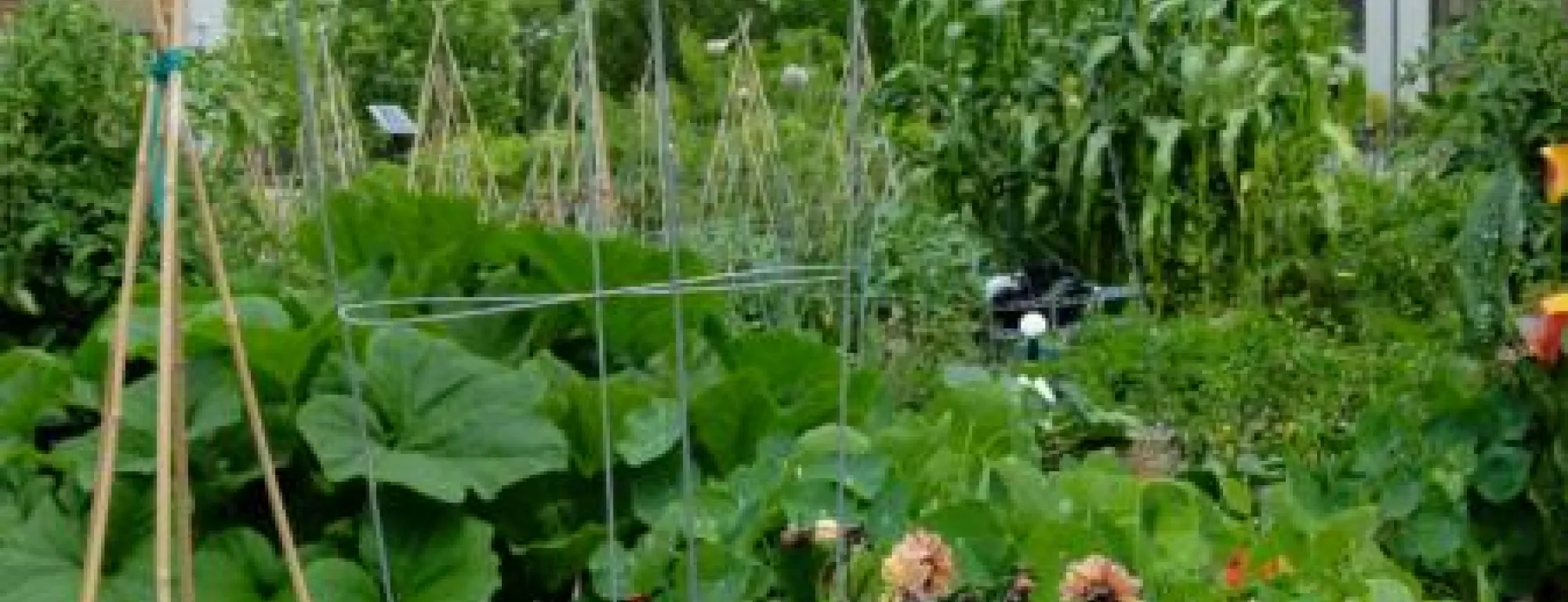
The fourth approach—same crop with different maturity dates—works well with vegetables. Planting early, mid-season, and late varieties of tomatoes spread your harvest across months rather than weeks. Interplanted squash, tomatoes, basil and snapdragons in a raised bed, planted on the north side of the tomato trellis.
Succession Success: Map the Garden, Keep a Journal
It's important to map out your growing space and keep records of what works. A simple sketch of each bed with planting dates and days to maturity provides valuable reference for future seasons.
When planning, consider maturity times, spacing needs, and water requirements of plants being grown together. Plan for vining crops to be trellised and utilize the space underneath. Add compost between plantings to rejuvenate the soil.
Common Mistakes and Troubleshooting
One common mistake is forgetting to adjust planting dates for our varied elevation zones—what works in Auburn may need a two-week adjustment in Nevada City. Many gardeners also neglect soil rejuvenation between plantings, leading to disappointing yields.
Changing day length affects plant growth dramatically; spring spinach bolts quickly, while fall plantings grow more leisurely. Gardeners often overplant without considering harvest timing, resulting in feast-or-famine cycles. Perhaps most critical is inadequate irrigation for newly planted succession crops during hot summer transitions.
Combat these issues by keeping a garden journal specific to your microclimate, adding compost between plantings, and installing drip irrigation with separate zones for new plantings.
By mastering succession planting, you'll transform your garden from a one-time harvest into a continuous cornucopia. Your family will enjoy fresher, more diverse produce, while you'll experience the satisfaction of a garden that produces abundantly throughout the seasons.
These reference websites and publications are excellent sources for additional information to give you the knowledge and confidence to plant a vegetable garden:
- Growing Vegetables in Placer County. UC ANR UC Master Gardeners of Placer County. n.d. https://ucanr.edu/site/uc-master-gardeners-placer-county/growing-vegetables-placer-county
- Home Vegetable Gardening. UC ANR UC Master Gardeners of Nevada County. n. d.
- Western Sierra Foothills Garden Guide. 2022. UC Master Gardeners of Nevada County. https://ucanr.edu/site/uc-master-gardeners-nevada-county/western-sierra-foothills-garden-guide
- Succession Planting. Oregon State University, OSU E tension Service. n.d. https://extension.oregonstate.edu/imported-publication/succession-planting