
What to Plant Now: Fall Edibles and Cool Crops
Photos and Article by Melinda Nestlerode
Summer may be winding down, but my vegetable garden is still in full production. The sugar pie pumpkins continue to sprout huge blossoms and set fruit, the peppers are displaying brilliant colors, and the tomatoes are out of control. As healthy as the garden looks right now, autumn is right around the corner. Rather than the impending fall weather meaning the end of the garden, it is only the beginning. Planting cool-season vegetables while it’s still warm outside ensures rapid root development, ideal for harvesting in November, December and January. There are a number of vegetables and flowers that thrive in cooler climates, and planting perennials in the fall ensures a healthy start.
Prepare Vegetable Garden Beds
Prior to planting, remove and compost the summer vegetables. Be sure to collect any vegetables that have dropped onto the soil, or you may grow a volunteer from their seeds. Add aged compost to the beds to refresh the depleted nutrients in the soil. Check and repair the drip irrigation system, as your fall vegetables will still need to be irrigated until the rains begin. Plan to add mulch around the new plants after they have sprouted and grown sturdy enough. Straw, wood chips, leaves and compost are good options.
Direct Sow Vegetables
Directly sow the following cold-hardy crops:
- Beets (Beta vulgaris), Carrots (Daucas carota), Radishes (Raphanus sativus), Rutabaga (Brassica napus, variety napobrassica) and Turnips (Brassica rapa subsp. rapa) – Root vegetables dislike being disturbed, so it’s best to directly sow them. Plant according to the seed packet’s directions, and make sure to thin them accordingly to give each root the room it needs to grow.
- Spinach (Spinacia oleracea), Arugula (Eruca sativa), Lettuce (Lactuca sativa), and Swiss Chard (Beta vulgaris L. subsp. cicla)– Spinach and arugula do not transplant well, while lettuce and Swiss chard can either be direct sown or transplanted from starts. Direct sowing avoids potentially damaging the fledgling root system. These crops may be sown in succession every couple of weeks. Harvest the outer leaves so the inner leaves will continue to grow.
- Peas (Pisum sativum) – Plant in a sunny location; afternoon shade is ok if the weather is still hot. Provide a trellis for vining varieties.
- Onions (Allium cepa) – Plant seeds 2” to 3” apart to allow for bulb development and provide at least 6 hours of sunlight a day to develop larger bulbs.
- Garlic (Allium sativum) – Planting now can produce larger bulbs at harvest. Provide at least 6 hours of sunlight daily.
- Bok Choi (Brassica rapa subsp. chinensis) – Also known as pak choi, Chinese celery cabbage, white mustard cabbage and horses’ ear, bok choi thrives in temperatures between 55˚ and 70˚F. Depending on the temperatures in September this year, you may want to wait until next month to plant. Succession planting by sowing seeds every two weeks.
- Potatoes (Solanum tuberosum) – Potatoes are sensitive to frost. Plan to harvest prior to the first frost date, which is typically around December 7th, according to The Old Farmer’s Almanac. Plant seed potatoes 5” deep and about a foot apart. Mound soil around the plants as they grow to encourage more potato development.
Vegetable and Herb Transplants
Transplant young seedlings of the following vegetables:
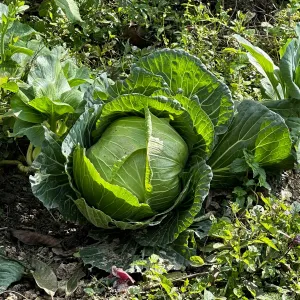
- Cabbage (Brassica oleracea var. capitata) – Select varieties suited to fall and winter planting.
- Broccoli (Brassica oleracea var. italica) - Broccoli can tolerate some frost. Ensure that it receives full sun.
- Brussels sprouts (Brassica oleracea var. gemmifera)– Planting in fall avoids the bitter taste associated with heat exposure.
- Cauliflower (Brassica oleracea var. botrytis) - Plant 1 ½’ to 2’ apart and be vigilant for aphids and cabbage worms.
- Herbs – Fall is a good time to plant winter savory (Satureja montana), parsley (Petroselinum crispum), cilantro (Coriandrum sativum), French tarragon (Artemisia dracunculus), chives (Allium schoenoprasum), Greek oregano (Origanum vulgare), and thyme (Thymus vulgaris).
Cool Season Flowers
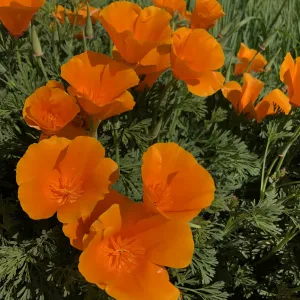
September is the ideal time of year to plant cool-season annual and perennial flowers. African daisies (Osteospermum), Calendula, California poppy (Eschscholzia californica), candytuft (Iberis sempervirens), Chrysanthemum, Clarkia, cyclamen (Cyclamen persicum), fairy primroses (Primula malacoides), pansies (Viola × wittrockiana), Violas, snapdragons (Antirrhinum), and stock (Matthiola incana) will add a touch of color to your autumn, winter, and early spring landscape.
Perennial Shrubs and Trees
Due to our Mediterranean climate, autumn is the best time to plant almost all perennial shrubs and trees. The weather is cooler, which reduces heat-related stress and provides ample time for the root system to become established prior to summer. Winter rains soften the hard-packed clay soil, nurturing the plants and enabling the roots to dig deep underground.
Native plants are always a good option, as they are adapted to our environment and provide precious food and habitat for our native pollinators. Visit Calscape.org, the California Native Plant Society’s website, for an extensive list of native plants and where to find them.
The UC Davis Arboretum website, https://arboretum.ucdavis.edu/tags/plant-list, provides lists of plants categorized by which pollinator the plant will attract, climate readiness, perennials, edibles, and more. Visit our local nurseries, such as Morningsun Herb Farm in Vacaville, Lemuria Nursery in Dixon, and Mid City Nursery in American Canyon, where experienced horticulturalists can answer your questions and get you started with plants that will thrive in cooler weather.
We are so fortunate to live in Northern California, with our warm autumns and mild winters. Fall gardening affords us an opportunity to monitor, repair and replenish the planting beds, and enables us to grow nutritious and tasty food year-round. As the American poet, Ralph Waldo Emerson said, “Each moment of the year has its own beauty, a picture which was never seen before, and which shall never be seen again.” Happy gardening!