
Living with Birds - Delights and Challenges
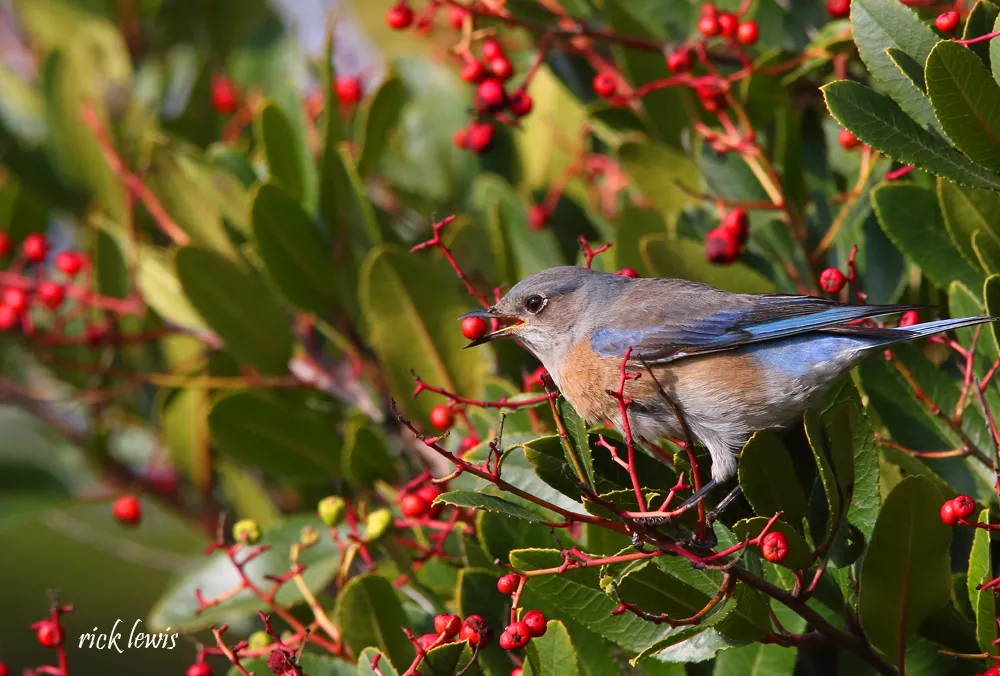
Gardens are meant for plants, right? So why encourage birds to join us there? The most obvious reason is that many of us love birds. They are beautiful to look at, and we delight in hearing them sing. Birds bring a whole extra dimension to the enjoyment of nature in your outdoor place. But even if you are not a bird-lover, there are good ecological reasons to welcome them.
Birds really need us to invite them to our gardens; they need more places to live that meet their needs. A study published in Science in 2019 showed that since 1970, bird populations in the United States and Canada had declined by 29 percent, or by almost 3 billion birds. The loss has been widespread over diverse groups of birds. The March 2025 State of the Birds report for the US shows that these losses are continuing. There are many reasons why bird populations are declining but a critical one is habitat loss, including that caused by deforestation, increased urbanization, and large-scale agriculture.
The 2025 study also highlights interventions that are successfully restoring habitat for threatened species. Declining birds include shore, water and land bird species, including many backyard birds. Most of us can’t restore a swamp or a marsh on our own, but we can help struggling backyard bird species by creating suitable habitat in our own gardens, balconies and patios. No space is too small to create useful habitat - plants in containers in your driveway, on balconies, and in your sidewalk strip all make a difference.
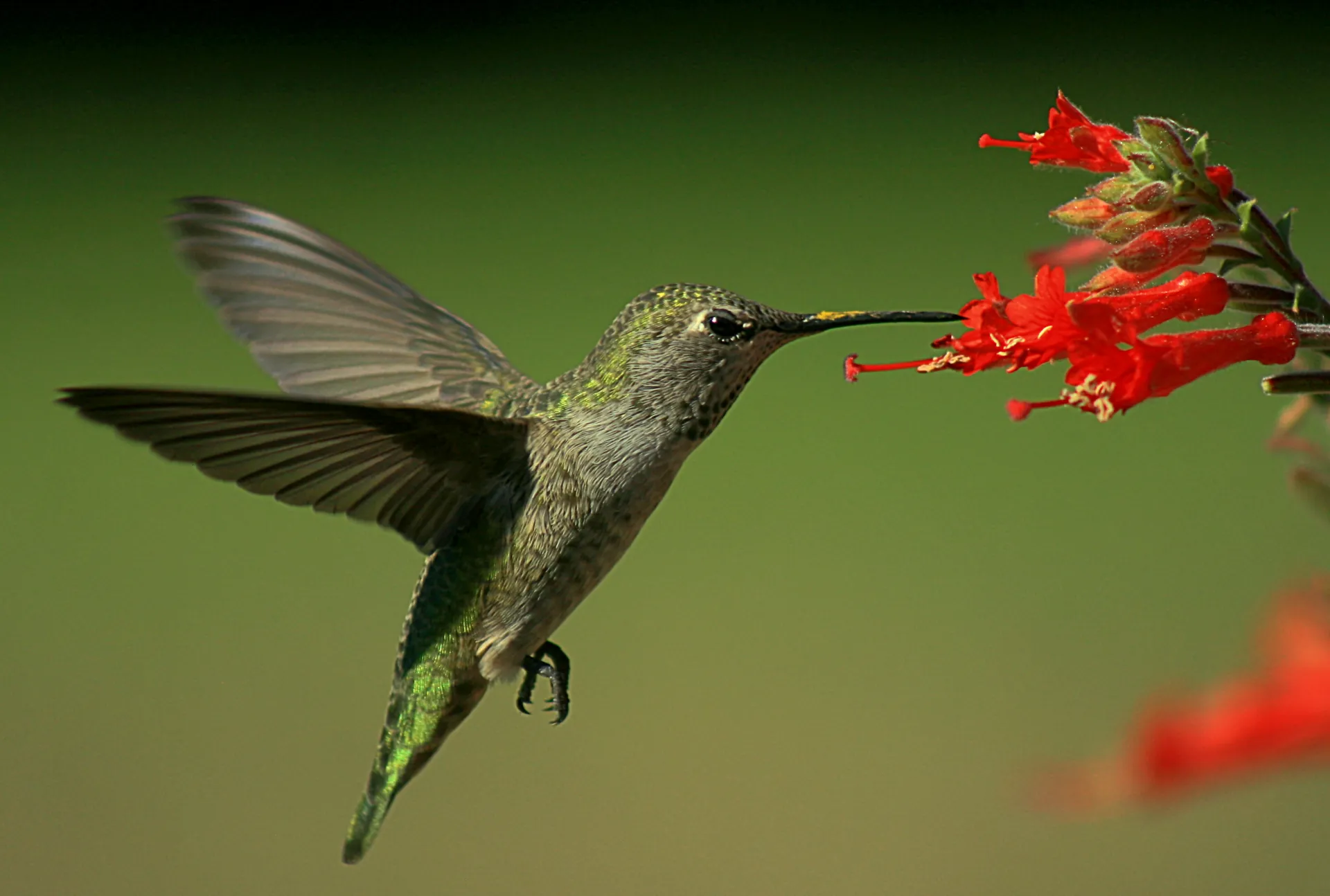
Birds can also do you a favor if you invite them into your outdoor space - many backyard birds feast on insects and caterpillars, easing the pest burden on your plants. Hummingbirds can even pollinate!
How to Invite Birds to Your Garden
Use Native Plants
Use plants that are native to your area in your outdoor space. Local natives co-evolved with the birds, insects and other wildlife of their area. So they are the most efficient at meeting the needs of native birds. Building on earlier research, in 2017 Doug Tallamy of the University of Delaware and his research group found that in residential yards in areas around Washington D.C., yards that contained mostly native plants hosted many more caterpillars, a critical food for birds. Native plants also excel at providing nest sites and resting areas for native birds.
Provide a Diversity of Plants for Food
Birds need many different kinds of plants for food, and their needs are different in different seasons.
- When birds are breeding and raising their young, protein is particularly important. Among songbirds based on land, 96% need caterpillars as the main source of protein for their young during nesting season. Some native plants are particularly attractive to caterpillar-producing insects and so particularly useful for breeding birds. These are known as keystone plants.
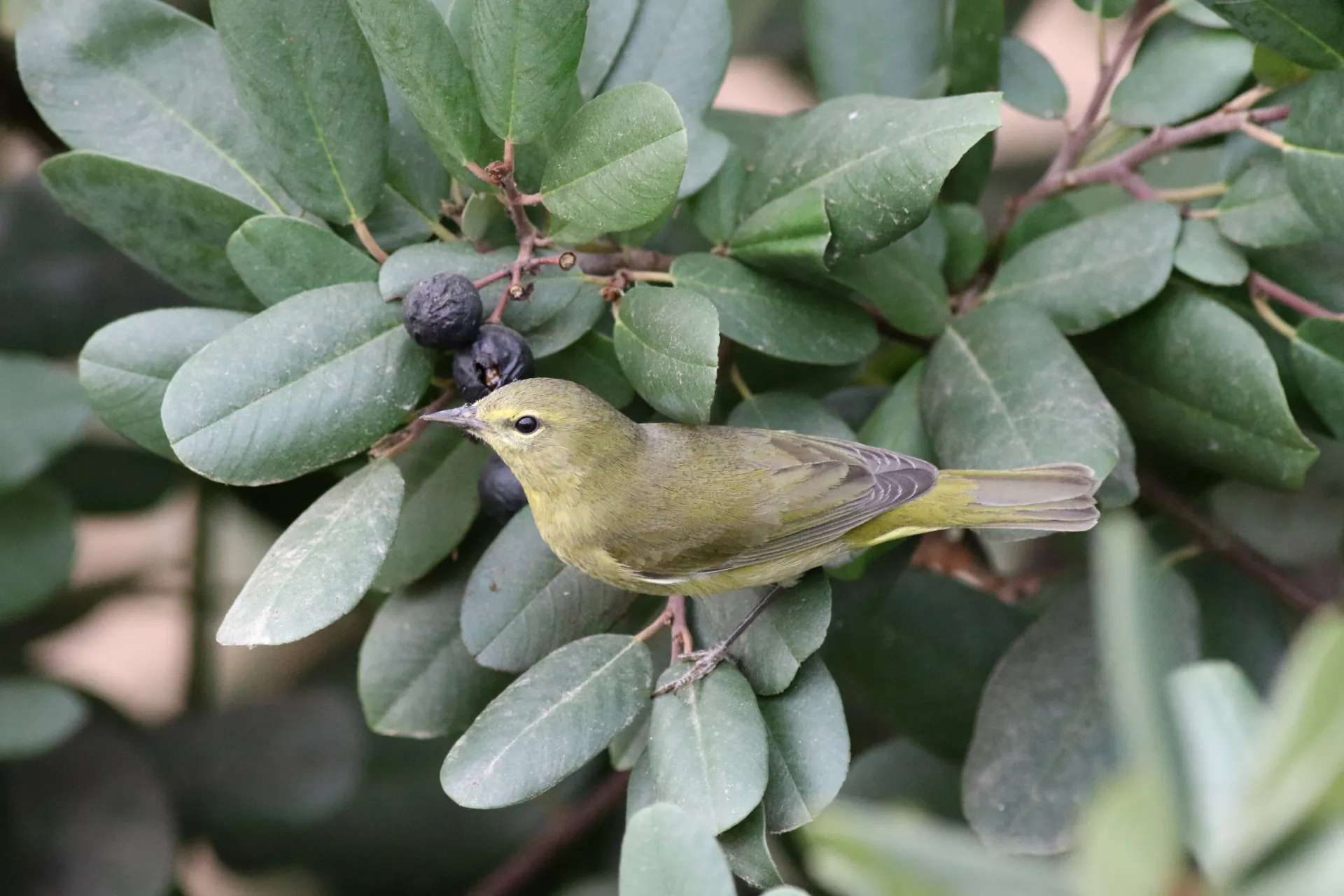
- Buds, flowers, berries and seeds from native plants are also important for food. Hummingbirds and other pollinators are looking for nectar and/or pollen all year round. Native plants that provide berries for birds include elderberry, ribes, toyon, huckleberry and many more. As long as you let the plants go to seed, many natives provide nutritious seeds for birds in the fall and winter. Thoughtfully selected, your native garden can provide birds with a variety of food and blooms all year round.
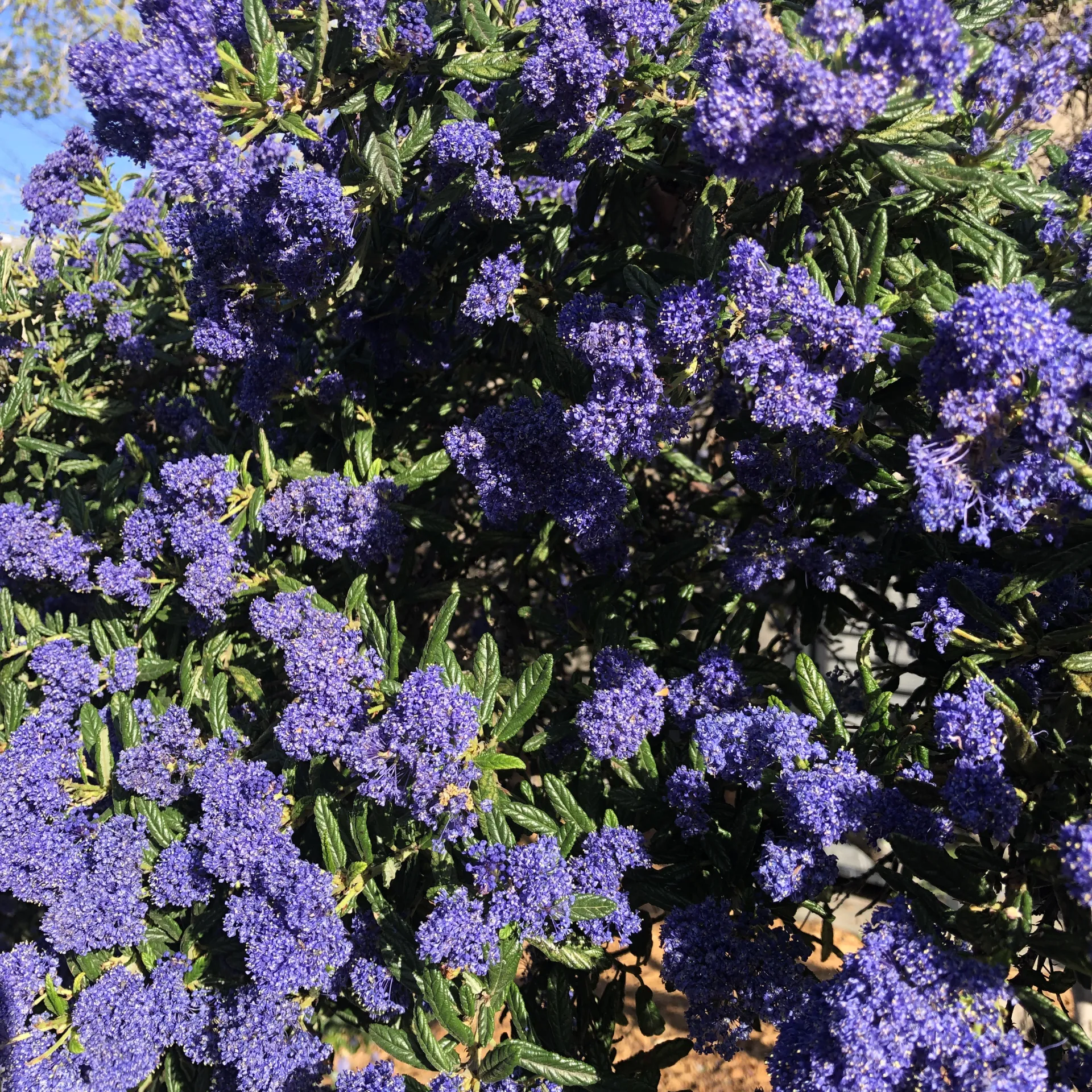
- Many California native plants are quite large, so they may not work in a small garden. But there are many smaller natives that are quite valuable: smaller cultivars of ceanothus and manzanita, which bloom early; California fuchsia, which provides food and flowers in the “dog days” of August and September; Hooker’s Evening Primrose, which provides lots of seed; yarrow, a sturdy staple that grows in many soils; Ribes, frequently called currant or gooseberry, which hosts many caterpillars); and beach strawberry, if you have the sandy soil it prefers.
- Native plants and insects are healthier for birds than a bird feeder. When birds congregate at feeders, they may be sharing diseases as well as food and water, which can become contaminated. Bird feeders can also be messy and draw squirrels and other rodents.
- The California Native Plant Society provides excellent tools for selecting plants for your native garden. Calscape is a comprehensive database of California native plants with excellent search and filter tools. The Calscape Garden Planner, a simple planning tool, can give you a head start in selecting plants native to your area.
When selecting plants, keep in mind the sun/shade exposure, climate, soil type and size of the place you plan to put the plant. Natives' needs differ, and the tools listed above can give you information on what the plant you are considering needs.
Image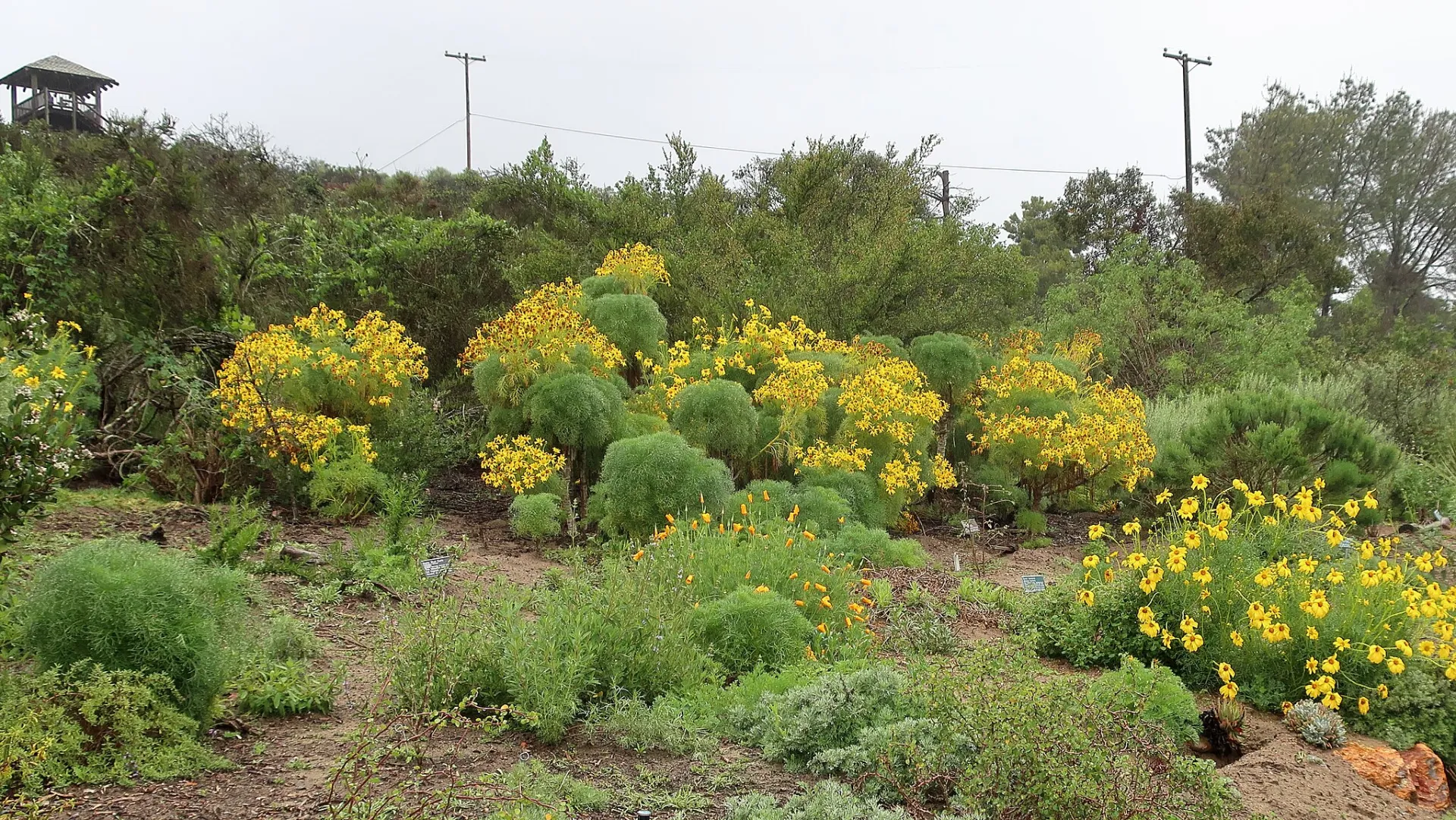
Giant Coreopsis, California Poppy and other plants in SD Botanical Garden native plant garden. (Photo: cultivar413, CC BY 2.0, via Wikimedia Commons)
Provide Various Kinds of Shelter
Plant diversity is important. Including a variety of plants of different sizes and shapes provides areas where a variety of birds can build nests and raise their young, rest, and avoid predators. Some birds prefer dense native trees and bushes, others prefer open-branched plants. Try to have a variety of vertical levels, to meet the needs of multiple species. Clumping grasses provide sheltered places for ground-nesting birds. Where you can, leave the leaves where they fall to provide insect habitat. Native bees nest in open ground, so leave some open space for them. Remember, we need insects for birds to thrive.
Sustainable gardening practices
Pesticides and free-roaming cats both threaten birds.
- Pesticides kill the insects and invertebrates that birds and other wildlife need, depriving them of food that they need. In addition, some directly harm birds. A 2024 meta-analysis of 49 studies shows that neonicotinoid pesticides harm bird health, behavior, reproduction, and survival
- Allowing cats to roam your yard freely also presents challenges to birds. The American Bird Conservancy estimates that cats kill approximately 2.4 billion birds in the US each year. Domestic cats are also safer and healthier when they remain inside. Cats outdoors suffer a higher incidence of injury, parasites and diseases than cats kept in.
Water Source
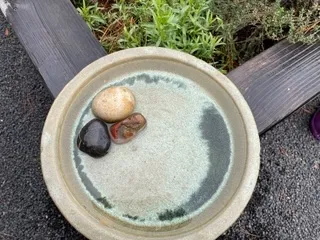
Birds need a constant and reliable source of water.
- Moving water is better than still water, because it mitigates mosquito problems. Mosquitos don’t lay eggs in moving water. A submersible recirculating pump will keep the water moving and minimize water usage.
- For a water vessel, a shallow bowl with rocks or ledges for perching is great. Including perching places at different heights will allow different sizes of birds to use the water.
- Place the bird bath as high as is convenient for you (since you’ll be moving it frequently to clean it), near permeable cover like thin overhanging branches, if possible, and away from places where predators can hide.
In all cases, be sure to clean the vessel and any perches and supply new clean water every few days. Here’s how to clean your bird bath.
Birds for Pest Control
While birds can become pests, birds can also provide pest control. Studies have shown that birds (particularly nuthatches and woodpeckers) help control codling moths in walnut orchards. Adding birds into an orchard pest control system already using natural enemy insects reduced codling moth larvae by 46% compared to the 11% reduction using beneficial insects alone. Raptors like hawks and owls feed on rodents and help reduce rodent damage in farms and vineyards. Crows, swallows and chickadees also eat lots of insects, assisting in pest control.
Is there a Downside to Birds in the Garden?
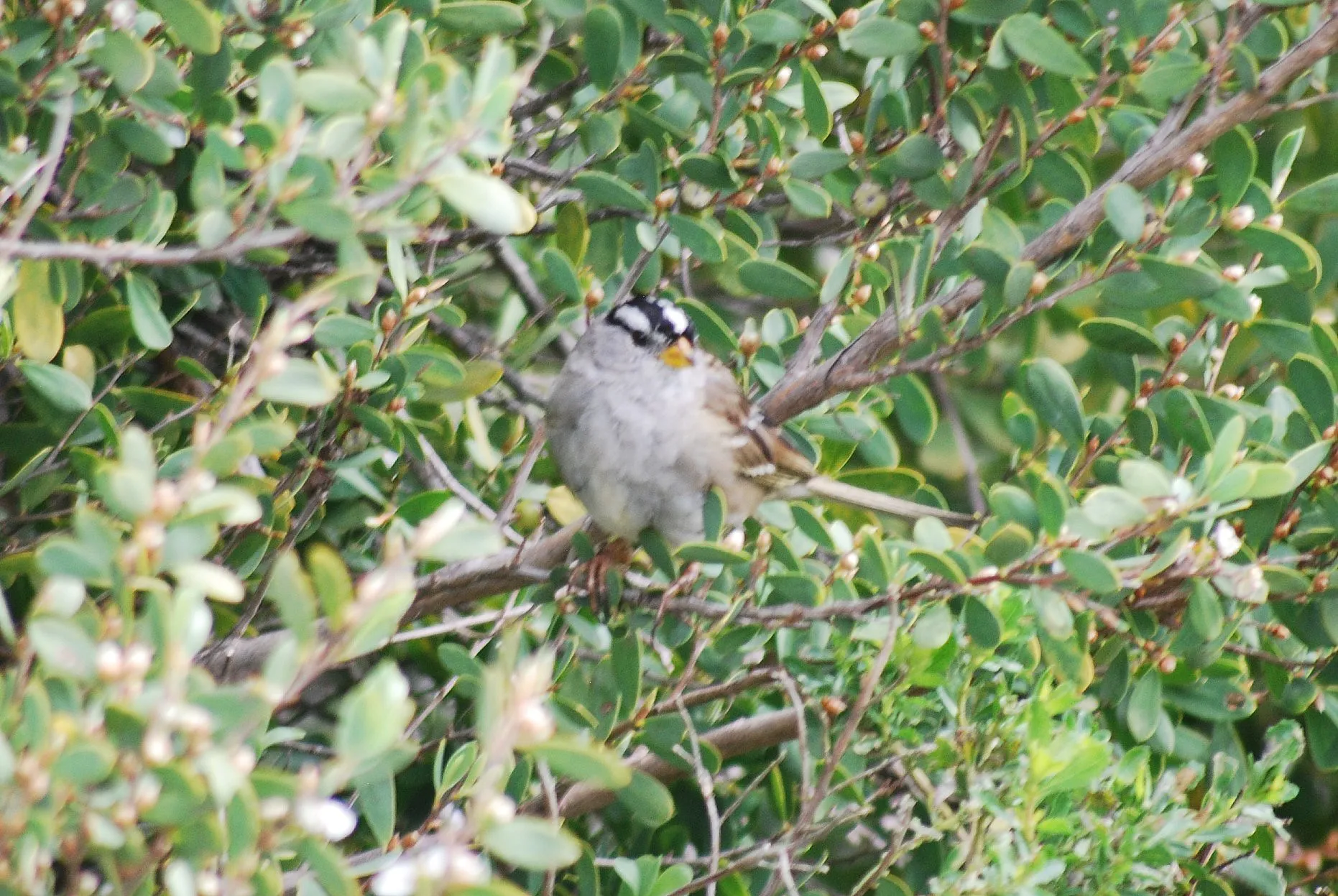
Perhaps. If you also grow edibles, you may find yourself sharing your homegrown produce with the birds. (This sometimes happens, of course, even if you didn’t encourage the birds.) Berries, stone fruit and other fruits seem to be particular bird targets. Young vegetable seedlings are also susceptible to birds feeding on them. From experience, I can say that the birds in my garden particularly enjoy ripe blueberries and lettuce seedlings. Common bird pests include many of our common backyard birds: white- and golden-crowned sparrows, house finches, robins and bluebirds, as well as crows and scrub jays.
- One way to address the issue is to grow enough to share, particularly if you have a large fruit tree that produces more than you can eat or you have room to plant additional vegetables.
- According to University of California Integrated Pest Management the most effective way to reduce bird damage to small numbers of fruit trees is bird netting. Bird netting is ¼ to ½ plastic mesh placed over the tree. The best way to use it is to attach the netting to a frame that holds it taut and away from the plant. This method has high initial costs and is time consuming to set up, but it is very effective and the netting can be reused. Another caution is that birds have been known to get tangled in bird netting. Checking the netting frequently to make sure no birds have been entangled and keeping the netting taut can help mitigate this danger.
- Chemical repellants are also available. Repellants that contain methyl anthranilate are registered for fruit on some edible fruits. They typically have tastes or odors that birds find objectionable. Some studies indicate that these are effective, and other studies show little effectiveness.
This UCIPM Pest Note provides additional information on these and other tactics, including the need to rotate your repellant methods because birds rapidly become accustomed to any single tactic.
Birds add beauty and joy to the world, and are a vital part of our ecosystem. Human impact on the earth has challenged birds, decreasing their numbers and endangering species. Those of us who have a little outdoor space can build that space into a bit (or more) of habitat, doing our part to assist them. Providing a variety of native plants that provide food, as well as offering sheltered sites and a source of water and using sustainable gardening practices provide birds with the habitat they need. Every bit of habitat helps.
Resources
Why natives?
New York Times Op-Ed by Doug Tallamy: The Chickadee’s Guide to Gardening,
Golden Gate Bird Alliance: Backyard Birds Habitat
Selecting Natives
Bringing Back the Natives, San Francisco Bay Area: Native Bay Area Plants by number of species of butterflies and moths laying eggs on them
California Native Plant Society:
- CNPS CalScape Garden Planner
- Selecting and Caring for Native Plants
- CalScape Database of Native Plants
- Year round color in a native garden
Resources from the Master Gardeners
Alameda County:
California Native Plants and Your Garden: a Plant Community Approach
Planting California Natives: The Time is Now
Marin County:
Bird Baths
National Audubon Society: Why You should keep Your Birdbath Clean
Want to Learn More?
This blog post is brought to you by the Help Desk of the UC Master Gardeners of Alameda County. Subscribe to our blog!
Have a Gardening Question? We'll Help.
Visit our Help Desk page to submit your question and see additional ways you can reach us.