
Rainy November leads to robust winter weeds
So far it’s been a wet fall here in the Central Valley. As of the last week of November, the Fresno/Madera area had received over 4 inches of rain. The normal amount of rainfall in this area in late November is 1.15 inches; last year’s amount was 0.29 inches.
The good news is that root systems for the plants and trees in our gardens have gotten a good soaking before they enter winter dormancy this month. The bad news is that cool-season weeds got an early start this season. Cool-season weeds, which usually germinate in late winter and early spring, are already rapidly growing larger than the two- or three-leaf size that makes them easier to cut off with a wiggle hoe. Colder temperatures in December will halt or slow weed growth but not stop it.
Weed control to remove or eradicate cool-season weeds while they are small and before they set flowers should begin now. Consistent weekly use of a wiggle hoe to cut off small seedlings will eventually control many weeds even though the cut stems may produce new leaves once or twice again. Damp soil makes it easier to hand pull or use a trowel or a spading fork to lift up weed root systems to effectively remove the entire plant. If soil has dried, pre-soak before weeding.
Henbit, fillaree and yellow wood sorrel (Oxalis stricta) are the most prevalent annual weeds sprouting right now. All are self-seeding, meaning that the seeds were produced in previous seasons and that the seeds have lain dormant on the soil or mulch surface until germinating this fall.
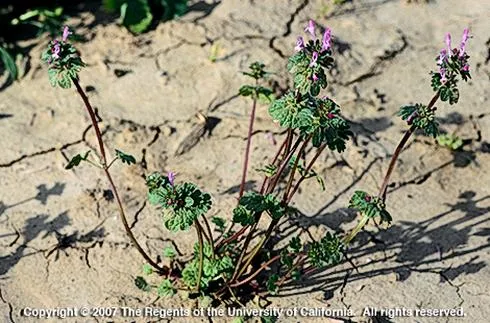
Henbit first appears with 1/2-inch leaves that resemble geranium leaves. Its immature root system is fairly easy to hand pull before the weed has flowered and when the soil is soft. If left to grow larger, the stems will root where they touch the soil making it harder to pull out the entire plant.
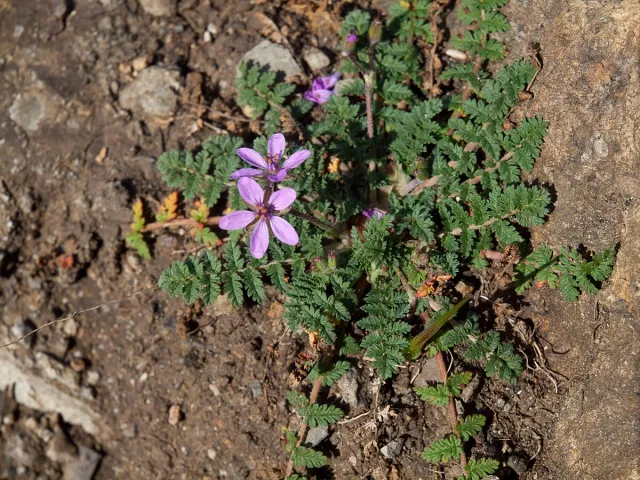
Fillaree is a low-growing broadleaf weed with small fern-like leaves and thin roots when young. Because the rosettes of fillaree leaves grow low to the ground, weed-whackers are ineffective. Use a trowel or spading fork to try to lift the entire root system of small fillaree plants.

Yellow wood sorrel has a fibrous tangled root system that easily breaks off in pieces when hand pulled. The root pieces often have nodes that will reproduce the plant. It’s almost impossible to eradicate yellow wood sorrel without resorting to herbicide applications. Use a spading fork to lift out clumps as gently as possible. Cut down yellow wood sorrel stems before they flower. The spent flowers produce dry seed pods that spit out seeds when touched and those seeds can travel several feet from your neighbor’s yard into your own.
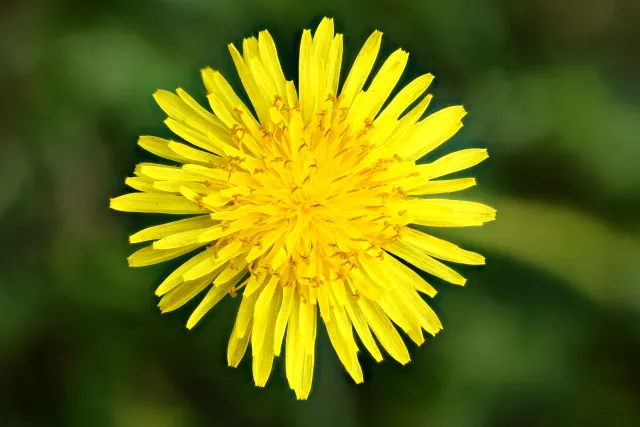
Dandelions are self-seeding perennials that can live and flower for years in the garden. They have a long flowering season from early spring through summer and early fall. Their easily identifiable low-lying, lance-shaped leaves are obvious now. Dandelions will regrow from a long, strong taproot unless the entire taproot is removed when weeding. Again, a spading fork with its longer tongs works best to lift out the tap root.
________________________
Written by UC Master Gardener Elinor Teague