
Your Garden is Speaking. Are You Listening?
By David Shubin, ISA Certified Arborist and UC Master Gardener of Napa County.
Fall in Napa Valley brings that familiar mix of cool air and golden light and, for many of us, the instinct to start cleaning up. Out come the rakes, clippers and green bins. It feels good to set things right. But before you clear every leaf and prune every branch, take a moment to look around. The garden is already doing its own cleanup. Leaves drop, microbes get busy, and the soil quietly starts rebuilding itself for spring. The tiny workers are already tidying up. Our job is simply to notice what they’re doing and try not to undo all their hard work.
Most garden problems come from plants not getting what they need. We often try to make our yards bend to our will. We want them shady when they’re naturally sunny, green when they’d rather rest, lush when the climate says, “Absolutely not.”
When we fight nature, plants get stressed, and stressed plants basically hang up a “pests welcome” sign. That’s why the best pest control isn’t about reacting. It’s about preventing. UC Integrated Pest Management (UC IPM) calls this approach “risk mitigation,” which is just a fancy way of saying: pay attention to the small stuff. Leaf color, growth rate, soil moisture, insect activity. All these clues tell you whether your garden is cruising or crying for help.
Leaves aren’t just seasonal clutter. They’re nature’s version of a cozy blanket and buffet rolled into one. In the wild, fallen leaves insulate roots, protect the soil and slowly release nutrients. When we haul them all away, we strip the garden of its natural defense system. That doesn’t mean you should let them pile up like a forest floor. It’s all about balance. Healthy leaf litter under trees and shrubs keeps soil structure strong and moisture steady. But if you’ve battled fungal issues like peach leaf curl, rust or black spot, those sick leaves should definitely go. UC IPM says sanitation is one of the most effective ways to reduce disease pressure. So clean selectively, not obsessively.
Your garden is constantly whispering little secrets if you pay attention. A yellow leaf might mean a nutrient is missing. Sticky residue on citrus? Probably aphids or scale having a party. Mushrooms popping up? Could mean your soil is rich… or that something funky is happening underground.
Observation is your best tool. Set up a chair and observe a section of your garden for a few minutes every day. Peek under leaves. Touch grass. Notice colors and textures. The more you observe, the earlier you’ll catch problems before they get out of control. If you’re stumped, the UC Master Gardener Help Desk is like a free detective agency for plants. You can also reach out to garden consultants or your county’s AG department. Learning to “read” your garden turns worry into wonder.
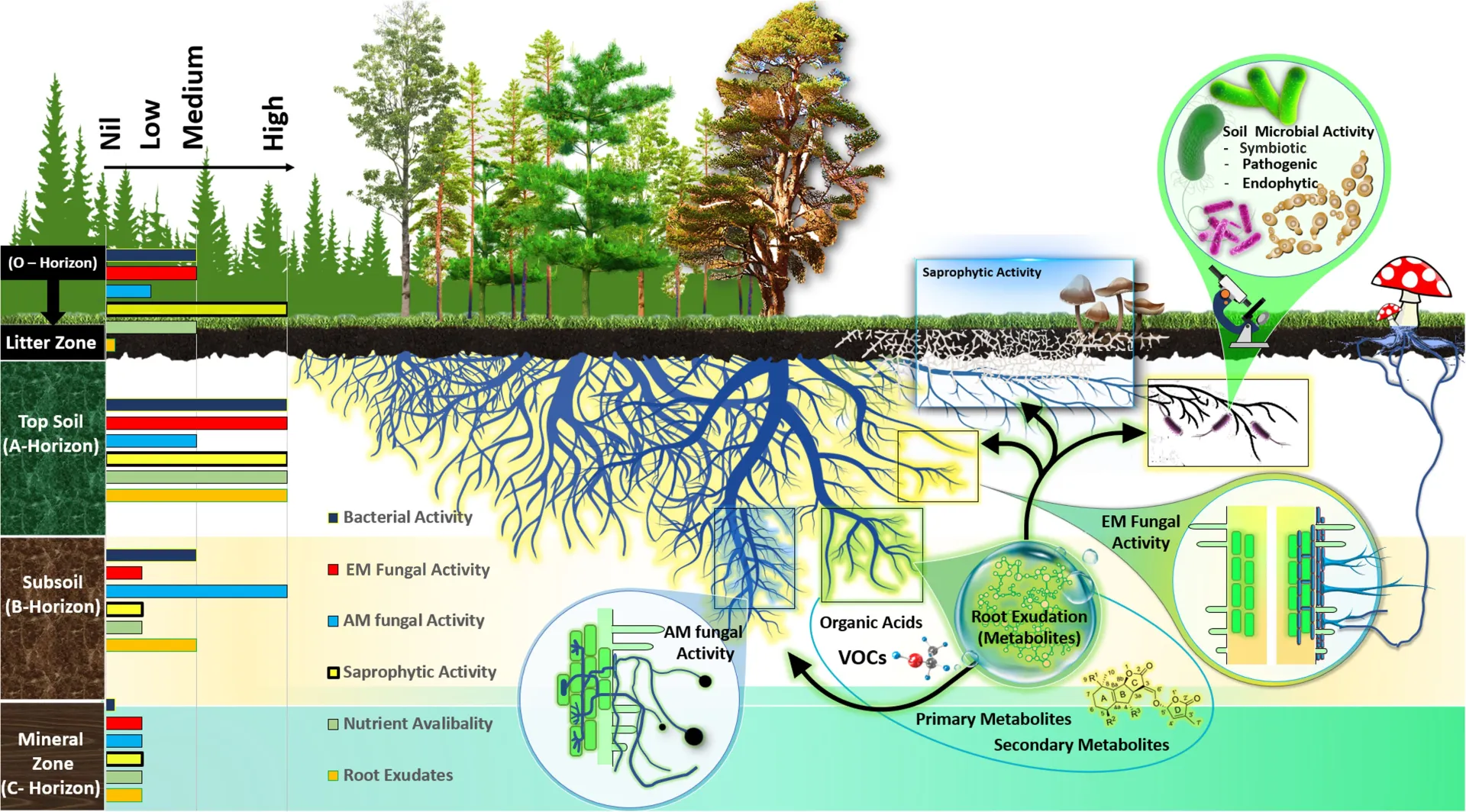
Under that crunchy layer of leaves and mulch, there’s a tiny metropolis at work. The city is alive with worms chewing moldy leaf matter, beetle larvae tunneling through soil and native bees tucked inside rolled-up leaves. When you rake every inch bare, you sweep away more than just leaves. You sweep away your garden’s first line of defense. Napa Valley’s gentle winters let helpful insects hang close to the surface, ready to pounce on insect pests when spring rolls around.
If you like things neat, mulch is your new best friend. It locks in moisture, feeds the soil and gives microbes and insects a nice place to hang out. If you spot a lizard basking on your wall or a spider repairing her web after the rain, that’s your sign things are in balance. You can’t control everything that shows up, but you can send out plenty of invitations to insects, pollinators and birds.
Cleanup isn’t about conquering your garden. It’s about teaming up with it. The best gardeners aren’t control freaks, they’re great listeners. The garden already knows what to do. Our job is to tune in, make small adjustments and learn as we go. Not knowing is the first step to knowing, and once you start noticing the clues, the whole system starts to click. You can’t control everything that drifts into your yard, but you can welcome a whole lot of good energy. The healthier your soil, the happier your ecosystem, and the fewer problems you’ll have to chase down.
Workshop: Join UC Master Gardeners of Napa County for a workshop on “Winter Rose Care” on Saturday, January 10, from 10 am to noon, via Zoom. The workshop will highlight pruning techniques for all rose types, along with everything needed to make your roses a success. Reserve here to receive the Zoom link.
Workshop: Join UC Master Gardeners of Napa County for a workshop on “Starting Your Own Vegetable Seedlings” on Saturday, January 10, from 2 pm to 4 pm, at UC Cooperative Extension, 1710 Soscol Avenue, Napa. We’ll cover all the basics, including proper moisture, temperature and light for successful seed starting, and care of seedlings until they are ready for transplant. We provide some seeds, containers and soil; bring your own seeds if you like. Reserve here.
Help Desk: The Master Gardener Help Desk is available to answer your garden questions. Use our online Plant Problem Help Form or email us at mastergardeners@countyofnapa.org. Include your name, address, phone number and a brief description of the problem. You can also visit us in person on Mondays and Fridays from 10 am until 1 pm at the University of California Cooperative Extension Office, 1710 Soscol Avenue, Suite 4, Napa.