
A visit to the Royal Botanical Gardens, Kew
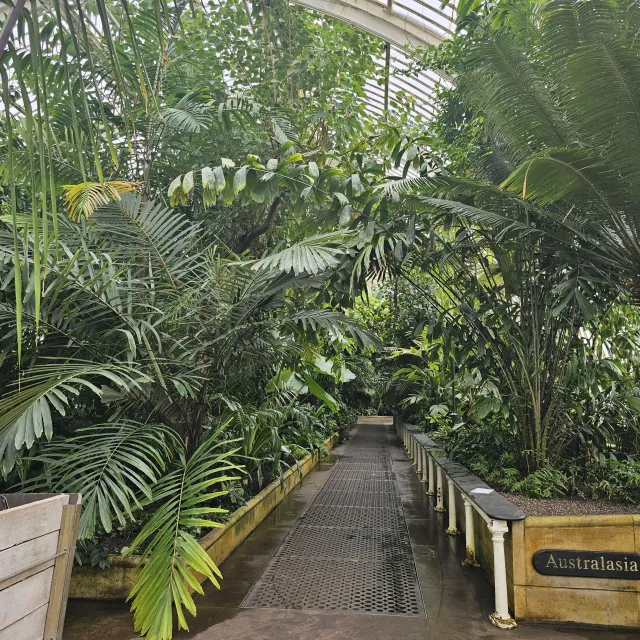
In October 2025, I visited the Royal Botanical Gardens, Kew. Located in a London suburb, it is a showpiece for British Royalty with many foreign gifts (including a great pagoda!). It is also a World Heritage Site with seven world records. At 330 acres, it is one of the largest botanical gardens in the world. On some lists, it is the largest.
The Kew’s roots go back to 16th century nobility. It was acquired by the Prince of Wales in 1731 and nationalized in 1840.
The garden’s collection includes more than 50,000 living plants representing 16,900 species, including 11,000 trees. It has 19 living collections. The Kew has one of the largest herbariums in the world with over 8.5 million preserved plants and fungus specimens. They are proud of their 750,000-volume library and more than 175,000 prints. It has been a major contributor for centuries to botany and fungal research. With 580 scientific staff, it boasts dedicated departments for species identification, biodiversity informatics, comparative plant and fungal biology, among others. It has been a leader in plant diversity, conservation and sustainable development for centuries.
The layout for the garden is huge, with 26 buildings and 26 gardens. I can only share a small part of it in a blog.
The Palm House is a 362-foot long and 62-foot high tropical greenhouse containing more than 1,000 plant species, including many that are extinct in the wild. It is hot and very humid inside, but walking through it is amazing as you see plants from many countries.
The Temperate House is 628 feet long, 92 feet wide and 62 feet high. It contains more than 1,200 species with over 10,0000 plants. It is the largest surviving Victorian greenhouse in the world. The architecture is intriguing, and the variety of plants is fascinating.
I enjoyed seeing the detailed plant art prints and drawings in the Shirley Sherwood Gallery of Botanical Art and the Marianne North Gallery.
The Children’s Garden is about two acres. It is designed for 2- to 12-year-olds. Teaching areas include Earth, Air, Sun and Water, with play elements designed into it, along with a separate playground.
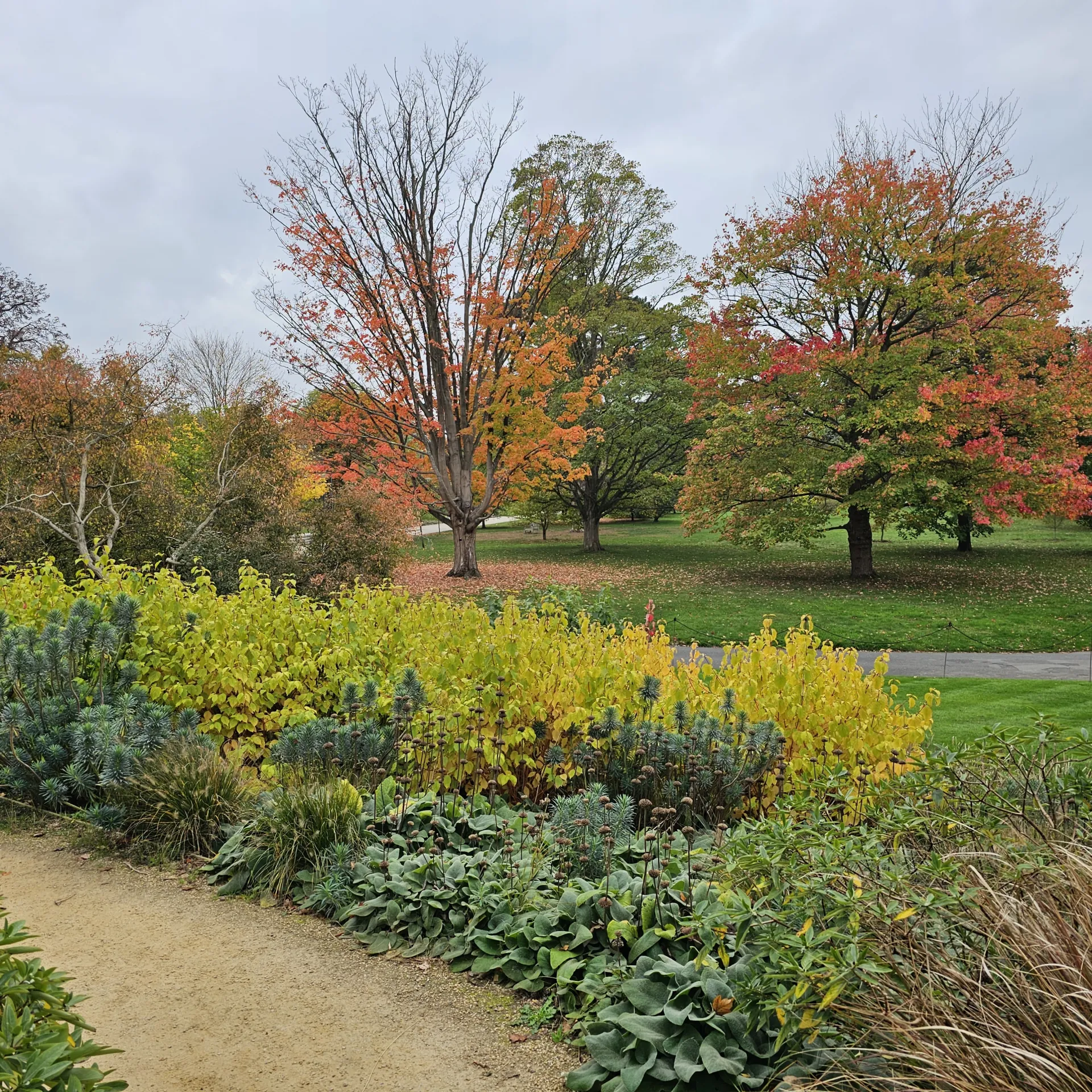
I could spend the entire day there. Even in October, there were plants and trees in bloom. I was overwhelmed with the experience and would do it again. There's lot of nature to explore and learn.
_______________________________
Written by UC Master Gardener James Miser