
Flood Preparedness for Farmers
Floods are naturally occurring phenomena in California. They may occur due to weather events like rain, hail, or snowmelt. Sometimes multiple natural hazards, for example, a storm after a wildfire can cause flooding and contamination if burn scars turn into mudflows with debris and ash affecting nearby waterways. Roads may be impacted or homes put in additional peril. However, changes to the local environment like new construction or failure of existing infrastructure can also cause flooding.

All regions of California are at risk of flooding even amidst persistent drought conditions.
According to the CA Department of Water Resources: “All 58 counties have experienced at least 1 significant flood event in the past 25 years.” And according to FEMA: “…99% of counties in the US experienced a flood in the past 20 years.”
Farms and other agricultural operations are at expanded risk for damage during floods as the combination of people, infrastructure, equipment, and commodities (whether crops, forage, and/or livestock) requires much action.
Know your risk of flood.
The type of flooding, its timing, and impacts are often local. Below are some resources that may help you better understand your risk and/or susceptibility to flooding.
- The California Office of Emergency Services (CalOES) has an online tool called MyHazards which allows you to type in an address and learn more about your risk to flooding, wildfire, and/or earthquake. It also includes a checklist of things to do to reduce your risk. Are you aware of all the potential hazards closest to you?
- Additionally, become familiar with your designated County Office of Emergency Services’ to learn more about local disaster alerts, preparation, and resources before an emergency occurs.
- FEMA’s Flood Map Service Centeris the official public source for flood hazard information - including if you live in a “Special Flood Hazard Area” and eligibility for the National Flood Insurance Program (NFIP).
- Stay up to date on weather patterns in your area. The National Weather Service has an online tool to locate your local forecast and any related warnings based on City and ZIP code.
Make a plan, have a plan, and communicate your plan.
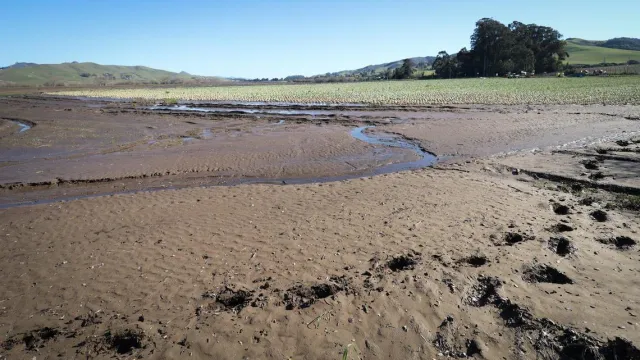
Preparation requires farmers, their staff, and/or family members be aware of their roles and responsibilities in case of a storm before the event(s) occur. Review and update your emergency plans annually, and make sure the information is accessible and communicated to everyone who is involved.
- FEMA has an all-hazard template for families and communities to prepare for floods and other disasters available at Ready.Gov.
- For dairy operations - the WIFSS-CDQAP and partners have developed the Flooding & Livestock Owners: Preparing, Responding, and Recovering document for ranchers, with a summary and update in 2023.
- For other farm operators – the University of Connecticut Extension has created a factsheet with Key Strategies for Flood Preparednesson farms.
Flood Insurance
Standard home insurance does not usually cover flooding.
- For more information about flood insurance for your home, visit FEMA’s Flood Insurance resource page.
- For flood insurance to cover your farm, crops, or livestock – consult the USDA Farm Service Agency’s resources here. Under certain circumstances, federal and/or state programs may also be announced.
- After 2023’s heavy rains, CDFA put together a list of resources for Flood Recovery.
Post Storm Food Safety Guidance
After a storm, growers with concerns around contamination may consult the factsheet developed by the UC Small Farm Food Safety team, available here.