
Why Your Garden Needs a Perennial Food Forest
The Case for the "Lazy" Harvest:
Why Your Garden Needs a Perennial Food Forest
By Master Gardener Delise Weir, all photo credit: Delise Weir
Imagine a garden that wakes itself up in the spring, feeds itself through the summer, and grows more productive the less you mess with it. That is the promise of a perennial food forest.
By adopting the principles of permaculture and no-till agriculture, you stop fighting nature and start partnering with it. Here in our Zone 9 coastal climate, our long growing season and mild winters make us the perfect candidates for this low-maintenance approach, and now is the best time to plant many perennial food crops.
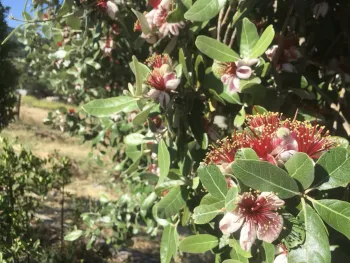
The Zone 9 Perennial Palette
Perennial food crops (those lasting three years or more) are the backbone of a resilient garden. In our climate, we have a massive range of options that bridge the gap between "wild" and "cultivated."
Fruit and Nut Trees & Shrubs
Any and all fruit or nut trees, including olives, avocados, feijoas, and mulberries, make great additions to a perennial food garden.
Berries, Climbers, and Natives
Zone 9 is perfect for berries, though some (like blueberries) may require acidic soil amendments.
Berries: Strawberries, blackberries, raspberries, Marionberries, Boysenberries, huckleberries, and Goji berries.
Perennial California Natives: Prickly pear cactus, honey mesquite, currants, gooseberries, and elderberries (remember: only eat elderberries cooked!).
Climbing Fruits: Kiwi, grapes, and passionfruit.
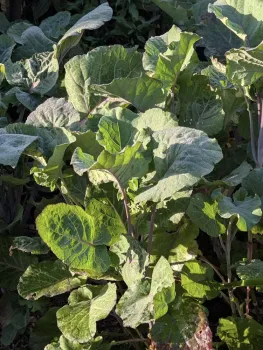
Greens and "Strange" Roots
Forget the grocery store; these plants offer flavors you simply cannot buy.
The Classics: Rhubarb, artichoke, horseradish, and asparagus.
The Resilient Greens & Roots: Tree collards, sunchokes (Jerusalem artichoke), sorrel, rocket, perennial leeks, and New Zealand spinach.
Nutritious "Weeds": Miner’s lettuce, stinging nettle, purslane, chickweed, dandelion, and plantain.
Herbs and Subtropicals
In Zone 9, we can lean heavily into Mediterranean and subtropical varieties.
Fruit/Nuts: Olives, avocados, feijoas (pineapple guava), mulberries, and citrus.
Climbers: Kiwi, grapes, and passionfruit.
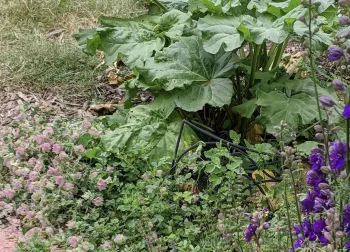
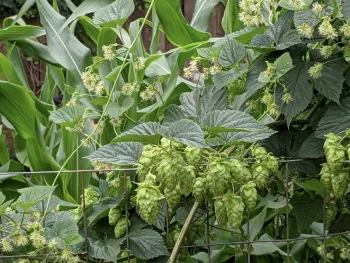
Herbs: From "woody" Mediterranean staples like rosemary, sage, oregano, and thyme to the curious Egyptian walking onions. Don’t forget fennel, lovage, comfrey, chicory, hops, lemon balm, tarragon, and a host of mints.
This is just a small selection; you’ll be surprised how many perennial food plants you can find once you start searching.
How to Plan Your Perennial Paradise
A diverse food forest is most productive when designed in layers. Before you dig, consider these pillars of planning:
Think in Layers: To maximize your Zone 9 footprint, mimic the structure of a natural forest and consider the mature size of your plants. Note the orientation of the sun and any shade-casting structures in your yard. Start with the tallest canopy layer (trees) and move downward to include shrubs, herbs, and ground cover, all the way down to subterranean root crops.
Location is Forever: Perennials are a long-term commitment. Moving a five-year-old avocado tree is a heartbreak waiting to happen. Map out your sun exposure and water access carefully. Remember: Mature size matters. That tiny sapling will eventually need a 15-foot radius; give it the "personal space" it needs now to prevent overcrowding later.
Transition Over Time: There is no need to rip out your existing beds and make a major change all at once. Add a tree or shrub every year with some perennial understory companions to transition your labor-intensive garden beds over time. Because perennials take more time to reach harvest maturity than annuals, keeping a mix of both is helpful. You can always tuck fast-growing annuals in between perennials for a quick payback.
Some Care Required
While these systems are "low-maintenance," they are not "no-maintenance." These are living plants that require attention throughout the 12-month cycle. Depending on the species, they will still need water, food, pruning, and occasional pest control.
Some plants go dormant in the winter, so don't forget to label the spot where you planted them! Research the specific needs of each plant; for instance, cane berries, mint, and chives can become invasive if their growth is not managed. Remember that many perennial plantings require a year or more to fully establish before they become truly productive.
Worth the Investment
You should find bare-root trees, berries, and shrubs at your local nurseries right now. While the upfront cost and wait time might seem daunting compared to a packet of seeds, the dividends—both on your plate and in the health of your land—are paid back for decades. Start small, plant one "anchor" tree this season, and watch as your backyard transforms into a self-sustaining pantry that grows more beautiful and bountiful with every passing year.
| This checklist is designed specifically for the unique rhythm of USDA Zone 9. Because our "winters" are short and our summers are long and intense, the timing for pruning and feeding is crucial to prevent heat stress and maximize harvests. |
Zone 9 Perennial Food Forest: Annual Maintenance Checklist
Winter (December – February)
Focus: Planting, Pruning & Dormant Care
- [ ] Plant Bare-Roots: This is the prime window to plant bare-root fruit trees, berries, grapes, and roses while they are dormant.
- [ ] Prune Deciduous Trees: Prune apples, pears, and stone fruits (peaches, plums) to improve structure and air circulation.
- [ ] Manage Berries: Cut back spent "floricanes" (canes that fruited last year) on blackberries and raspberries.
- [ ] Winter Mulching: Apply a thick 3–4 inch layer of wood chips or straw to protect soil biology from occasional frost.
- [ ] Dormant Spray: If you had issues with "Peach Leaf Curl" or scale last year, apply organic dormant oil or copper spray before buds swell.
- [ ] Feed Asparagus: Top-dress asparagus and rhubarb beds with 2 inches of well-rotted compost.
Spring (March – May)
Focus: Feeding, Planting Subtropicals & Mulching
- [ ] Feed the Heavies: This is the most important time to fertilize Citrus and Avocados. Use a high-nitrogen organic fertilizer.
- [ ] Plant Subtropicals: Once the danger of frost has passed (usually mid-March), plant your citrus, avocados, feijoas, and passionfruit.
- [ ] Chop and Drop: Cut back Comfrey or cover crops just as they begin to flower and leave the leaves on the ground to decompose as natural fertilizer.
- [ ] Thin Fruit: If your stone fruit trees are overloaded, thin the fruit to 4–6 inches apart to prevent branch breakage and ensure larger fruit.
- [ ] Check Irrigation: Ensure your drip lines or basins are clear before the first heat wave hits.
Summer (June – August)
Focus: Water Management & Light Pruning
- [ ] Deep Water: Shift to deep, infrequent watering. Ensure your fruit trees are getting water deep into the root zone, not just on the surface.
- [ ] Summer Pruning: Prune overly vigorous water sprouts on fruit trees to keep the canopy manageable and allow light to reach the interior.
- [ ] Harvest & Process: Peak season for berries, stone fruit, and grapes.
- [ ] Protect the Trunk: For young trees, apply a 50/50 mix of white interior latex paint and water to the trunks to prevent "sunscald."
- [ ] Manage Invasives: Thin out Mint and Lemon Balm if they are encroaching on slower-growing neighbors.
Autumn (September – November)
Focus: Soil Building & Division
- [ ] Refresh Mulch: As summer mulch breaks down, add another layer to keep soil temperatures stable as we head into winter.
- [ ] Divide Herbs: Dig up and divide over-crowded clumps of chives, perennial leeks, and lemongrass.
- [ ] Plant Natives: Fall is the best time in Zone 9 to plant California Natives (Elderberry, Currants) so they can establish roots during the rainy season.
- [ ] Feed Citrus: Give citrus one final, lighter feeding of potassium-rich fertilizer to help with fruit development and winter hardiness.
- [ ] Clean Up: Remove any "mummy fruit" (shriveled fruit left on the tree) to prevent fungal spores from overwintering.
Quick Reference: The "Feed" List
- Citrus: Feed 3 times a year (Jan/Feb, May/June, Sept).
- Avocados: Feed monthly from March through October (small amounts).
- Berries: Feed once in early spring as leaves emerge.
- Vegetables (Artichoke/Asparagus): Feed heavily with compost in late winter.