
The Neglected Nutrient: Why it’s time to shift the conversation from protein to fiber
You have likely seen nutrition headlines or social media influencers focusing on “healthy fats” and high-protein diets. Those nutrients are important—but the truth is that most Americans already meet or exceed the recommended amounts, and increasing intake could actually have negative impact on health.
Fiber, on the other hand, is a different story. The vast majority- about 95%- of Americans don’t get the recommended daily amount of fiber. That makes fiber one of the most overlooked nutrients in our diets today. Additionally, racial and ethnic disparities in fiber intake have only widened over time, with people identifying as non-Hispanic Black reporting the lowest levels. With that in mind, it’s time to give this hardworking nutrient the attention it deserves.
What Is Fiber?
Fiber, found only in plant foods such as whole grains, fruits, vegetables and legumes, serves numerous important functions. Fibers are carbohydrates that our bodies cannot digest, and can be either soluble (dissolves in water) or insoluble. Soluble fiber plays a crucial role in regulating blood sugar and blood cholesterol levels. Insoluble fiber assists in moving food through the gastrointestinal tract.
Within each category, there are numerous specific types and they all play important roles in keeping our bodies healthy.
Fiber and Your Health
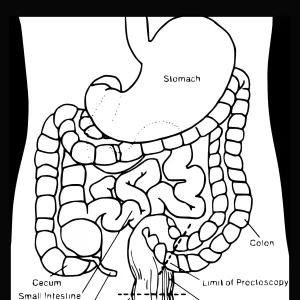
Adequate fiber intake is associated with lower levels of chronic disease, such as heart disease, diabetes and cancer. One of the ways that fiber can keep us healthy is by feeding beneficial bacteria in our gut. Consuming a variety of fiber-containing foods creates the perfect environment for healthy microbes. These microbes digest the fiber that our own bodies cannot and break it down into smaller molecules known as “secondary metabolites”. The most well-studied metabolites are the short-chain fatty acids, which directly impact immune function and metabolism, and. Microbes also transform fiber into other important compounds such as amino acids, b vitamins, and neurotransmitters.
In short, when you eat fiber, you’re not just feeding yourself—you’re feeding the tiny helpers that keep your body healthy.
Simple Ways to Get More Fiber
So, how can you feed your gut bacteria and experience the health benefits of fiber? Here are some easy tips to meet the recommended 25-35 grams of fiber each day.
Go with the Grain
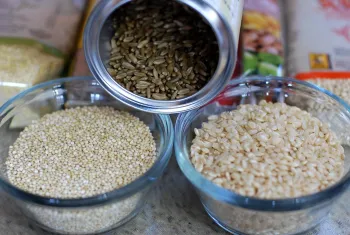
Trendy “grain-free” and "paleo" diets may unnecessarily cut out the important nutrients from whole grains, including fiber. Grains such as oats and barley are particularly good sources of soluble fiber and can improve heart health and help with management of diabetes. Even refined grains such as pasta and white rice contain a fiber called "resistant starch" if you cook them and then cool them overnight. Gluten free options include buckwheat, quinoa, brown rice, and corn.
Fill Half Your Plate with Produce
Fruits and vegetables are famous for vitamins and minerals, but they’re also excellent fiber sources. Eating a variety of produce helps support a healthy gut microbiome. Fresh, cooked, or blended all work well—just try to avoid juicing, which removes most of the fiber. Great fiber-rich choices include:
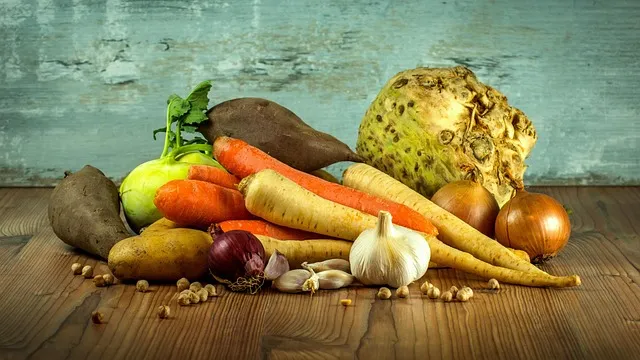
- Onions and garlic
- Leafy greens
- Apples and berries
- Carrots
- Slightly unripe (green) bananas
The Mighty Bean
Beans and other legumes may be the easiest way to hit your daily fiber goals. This group includes beans (black, kidney, garbanzo), lentils, soy foods, and peanuts.
If beans give you digestive discomfort, a few simple tricks can help. Soaking dried beans in water with a little baking soda for several hours before cooking can make them easier to digest. If you use canned beans, simply drain and rinse them. If you’re not used to eating legumes, start small and gradually increase the amount so your digestive system has time to adjust.
To get started, check out the great recipes at USA Pulses.
A Small Change That Makes a Big Difference
Fiber may not get as much attention as other nutrients such as vitamins or protein, but it plays a major role in keeping us healthy. From supporting digestion to feeding the beneficial bacteria in our gut, fiber helps the body work the way it’s supposed to.
Fortunately, consuming more fiber doesn’t require drastic changes. Choosing many of the same nourishing, whole foods that are encouraged for other health reasons- whole grains, fruits, vegetables, and beans- can make a real difference. So next time you plan a meal, think about where the fiber is coming from. Your body—and your gut microbes—will thank you.
References
Quagliani D, Felt-Gunderson P. Closing America's Fiber Intake Gap: Communication Strategies From a Food and Fiber Summit. Am J Lifestyle Med. 2016 Jul 7;11(1):80-85. DOI
Lin BH, Guthrie J. Over time, racial and ethnic gaps in dietary fiber consumption per 1,000 calories have widened. USDA Charts of Note. 2023 Mar 28. URL
Fiber. The Nutrition Source. Harvard TH Chan School of Public Health. Reviewed 2022 Apr. URL