
Sacramento Teens Increase Workforce Readiness, Civic Engagement and Health Equity
The Issue
Building a skilled workforce is essential for a strong economy and equitable society, which is why the University of California Agriculture and Natural Resources (UC ANR) prioritizes college and career readiness. Programs like the UC 4-H Youth Development Program (UC 4-H) provide valuable career exploration and preparation, but several barriers can prevent youth from participating. Families, especially in low-income communities, may lack access to transportation or have limited time to help their children participate in these programs. As a result, they miss critical opportunities to develop real-world skills, such as teamwork, problem solving and interpersonal communication, that influence future success. California’s youth need support and opportunities to thrive.
At the same time, volunteerism rates continue to decline. Encouraging teens to volunteer can strengthen their sense of purpose, responsibility, and connection while helping them see their ability to create meaningful change. These experiences foster civic engagement and help develop the next generation of active, community-minded citizens.
Nutrition is another critical factor in adolescent development, affecting brain health, disease risk, and long-term outcomes. Both undernutrition and overnutrition can have lasting negative effects.
How UC Delivers
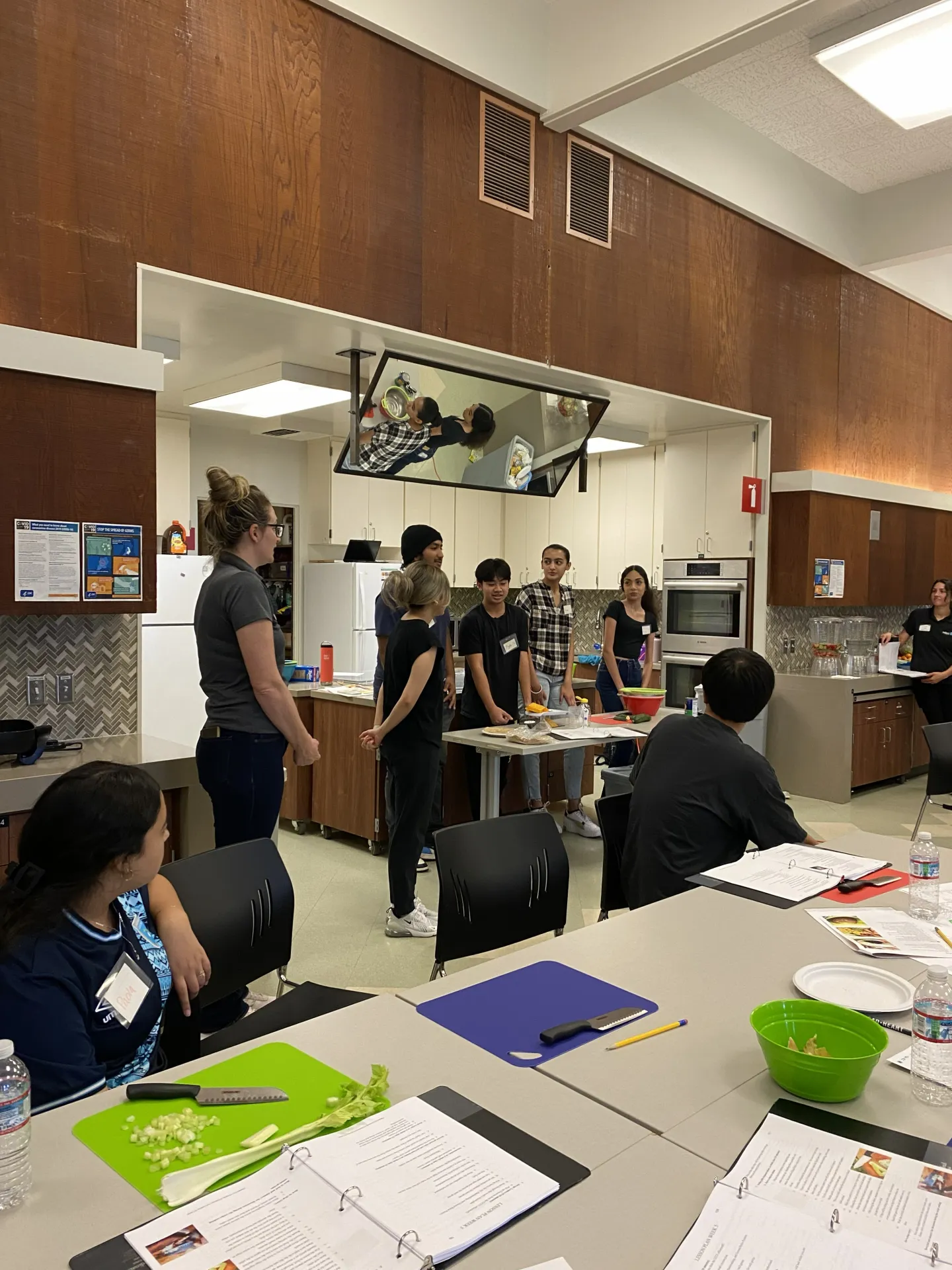
To address career readiness, civic engagement, and health, the CalFresh Healthy Living, UC (CFHL,UC) Program partners with the Expanded Food and Nutrition Education Program (EFNEP) and UC 4-H to deliver the Cooking Academy after-school enrichment program. Launched in Yolo County in 2016, and now expanded statewide, this after-school program provides teens with opportunities to build job skills, engage in community service, and learn healthy cooking while increasing access to 4-H in low-income and underserved communities.
Research shows that youth development programs like 4-H, which emphasize hands-on, real-world learning, improve self-confidence, teamwork, communication, and leadership, while strengthening social responsibility. Cooking Academy builds on these outcomes by combining workforce development with nutrition education.
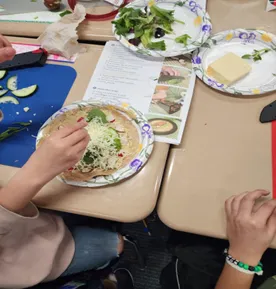
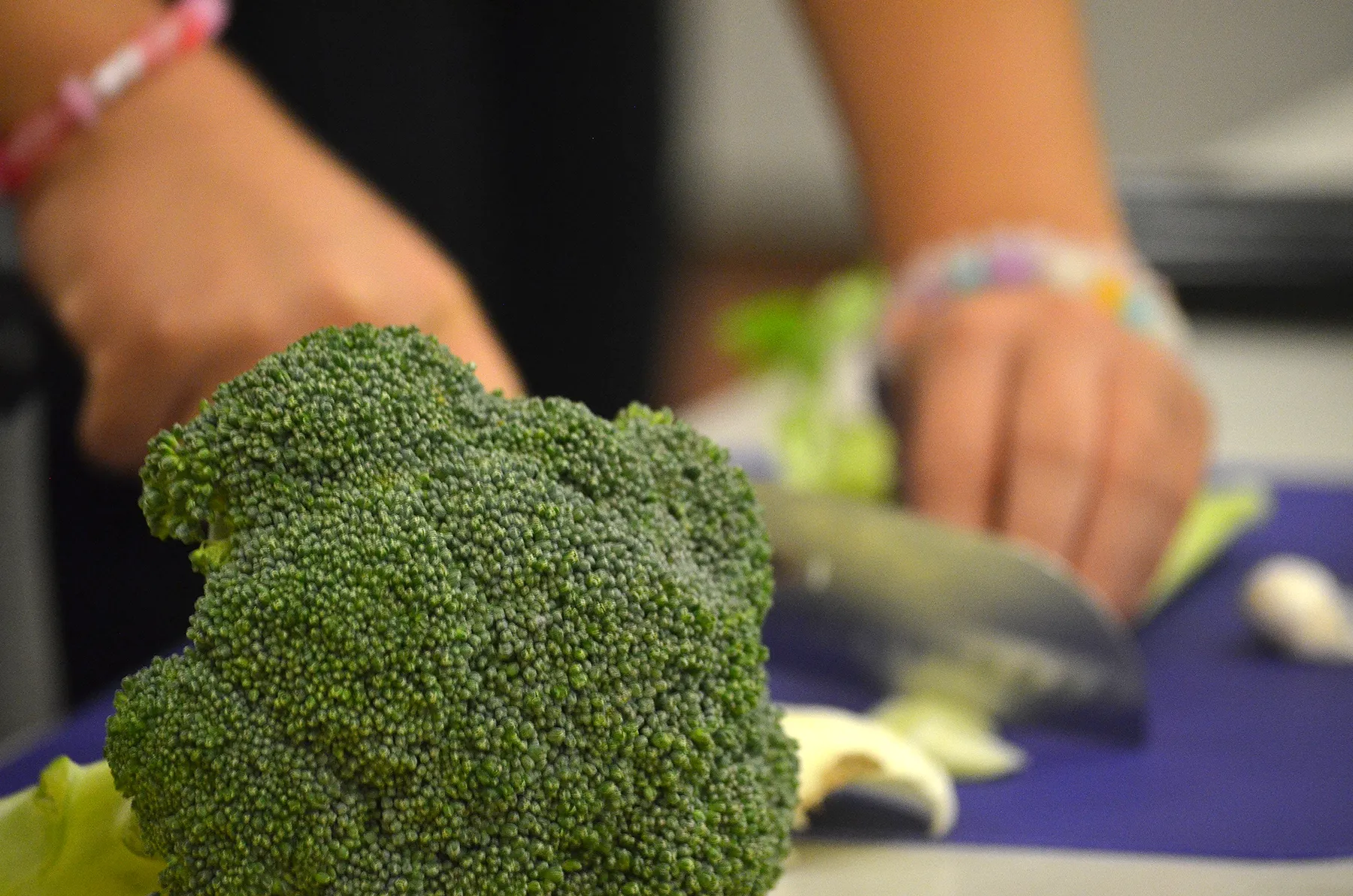
EFNEP and CFHL,UC focus on improving nutrition by teaching teens practical cooking skills that reduce reliance on processed foods. Participants learn to use kitchen tools safely, follow recipes, and prepare healthy meals. These hands-on experiences promote lifelong healthy eating habits and empower teens to replicate meals at home. Teens then pass these skills on by teaching younger students when they serve as Teen Teachers
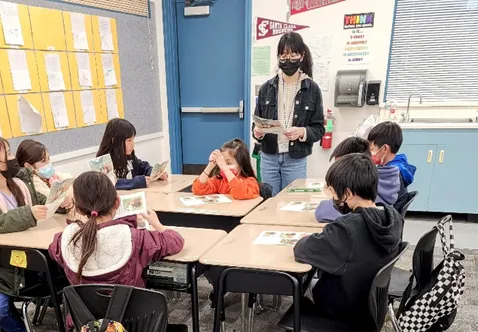
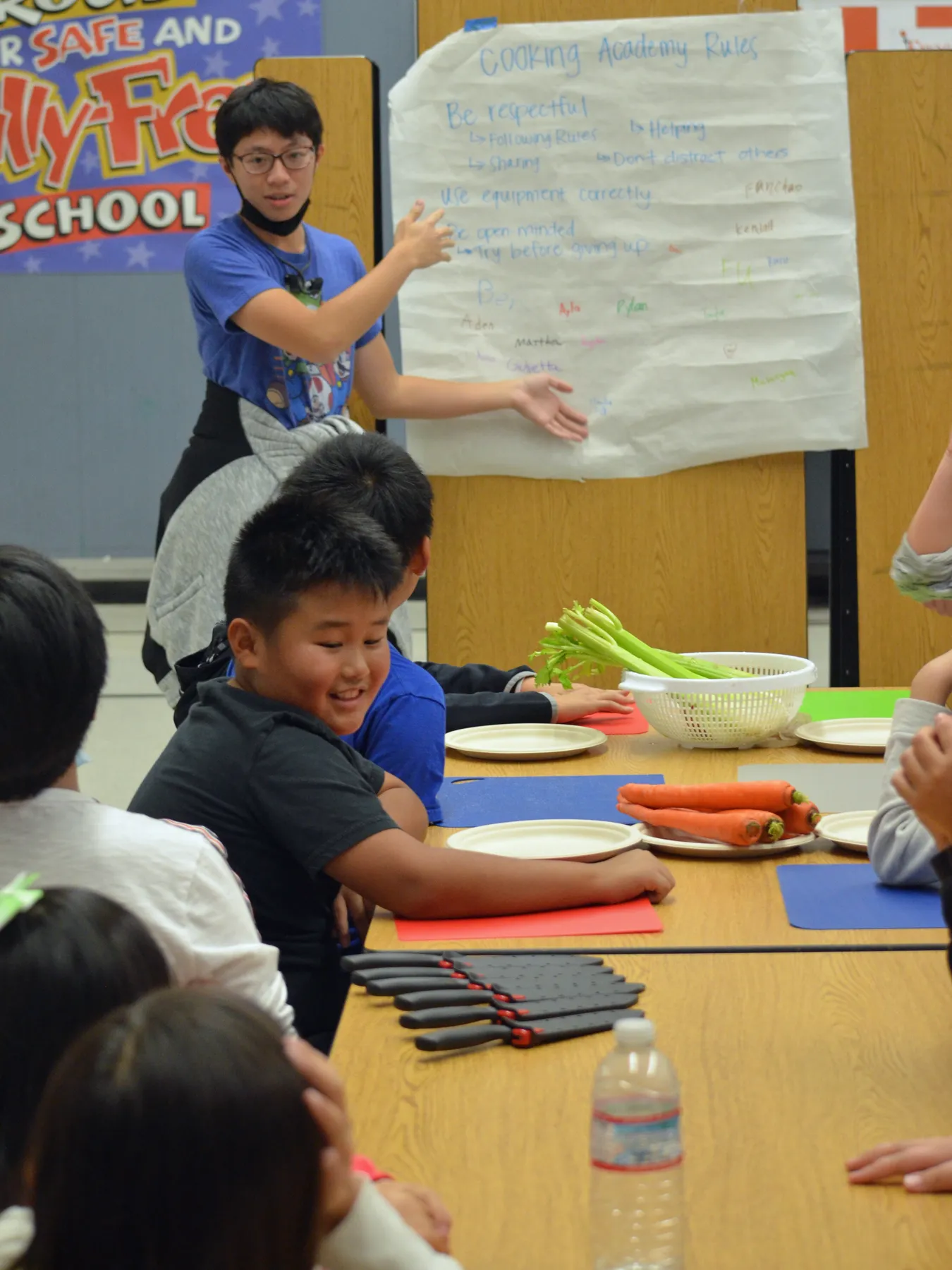
Teen Teachers work in teams to deliver a six-week curriculum to 4th–6th grade students in after-school programs. They are supported by an adult coach and receive a comprehensive 10-hour, in-person training covering lesson delivery, classroom management, and job readiness skills such as completing applications and interviewing.
The program expanded into Sacramento in 2021 during the pandemic, engaging 16 teens who reached 64 youth through virtual instruction. By 2023, in-person programming reached 336 students. In 2024, 31 Teen Teachers delivered the program to 248 students, continuing to build skills in both teens and younger participants while strengthening community health and engagement.
The Impact
INCREASING CAREER READINESS. Developing the workforce skills of Californians benefits everyone. Teen teaching adds a unique layer to this process by fostering a sense of community and enhancing social skills. Through participation in Cooking Academy, 95% of teen teachers reported that they could lead group discussions, 100% reported they could work as a team member, and 100% felt they had gained skills that would help them in the future.
“I want to be a teacher. I want to know what teachers go through.” — 2023 Teen Teacher
“I learned to collaborate with a team and also see the way kids think.” — 2023 Cooking Academy Teen Teacher
“...I found a passion for teaching others and helping others grow.” — 2024 Teen Teacher
INCREASING CIVIC ENGAGEMENT. Civic engagement strengthens communities by fostering collaboration, trust, and collective action to address shared challenges. It empowers individuals to take ownership of their surroundings, driving positive changes. This involvement gives youth an opportunity to participate in public service and build a more connected, resilient, and inclusive community.
When teens were asked; 100% responded that they felt they had made a difference in their community, 100% felt they could apply knowledge to solve real life problems through community service, and 86% indicated they are encouraged to volunteer more as a result of this program.
“The best part [of Cooking Academy] is helping kids and learning something new every time, which has helped in my overall character development. “ — 2024 Teen Teacher
“The best part of the program was knowing that there are adults, peers, and the students who actually appreciate and acknowledge my work and time being put into this program.” — 2024 Teen Teacher
IMPROVED HEALTH FOR ALL. Reaching historically underserved populations with health equity work is essential to help communities facing systemic barriers to access resources and improve health outcomes and decrease disparities.
After taking part in Cooking Academy, 100% of teens said they learned how to make healthy food choices, 100% could follow a recipe, 100% used their new cooking skills to prepare food at home, and 94% eat more fruits and vegetables because of the program (FFY24 data).
“I’m more inclined to put effort into dishes, both washing and cooking them.” — 2024 Teen Teacher
Alumni of 4-H programs have reported better long-term outcomes than the general population in multiple areas, such as economic stability, community involvement, and health and well-being. By offering youth development programming focused on improving career readiness, civic engagement, and health, we are making a meaningful difference in the lives of Sacramento youth and nudging them towards a more positive and successful future.