
Weeds
Blog by Michelle Davis
I enjoy most things about gardening, but weeding isn’t usually one of them. I do like how nice the gardens look when I am done, but that only lasts until the next weeds arise. Unseasonably warm weather this winter caused wild weed proliferation in my yard much earlier than expected. While attempting to annihilate them, I had a moment of enlightenment. What was I doing to other beings’ habitats? I had found small spiders, beetles, earthworms, and lizards. Where would they go once I removed their current abode? What about the small birds that were in the nearby shrubs and weeds? Would they have adequate cover for protection from the hawks?
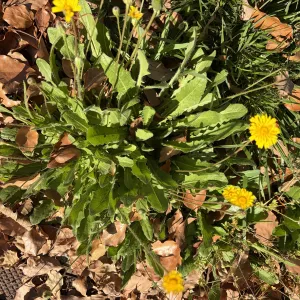
There are some pluses for the weeds. They help provide food and habitat for beneficial insects, reptiles, and birds. I have seen many more butterflies. Weeds can also prevent erosion. Part of my back slope had been covered in tall grass that I did not plant. Even after the heavy rains we had earlier this winter, there was no erosion. That was definitely a plus.
On the negative side, weeds can hide rodents and potentially rattlesnakes, looking for them for a quick meal. Weeds can also easily house undesirable insects, such as ticks, for example, and maybe even plant pathogens.
One goal with weeding is to prevent weeds from going to seed. That means getting rid of the weeds as soon as they emerge. Some weeds produce thousands of seeds that don’t all produce new weeds at the same time. The seeds can lie dormant in the soil for years before germinating. Last year, our backyard provided the perfect site for Mallow (Malva parviflora). We diligently removed at least a hundred plants and have had a lot less this year. While it is encouraging, I know it’s no guarantee that Mallow won’t be back. We’ve also had a fair amount of Oxalis (Oxalis corniculate). Their tiny yellow flowers literally launch seeds into the air 10 -13 feet when they bloom. It is hard to get all the creeping roots out.
My main method of weed control is removing them by hand. My gloves, hori hori knife, hula hoe, collapsible bin, and kneeling pad have already helped to fill our large green toter several times. The hori hori is really helpful with weeds with long taproots like dandelion. Once the weeds are removed, I’ll be ordering more mulch to help cover the areas that are more exposed. Prevention is always optimal!
Herbicides are made to kill any plant/weed they are sprayed on. Before using, consider what else could be getting exposed, not just yourself, but your pets, visiting critters, and potentially the tiny creatures that live nearby. Once the herbicide dries, it is not supposed to cause harm to anything other than plants that were sprayed. Do your research before spraying.
Banner photo: "Scarlet Pimpernel (Lysimachia arvensis) - Pollença, Spain 2022-04-15" by Ryan Hodnett is licensed under CC BY-SA 4.0.
I am not done weeding and need to attack the emerging foxtails. The garden will look nice. I am getting my money’s worth out of my garbage pickup fees. I also hopefully won’t be running into any early visiting snakes. I just need to keep telling myself this!