
After 63-year career, UC ANR nutrition advisor still writing her legacy of public health
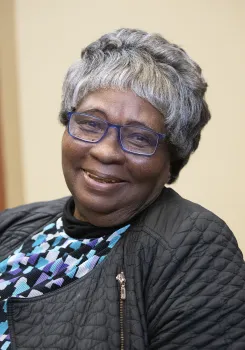
Mary Blackburn, trailblazing Black dietitian, earned a Ph.D. while raising kids during the Civil Rights era
“Are you Mary Blackburn?” the gate agent called out to the young woman running toward him at the Columbus, Georgia, airport in 1963.
“Yes, sir,” replied Blackburn, dressed in an avocado green suit, with tears in her eyes.
The agent told her, “We have a plane waiting for you.”
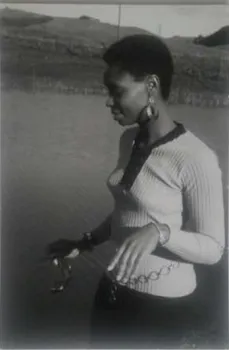
Just four days earlier, Blackburn, a graduate student at Tuskegee University, had been working on her parent’s farm when both the university president and dean paid her a visit. They exhorted her to accept UC Berkeley’s offer of one of four coveted spots in its new Master of Public Health Nutrition – Dietetic Internship program. Classes for the 100% federally funded program would begin the following Monday.
She couldn’t leave her family in Coy, Alabama, Blackburn had reasoned with the academics. She was already enrolled in veterinary school. Moving to California would disrupt not only her life, but that of her parents, her husband and their four children, all under age 6.
Blackburn’s husband, a civil engineer, was reluctant to leave his budding business in Georgia. But on the morning of her flight, he relented and raced her to the airport, arriving nearly an hour late.
With a sense of destiny, Mary Blackburn boarded the plane to California on July 6, 1963. She felt relief they had held the plane for her, a Black woman, in the segregated South.
“At that point, I knew there was something much bigger than me that I was getting involved in,” Blackburn recalled.
Serving the Bay Area for six decades
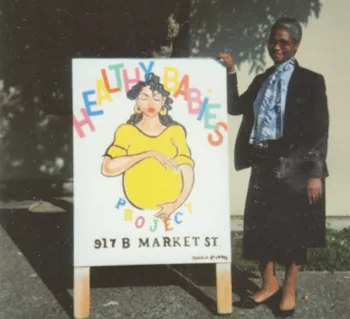
After completing her Master of Public Health degree in 1965 and becoming one of the first people to earn the formal title of “Registered Dietitian,” Blackburn continued her studies at UC Berkeley, earning a doctorate in human nutrition and health planning and administration in 1974.
Over her 63-year career, Blackburn, the fifth of 13 children born to Alabama sharecroppers, has touched the lives of thousands of Californians.
In 2025, “Dr. B,” as her colleagues affectionately call her, retired from her position with University of California Agriculture and Natural Resources as a UC Cooperative Extension nutrition, family and consumer sciences advisor for Alameda County.
Blackburn has become nationally renowned for her pioneering work delivering research-based nutrition education to older adults, pregnant teens, women with substance abuse issues, incarcerated people, immigrants, refugees and people living in poverty.
Awards and recognition
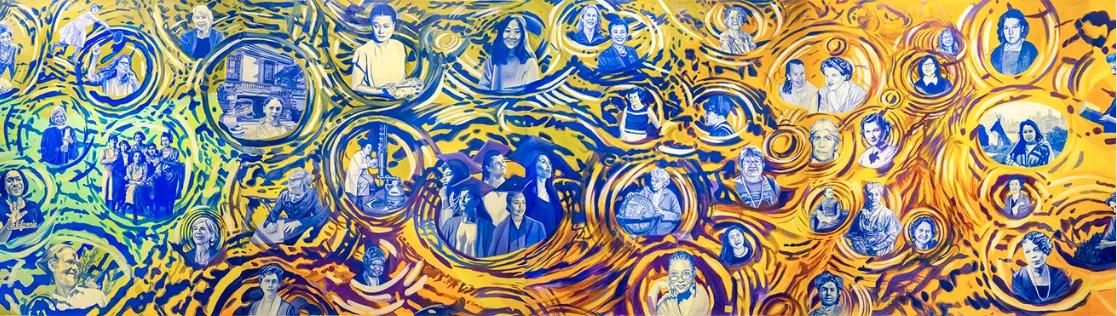
A new mural celebrating “150 Years of Women at UC Berkeley” is being unveiled on the Cal campus this fall. Alongside luminaries such as Nobel laureate biochemist Jennifer Doudna, architect Julia Morgan and chef Alice Waters, Blackburn is among the 41 exceptional women depicted in the mural inside the UC Berkeley Undergraduate Academic Building.
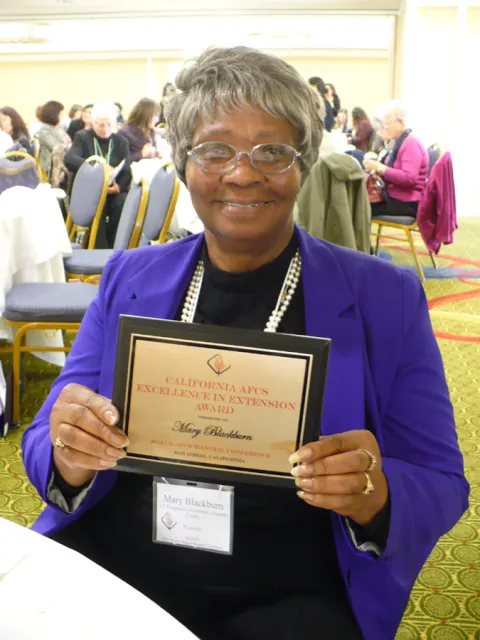
In 2020, Blackburn’s peers honored her with the National Extension Association of Family and Consumer SciencesHall of Fame award.
“Your dedication to NEAFCS has been exhibited through the educational resources and leadership you have provided to your community, state and across the nation throughout the years to help families improve their living conditions,” NEAFCS president Roxie Price said to Blackburn.
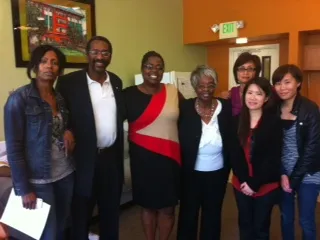
Also in 2020, the Alameda County Board of Supervisors presented Blackburn with a resolution thanking her for 50 years of service to county residents. “We are so grateful to have Dr. Blackburn working on behalf of our community and commend her for the many contributions to our marginalized and underserved communities of all races throughout Alameda County,” said Supervisor Keith Carson.
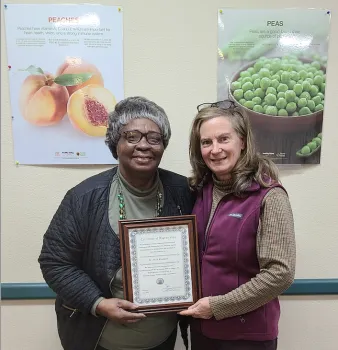
In 2024, Alameda County Health Services also honored her contributions. Jenny Wang, director of the Community Health Services Division, wrote, “The certificate award is to recognize you for having done so much to support the work of Nutrition Services and the Alameda County Nutrition Action Partnership (CNAP)…maintaining high standards of service, in partnership, to the community.”
Helpers along the way
Blackburn credits her successful career to “angels” who encouraged her along the way.
Needing to earn a living, both of her parents had left school early – her father after third grade and her mom after fourth. They urged all 13 children to finish high school and they pressed Blackburn to pursue higher education.
After earning her bachelor’s degree in food administration with a minor in science at Tuskegee University, Blackburn considered medical school.
“I was interested in advanced studies in medicine, but the nearest school for Blacks was Meharry Medical College in Tennessee,” Blackburn said. But because of her family, moving out of state for an intensive six years of school was out of the question. A friend suggested she apply to the UC Berkeley Master of Public Health Nutrition – Dietetic Internship program. Not hearing from the program, she had enrolled in Veterinary Medicine at Tuskegee.
When UC Berkeley offered Blackburn a spot in the program, her parents said they would care for her four preschool children at their home in Camden, Alabama, until she found housing in the Bay Area. “Be somebody,” she recalls them saying, “You have a head on your shoulders; what is in your head no one can take from you.”
Adamant that Blackburn should attend UC Berkeley to represent Tuskegee and “be a credit to your people,” Tuskegee President Luther Foster gave her a presidential award for housing and other living expenses until she could get financial aid.
“I’m certain it was out of his pocket,” Blackburn said. “He bought my airplane ticket, left it at the airport, and then gave me spending money for about three weeks.”
Foster told Blackburn: “If anyone can do it, you can!”
Foster’s encouragement compelled her to strive for the highest level of education and achievement.
“Because of his belief in me, he made it possible for me to make the journey – a flight and journey that is still in progress today,” Blackburn said.
Foster alerted his friend Alex Jackson, who had founded Church by The Side of the Road in Berkeley, that Blackburn would be landing in the Bay Area. The reverend and his wife Addie helped Blackburn find a place to live until her student housing and financial aid came through. “They were my surrogate family until their passing,” she said.
Once she got settled in Berkeley, Blackburn was reunited with her family.
“My husband drove the children out in September of 1963, but did not like working for someone else,” she said. “He went back to his successful business in Georgia.”
Left to raise her children without the support of local family members, Blackburn sometimes brought her kids to class when daycare fell through.
UC Berkeley Professor Doris Calloway, a trailblazer in the field of human nutrition from the 1940s to 2001, was Blackburn’s major professor, mentor and role model. A mother herself, Calloway extended her support.
“Based on her experience, she was able to share ways of getting through hard times – how to divide your time between academia, between your classes and your research project and your family, because those are daunting tasks,” Blackburn said.
Working while Black
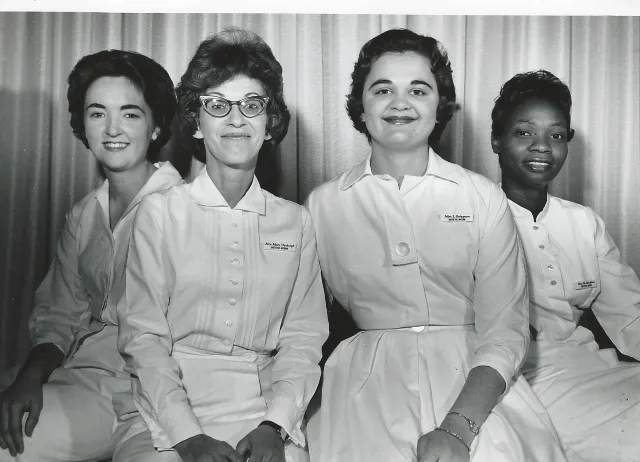
After completing her doctorate, Blackburn studied nursing for a year. During her master’s program, she took internships at Stanford, Children’s Hospital in Oakland, San Francisco General, the UC Berkeley hospital for students, Marin County General Hospital, Marin County Health Department, and San Francisco Health Department to get a feel for job opportunities.
Blackburn’s career got off to a bumpy start when she was fired for being Black. Twice.
One of her first jobs in the 1960s was working as a dietitian at a hospital in Oakland, until a hospital administrator found out that Blackburn was Black and instructed the head dietitian to fire her. Incensed, her supervisor retorted, “If she walks, I walk.” The two women walked out of the hospital together.
Later in her job search, Blackburn got a phone call from Callison Memorial Hospital, a private facility in San Francisco, offering her a dietitian position. When she showed up to work, the hiring manager exclaimed that Blackburn didn’t sound Black on the phone and explained that the hospital didn’t hire Black people. She was essentially hired and fired. However, Ferd Callison, the surgeon who ran the hospital, insisted that the hospital honor the offer. Blackburn took the job, and later, felt vindicated when Callison’s wife, who was hospitalized in a coma, awoke and asked for Blackburn by name, remembering the reassuring voice speaking to her every morning during the weeks she was incapacitated.
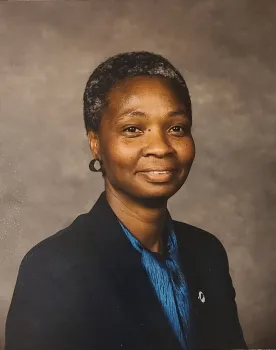
Blackburn later served as chief nutritionist at Mt. Zion Hospital and Medical Center, and as public health nutritionist on a preventative primary-care team that supported children and families after visits to urgent care. The primary-care team took a holistic approach to addressing the social drivers of health – food, affordable housing and access to health care – which shaped her approach to outreach when she joined UC Cooperative Extension in 1990.
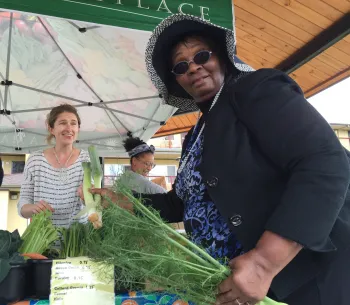
In that role, she collaborated with community groups to plant gardens in impoverished neighborhoods to grow fresh fruits and vegetables.
As a public health nutritionist and member of the Community Action Committee, Blackburn advised a pediatric project. The Black Panthers consulted her about nutrition and food safety for their Free Breakfast Program for hungry children in Oakland, the East Bay and San Francisco.
One of her proudest moments occurred while working with the community health teams in the late 1960s.
“I developed a subsistence diet prescription with cost analysis – with Dr. Calloway’s input – for children diagnosed with failure to thrive,” Blackburn said. Using her prescribed diet as justification, a pediatrician on her community team requested the California Department of Social Services increase food allotments for children who weren’t gaining weight at the expected rate. This was achieved, and the families approved received increased allotments. Four families with multiple children diagnosed with failure to thrive saw their food allotment more than doubled. “Today this concept is called food as medicine,” Blackburn said.
Joining UC ANR
Because she grew up on a farm, Blackburn was well-acquainted with food systems and Cooperative Extension.
“You would go out to the field and pick the fruit or the vegetable and cook it,” she said. “During the wintertime, when there was not a lot of fresh vegetables or fruit, the Cooperative Extension home agent would come out on the farm and show my mother how to can.”
UC Master Food Preservers still teach people how to preserve food. “In Alameda County in the 1990s, people wanted to learn to do jams and jellies as a hobby,” Blackburn said. “But when I was a child, it was a matter of survival.”
“Because of my background in public health, I had all kinds of experience that was applicable in Cooperative Extension,” Blackburn said.
When Blackburn started with UC ANR, the health of small children parented by mothers using substances and babies born to substance users were major public health concerns. In 1992, Blackburn, who oversaw the Expanded Food and Nutrition Education Program in Alameda County, directed her EFNEP educators to provide nutrition, wellness and money management classes to pregnant teens in the Oakland Unified School District.
In 2006 she and a colleague led a project to provide food safety and nutrition education for older adults, caregivers and volunteers in 10 counties. The project, which educated more than 700 participants, was rewarded a national Excellence Through Research Award.
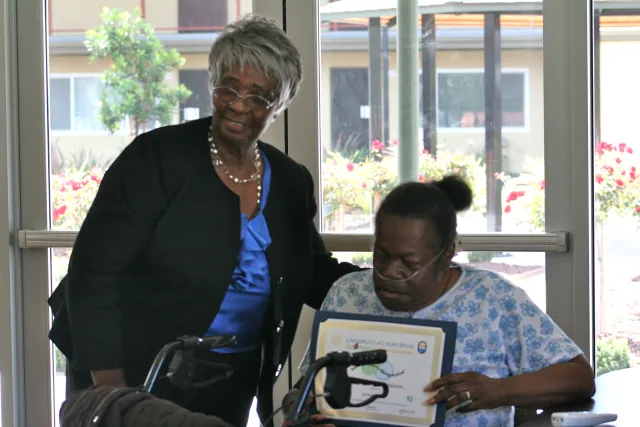
In 2018, CalFresh Healthy Living, UC launched a quality-of-life education project with older adults living in low-income housing in Oakland. In collaboration with UC Master Gardener volunteers, the gardening project combined nutrition, food safety and physical activity with gardening to improve the overall well-being of older adults, with special consideration for people with physical limitations.
Because the residents spoke multiple languages including Cantonese, Vietnamese, Spanish and Korean, Blackburn’s staff recruited housing residents to assist the participants in their native language. While gardening, residents socialized with their neighbors and developed friendships.
Reflecting on her legacy and journey, Blackburn is proud to connect with the young people furthering her work.
She serves as a mentor for UC ANR colleagues and for the past four years has been mentoring students participating in the Historically Black College Scholars Summer Intern Program in Environmental Science at UC Berkeley.
Blackburn attributes her own affinity for learning to her maternal grandmother, who lived with her family when she was a girl. In an era when literacy was low among Black people, her grandmother could read. “She could pronounce all of those difficult words in the Bible. And so, people would come to her to read their letters,” Blackburn said. “I enjoyed just listening to her read those difficult words. That inspired me more for learning.”
In addition to her career, Blackburn takes pride in her five children, all of whom have succeeded in their careers.
One of the keys to her success, Blackburn believes, has been asking community members what they need and working in active collaboration to meet those goals, rather than coming in with preconceived expectations.
Having received the prestigious emeritus status from UC ANR, Blackburn continues to work with UC Cooperative Extension advisors, UC Davis and UC San Francisco faculty and staff developing disaster readiness and other health-related resources for older adults and disabled individuals. She is also collaborating with a professor researching health-equity issues of high-need elders. Blackburn has become nationally renowned and built international respect as a research scientist and invited speaker and remains active in several professional societies.
“I just loved the job itself. It is kind of hard to turn it loose,” said Blackburn. As she reflects on how her career began, she still wonders, “Who held that plane?”