
Hydrogen and the Bioeconomy: Insights from the SoCalGas Hydrogen Home Tour and UC ANR Workshop
Members of the University of California Agriculture and Natural Resources (UC ANR) Bioeconomy Team recently gathered in Los Angeles County for a two-day meeting and workshop focused on the emerging role of hydrogen and biomass in California’s clean energy transition. The event combined a technical tour and collaborative discussions aimed at identifying opportunities and challenges for advancing a sustainable bioeconomy.
The event was hosted by Haris Gilani, Biomass and Bioenergy Advisor, and Rita Clemons, Area County Director for UC ANR. Participants included UC ANR researchers and staff along with representatives from the ATIP Foundation and Sierra Resource Conservation District, with industry participation from Yosemite Clean Energy and Cutting Edge Capital. The gathering provided an opportunity for researchers, extension professionals, and industry partners to exchange perspectives on hydrogen systems, biomass supply chains, and policy frameworks that could support bioeconomy development in California.
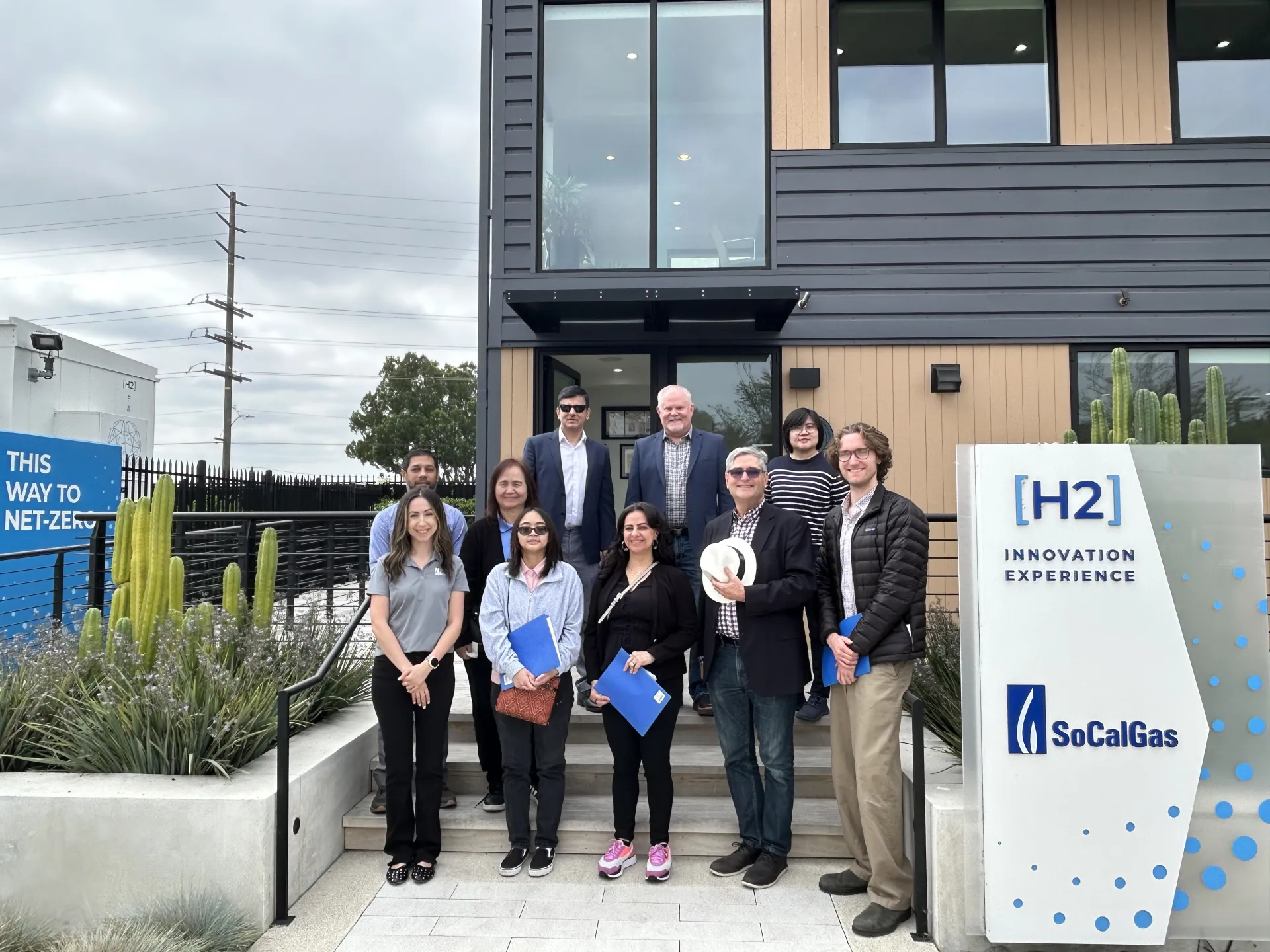
SoCalGas Hydrogen Home demonstrates use for green hydrogen
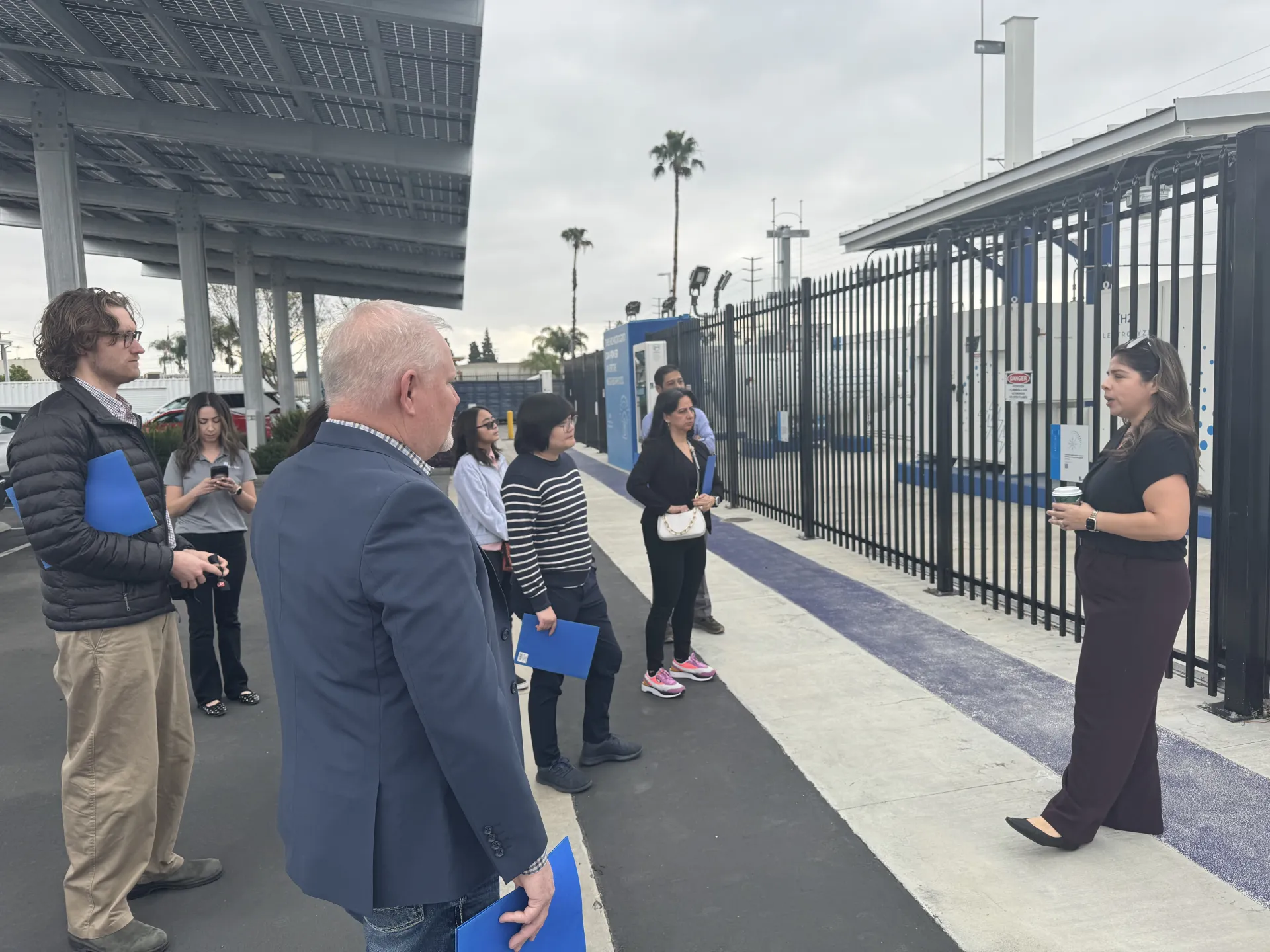
The first day of the event included a visit to the SoCalGas Hydrogen Home, located at the SoCalGas Energy Resource Center. The Hydrogen Home is a demonstration project designed to showcase how hydrogen can be integrated into residential energy systems. The home is equipped with appliances that can operate on hydrogen or hydrogen blends, including water heating, space heating, and cooking technologies. The demonstration provides a tangible example of how hydrogen could complement renewable electricity and existing natural gas infrastructure in future low-carbon energy systems.
During the tour, participants learned about the technical features of the home and discussed the broader implications of hydrogen adoption. Demonstration projects like this help illustrate the potential role of hydrogen in decarbonizing sectors that are difficult to electrify while also highlighting the infrastructure and supply challenges that must be addressed before hydrogen can be deployed at scale. The visit sparked conversations about hydrogen distribution, safety considerations, and the potential for hydrogen to serve both residential and industrial energy needs in California.
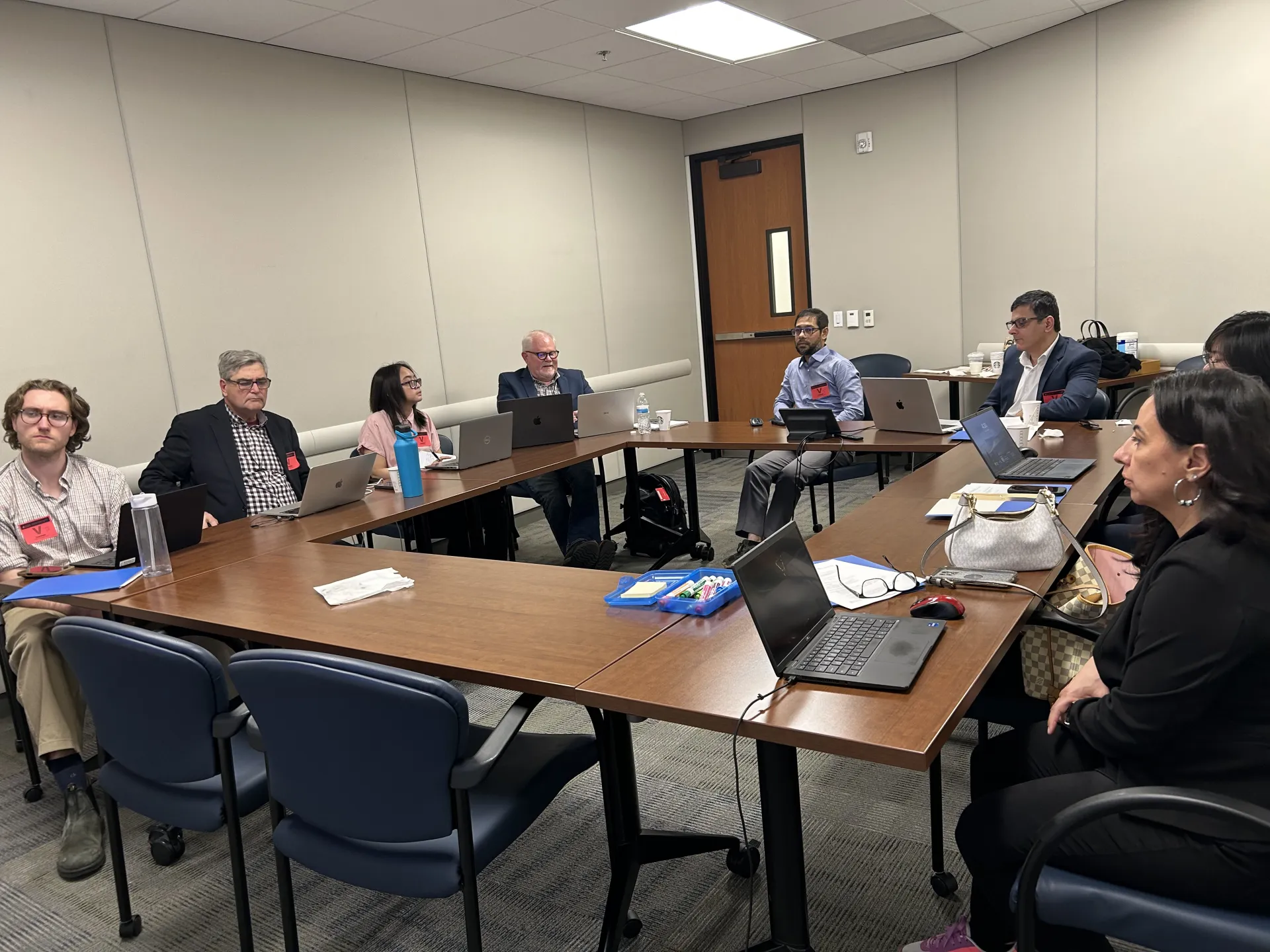
Workshop meeting invites discussion among leaders from UC ANR, local government agencies, and industry
Following the tour, the group convened at the University of California Cooperative Extension Los Angeles County Office for the Bioeconomy Team meeting and workshop. Participants reviewed progress on aCalifornia Department of Forestry and Fire Protection(CAL FIRE)–funded project focused on advancing the concept ofBiomass Innovation Campuses in California. The project aims to explore how regional hubs could integrate biomass utilization, renewable energy production, workforce development, and community engagement while supporting forest health and wildfire risk reduction.
The workshop was designed as a collaborative exercise where participants worked in small groups to discuss barriers, policy drivers, and strategies for advancing hydrogen and biomass energy systems. Participants were asked to identify key challenges and opportunities related to feedstock supply, infrastructure development, workforce needs, and regulatory frameworks.
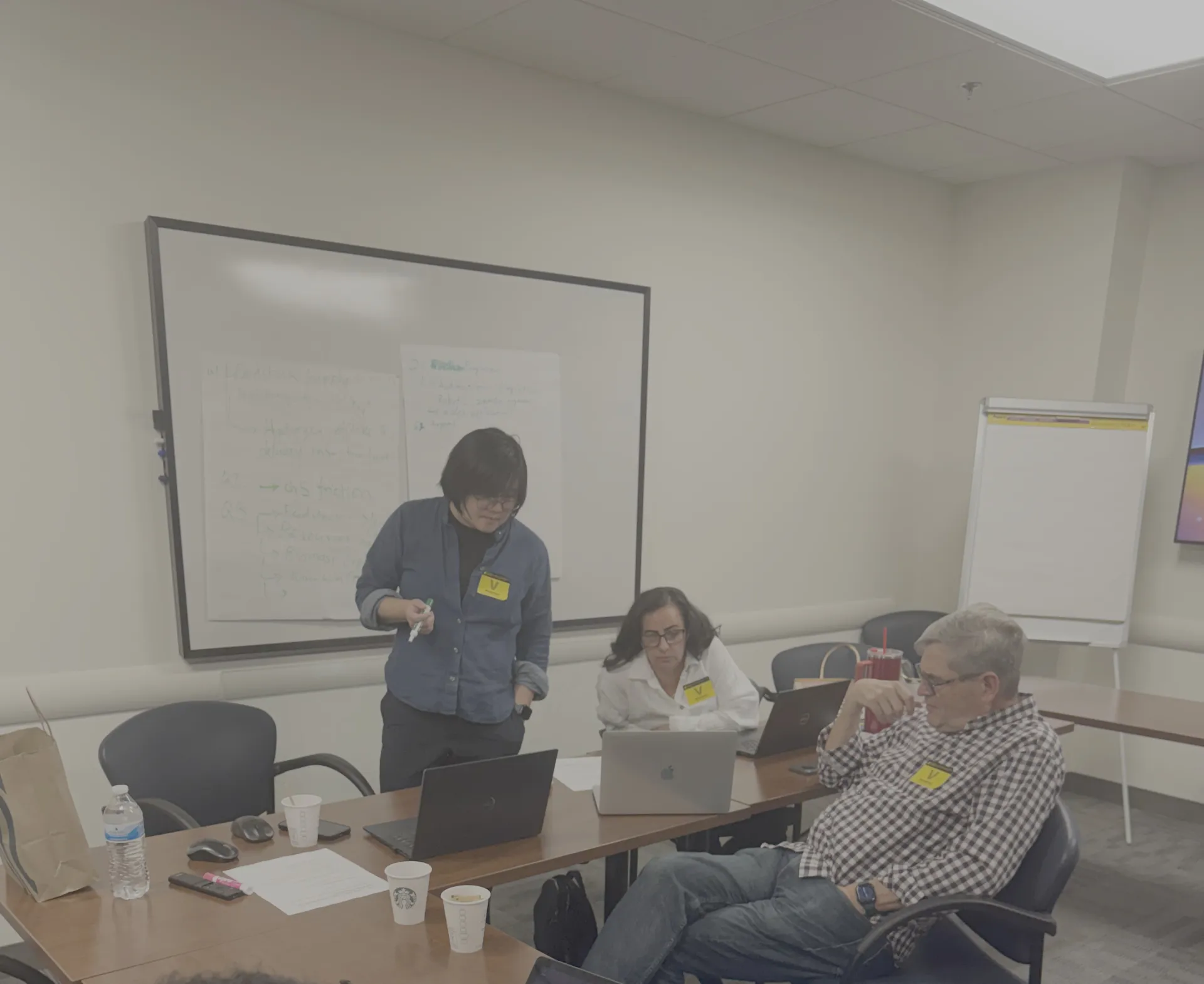
One theme that emerged from the discussions was the importance of workforce development and training programs that can support the growth of emerging bioeconomy industries. Participants noted that new technologies associated with hydrogen production, biomass logistics, and automated processing systems will require a workforce with specialized technical skills. Several participants suggested expanding training programs in automation, robotics, and logistics to better prepare students and workers for roles in these sectors. Internship programs and applied training opportunities were also discussed as valuable tools for connecting students with industry partners and giving them hands-on experience with new technologies. Participants also highlighted the importance of improving awareness of bioeconomy career pathways, including increasing exposure to these opportunities at the K–12 level and developing smoother transitions into technical education and workforce training programs.
Conversations center on logistics, market challenges, and policy considerations
Another major topic of discussion focused on feedstock supply and logistics for biomass-based energy systems. Participants emphasized that a reliable and well-organized supply chain is essential for scaling up biomass-to-hydrogen or other bioenergy pathways. Ensuring consistent feedstock availability requires coordination among land managers, biomass producers, transportation providers, and processing facilities. Participants discussed the potential for resource aggregation systems that could help bring together biomass from multiple sources and improve supply reliability. The concept of biomass depots or preprocessing hubs was also raised as a potential solution for improving logistics and reducing transportation costs. Such facilities could allow biomass to be collected, sorted, and prepared before being delivered to energy conversion facilities, creating efficiencies across the supply chain and potentially generating economic benefits for rural communities.
Market uncertainty surrounding hydrogen also emerged as a key challenge. Participants noted that hydrogen markets are still developing, and the lack of stable demand creates risks for project developers and investors. Issues such as distribution logistics, price volatility, and limited public awareness can make it difficult for hydrogen projects to secure financing or long-term buyers. Developing reliable offtake agreements was identified as a critical step for advancing projects. Participants discussed potential early markets for hydrogen, including institutional fleets, government procurement programs, airports, ports, and hydrogen fueling stations. Some participants also suggested that market intermediaries or aggregators could help connect hydrogen producers with potential buyers and reduce transaction risks. In addition, tools such as feedstock supply insurance or long-term supply contracts could help address some of the financial uncertainties associated with project development.
Policy and regulatory considerations were another major focus of the workshop discussions. Participants pointed out that while policies and incentives are designed to encourage clean energy investments, navigating these programs can sometimes be complex and time-consuming. Regulatory processes related to environmental review, permitting, and compliance can create barriers or delays for project developers. For example, projects in California often need to navigate environmental review requirements under the California Environmental Quality Act, as well as other state and federal permitting processes. Participants also discussed the role of carbon credit and incentive programs administered by agencies such as the California Air Resources Board, along with federal incentives like the Section 45V Clean Hydrogen Production Tax Credit and Section 45Q Carbon Sequestration Tax Credit. While these programs provide important financial support, participants noted that greater clarity and coordination across different policy mechanisms could help accelerate project development.
Despite these challenges, the workshop discussions also highlighted a number of promising strategies for advancing the bioeconomy. Participants emphasized the importance of collaboration among universities, industry partners, government agencies, and community organizations. Public-private partnerships were seen as a particularly important mechanism for supporting pilot projects and demonstration facilities that can help validate new technologies. Participants also suggested forming task forces or working groups that could coordinate research, policy discussions, and stakeholder engagement related to biomass and hydrogen systems.
Community engagement was identified as another critical component of successful bioeconomy development. Participants noted that public awareness and acceptance of new energy technologies can influence the pace of project development. Outreach and communication efforts that clearly explain the benefits and potential impacts of hydrogen and biomass energy systems can help build trust and ensure that communities are included in the planning process. Educational programs, demonstration projects, and local partnerships can all play a role in increasing understanding and supporting informed decision-making.
UC ANR plays a key role in increased adoption of hydrogen technologies
Overall, the two-day meeting provided an opportunity for participants to explore the intersection of hydrogen technologies, biomass resources, and policy frameworks shaping California’s energy future. The tour of the Hydrogen Home demonstrated how hydrogen could be integrated into real-world energy systems, while the workshop discussions highlighted the practical challenges and opportunities associated with developing biomass-based hydrogen supply chains. By bringing together researchers, extension professionals, industry representatives, and community partners, the event helped foster a shared understanding of the steps needed to advance a sustainable bioeconomy.
As California continues to pursue ambitious climate and clean energy goals, hydrogen and biomass resources may play an important role in supporting decarbonization while also creating new economic opportunities. The UC ANR Bioeconomy Team will continue working with partners across the state to support research, outreach, and collaboration aimed at developing practical solutions that benefit both communities and natural resource systems.