
Ultra-Processed Foods (UPFs): What to know, and what not to worry about

DRIs, RDAs, DGAs- if there wasn’t already enough jargon to sort through in nutrition recommendations, a new acronym has taken center stage: UPFs. But what exactly is a UPF, and what does it mean for you, your health, and your meals?
If you’ve been alarmed by media reports that UPFs are “bad” and cause a long list of health problems, take a deep breath. Let’s break down what all this means, what you should know, and what you don’t need to stress over.
What Are Ultra-Processed Foods?
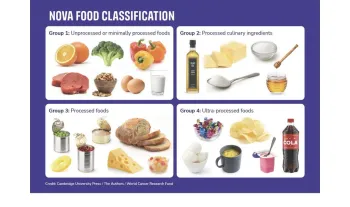
Nutrition researchers often define Ultra-Processed Foods (UPFs) using the NOVA classification system. This system groups foods into four categories based on how much they’ve been processed. While it can be useful to help prioritize wholesome and nutritious foods, it’s not perfect. Many experts disagree about how well it works.
Category | Processing | Examples |
| Unprocessed and minimally processed foods | No processing, or drying, grinding, roasting, boiling, pasteurization, or freezing | fruits, vegetables, grains and their flours, beans, seeds, milk, eggs, and meat |
Processed culinary ingredients | pressing and refining, mining (for salt) | Oils, fats, salt, and sugars |
Processed foods (Products made by adding foods from group 2 to foods from group 1) | Preservation by canning, brining, pressing, or fermentation | canned vegetables, salted nuts, smoked meats, plain yogurt, tofu or tempeh |
| Ultra-processed foods (combinations of ingredients, made by a series of industrial processes) | chemical modification, artificial additives, extrusion, hydrogenation, plastic packaging | "ready-to-eat" meals, packaged snacks, breakfast cereals, energy bars, breaded meats |
One reason for the confusion is that UPFs include a very wide range of foods. For example, a breakfast cereal made with whole grains and added vitamins may be placed in the same category as a sugary cereal with artificial colors and unhealthy fats . Even though both are considered “ultra-processed,” their nutritional quality can be quite different. The NOVA system doesn’t fully capture these differences.
What the Data Say
Research has found that diets high in certain types of UPFs, including sugary drinks, heavily salted snacks, and highly refined packaged meals, are linked to higher rates of negative health outcomes, such as heart disease and other chronic conditions. However, scientists are still working to understand why. It’s not yet clear whether the health risks come from the level of processing itself, specific ingredients like added sugar and sodium, or overall eating patterns.
This is an important point for building nutrition literacy: not all processed foods are the same, and the label “ultra-processed” doesn’t tell the whole story. The Dietary Guidelines for Americans encourage people to limit foods that are high in added sugars, sodium, and unhealthy fats, many of which are found in ultra-processed products. At the same time, these guidelines recognize that there is still some uncertainty around how processing itself affects health. There is also no single agreed-upon definition of UPFs, which makes it harder to create clear rules or regulations. That is why looking at the nutrition facts label can give you a clearer picture of a food’s impact on your health, and help you make choices that limit added sugars, sodium, and saturated fat, while meeting your requirements for protein, fiber and vitamins and minerals.
So what does this mean for you? Instead of worrying about every processed food, focus on the bigger picture. Aim for a balanced diet that includes plenty of fruits, vegetables, whole grains, and a variety of protein foods, while being mindful of packaged items that are high in sugar, salt, and unhealthy fats.
Regulation and Future Directions
Despite having the detailed Nova classification system, there is no single agreed-upon statutory or legal definition of UPFs. This makes regulation of the industries that produce, market, and sell these foods is nearly impossible.
However, California is the first state to pass a law providing such a definition and establishing a plan for removing the most problematic UPFs in school meals. This is important because some ingredients in highly-processed foods have been shown to negatively affect children’s mental and physical health
Ultra-processed foods are one of the newest and most controversial topics in nutrition. While research continues, one thing hasn’t changed: A healthy diet is about patterns, not single foods. Understanding how to read labels, comparing foods, and making informed choices is more helpful than focusing on a single category like “UPFs.”
Nutrition is complex, and building your knowledge over time is one of the most powerful tools you have. Focus on what you can control, make educated choices about the foods that you enjoy and nourish your body, and don’t let confusing nutrition trends make eating feel harder than it needs to be.
Sources:
AB-1264 Pupil nutrition: restricted school foods and ultraprocessed foods of concern: prohibition. CA Legislative Information. October 9, 2025 https://leginfo.legislature.ca.gov/faces/billNavClient.xhtml?bill_id=202520260AB1264
Excessive ultraprocessed foods (UPFs) and poor nutrition tied to poor health. American Heart Association. August 8, 2025. https://newsroom.heart.org/news/excessive-ultraprocessed-foods-upfs-and-poor-nutrition-tied-to-poor-health
Monteiro, C.A., Cannon, G., Lawrence, M., Costa Louzada, M.L. and Pereira Machado, P. 2019. Ultra-processed foods, diet quality, and health using the NOVA classification system. Rome, Food and Agriculture Organization of the United Nations. https://openknowledge.fao.org/server/api/core/bitstreams/5277b379-0acb-4d97-a6a3-602774104629/content