
A Journey to the Past: Food Preservation
While planting my summer garden, I thought of the abundance of food I would receive from the land, optimistic that this year would be better than the last few. The weather was milder than in previous years, and I could put more veggies in the ground. There was still a begging question: "What will I do with my harvest?"
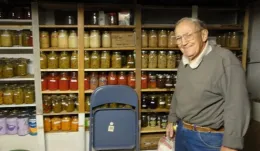
My father is from back east. When he was growing up, his father had a green thumb; with that came an abundant yield. The
family would gather and preserve that food from 'season to season,' preparing and processing their produce in such a way to be stored and shelf stable for up to a whole year. Unfortunately, most of my family members have passed, and that tradition was not in my wheelhouse.
Here in the Central Valley, our produce is prolific. Sadly, I had never thought that preserving food was necessary. Boy, was I incorrect! Quickly, I learned that I was already preserving food for a few days or so, by storing it in the refrigerator and freezer. I’d forgotten that there are many ways to preserve longer than a few days, and my mind traveled back east, to when my family members would “put up” foods to prepare for possible winter snowstorms. When snowed in, leaving the house was not an option for days or even a few weeks or months, so having nutritious food on hand was essential.
Fond memories took me back to 2010 when I visited my uncle in West Virginia, stepping inside to see my aunt peeling apples he’d picked from the tree that day, turning them into applesauce for dinner. Wow, was that ever tasty! During that visit, he took me to the basement to see what looked like a grocery store—shelves upon shelves with many canned foods he had cooked and processed himself, and a freezer full of meats and poultry. All the colors were bright, and the food-carrots, peas, beef, apples, and more-looked fresh, almost suspended in time.
Flash forward to this past February; I was driving along, but a train held me up. Usually, I wait however long it takes to get moving, but on this day, I was tired and decided to drive a few miles around it. By happenstance, I was approaching the USDA office in Hanford, and remembered an office there where I could sign up for the Master Gardener training. "I could get some help with my current garden," I thought.
I popped into the office and asked when the gardening class started. "Not until 2024, but we are holding Master Food Preservers training this year," said the program director. My ears perked up, and I knew I had to join, partly because of my curiosity and partly to carry on my family's legacy. The hard part was that the program had already begun, but I slipped in by the skin of my teeth.
Participating in the program brought me so much joy as we learned through interactive digital classroom lectures and in-person, hands-on labs where we learned about boiling water and steam canning, pressure canning, pickling, fermentation, and dehydration. Getting my hands dirty and bringing home my preserved foods was gratifying. After completing the courses over six months, we graduated as the inaugural class of Tulare County Master Food Preservers.
Like Master Gardeners, Master Food Preservers are under the umbrella of the University of California’s Agriculture and Natural Resources, trained and certified through the UC Cooperative Extension. Our goal is to provide resources of research-based methods, information, and recipes to the public to ensure food safety for home preservation.
Master Food Preservers are excited to meet and provide you with home food preservation resources. MFP volunteers will soon be offering classes at local public libraries, holding office hours for the public to call and email with questions about food preservation, and staffing booths at various fairs and festivals.
What a fun journey this has been! I hope you’ll find the UC Master Food Preserver helpful for your home preservation needs. This program has turned me into a canning fool who looks around to see, "What can I preserve next?" During strawberry season, I made and compared several kinds of jam: No Sugar, Low Sugar, Regular, and Freezer Strawberry jams. Let me tell you, there is nothing like preserving the freshness of just-picked strawberries from the farmer down the road. The only problem is that I'm unsure if I made enough jam to last until the next harvest-luckily, there are plenty of other fruits in season now to be preserved. As our MFP motto says, "Preserve today, relish tomorrow." We are excited to help you preserve each season so you can enjoy it all year.