
Central Sierra: Leafy Greens Growing Instructions
Growing Kale and Collard Greens in the Ground
Change planting location, no replanting for 2-4 years
Full sun spring/fall, shade in summer
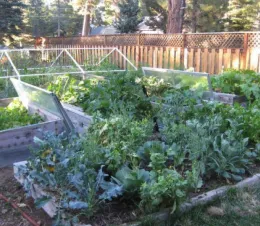
Make sure seedling and planting location are moist and fertile before transplanting
Gently massage roots of kale before planting but gentle root care for the others
Amend soil with compost or organic nitrogen-rich fertilizer and do not compact soil surface when planting
Press in and around plug to increase soil surface area, loosely fill rest of the area ~12 inches apart in all directions
Bury to apex or axis point
Initial water regularly for 3-4 days straight
Subsequent watering is temperature dependent (3-4 days) keep soil moist
Recommend harvest from the outer leaves (all) leaving inner leaves or Cut-and-come-again - consistently to reduce bolting
Thick mulch to prevent evaporation, rec. diluted fish emulsion every 3-4 weeks
Remove all yellowed/damaged leaves
Growing Lettuce, Arugula & Spinach in the Ground
Prefer sunny locations
Leaf harvest: plant 3” apart
Spacing for harvesting leaves:
Lettuce: 4”-5” apart (if harvesting head double spacing, but don’t recommend for in the ground at Tahoe)
Spinach: plant 10”-12” apart
Arugula: plant 12”-18” apart
Plant deep enough so seedling is upright
Make sure seedling and planting location are moist before transplanting
Initially, light, slow watering every day for 3-4 days straight
Subsequent low pressure soaker hose or drip irrigation for deep watering every (3-4 days) and to prevent mildew
Check soil moisture a few inches below surface
Thick mulch to prevent evaporation, rec. diluted fish emulsion every 3-4 weeks
Recommendations for harvest
Harvest leaves in the AM leaving an inch
Cut-and-come-again harvest in the AM leaving 2-4 inches
If it’s getting really hot or your plant is very full, harvesting will help prevent bolting
Growing Leafy Green in Pots and Planters
- Kale/Collard
Kale = 5+ gallon (10” x 12”)
Larger containers, space the plants 12 inches apart
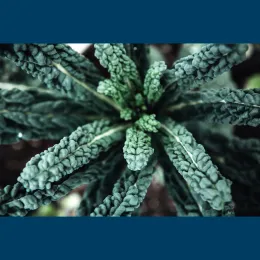
Provide proper drainage make sure soil is not compact
Thick mulch to prevent evaporation
Lettuce, Arugula & Spinach (harvest leaves, cut and come again)
Shallow root system doesn't need deep soil
Wide and shallow (6+ inches deep) container, consider up to 12" deep for romaine
Shallow containers will heat up quickly and evaporate faster, you will need to water more, thick mulch recommended
Adequate drainage holes in the bottom
Recommend diluted nitrogen (e.g. fish emulsion) application every 3-4 weeks or amend soil initially with slow-release fertilizer high in nitrogen
More fragile leafy greens like lettuce, arugula, and spinach can burn in the strong Tahoe sun. It's nice to plant them in containers because you can give the plants full sun in the morning and move them into the shade when it might get too hot for the plants. You can also move them inside if it drops to freezing temperatures at night.
Collards are also sensitive to cold and if it's in a pot, for freezing temperatures it can be brought inside or you can put a hot water bottle next to the pot and cover with a cloth or plastic bag.
Pest Management
For aphids and other bugs, start by controlling with stiff bursts of water from a garden hose or squirt bottle. If this is not sufficient, various sprays can be used that often need to be reapplied weekly:
Neem oil (follow directions on bottle)
Dr. Bronner’s peppermint (1 tsp + 1 quart water)
Spicy spray (steep spicy peppers, garlic, and crushed red pepper and filter mixture) this one is good for the rodents or if you have dogs that like to graze.
Cabbage worms: remove physically and place in soapy water
Physical barriers (or dog patrol) for rodents, wrapping plants in netting for aphids and cabbage worms
“Prevention is better than the Cure,” get the aphids before they get out of control so be diligent with plant observations and physically remove aphids the minute they appear
Information provided by Allison Toy, Lake Tahoe Master Gardener, Summer 2025