
Native Plants Brochure
Advice to Grow By
UC Master Gardeners of San Diego County
Hotline (858) 822-6910
www.MasterGardenerSD.org
Natives Plants Require a Somewhat Different Way of Gardening
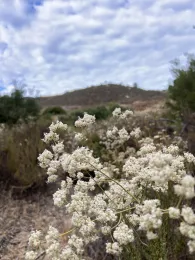
Credit: Joelle Kohn
- These plants don’t want fussing.
- Don’t amend the soil when you plant. These plants LIKE our soils.
- After the first year, reduce water to as low as once per month.
- Best time to plant is during our rainy season, November to April.
- To ensure success, pick plants that naturally live in your area. They will do well in your climate conditions.
- Put plants with similar watering needs together.
- Some need seasonal pruning once established.
Planting Native Plants
Native plants do best when planted in native soil.
- Dig a hole twice as wide and at least as deep as the nursery pot.
- Fill the hole with water; let it drain.
- Place the plant in the moistened hole with the crown about 1” higher than surrounding soil.
- Backfill with native soil around the plant and water several times.
- Creating a moat around the plant for the first few months help retain water.
- Water thoroughly every few days for several months. Then let the natural rains supply the plants with water.
- Adding extra water to the roots in hot, dry periods will help the plants cope.
- See websites for more details regarding planting and care.
Some Favorite Plants
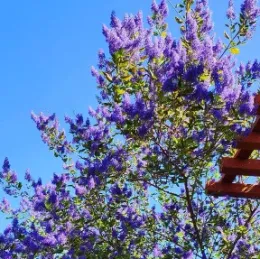
Credit: MGASDC
Native plants evolved here and are adapted to our climate so they do well here.
- Trees: Western redbud, Oaks
- Perennial shrubs: Manzanitas, Lemonade berry, Toyon, Coyote bush, Ceanothus
- For color: Buckwheat, Deerweed, Penstemon, Mallows, Monkeyflower, Bulbs
Native Plants Fit Any Style of Landscaping
Enjoy the beauty of your garden and your success in providing growing space for native plants and the wildlife they support!
Why Include Native Plants in your Garden?
You can be effective in conserving our natural heritage by including some native plants in your garden. Or go wild and plant a whole native garden and conserve more!
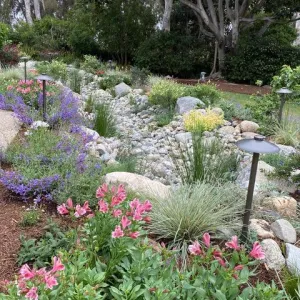
Credit: Jackie Seidman
In addition to their uniqueness and natural beauty, native plants require:
- Less water: native plants are adapted to our low, seasonal rainfall
- Less use of chemicals: little or no fertilizer or chemical pesticides
- Less work: minimal pruning, fertilizing and mulching
Native plants provide:
- Food, nesting space, and protection for birds and beneficial animals
Native plants are
- A magnet for native birds, bees, butterflies and other wildlife
- Adapted to our soils
Native Plants
- Give a sense of San Diego as a unique place with a variety of habitats
- Are being displaced by non-native plants
Resources for Information
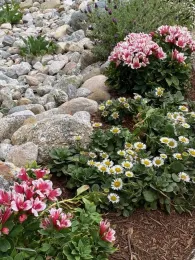
Credit: Jackie Seidman
Websites
- California Native Plant Society
- Calflora
- Calscape
Books
- California Native Plants for the Garden by Bornstein, Fross and O’Brien
- The Drought Defying California Garden by Rubin and Warren
- The California Native Landscape: The Homeowner's Design Guide to Restoring Its Beauty and Balance by Rubin and Warren
- Bringing Nature Home by Tallamy
Native Plant Nurseries
- Moosa Creek (wholesale but local nurseries will order plants for you)
- Native West
- Tree of Life (San Juan Capistrano)
The Master Gardener Association of San Diego County supports the University of California Master Gardeners of San Diego County. UCANR is an equal opportunity provider and employer.