
The Joy of Culinary Herbs
Imagine yourself walking out to your garden or patio and being greeted by a spicy fragrance. All around you are pots and containers filled with culinary herbs such as thyme, oregano, and basil. You reach down and take a snip or two of these fresh herbs and wander back into your kitchen to add them to the pot simmering on the stove. Sounds fabulous, doesn't it?
When I started gardening, culinary herbs were my first “babies” so to speak. Since then, I have tried growing many different varieties of, both in containers and in the soil. Some with more success than others. But each one has been a joy to grow.
When deciding whether to plant your herbs in containers or directly in your garden, you need to be aware of their growing patterns and potential size. Herbs that are in the mint family, such as oregano and marjoram, can get quite large and spread quite rapidly in a garden environment. If you have lots of room, great. But they will begin to compete with less hardy varieties after the first season. I've found that growing culinary herbs in containers saves me a lot of time and frustration down the road. If you find an herb you aren’t familiar with, check the grower's information for our area.
Below are some, but not all, of the herbs that do well here in the Central Valley. All of these herbs, once established, use low water, and are both heat and cold hardy.
Basil (Ocimum basilicum) – This versatile herb is a warm season annual. It comes in many varieties (around 25) such as Sweet Basil, Italian large leaf, Lemon Basil, and Thai. Basil likes full sun to partial shade and does well in pots or in the ground. When planting in pots, use containers that are at least 6-8 inches wide and 12” deep and make certain they drain well.
Cilantro (Coriandrum sativum) - Cilantro is a versatile annual herb commonly used in cooking – think salsa and Chili Verde - and it's easy to grow at home. Cilantro grows best in cooler weather, so plant it in early spring or fall.
Plant in partial shade, in your garden or in a pot, in well-draining soil. As with all herbs, they need low water once established.
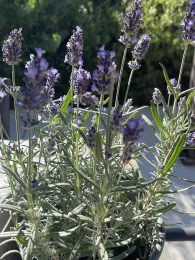
Lavender (Lavandula angustifolia) – This striking herb is famous for their wonderful fragrance and use in perfumes, potpourri, and bath soaps. But did you know you can cook with it and use it as tea? Varieties such as Hidcote and Munstead are perfect for flavoring soups, stews, and beans, while English Lavender, (L angustifolia) is often preferred for teas. Lavender flowers can be cut at any time, but you may wish to dry the flower heads to use in your culinary endeavors.
Lavender can be difficult to grow because they do not like “wet feet.” Make sure their roots dry out slightly between watering. If planting in a pot, check that it has sufficient drainage. Lavender likes full sun as well, so keep in a sunny location.
Lemongrass (Cymbopogon citratus) - This Asia native likes full sun, moist, but well-draining soil, and lots of room to grow. If growing in a pot, a 5-gallon container is recommended for a strong, healthy plant with room to grow.
Lemongrass is used in a variety of Thai, Vietnamese, and Malaysian dishes. It has a bright citrus flavor without the acidity of lemons.
Use caution when harvesting! The leaves are sharp and will cut you, Gloves are recommended to save your fingers and hands.
Marjoram (Origanum majorana)– This perennial herb is in the mint family, so growing in a pot is the preferred method unless you want it to spread throughout your garden. A native to the Mediterranean, it does quite well in the Central Valley.
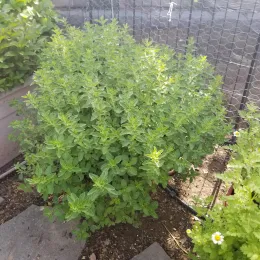
Marjoram likes full sun but can tolerate some shade. As for all herbs, they need well-draining soil.
Oregano (Origanum vulgare) – Another member of the mint family, Oregano is a staple in Italian recipes. Common Oregano is widely used, as is Greek Oregano, however there are several other varieties. Do not confuse Mexican Oregano with Common Oregano as it is not a true Oregano and has a more citrusy, robust flavor.
Oregano likes full sun but can tolerate some shade. Planting Oregano in a pot is the preferred method as it spreads aggressively. Choose a large pot (at least 12” deep and wide) as it will spread to fill the pot.
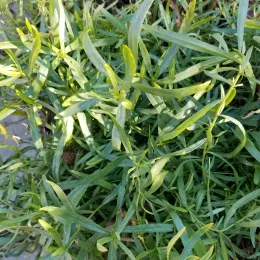
Tarragon (Artemisia dracunculus) – French Tarragon is the variety most used in culinary pursuits. It has a subtle licorice scent and flavor and is wonderful in teas. Using Tarragon fresh is preferred as drying changes the flavor profile.
Tarragon is hardy and easy to grow in a partially shaded spot in well-drained soil. It thrives in spring temperatures and doesn't do well in overly hot climates, so it may need a cooler location to keep it thriving. Plant tarragon in a pot that is easily moved to accommodate its unique requirements.
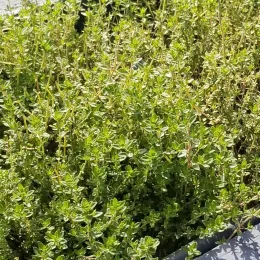
Thyme (Thymus vulgaris) –This hardy, perennial herb is a Mediterranean native that thrives in sunny, well-draining soil where it can grow to 6-12 inches tall and just as wide. It grows well in pots or in the ground. Pots should be at least 6-8 inches wide and 12” deep for optimal plant health. In the ground it can get quite large – spreading up to 24” or more!
Use thyme in soups, stews, sauces, and as a tea. You can harvest thyme at any time as it is one of the few herbs that retains its flavor even while flowering.
Sage (Salvia officinalis) – There are a great many varieties of sages but those that are commonly used for culinary purposes are Common Sage (think of turkey dressing!), Greek sage, Pineapple sage, Purple, Golden, and Clary sage.
Sage prefers full sun and does not like its feet wet, so well-draining soil is a must. It can grow in garden beds or pots. Choose pots at least 6-8 inches wide and 12” deep.
In pots or containers, gardens and raised beds, culinary herbs are a definite must for both the beginner and expert gardener. Their beauty, fragrance, and flavors will grace your garden, as well as your kitchen, many more years to come.
Happy gardening!
Resources:
Lovely Lavender, by Denise Godbout-Avent – first published July 11, 2023.
How to Grow and Care for Thyme, By Marie Iannotti in The Spruce, Updated on 04/11/26
The Joy of Culinary Herbs, by Terry Pellegrini – first published June 19, 2020

Terry Pellegrini has been a UC Master Gardener in Stanislaus County, with UC Cooperative Extension since 2020