
U.S. ‘not yet ready’ to implement school-based Presidential Youth Fitness Test, UC researcher says
Study: 48% of states have no fitness testing requirement in schools; only three mandate annual testing
Imagine you’re in middle school, and you’re told to do a “flexed arm hang.” Arms aching and quavering as you dangle from a bar, you’re supposed to pull yourself up so your chin is above the bar. And your physical education teacher and all your classmates are watching.
Hannah Thompson remembers just such a scenario when she was a middle schooler. Even though she was athletic at that age, she recalls feeling nervous – and worried for the other kids who were not as well-prepared.
On May 5, President Trump signed a memorandum restoring the Presidential Fitness Test Award to recognize student achievement of physical standards. When President Trump signed an executive order last year to reestablish the Presidential Youth Fitness Test for students across the country, the announcement brought back mixed memories for many people.
The Presidential Fitness Test had been retired in 2012 during the Obama administration, out of a desire to promote individuals’ healthy activity over ranked athletic performance.
“There are right ways to do fitness testing, and there are wrong ways to do it,” said Thompson, director of the University of California Nutrition Policy Institute. “When you see it done poorly, it can lead to a lot of traumatic experiences and disengagement from physical activity.”
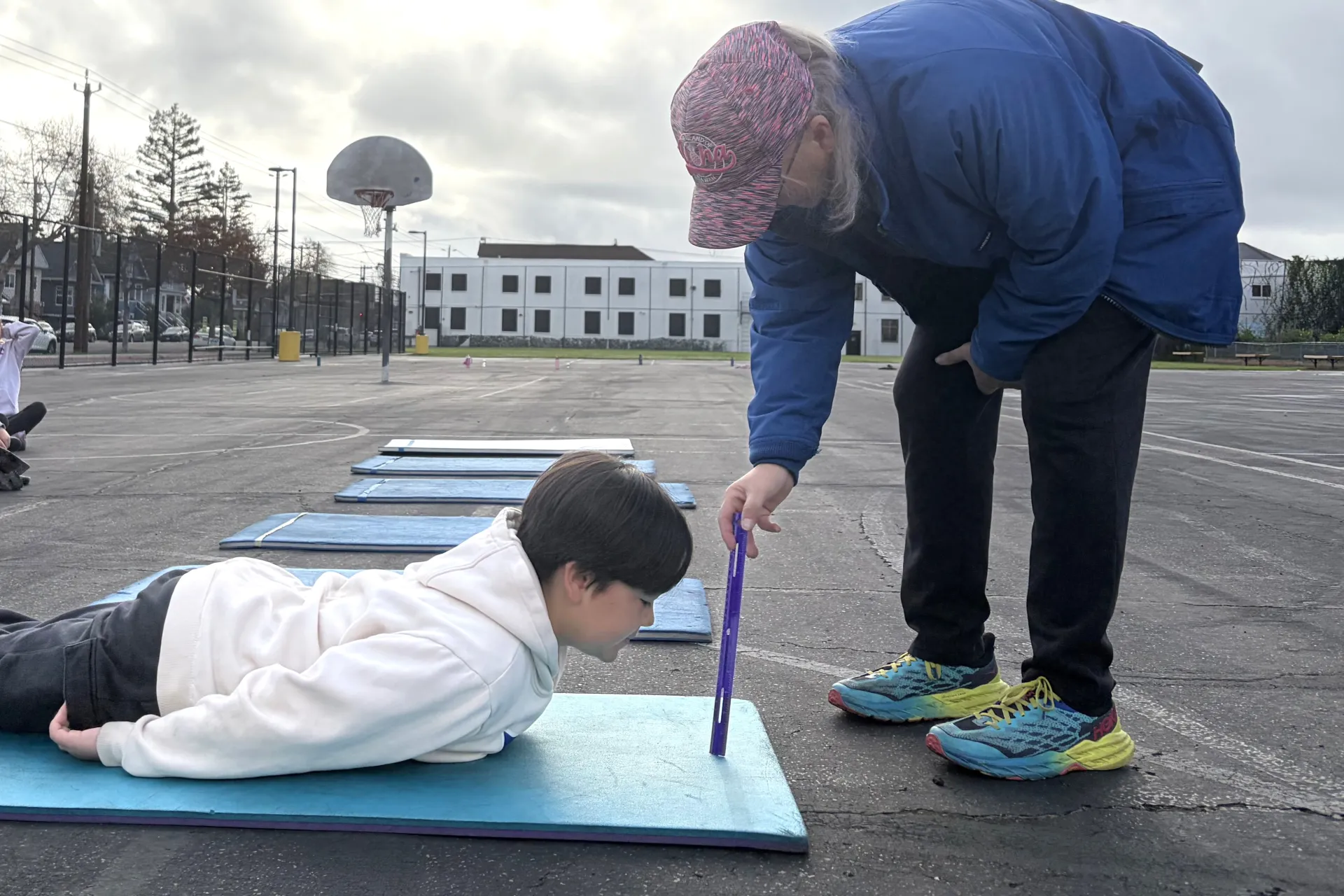
With two decades of experience studying physical education (PE) and recess policies and practices, Thompson served on an advisory panel convened by the White House to revamp the Presidential Fitness Test.
After a series of virtual meetings in 2024-25, momentum toward reviving the test had slowed. While Thompson is glad for the renewed national attention on physical activity in schools, she wants to ensure that students and teachers are set up to succeed. She said ingraining healthy habits and establishing a supportive culture for physical activity are crucial for reinstituting the test.
“If we want to bring it back, we first need to develop infrastructure to make testing a positive experience for kids,” Thompson explained. “That way we’re teaching kids how to actually be physically active and be fit in a safe way – and motivating them to do all the things that lead to a lifetime of choosing to be physically active.”
In a recently published study, Thompson and her colleagues analyzed state laws as a way to approximate the strength of existing support systems for physical education. The researchers found that nearly half of U.S. states – 24 of them – currently have no requirements or recommendations for fitness testing in their public schools. Eleven states recommend fitness testing, and only three require it annually.
Only five states mandate the 150 minutes per week of elementary PE time recommended by the U.S. Department of Health and Human Services, with 74% of states requiring fewer than 60 minutes per week.
“Are we at all ready to reinstate the Presidential Fitness Test nationally? I think the short answer is we are not yet ready to do this well,” Thompson said.
California requires fitness assessment but implementation is uneven
In California, public school students in fifth, seventh and ninth grades are required to take the FitnessGram assessment. The most commonly administered assessment of its kind in the U.S., the evidence-based FitnessGram comprises a series of tests that measure a student’s aerobic capacity, body composition, and muscular strength, endurance and flexibility.
FitnessGram has been in use in California since the mid-1990s, but its implementation varies widely across the state. The assessment – which has been administered by PE teachers, teachers of other subjects, school nurses or parent volunteers – can be thorough and thoughtful…or perfunctory.
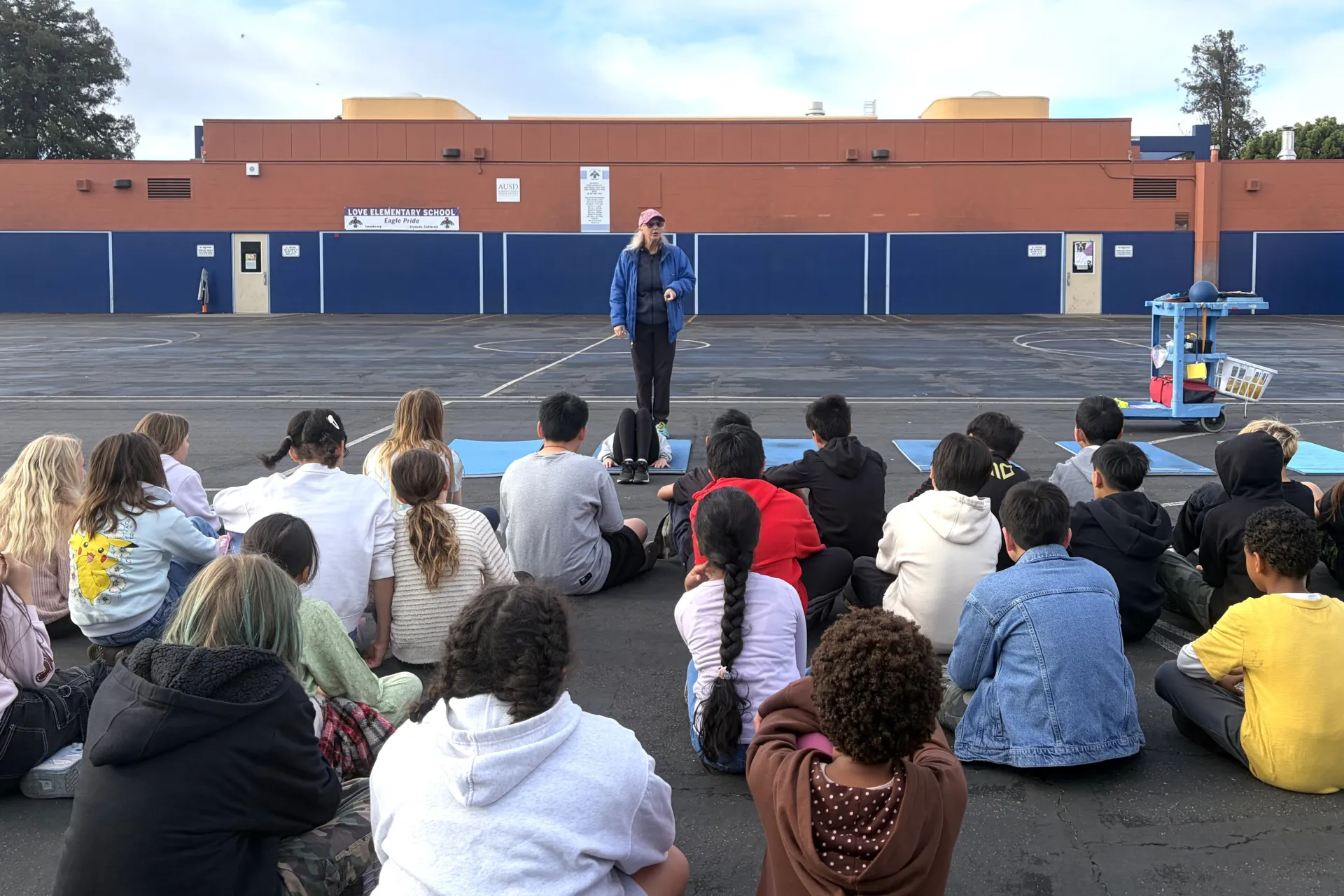
“When it’s done poorly, it’s done really quickly in a day or two, or kids are testing themselves and other kids are writing down the results, and it’s kind of a mess,” Thompson said. “At worst, testing isn’t happening at all, but then again some might argue that really bad testing is probably worse than no testing.”
Then there are questions about the actual usefulness of the data. In the past, school districts would send results to the state, which would then aggregate the numbers at the school level and then make the data available to the public. Since 2020, however, there has been a moratorium on reporting results to the state due to concerns over privacy and stigmatization.
Nationwide, researchers found that only six states mandate submission of testing results to state agencies and only four require that the results are publicly accessible.
Unable to track results over time at particular schools, scientists like Thompson don’t have the data to assess the effectiveness of PE policies and interventions – or to illuminate and address critical inequities.
“California schools are still testing; they’re just not reporting the results, which has really devalued the system,” Thompson said.
She points to the New York City public school system as a counterexample. Administrators not only boosted the system’s investment in PE but have also developed “the largest fitness surveillance system in the country,” requiring annual testing from fourth to 12th grade. Equipped with long-term data, Thompson was part of a research team that demonstrated the value of funding for PE.
“We were able to do some advanced causal modeling and say, ‘Yes, if you invest in PE, it leads to a real appreciable difference in terms of the proportion of students who are meeting cardiorespiratory fitness standards,’” she said.
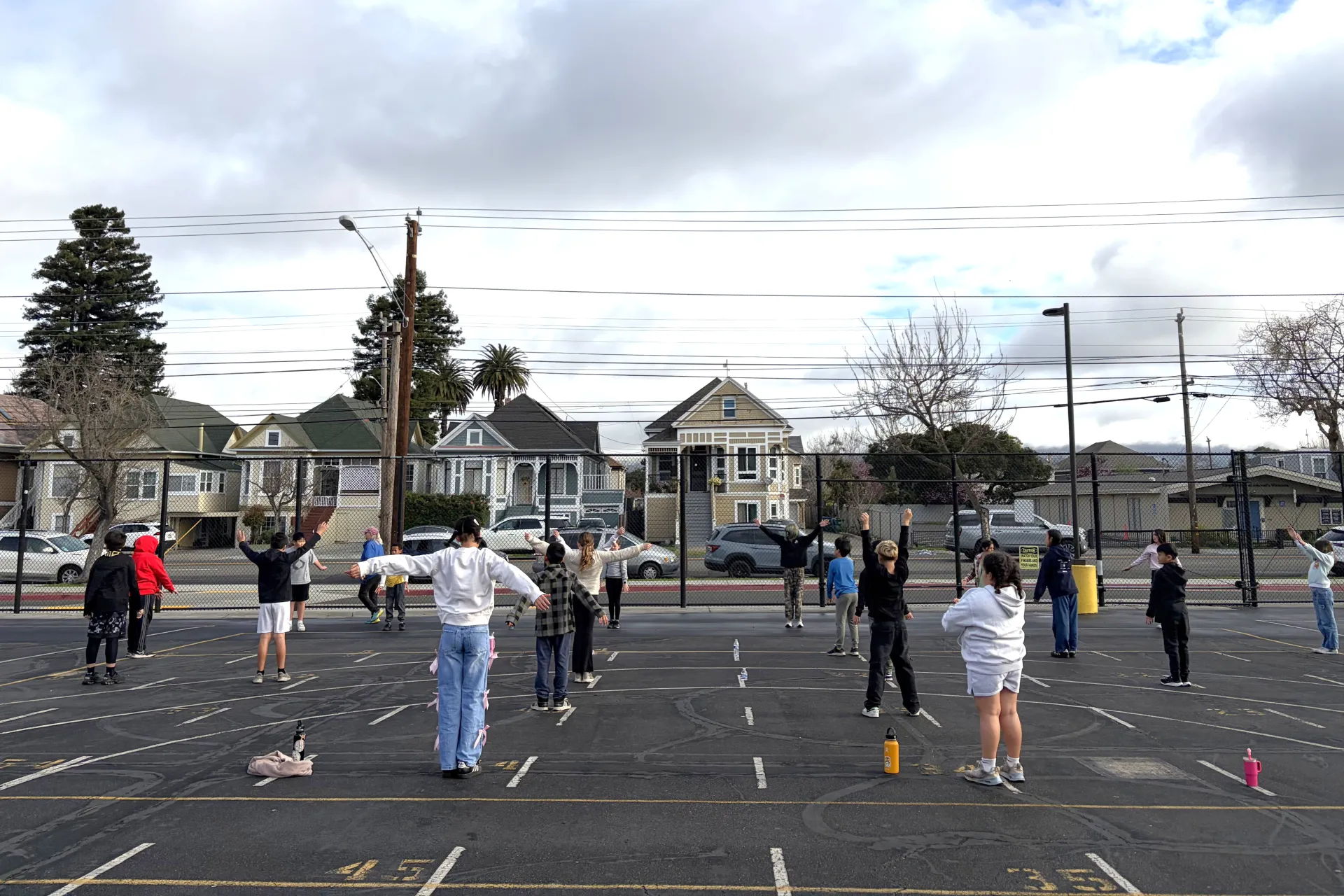
Robust support, preparation at a young age crucial for fitness test success
Thompson’s son, a fifth grader, recently took the FitnessGram assessment. Even though he is athletic and competes in soccer, basketball and lacrosse, he still had “a lot of anxiety” about the testing, according to Thompson.
She expressed gratefulness that the Alameda Unified School District employs a PE teacher at his school who adequately prepares the students. Ideally, teachers at all schools would start training students at much younger grades on the skills that will be tested.
“Then at the beginning of fifth grade you start really focusing on those components and practicing them all year,” Thompson said, “so when you get to testing, students are well-versed in the test – they know the protocol, they have confidence, and they can do really well in it.”
In a perfect world, Thompson suggested, a nationwide mandated fitness test would come with corresponding systematic support. She envisions a federal-level entity overseeing physical education in schools – as is done with the national school lunch program – to ensure quality physical education is consistently happening in schools, as well as an adequate pipeline of credentialed PE teachers.
Those teachers could then start nurturing a culture of healthy activity and fitness at schools across the U.S.
But, as the new study of state readiness has concluded, there are still many steps left to reach that ideal vision for national fitness testing.
“Until you have a strong physical education program where students are really being taught how to do these things and how to do them well and in a safe way, testing at scale is likely to cause more harm than good,” Thompson said.