
Preserving Your Harvest: Herbs
By: Linda McClure, UCCE Master Food Preserver
Preserving Herbs
Fresh Herbs
Fresh herbs add amazing flavor, color, aroma, and nutritional value to so many recipes. The best time to preserve herbs is right before their flowers open. Flowering herbs can sometimes result in a bitter taste. Harvesting fresh herbs mid-morning is best, as this allows time for the sun to evaporate the dew off the plants, but not the oils which contain the flavor. Take scissors and cut the stems just above a leaf or pair of leaves. Make sure to leave four-to-six inches of stem for later growth.
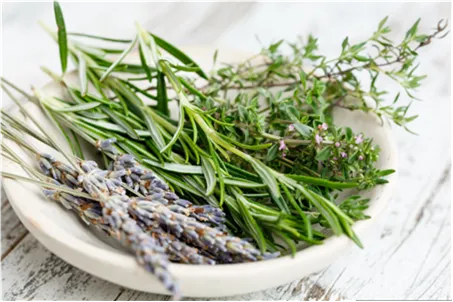
Since the flavor and aroma of herbs deteriorates quickly after picking, immediate use or preservation is recommended. Whether using right away or storing for short or long term, it is important to remove any dead and damaged foliage and to wash herbs in cool running water. Remove extra moisture from rinsing by giving your herbs a gentle shake and laying on a clean kitchen towel. Do not use soap, detergent, or bleach because these liquids absorb into the herb.
For short-term storage in the refrigerator; trim herb stems, place herbs in a glass with one inch of water, and cover loosely with a perforated plastic bag to allow for air circulation. Change water daily. Herbs may last for up to a week stored in this manner. For longer term storage freezing and drying are the preferred methods.
Frozen Herbs
Many common cooking herbs can be frozen, such as parsley, basil, mint, tarragon, chives, cilantro, dill, oregano, sage, rosemary and thyme to name a few. Frozen herbs tend to be limp when thawed, as the cell walls rupture due to the formation of ice crystals; it’s therefore recommended to use frozen herbs in cooked dishes.
Dry Pack
For tender herbs such as parsley, basil, mint, tarragon, chives, cilantro, dill and oregano place leaves on a tray and freeze until frozen solid, approximately one-to-two hours. Pack into an airtight container. For herbs with sprigs, such as rosemary, sage and thyme, place a few sprigs in freezer wrap or in an airtight freezer container.
In Water or Oil
To free herb sin water chop the herbs as you would if you were using them fresh. Fill an ice cube tray half full of water and place one tablespoon of herbs in each compartment. Freeze for 24 hours and then top off compartments with additional water. Freeze until solid, then place herb-cubes in a freezer bag for storage. When you’re ready to use, add cubes straight from the freezer to your soup, stew, or sauce. Note: Each cube will add 1-2 tablespoons of water to the dish.
To free herbs in oil, mix two cups of chopped herbs with 1/3 cup of oil. Pour mixture into ice cube trays to freeze. You can then transfer frozen cubes to a freezer safe bag. Don’t forget to date and label the bag properly. Never store herbs in oil at room temperature, freeze right away to prevent the growth of Clostridium botulinum.
Storage And Use of Frozen Herbs
Frozen herbs stored in an airtight container are good for up to six months when kept frozen. Since herbs have textural changes when thawed due to the formation of ice crystals, it’s best to use frozen herbs in cooked dishes, rather than in fresh dishes or as garnish.
Herbs frozen in water are ideal for liquid-based cooking methods such as soups, stews, or sauces. Herbs frozen in oil can be used in sautés, roasts, and marinades.
Dried Herbs
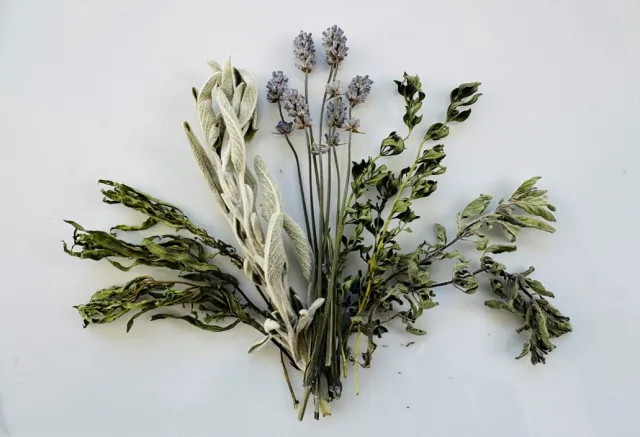
Drying is one of the easiest ways to extend the life of herbs. Simply expose the leaves to warm dry air. Sun drying herbs is not recommended because the herbs can lose their flavor and color. There are two ways to dry herbs: air drying or dehydrator drying.
Air Drying
To air-dry, pick a location indoors that is warm, has low humidity and good air circulation. Sturdy herbs such as rosemary, sage, thyme, and parsley are the easiest to air dry due to the lower moisture content. Tender herbs such as basil, oregano, tarragon, lemon balm, and mint have a higher moisture content and have a higher risk of molding if not dried quickly. Most herbs will take five-to-ten days to fully dry and should be left to air dry away from a sink, stove, or dishwasher since these appliances can increase the humidity in the area.
Method 1: Tie herbs together into small bundles—this is particularly important for tender herbs to allow for faster drying. The bundle width should be no wider than a quarter for sturdy herbs and no wider than a dime for tender herbs. To protect herbs from dust and other pollutants, hang herbs inside paper bags to dry. To ensure good air circulation and prevent mold growth, cut or tear holes in the sides of the bag. Suspend the bunch in the middle of the bag and close the top with a rubber band. This method is ideal for catching seeds in the bottom of the bag for collection.
Method 2: Tie herbs in small bundles, like Method 1, except leave 6 inches of string attached to the bundle hanging. Next, cut a small hole at the bottom of a paper bag and run the string through the bottom of the bag for hanging. The upside down bag is now acting like a lamp shade over the herbs with the open-end of the bag faced down.
Method 3: If you only have a few herb sprigs to dry. Cut or tear holes into paper bag and simply drop herbs into the bag, close and secure the top and hang the bag in a warm, low humidity location with good airflow.
Method 4: This method is especially useful for drying mint, sage, or bay leaf and is meant to air dry leaves separately. Place a paper towel on a cooling rack to start building the first layer. Then, remove the best leaves from the stems and lay the leaves on the paper towel leaving space in between each leaf so they do not overlap. Cover the first layer of herb leaves with another towel and repeat the steps with another layer of leaves up to five layers of leaves. Place a paper towel on top of the final layer of leaves. Leaves dry flat and retain a good color using this method.
In areas of high humidity, you can prepare herbs using the Air Drying Method 4 and place them in a cool oven that is turned off. Typically, the oven light of an electric range or the pilot of a gas range will produce sufficient heat to dry the herbs overnight. Carefully remove the dried herbs from the oven, being mindful that they do not blow off the rack.
Dehydrator Drying
The fastest way to dry herbs is in a controlled temperature and air circulation environment, such as a dehydrator. Preheat the dehydrator to between 95 and 115 degrees Fahrenheit. After rinsing under cool running water and shaking to remove excess moisture, place the herbs in a single layer on dehydrator trays. Drying times may vary from 1 to 4 hours. Check periodically. Herbs are dry when they crumble and stems break when bent. Be sure to read your dehydrator’s instruction manual before beginning for specific details.
Storage and Use of Dried Herbs
When the leaves are crispy dry and crumble easily between the fingers, they are ready to be packaged and stored. Remove the leaves from their stems. Flavor will be best if the herb leaves are stored whole and crushed or ground just before adding to food. Place herbs in sealed glass containers. Label each container with the herb name and date harvested. Store the herbs in a cool, dark place to protect the color and flavor. Most dried herbs keep well for one year.
To use herbs in a powdered or ground form, crush the leaves using a rolling pin, or a mortar and pestle, or a spice grinder. You can be creative and mix your own dried herb blends!
Dried herbs are typically three times stronger in flavor than fresh herbs. To substitute dried herbs in a recipe that calls for fresh herbs, use 1/3 of the amount listed in the recipe. For example, if a recipe calls for one tablespoon of fresh herbs substitute with one teaspoon of dried herbs.
Subscribe to our monthly newsletter for more tips and tricks.
For questions about home food preservation, contact us at slomfp@ucanr.edu or (805) 781-1429.