
Selecting Shrubs for Central Valley Landscapes
Shrubs are important additions to every landscape. They are defined as woody perennial plants and are smaller than most
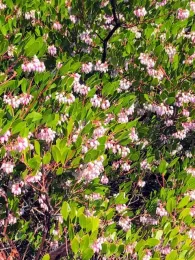
trees, and lack a well-defined central trunk. Shrubs can be evergreen or deciduous and come in many sizes and shapes. If you are considering using shrubs in a landscape, you need to consider the benefits and requirements of each plant.
Form and function are important considerations when selecting a shrub. Shrubs have many forms. They can be erect, low growing, upright, spreading, and small to large sizes in maturity. Shrubs function as screens, boundary markers, hedges, accents, windbreaks, and habitats for wildlife. The added benefit of color and texture creates aesthetic value and interest in a landscape. Many shrubs provide eye-catching foliage and fragrant flowers. Leaves, branches, and flowers can be used in decor. Shrubs also play a significant role in preventing water and soil erosion. They can provide foodstuffs like berries and roots for wildlife and people alike. An important thing to remember is that any plant that produces abundant flowers and berries will require extra maintenance to remove spent flowers or dropped fruit.
A plant's ultimate size in maturity is very important in shrub selection. Most homeowners and landscapers purchase planting materials in 1 to 5-gallon containers. The smaller plant sizes are less expensive, easier to plant, and deceptive! That one-gallon Indian Hawthorn (Raphiolepis indica) may be 12 inches tall and wide, but in a few years it may grow to be six feet tall and 4 to six feet wide. Over-planting and crowding can create a future maintenance problem. If you hate negative spaces while waiting for smaller-sized shrubs to mature, plan ahead to plant and later remove some shrubs in groupings. You could also plant annuals or ground covers as temporary space fillers.
Heat tolerance, sun exposure, and watering restrictions are the most critical indicators of a plant's success in a landscape. Where you plant a shrub can ensure success or failure in the landscape. California's Central Valley is located in Zone 9B in the USDA's climate zone scheme. High summer temperatures, long growing seasons, constant sunshine, and mild winters are typical. A lush garden theme doesn't work when summer daily temperatures average 95 degrees or higher with nary a cloud in sight. This doesn't mean that you need to banish water-thirsty camellias and azaleas from your landscape. You should create microclimates, instead. Look for patterns of sun and shade in the landscape design. Use drip irrigation to group and use plants that have similar water requirements and sun or heat tolerances.
Who knew that plant materials would come in and out of fashion? They do! Many old-time favorites have fallen out of fashion and have been replaced by more drought and sun-tolerant varieties. Think Kangaroo Paws, Bottlebrush, or Little Ollie, a small non-fruit-bearing olive shrub. Succulents and cacti have also become very popular. There are many new plant selections available at local nurseries. The National Institute for Consumer Horticulture is an organization whose mission is to develop and introduce new or improved varieties of plant materials. Thirty-five years ago, these new introductions were not available, and practically every landscape contained an azalea, gardenia, or Firethorn (Pyracantha). While these shrubs may not necessarily be out of favor, they are replaced mainly by more user- and climate-friendly shrubs.
If you are thinking about purchasing shrubs for your landscape, you should visit local nurseries and look for water-wise selections. You should visit local businesses or residences to observe how the plants are growing. Be mindful of form, function, water requirements, and sun tolerances. A good place to search for plant information and water usage is the WUCOLS V website, WUCOLS Plant Search Database. Select "Region 2 - Visalia. Computer search engines can also be a source of information and allow you to see images of specific plants.
Finally, be sure to remember the 6 Ps when designing your landscape: Proper Planning Prevents Poor Plant Performance.
Happy Gardening!