
2026 CISAW Lunchtime Webinar Series
June 8,2026
Weeds and Fire:
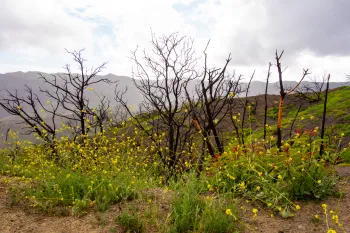
A Dysfunctional Relationship in the Santa Monica Mountains
Presented by Joey Algiers, National Park Service - Santa Monica Mountains National Recreation Area
Over the past two decades, Santa Monica Mountains National Recreation Area (SMMNRA) has experienced repeated large-scale wildfires, with more than 70% of the mountain range burning since 2007. The 2018 Woolsey Fire alone burned nearly 90% of National Park Service lands within the recreation area, dramatically reshaping ecosystems and accelerating the spread of invasive plants across the landscape. These fires highlight a growing feedback between wildfire and invasive species that is transforming Southern California’s natural areas and challenging long-term ecological recovery. In response, SMMNRA has expanded its restoration and invasive plant management efforts at an unprecedented scale. With support from partners, volunteers, and the surrounding community, the park has planted more than 200,000 native plants, treated invasive weeds across thousands of acres, and developed a growing native seed program aimed not only at improving post-fire recovery, but also at increasing landscape resilience and reducing future fire vulnerability through the establishment of less flammable native plant communities. This presentation explores the complex relationship between wildfire and invasive plants in the Santa Monica Mountains, the challenges land managers face in restoring fire-impacted landscapes, and the evolving strategies being used to support recovery in one of the world’s largest urban national parks.
Register for this Lunchtime Talk Here!
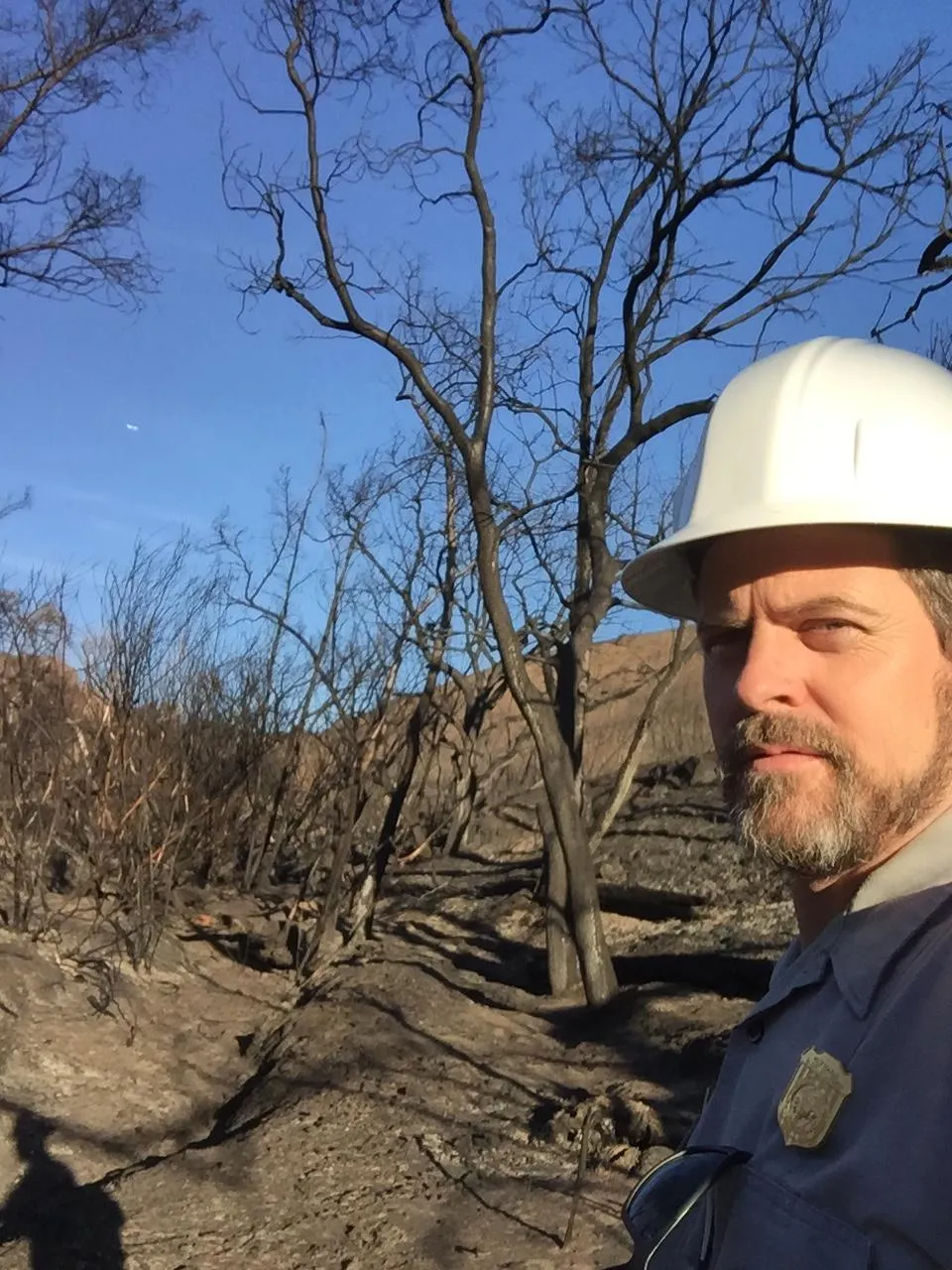
Joey Algiers is the Plant Ecologist and Vegetation Branch Chief for Santa Monica Mountains National Recreation Area, a unit of the National Park Service in the Los Angeles region. He holds an M.S. in Biology from California State University, Northridge and has more than 20 years of experience in restoration ecology and natural resource management in the Santa Monica Mountains. Joey leads large-scale efforts to restore damaged and degraded ecosystems across the park, including rebuilding native plant communities and recovering rare and sensitive habitat. He oversees the park’s invasive plant management program, focusing on some of the region’s most ecologically impactful weed species and their relationship to wildfire, habitat loss, and ecosystem change. In addition to directing restoration operations, Joey oversees the park’s native plant nursery, where locally adapted native plants are grown for restoration, research, education, and conservation. He also collaborates closely with the park’s botany program on long-term vegetation monitoring and ecological stewardship throughout the mountains. Throughout his career, Joey has worked extensively with technicians, students, volunteers, agency partners, and the public to advance restoration science and practical land management in one of the most biologically diverse and urban-adjacent landscapes in the country.
June 9, 2026
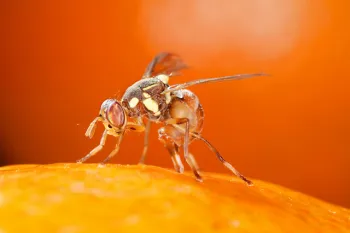
Tiny Flies, Big Threat: California’s Battle Against Invasive Fruit Flies
Presented by Eric Middleton, UC Integrated Pest Management-UC Cooperative Extension
Exotic fruit flies regularly enter California and pose a significant threat to both agriculture and residential gardens. However, prompt response from local and state officials has consistently eradicated these pests before they can become established. Using Mexican Fruit Fly and Oriental Fruit fly as examples, we will cover current and recent quarantines, existing control measures, and what members of the public should do to avoid future introductions of exotic fruit flies.
Register for this Lunchtime Talk Here!
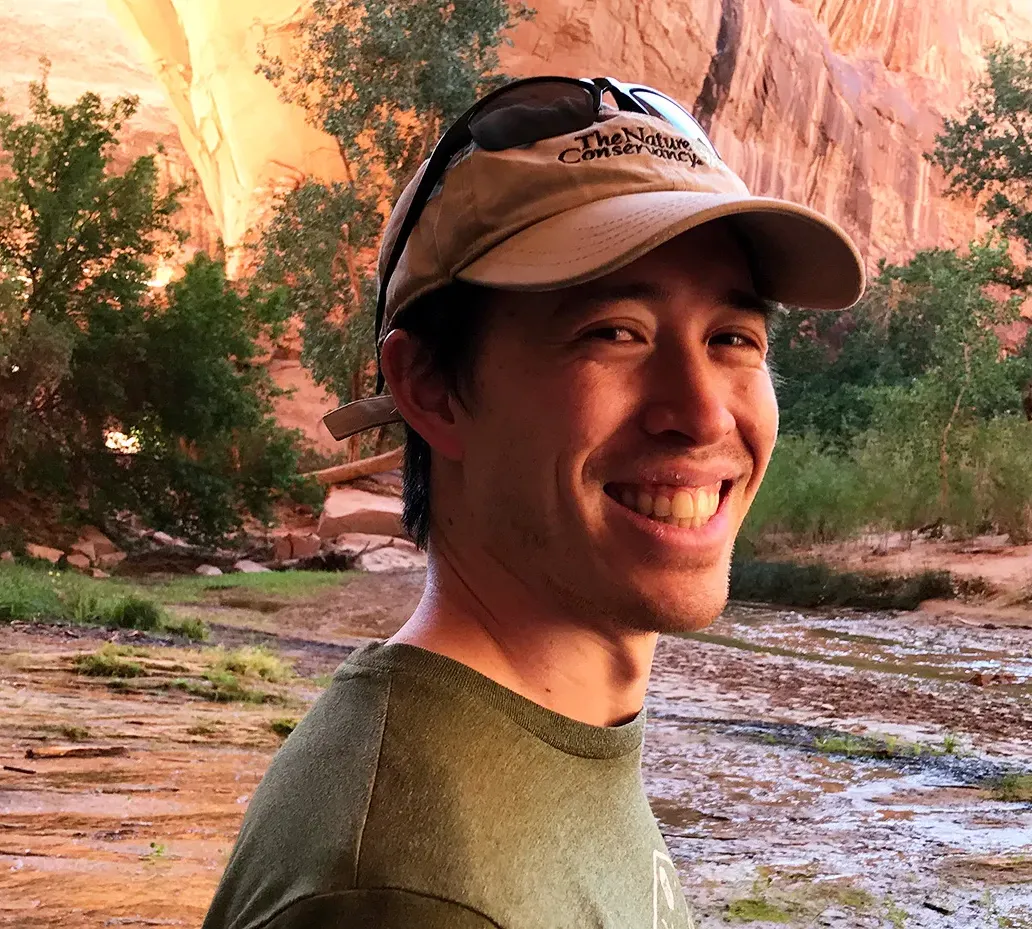
Eric Middleton joined UC Cooperative Extension as an Integrated Pest Management (IPM) Advisor at the beginning of June 2022. Although he is based in San Diego County, Eric is also responsible for IPM needs in Orange and Los Angeles counties. Eric works with growers and communities wherever pests are an issue, including in nursery and floriculture production, citrus and avocado groves, and the many small farms found in San Diego county. Column 2 content
Eric has a background in entomology and integrated pest management. He earned his B.S in biology from the University of Utah before attending the University of Minnesota for his PhD.
June 10, 2026
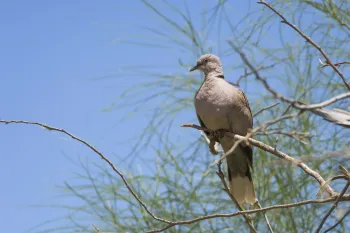
The Bird That Took Over the Neighborhood
Presented by Jeff Stackhouse, UC Cooperative Extension
Eurasian collared doves have spread across North America at remarkable speed, becoming a familiar sight in cities, suburbs, and agricultural areas. This talk explores how this invasive bird adapted so successfully to human environments, what has fueled its expansion, and what its growing presence may mean for native wildlife and agriculture.
Register for this Lunchtime Talk Here!

Jeff Stackhouse works with UC Cooperative Extension as the Livestock and Natural Resource Advisor in Humboldt and Del Norte Counties. He earned Bachelors of Science degrees in both, Rangeland Ecology and Management and Wildlife Resources, then a Masters of Science in Natural Resources Management. His research interests include livestock science, community-based prescribed fire, integrated vegetation management, forage production, wildlife resources, and ecosystem services.
June 11, 2026
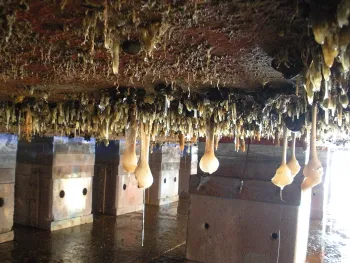
California’s Marine Invasive Species Program: 25+ years of comprehensive pathway management
Presented by Chris Scianni, California State Lands Commission – Marine Invasive Species Program
California’s Marine Invasive Species Program (MISP) was initiated in 2000 and was tasked by the California Legislature with developing, implementing, and enforcing regulations for commercial ships that operate in California to reduce the likelihood of successful nonindigenous species introductions. Over the ensuing 25+ years, the MISP has become a global leader on the development and implementation of science-based regulatory requirements for managing ships’ ballast water and biofouling. MISP staff have inspected nearly 50,000 of the approximately 240,000 vessel arrivals that have arrived at California ports since 2000, ensuring effective management of over 230 million metric tons of ballast water discharged into state waters. The activities of the MISP over these 25+ years have coincided with a three-fold reduction in the detection rate of new aquatic nonindigenous species likely attributable to commercial ships, highlighting the positive impact of MISP actions during this 25+ year span.
Register for this Lunchtime Talk Here!
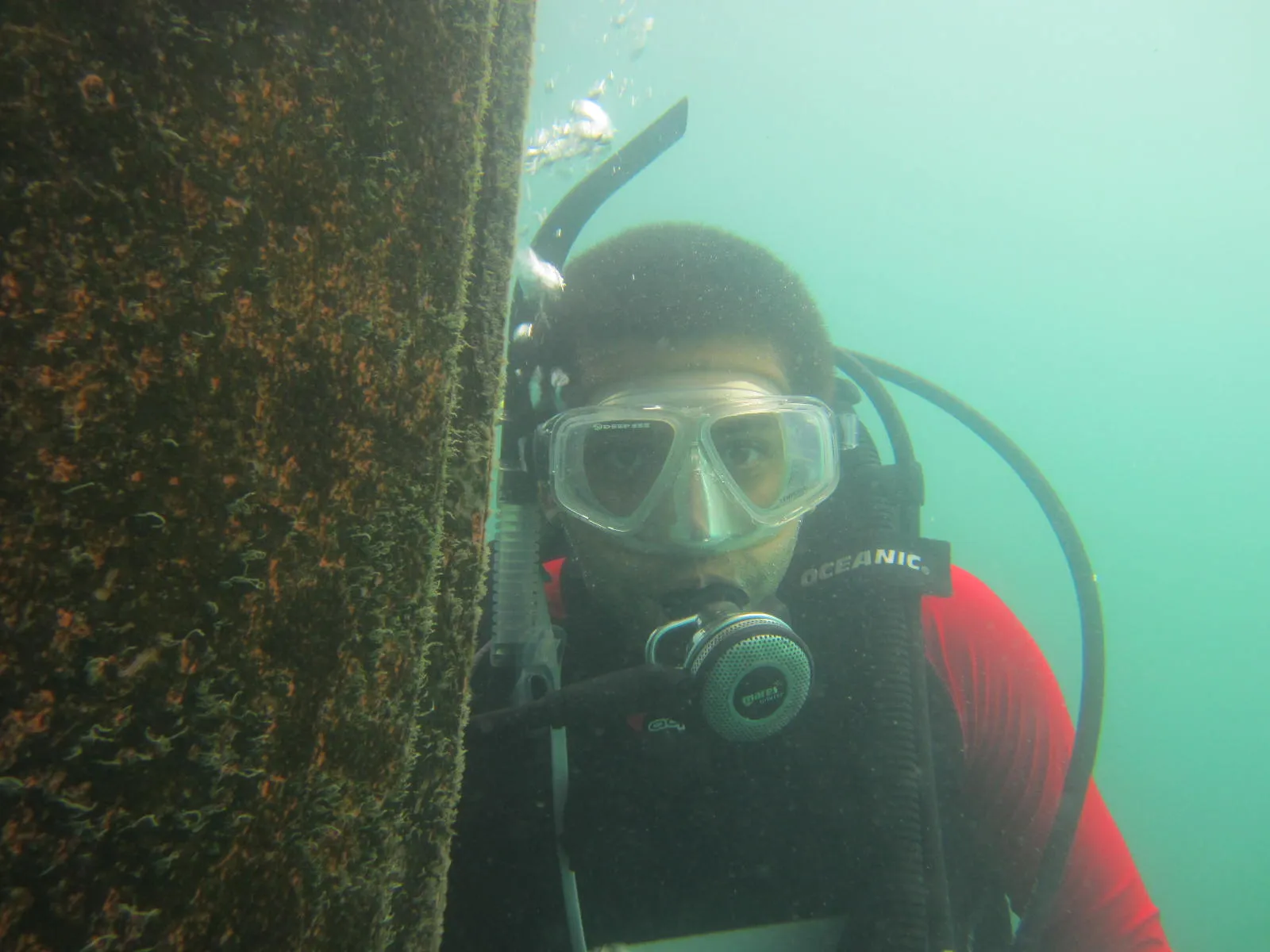
Chris Scianni is the Environmental Program Manager of California’s Marine Invasive Species Program (MISP), a multi-agency program that aims to reduce the introduction of aquatic nonindigenous species from commercial ships into California’s coastal and estuarine environments. Prior to his current role within MISP, Chris led the program’s biofouling research efforts and the development of the first set of comprehensive biofouling management regulations for commercial vessels to be implemented anywhere globally. Chris is also a member of the California Invasive Species Advisory Committee and just completed an eight-year tenure as the chair of the Coastal Committee of the Western Regional Panel on Aquatic Nuisance Species.
June 12, 2026
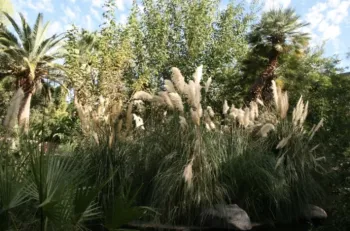
Weeds on the Move: Invasive Plants in California
Presented by Constance Taylor, California Invasive Plant Council
Invasive weeds are transforming California’s landscapes, affecting ecosystems, wildfire risk, and local communities. This talk provides an overview of priority invasive plants, their impacts, and practical resources the public can use for identification, reporting, and management.
Register for this Lunchtime Talk Here!
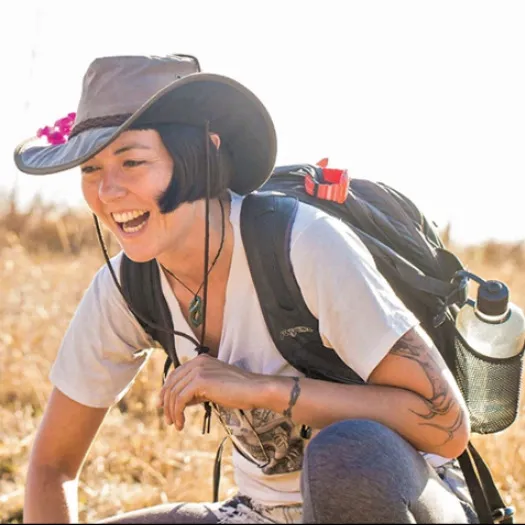
Constance Taylor leads training and workforce development programs for Cal-IPC, bringing over 15 years of experience in environmental education and outreach. Her diverse background—from global conservation projects to creative and technical fields—has shaped her engaging, audience-centered approach. Based in Oakland since 2010, she specializes in integrating cultural literacy, JEDI principles, and IPM concepts into accessible, impactful programs.