
Mulch Matters: Your Garden's Best Defense Against Summer Heat
In the hierarchy of garden miracles, mulch ranks somewhere between rain and someone else pulling your weeds for you.
By applying mulch in your garden, you can enhance the health and appearance of your plants, reduce water use, and even improve the quality of your soil. It prevents the germination and growth of weeds, which compete with your plantings, especially as the weeds grow and draw on the water meant for your plants. During hot afternoons, exposed soil can become extremely warm and stress your plant’s roots. A two- to four-inch layer acts as insulation, helping plants tolerate summer heat more successfully.
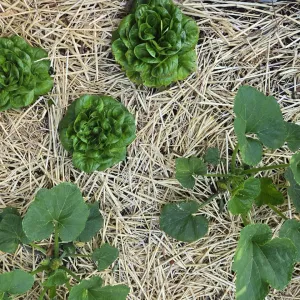
Mulch is composed of anything that is suitable as soil covering for landscape use. One type is organic mulch, such as wood chips and shredded bark, straw (no seeds!), compost, and grass clippings or leaves. These provide weed control and moisture retention, and as they decompose, they release nutrients into the soil. Compost also improves soil structure and fertility, but it may need to be applied more frequently and doesn’t offer as much weed control. Grass clippings and leaves add organic matter to the soil, but can sometimes compact and reduce water flow into the soil. Leaves can be run over with your mower to reduce their size, which will help keep them from compacting on your soil.
There is also inorganic mulch, such as rocks, gravel, and stones, and rubber mulch. These provide long-lasting coverage, but they don’t improve the soil as organic mulches do, and they can heat up, damaging plant roots. Rubber mulches are made from recycled tires and are good for playgrounds and such, but they don’t contribute to soil health and may not provide the same weed suppression that organic mulches do.
It is important to apply mulch properly. Excess mulch piled against trunks and stems—which some call “mulch volcanoes—can encourage rot, fungal disease, and pest problems. It should always be placed a few inches away from the trunks and stems.
It is also important to monitor your watering and adjust your schedule for the presence of mulch around perennial plants. It can decrease evaporation from your soil, allowing the soil to remain wet longer, making the plants more susceptible to root rot. In wet weather, it may be helpful to move mulch away from perennials so that the soil can dry, reducing conditions for root rot.
If used in an informed way, mulch can save water, add aesthetic benefits to plantings, improve soil quality, suppress weeds, and stimulate the growth of your plants.