
Underdog herbs for the home cook
It’s early summer, and many of us are establishing our herb gardens or windowsill collections. I’m all about a classic basil, a fresh oregano, or a familiar sprig of rosemary in my meals, but adding a few unsung herb-heroes to your garden this summer will take your garden – and your dishes – to the next level.
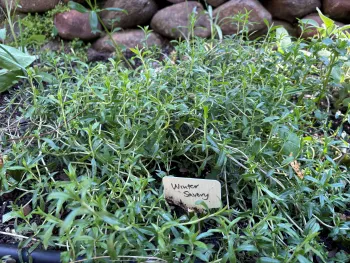
Savory (Satureja)
With a long history in ancient civilizations, savory was used in Egyptian love potions, Greek medicine, and in ancient Rome to flavor wine. Both winter and summer savory have pointed leaves and a peppery flavor – summer savory is a bit sweeter and more delicate, while winter savory has a sharper, almost piney taste. Both varieties prefer full sun and well-drained soil and require regular pruning to promote bushy new growth and good airflow.
Both the leaves and flowers of savory plants are edible, though the taste is more pronounced if you harvest the herb before it flowers. Use the leaves to flavor beans, soups, meat, and poultry dishes.
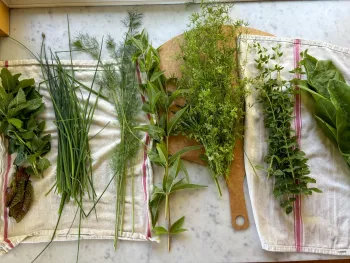
Marjoram (Origanum majorana)
Marjoram is a woody aromatic herb and a kissing cousin to oregano, with a sweeter and more floral flavor. Like all woody annuals, marjoram can get rangy if it’s not kept low to the ground. Remedy this in early spring by cutting woody stems at the base, just above a new set of leaves. Plant marjoram in full sun and well-drained soil, and water moderately
To preserve the best marjoram flavor, pinch off the delicate white flowers before they form. You can harvest the individual tender leaves for egg and chicken dishes, or lop off a whole stem to add flavor to your soups and stews.
Lemon Verbena (Aloysia citrodora)
If you’ve ever brushed by lemon verbena on a summer day, you’re likely to remember the lush, lemony scent. The leaves of this aromatic evergreen shrub were used in Victorian-era perfumes and sewn into the seams of clothes to keep them fresh. A native of South America, lemon verbena can grow several feet tall, so be sure to prune often to prevent leggy growth and contain the size. Plant in fertile, well-drained soils, full to part-sun, and water moderately.
Lemon verbena is best used to make sweet infusions (steep leaves in warm milk or cream for desserts), or teas (steep leaves in near-boiling water for 5-10 minutes). If you want to cook with the leaves, simply remove the mid-rib, chop finely and add to fish or poultry dishes, grind into a pesto, or pair with fresh fruit or jam.
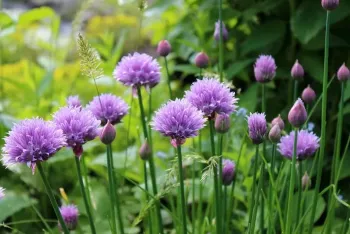
Chives (Allium schoenprasum)
Chives have been used as a medicinal and culinary plant for thousands of years. These perennial, evergreen herbs are easy to establish, growing in clumps that become larger every year. Chives are part of the same family as onion, garlic and scallions, with edible leaves and flowers that bring a subtler flavor and a zing of color. Chives grow best in full sun, though they can tolerate some afternoon shade. Use well-amended soil and keep moist to dry conditions to help these herbs thrive.
To harvest, snip a few leaves that are growing from the exterior of the plant, just above the soil line. Don’t be shy – cutting several times throughout the cutting season will help promote bushy growth.
Nothing quite compares to snipping fresh chives directly onto a simple meal, sun-warm from the garden. Add to eggs, baked potatoes, spreads, and salads, or use the purple flowers to infuse vinegar, or as a beautiful, edible garnish.
So what do you do on that midsummer afternoon when you suddenly have more herbs than you think you can eat? Grab several handfuls of each, toss them in a blender with some lemon, salt, pepper, and avocado for a fresh green goddess that will knock the socks off your next salad or frittata. And if all else fails, let them all flower, and invite local pollinators for a meal.
By Anna Hartley-Simon, May 23, 2026