
Is that fertilizer really organic?

I was recently gifted a five-pound container of a popular fertilizer. Some gardeners swear by it, saying it makes plants grow like crazy. The label listed ingredients like seaweed powder and blood meal - things that sound natural - so I paused before using it. Was this actually an “organic” fertilizer? And what does that really mean?
It turns out that’s not a simple question.
From a chemistry standpoint, “organic” doesn’t mean what most of us think. In chemistry, the term refers to compounds that contain carbon atoms, especially those derived from living matter. By that definition, a wide range of substances qualify - everything from plant material to petroleum products. Even fertilizers we think of as synthetic can technically be “organic” in this sense.
Take urea, for example. It’s one of the most common nitrogen fertilizers used worldwide. Urea occurs naturally - it’s found in the urine of mammals and contains about 46% nitrogen. Plants can absorb it, but not immediately. It must first be converted in the soil into forms plants can use, like ammonium and nitrate. Despite its natural origin, urea is typically manufactured and is considered a synthetic fertilizer in agriculture. Products like this are designed to be concentrated and fast-acting, delivering nutrients quickly.
That brings us to the definition most people have in mind: organic as it relates to food and farming. In the United States, this meaning is set by the United States Department of Agriculture (USDA) through its National Organic Program. Under these rules, organic fertilizers must come from natural sources - plants, animals, or certain mined materials - and be minimally processed. They must also be approved for use in certified organic farming. Materials like compost, manure, bone meal, and seaweed extracts generally qualify, while most synthetic substances do not.
So how can you tell what you’re dealing with?
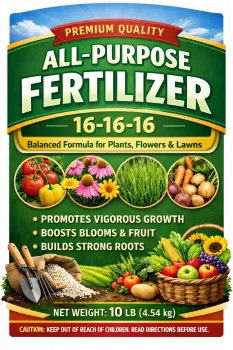
Start with the label. All fertilizers list three numbers, known as the fertilizer grade. These represent the percentage by weight of nitrogen (N), phosphorus (P), and potassium (K), the primary nutrients plants need. For example, a label with an NPK that reads 5-2-2 contains 5% nitrogen, 2% phosphorus, and 2% potassium. The rest is made up of filler materials and sometimes micronutrients.
A useful rule of thumb: fertilizers marketed as organic tend to have lower NPK numbers because they’re made from raw materials with lower nutrient concentrations. Products with high NPK values are usually more refined and concentrated - often a sign they’ve been synthetically produced.
Another clue is certification. Look for a label from the Organic Materials Review Institute. This nonprofit evaluates fertilizers and other products to determine whether they meet organic standards. If a product is OMRI-listed, it’s approved for use in certified organic production.
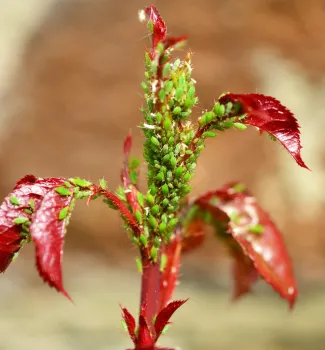
It also helps to understand how fertilizers behave. Synthetic fertilizers are fast and efficient. They deliver nutrients in a form plants can use right away, leading to quick growth, and they’re usually less expensive. But nutrients can be washed away by heavy watering or rain, and the rapid growth they encourage can attract pests like aphids. They also do little to improve soil structure.
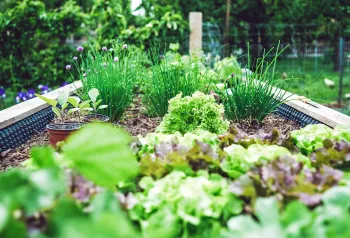
Organic fertilizers, by contrast, work more slowly. They release nutrients gradually as they break down, while improving soil structure and supporting beneficial microbes. They often contain trace elements plants need in small amounts. The trade-off is that they’re less concentrated and can cost more per unit of nutrient.
So, what about that gifted fertilizer? A closer look showed that while it included some natural ingredients, it also contained urea, ammonium phosphate, and potassium nitrate. In other words, it blended organic-sounding components with synthetic ones - meaning it wouldn’t qualify as organic under USDA standards.
In the end, it was a good reminder that labels can be misleading. Understanding what’s in a product - and how it works - makes it much easier to decide what’s right for your plants, your soil, and your priorities.
By Nanette Londeree, May 23, 2026