
Matthew R Rodriguez
Matt is the University of California Cooperative Extension 4-H Youth Development Advisor for mental and emotional health in northern California (Nevada, Placer, Sutter, and Yuba Counties). Matt implements Extension education and applied research programs grounded in positive youth development theory and practice to enhance and improve the mental well-being of youth in 4-H.
In his role, Matt supports local clientele needs and assets and provides support, research, and resources to meet the mental and emotional health needs of youth. Matt is currently developing an applied novel research and Extension education program focused on the intersectionality of screen time, music, and character development of youth. Subthemes to be explored at the intersectionality would include strategies for building capacity of the 4-H statewide program through domains of individual health (e.g. physical, nutritional, economic, relational) and community level contextual factors (e.g., community health assets, built environment, and public policy). Matt is building capacity for 4-H program development (4-H Youth Development; 4-H Healthy Living) to affect critical skills influential to youth mental and emotional health (e.g. coping, mindfulness, stress management, mental health first aid/suicide prevention, college and career transitions) to holistically address 4-H Thriving outcomes and career readiness skills.
Matt earned his PhD from the University of Maryland's School of Public Health in the Department of Family Science. His dissertation, "Influence of Latinx Fathers' Behaviors, Cognitions, Affect, and Family Congruence on Youth Energy Balance-Related Health Outcomes," investigated Latinx father involvement in the context of youth energy balance-related behaviors.
Matt is actively involved in presenting his research at national conferences, such as the National Council on Family Relations (NCFR). He serves on the UC Community Nutrition and Health Program Team, UC Healthy Living Advisory, and is a co-lead for the UC Disaster Preparedness and Resiliency Team for Mental Health First Aid.
Matt and his wife have two adolescents and enjoy spending time together as a family. Matt grew up in a multicultural family (Puerto Rican and Japanese) and enjoys meeting people from all over the world.
PEER-REVIEWED PUBLICATIONS
Hurtado Choque, G. A., Cosavalente, H. P. G., Chan, A. E., Rodriguez, M. R., & Sumano, E. (2022). The development and pilot evaluation of a family-based education to strengthen Latinx adolescent mental health in the United States: The Familias Activas experience. IJERPH, 20(1), 1-13. https://doi.org/10.3390/ijerph20010207
Hurtado Choque, G. A., Rodriguez, M. R., Popelka, J. M., Alvarez de Davila, S., Doig, A. C., Peralta, A., Sutoyo, D., & Reicks, M. (2019). The Development of a nutrition education mobile application (Mhealth) for Latino families: The Padres Preparados, Jóvenes Saludables experience. Journal of Nutrition Education and Behavior, 51(7 Supplement), S72. https://doi.org/10.1016/j.jneb.2019.05.464
Hurtado Choque, G. A., Rodriguez, M. R., Soltani, D., Baltaci, A., Nagao-Sato, S., Alvarez de Davila, S., Monardez, J., Peralta Reyes, A. O., & Reicks, M. (2023). Mixed-methods evaluation of father participation in an adolescent obesity prevention program with multiple delivery methods. Health Promotion Practice, 1-12. https://doi.org/10.1177/15248399231177300
Ko, K., & Rodriguez, M. (2025). Exploring Fathers’ Psychological Well-being Using Supervised Machine Learning Random Forest Analysis. Family Relations.https://doi.org/10.1111/fare.13191
Nagao-Sato, S., de Davila, S. A., Monardez Popelka, J., Burk, G., Soltani, D., Baltaci, A., Peralta Reyes, A. O., Rodriguez, M. R., Reicks, M., & Hurtado Choque, G. A. (2022). Feasibility of a remotely delivered program to prevent Latino adolescent obesity in the Midwestern USA. Health Promotion International, 37(4). https://doi.org/10.1093/heapro/daac106
Rodriguez, M. R., & Hurtado, G. A. (2022). Predictors associated with fathers' successful completion of the FOCUS program. Family Relations, 1-17. https://doi.org/10.1111/fare.12633
Supporting Youth Mental and Emotional Health in 4-H Competitive Environments
Introduction
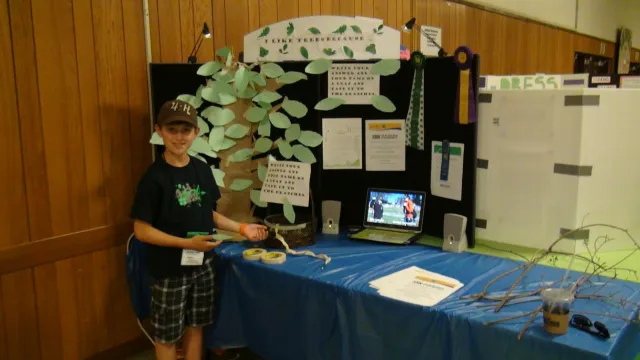
4-H has a long history of using competition as a method of providing feedback on skill mastery and continued task improvement. Preparing young people to show their animals, photographs, rockets and other 4-H projects at county fairs is a critical step in helping them grow. 4-H adult volunteers provide countless hours mentoring and supporting our young people on a variety of 4-H projects, such as animal science, fashion design, and plant sciences, but often the emotional aspects of losing, selling an animal, or making a public mistake are overlooked.
Preparing for a fair, show or competition can take a considerable amount of time, money, and mentorship. Coordinating schedules, paying for supplies, and balancing 4-H project requirements with other commitments can be challenging to keep up. This work can quickly become stressful economically, socially, mentally, and emotionally.
Youth Development and Types of Competition
In 4-H, there are different age groups and competition types. There are four traditional 4-H age groups:
- Primaries, sometimes called Cloverbuds (ages 5-8)
- Juniors (ages 9-10)
- Intermediates (ages 11-13)
- Seniors (ages 14-19)
These age groupings are helpful in determining that, generally speaking, Juniors and above are ready developmentally to compete in activities. Competition rivals should be evenly matched, so it would not be fair for a Senior to compete with a Junior. Competitions run by outside organizations, such as a county fair, may have different age categories.
There are three types of competitions: 1) Goal-identified, 2) Standardized, and 3) Affiliative (Wallace, 2016). Goal-identified competitions measure one’s performance against their own best records (personal best, where you judge your own success). Standardized competitions measure one’s performance against a standard of excellence (rubric, where everyone can win). Affiliative competitions measure one’s performance against other people’s performances (ranking, where there always has to be winners and losers).
The National 4-H Headquarters discourages Primaries (ages 5-8) from participating in affiliative competitions due to a child’s inability to separate self-worth from the tasks they are learning and the approval from their parents (Wallace, 2016). At this stage of development, youth should be exploring interests, learning new skills, and developing passions. Failure can hinder this aspect of youth development, and thus is delayed. While Cloverbuds may not be permitted to compete, they should be included in the county fair experience and supported for the learning they are achieving. Positive feedback and reinforcement on their effort, persistence, attention to detail, creativity and other growth mindset oriented facets is encouraged. As youth develop emotionally and cognitively, they become more developmentally ready to engage in competitive activities.
Reasons for Competition Stress

Youth who participate in competitions may experience stress due to a variety of factors. They may have performance anxiety whereby they feel stressed about answering questions that the judges may ask them. Youth may feel stress with not wanting to disappoint their parents or 4-H project leaders by not receiving an award. They may feel economic stress with not knowing whether their animal will receive an auction amount that will cover the expenses they have already invested in their project. Selling an animal can be sad or confusing. It can also cause stress if youth participate in too many competitions consecutively and are not able to focus.
Lack of sleep can occur as 4-H youth members and their parents prepare for the competition. Leaders may schedule meetings too early or late, or youth may not yet have the time management skills to space out their tasks, procrastinating until the end. Youth who work late into the evenings and get up early in the morning may not receive enough quality sleep, which can also increase their ability to manage their emotions, leading to more tears or angry outbursts. To support, adults should model and create routines around bedtimes to help youth get a good night’s rest, especially ahead of a competition. Youth perform better when rested and have better memory recall for verbal or knowledge tests. To learn about protecting the sleep of youth, please read our previous blog post here.
These stressful emotions are normal and part of our daily human experience. Having stress does not mean that we are unhealthy or sick. Healthy people experience stressful conditions in their normal lives. We live in a world full of stress and learning how to manage feelings is a crucial step to increasing our emotional IQ, which has a significant impact on future success. This is a critical component of youth development; the ability to fail and get back up, the ability to feel nervous and perform anyway, the ability to be sad or angry and not respond inappropriately, the ability to learn how to improve next time by preparing sooner.
Ways Adults Can Support Youth Emotional Wellbeing
Validate Feelings and Listen Nonjudgmentally
When our young people experience stress, we have an opportunity to recognize and validate their feelings. In a previous blog post, we describe the importance of:
- Empathy. Whereas sympathy describes feeling sorry for another person, empathy describes feeling with another person. Empathy seeks to feel what another person feels.
- Acceptance. Refers to withholding judgment and criticism for what another person is feeling. All emotions are a normal part of the human experience. Accepting sad feelings sends the message there is nothing wrong with feeling sad.
- Compassion. Describes having a genuine concern for another person’s suffering and being motivated to help. Compassion focuses on actively supporting another person’s feelings.
One powerful way to support youth who are experiencing stress is to listen empathetically and nonjudgmentally. How can we listen nonjudgmentally?
- Put away our cell phones so we can give the young person our undivided attention
- Be fully present
- Don’t interrupt
- Be curious and ask open-ended questions
- Don’t judge
- Validate their emotions and feelings
- Tell them that you care about them
- Instead of trying to “solve” the issue at hand, consider asking follow-up questions to understand how a youth may be feeling
- Provide a listening ear instead of trying to provide a quick solution to resolve their feelings
Encourage Problem-Solving and Set Expectations
Additionally, allowing children the space to try to solve their own problems builds resiliency and improves self confidence. Instead of providing advice or “I told you so’s,” consider asking what they think might help. What have they tried? What might they do differently next time? What did they learn?
Preparing youth for upcoming conflicts is a very under-utilized strategy. Discuss ahead of time what to expect. Some questions for them to consider can include the following:
- What will the event look like? Will there be a busy arena or a quiet meeting room?
- What do they anticipate doing? Will they be standing next to their quilt to answer questions? What might people ask?
- What could go wrong and how will they handle it? What can they do to help reduce the chance they drop their cake when bringing it to the judge? What will they do if it happens?
- What will you say to the winner if someone beats you?
- What tools can you use to help you feel calm?
- Your animal will be taken away directly from the auction ring and you won't see them again. How can we prepare for this? Is there a way you want to say goodbye?
Adults can help young people role play scenarios to let the youth practice. Rehearse coping skills together. Adults can help youth practice their deep breathing so they can do that if they get nervous before their presentation. Much of worry and stress is fear of the unknown and not knowing how to handle things.
Encourage Skill Development and A Growth Mindset
For 4-H’ers who are preparing for a competition, adult volunteers and parents can remind young people about the importance of skill development and having a growth mindset, which is “the belief that a person’s intelligence and abilities can grow and improve with practice” (See American Psychological Association episode). Beyond having discussions with youth, modeling appropriate strategies when coping with stress or demonstrating a growth mindset goes a long way. Getting an award is out of our control, but what is within our control is studying, preparing, and having a good attitude about learning. As such, adults can praise the effort the youth are investing in their project and how much they are learning. The emphasis should be on the learning process and not on ribbons, rankings, or rewards. Cheating is never acceptable. Poor sportsmanship is disrespectful. Personal pride and learning are the most important aspects.
Adults can nurture young people who experience unmet expectations. A youth who was expecting to win best of show may feel devastated. In these moments, adults can comfort the young person and show them that they feel the hurt that the young person is feeling in the present moment. The focus is on trying to validate the emotions that the young person is feeling. Rather than criticizing the youth for not placing in the competition, the caring adult can tell the young person how proud they are of them and the amount of learning that the young person has gained. Oftentimes, simply listening is most helpful during these stressful times.
Focus on Internal Motivations
Research also shows that intrinsic motivation (internal feelings) is more powerful than external. Internal motivation are things like: a feeling of pride, acknowledgement of growth, feeling helpful, personal satisfaction from hard work. External factors such as belt buckles and ribbons can actually have a negative impact on the willingness of youth to try new things. For example, a youth may think, “I am really good at X, but I could be terrible at Y and get embarrassed!” 4-H is one of the only places where it is okay to fail! In 4-H, youth can try something new and not feel embarrassed! Therefore, encourage youth to find internal reasons to feel good. Instead of saying you are proud, ask if they are proud of themselves. We may say, “You must be so proud for the way you handled that incident with the rabbit.”
Focus on Character Development
Encouraging character traits, instead of outcomes, has a tremendous impact. Do you want your child to win at this singular event? Or to learn how to handle criticism, manage their time, and develop a work ethic? The former is a single event… the latter a lifetime of success. Some key things to look for and encourage:
- Switching gears when a tactic doesn't work = flexibility
- Shaking the hand of the winner = good social skills
- Starting on a project early= good time management skills
- Lending a tool to someone else = helpfulness
- Managing when something breaks = resourcefulness
- Double checking an item before submission = conscientiousness
- Going above and beyond the minimum requirement = work ethic
- Asking questions ahead of time = preparedness
- Doing something a new way = creativity
- Cleaning up an area = forethought
Conclusion
4-H is a wonderful experience that allows youth to grow and develop emotionally and experientially. For some young people, participating in competitions can provide a rewarding and sometimes stressful experience. During these stressful situations, 4-H adult volunteers and parents can nurture young people through validating their feelings and listening non-judgmentally. In doing so, adults can play a significant role in the young person’s life.
Reference
Wallace, M. (2016). A developmental framework of 4-H competition for volunteers. Read the article here.
Cultivating Emotionally Healthy Beyond Ready Skills
Introduction
We all have feelings. And they matter. Feelings help us learn about ourselves and others. Despite their benefit, many of us have a hard time identifying feelings. In his book, Permission To Feel, Dr. Marc Brackett encourages us to lean in to our feelings. By doing so, we can lead more healthy and productive lives. This becomes especially important for those of us who work in youth development programming, such as the 4-H program. By learning about our own feelings, we can help youth identify their own feelings. This blog post is a review of Brackett's book Permission To Feel.
Why Feelings Matter
Feelings are information. Brackett writes, "Our multiple senses bring us news from our bodies, our minds, and the outside world, and then our brains process and analyze it and formulate our experience. We call that a feeling." Researcher Daniel Goleman in his book, Emotional Intelligence explains that emotional intelligence (EQ) is a better indicator of career success than intelligence quotient (IQ). Through learning how to manage our own feelings and learning how to recognize the feelings of others, we can improve our interpersonal and intrapersonal skills. By helping youth learn about emotions, we can help prepare them to be "beyond ready" for their current and future goals.
Feelings are also related to our physical health. While emotional stress can lead to physical sickness, positive feelings can lead to physical wellness. Research has linked hostility and anger to heart disease. Negative emotions are also related to hypertension (elevated blood pressure), increased heart rate, and decreased function of the immune system.
Because of the importance of feelings, Brackett provides a set of specific skills that we can develop that will help us to become emotion scientists. People who can identify feelings and can manage them in ways that promote wellness. Brackett provides an Acronym: R.U.L.E.R.
Developing RULER Skills
R. The first step to becoming an emotion scientist is to recognize when an emotion happens. To do this, we can observe a change in our own thoughts, energy, or body. We can also see someone else's emotions in their facial expression, body language, and tone of voice. These observations provide us with information about what feelings may be happening in ourselves and others.
U. The second step is to understand the cause of the emotions. When we understand the cause of emotions, we can see how the feelings shape our thinking and our decisions. Understanding feelings helps us forecast how we behave and how others behave.
L. The third step is to label the feeling. Labeling feelings includes the process of connecting an emotional experience to a descriptive word that describes the feeling. Having a robust vocabulary of feeling terms can increase our accuracy in describing emotions.
E. The fourth step is to express our feeling. Key to this step is knowing a helpful way to display our emotions and under which timing to do so. Social context can play an important role in helping us make decisions on expressing our feelings in meaningful and helpful ways.
R. The last step is to regulate our feeling. Regulating our emotions includes the ways we monitor and modify our emotional reactions. By doing so, we can increase our chances of personal and professional success.
By practicing these R.U.L.E.R. emotional skills, we can increase our emotional intelligence and help others improve theirs as well. For those of us who serve youth, teaching youth how to develop RULER skills can help them better understand themselves and relate to their peers. In addition to RULER, Brackett provides one more important emotional intelligence tool called The Mood Meter.
Measuring Feelings Using The Mood Meter
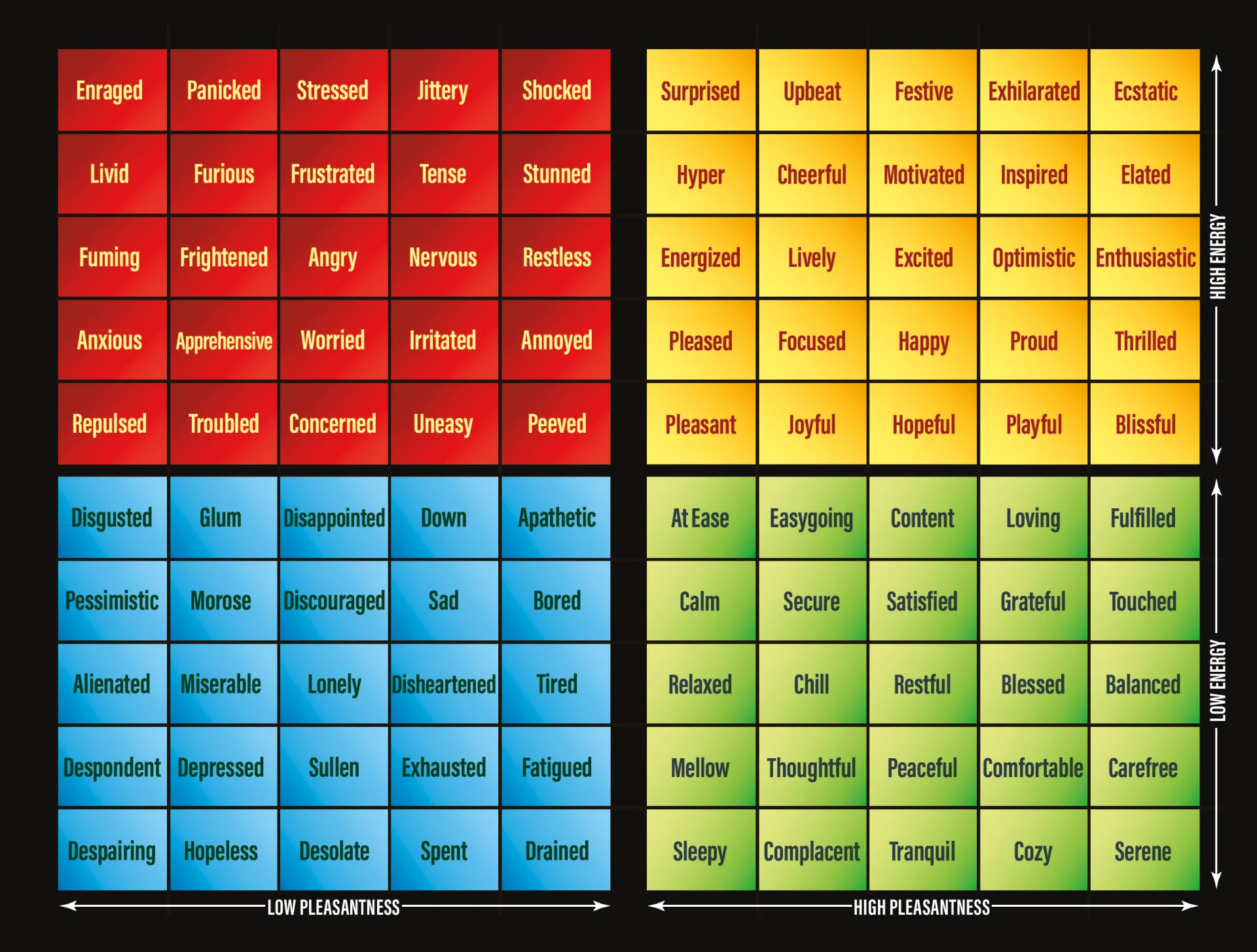
The Mood Meter provides a matrix of feelings that are organized into four main categories: 1) Low Pleasantness and Low Energy, 2) High Pleasantness and Low Energy, 3) Low Pleasantness and High Energy, and 4) High Pleasantness and High Energy. In Figure 1, we see that each category is represented with a color: Blue, Green, Red, and Yellow. In general, the blue color represents when a person feels lonely, the green color represents when a person feels restful, the red color represents when a person feels angry, and the yellow color represents when a person feels excited.
But because emotions can vary, there are gradients of feelings that can occur within each of the four quadrants based on the degree of pleasantness and energy. For example, a person may feel more than angry, they can feel enraged because they feel a very low rate of pleasantness and a very high rate of energy. This person feels more than just angry, they feel enraged. In this example, the descriptive word "enrage" more accurately describes the person's feeling than merely "angry." Or suppose a person just got married and feels more than excited, they feel ecstatic. While excited may describe the person's feeling, if they have a high rate of energy and a high degree of pleasantness, a more accurate descriptor of excited would be the word "ecstatic." These two examples show the power of using labels that accurately describe our feelings.
Figure 1. The Mood Meter by Dr. Marc Brackett. See his website to download The Mood Meter.
Conclusion
Feelings play an important part in our lives. As such, we have the privilege (and permission) to feel. By leaning into our feelings, we can explore a wonderful world of emotions. We can also help others tap into their own emotional world as well. For those of us who work in youth development, helping young people apply their R.U.L.E.R. skills can help them increase their emotional intelligence so they can become "beyond ready" for their current and future goals. And helping youth learn how to label their emotions by using The Mood Meter can help them better describe their emotions. As we increase our emotional literacy, we can lead healthier and more productive lives.
References
Brackett, M. (2019). Permission to feel: The power of emotional intelligence to achieve well-being and success. Celadon Books.
Goleman, D. (2005). Emotional intelligence: Why it can matter more than IQ. Bantam.
Logistical Considerations When Implementing a 4-H After School Program
Introduction
In our previous post, we discussed the importance of assessing staff capacity. Assessing the after school staff’s capacity is an important consideration when discussing a partnership. Also, understanding your 4-H staff’s capacity can also help ensure that your partnership will have the resources needed to be successful.
In this blog post, we will look at the importance of considering logistics when forming a new partnership. Logistics can include components, such as program schedule, facilities, number of students, age range of students, adult facilitator(s), curriculum, lesson planning , train-the-trainers, safety, communications, marketing, after program evaluation, and start/end dates of the program. Another way to think about logistics is to ask the five Ws:
- Who
- Who is the point of contact for the school?
- Who is the point of contact for 4-H?
- Who will lead the youth program sessions? (What is “plan B” if there is staff turnover?)
- Who will the program target (e.g. youth age range, number of students)?
- What
- What 4-H program will be used?
- What supplies will be needed?
- Where
- Where will the program take place?
- When
- When will the program start/end?
- When do the curriculum kits need to be ready for pick up/drop off?
- Why
- Why does the school want to implement the program?
- Why does 4-H want to implement the program?
The reason why we consider logistics when planning a partnership is because we want to ensure that both parties (e.g. the school and 4-H) have a crystal clear expectation of each other’s roles and responsibilities. Assumptions can lead to ambiguity, which can result in unmet expectations, confusion, and lack of program impact.
Our CA 4-H study outlined four emergent themes to consider when planning logistics:
- Verify facility essentials (sink, power, tables, kitchen, quiet space) for curriculum before committing.
- Be flexible on the amount of time needed for delivery, without losing core outcomes.
- Adult coverage matters: Name who handles behavior and transitions during sessions.
- Adaptation toolkit: Reach out to 4-H Advisors/Agents to provide ideas for swaps for materials, timing, and cultural relevance
Checklist
Here’s a checklist of important items to consider when planning the logistics of an after school 4-H program:
- Conduct a quick site scan (space, storage, water/power, safety rules).
- Agree on session length, total weeks, and start/end times in writing.
- Confirm adult coverage and a backup plan for absences/turnover.
- Share a one-page “adaptations menu” (materials, timing, extensions).
An Applied Example
Suppose your 4-H program has identified a partner and is ready to start planning the logistics of a 4-H Junior Master Gardener program implementation. The school principal has shared that there is a school garden but she does not know if it is “working.” She asks 4-H to check it out.
The 4-H educator schedules a date to visit the school and brings along their local Cooperative Extension Master Gardener to perform a site scan of the school garden. Upon arrival, the Master Gardener sees there is no water source and that a big tree is casting shade over the entire garden, preventing plants from having adequate sunlight.
Afterwards, the 4-H educator meets with the after school site director and learns their program facilitator will be on maternity leave for six months. They also mention they would like the garden education program to serve 200 youth for the entire school year. The director shares there has been some staff turnover recently and the after school classroom needs to be shared with another youth program concurrently.
The 4-H educator takes detailed notes during this initial after school site visit and debriefs with their 4-H team back at the Cooperative Extension office. The 4-H team then discusses each challenge one-at-a-time to determine the next steps. A memorandum of understanding (MOU) document is created that outlines the logistical details for the garden education program along with specifics for the roles and responsibilities for each partner. Included is an adaptations one-pager for different scenarios. This MOU is shared with the principal and after school site director for feedback and then approval.
This example illustrates how planning for logistics is an essential step when creating a new 4-H afterschool program partnership.
Partnering with Schools to Provide Expanded Learning: Assessing Staff Capacities and Support

Introduction
Partnerships between 4-H and expanded learning sites are a great way to provide high quality programming to youth. When 4-H partners with expanded learning programs (e.g. schools, Boys and Girls clubs, YMCAs), youth who may not otherwise participate in 4-H are able to have high quality experiences that promote positive youth development (Junge et al., 2025). Additionally, expanded learning partnerships are an excellent way to meet 4-H’s Beyond Ready Goal of reaching 10 million youth by 2030.
In the last article, we focused on the structure of partnerships between 4-H and expanded learning sites. We outlined the importance of establishing roles, responsibilities, and communication when building a strong partnership. In this article, we will dive deeper into staff capacity and support for 4-H professionals and expanded learning partners. Paying careful attention to staff capacity and limitations, as well as opportunities for support, provides 4-H expanded learning partnerships with the stamina and bandwidth to last long into the future.
It is important to consider capacity and staff support when creating and delivering a program. When both 4-H and expanded learning professionals feel supported in the work, collaborative programs can have a lasting impact. Careful attention to staff capacity will ensure all pieces of a program are accomplished without overextending staff. When all partners have the support, time, and space needed to deliver a program, the partnership can maintain long into the future.
Results
Results from the California 4-H study revealed three themes to consider related to staff capacity and support.
- Understand the right role for 4-H: 4-H educators may benefit from providing professional development, materials, and technical support rather than delivering weekly lessons.
- Rely on state-provided training: When expanded learning partners attend state-provided training in 4-H curriculum it can help relieve 4-H staff from additional responsibilities. However, if you have to provide local trainings, make them short, practical, and provide lesson run-throughs.
- Peer back-up and support: Lean on colleagues and volunteers for support.
Checklist:
When thinking about staff capacity and support, here are some important things to consider:
- Block time for partner cultivation, trainings, and short post-session debriefs.
- Prepare a facilitator kit for expanded learning partners: calendar, contact information, attendance/enrollment tools, and tip sheets.
- Identify helpers/support systems for training, coverage, and trouble shooting.
- Stage materials by week; label bins and share a restock plan.
Consider this Scenario:
You have agreed to deliver a 4-H Healthy Living program to a local Boys and Girls club. Your Boys and Girls club partner does not feel confident delivering the program alone, however, you do not have the capacity to deliver the lessons yourself. To solve this problem, you decide to create a local training on the Healthy Living curriculum. You provide your expanded learning partners and an eager 4-H volunteer practical program delivery tips and run through each lesson in the curriculum. After the training, your expanded learning partner feels confident delivering the program and the 4-H volunteer is prepared to support your partner by providing hands-on help with lesson delivery.
Closing Thoughts:
As outlined in this article, paying careful attention to staff capacity and support can help 4-H deliver strong expanded learning programs. When everyone feels supported in their role, and have the time and space to accomplish their responsibilities, programs run smoothly and staff have the bandwidth to commit to these partnerships.
Please consider reading theFact Sheet: Growing 4-H with Expanded Learning Partnerships to learn more about how to create successful partnerships with afterschool programs.
Building Empathy, Acceptance, and Compassion for People Experiencing A Mental Health Challenge
Introduction to Mental Health Stigma
According to the Centers for Disease Control, the prevalence of any mental illness (AMI) for U.S. people in 2022 was 23.1% of the U.S. adult population. Using data collected from 2001-2004, the prevalence of any mental disorder for U.S. adolescents (ages 13-18) was 49.5%. These figures reveal that mental illness is a significant part of our U.S. population. As such, why is it sometimes difficult for us to talk about the topic of "mental health?"
One of these reasons is because of mental health stigmas. Stigmas can refer to negative attitudes, beliefs, and stereotypes that we assign to people experiencing a mental health challenge. Rather than using person-first language, we sometimes hear people talk about "schizophrenics, autistic persons, or people who are bipolar." Person-first language would refer to "a person experiencing schizophrenia, a person with autism, or a person with bipolar disorder." The key differentiation is that person-first language describes what a person "has" instead of referring to what the person "is" (National Institutes of Health).
Another reason why it may be difficult for some to talk about mental health is due to fear. This feeling can be especially concerning in small rural communities where everyone knows everyone and rumors can spread like wildfire. Opening up and talking about a close family member (or yourself) who has a mental health challenge can be misused by others through gossip.
Unfortunately, some people may view mental health challenges as an opportunity to put a "label" on a person. "That person is a mental case." Or, "That person is bipolar." These labels are not only harmful, but they continue the spread of mental health stigmatization in our communities.
Addressing Stigma through Empathy, Acceptance, and Compassion
To counter mental health stigma, we have an opportunity and responsibility to practice empathy, acceptance, and compassion with each other. This becomes especially important when supporting a person facing a mental health challenge. When we speak of the term empathy, we are not describing sympathy. Whereas empathy involves being able to feel what others are feeling, sympathy refers to feeling sorry for another person. Empathetic listening seeks to understand the pain that someone is experiencing and trying to imagine oneself in a similar situation.
When referring to acceptance, we can refer to the validation and acknowledgment that someone is experiencing a mental health challenge. When we accept, we withhold judgment and criticism. We recognize that we cannot fully comprehend or know what the other person is going through but we can listen empathetically.
Last, when referring to compassion, we can define it as, "a genuine concern for the sufferings of others and being motivated to enhance their well-being" (Sengupta and Saxena, 2024). Whereas empathy is recognizing and trying to feel what others are feeling, compassion is focused on mitigating another person's pain. The emphasis with compassion is on action.
How to Listen Empathetically
In the Mental Health First Aid training, participants learn about the ALGEE action plan. This acronym refers to these five actions: 1) Assess for risk of suicide and self-harm, 2) Listen non-judgmentally, 3) Give reassurance and information, 4) Encourage appropriate professional help, and 5) Encourage self-help and other support strategies. When we listen non-judgmentally, we refrain from offering advice or unsolicited guidance. We decide to pause our personal biases so we can foster a sense of curiosity and concern about what the other person is saying and feeling. Listening empathetically requires that we focus on what others are saying and demonstrating with their body language. Here are some ways to listen empathetically:
- Put away your cell phone so you can give the other person your full attention
- Be patient and fully present
- Don't interrupt
- Paraphrase what the other person says
- Validate their feelings
- Ask open-ended questions
- Tell them you care about them
Ways to Show Compassion
As we seek to understand and feel what someone is going through, we have an opportunity to respond with compassion. As we learned earlier, compassion is the motivation to mitigate another person's pain. One way to show compassion is to validate a person's feelings and actively listen.
Rather than offering "advice," we may gently ask if we can connect them with professional help. For example, when listening to a person experiencing a mental health challenge, there are many professionals we can gently recommend, such as:
- School counselors
- Primary doctors
- Licensed therapists
- Psychologists
- Support Groups
Being present with another person who is going through a challenge is an important way for us to show compassion. Letting them know that "I'm here for you" can mean the world to someone experiencing a mental health challenge. By showing our support, we are letting them know that they matter to us.
Self-Care for Supporters
As we care for others who are experiencing a mental health challenge, we may feel "drained." Helping others through a difficult time can deplete our own mental and emotional resources. In essence, our "tank" may be depleted and in need of refueling. One way to refuel ourselves is through the practice of self-care. In my previous blog post, I write that the World Health Organization defines self-care as "the ability of individuals, families and communities to promote health, prevent disease, maintain health, and cope with illness and disability with or without the support of a health worker."
There are numerous self-care strategies, such as:
- Physical activity
- Eating and drinking healthy
- Prioritizing quality sleep
- Setting boundaries
- Prioritizing positive relationships
Conclusion
Supporting people who are experiencing a mental health challenge is an important part of our normal lives. Through seeking to reduce mental health stigma, we can play an important role in normalizing discussions about mental and emotional wellbeing. Specifically, acceptance, empathy, and compassion can help others who are experiencing a mental health challenge. As we care for others, we also need to care for ourselves through practicing self-care. In doing so, we create a more resilient community.
References
Deek, H., Hamilton, S., Brown, N., Inglis, S. C., Digiacomo, M., Newton, P. J., ... & FAMILY Project Investigators. (2016). Family‐centred approaches to healthcare interventions in chronic diseases in adults: a quantitative systematic review. Journal of advanced nursing, 72(5), 968-979. https://doi.org/10.1111/jan.12885
Merkuri, S. L., Kamberi, A. D. F., & Gabrani, P. J. (2023). Self-care for health and wellbeing–a literature review. Medicus, 7(2). https://doi.org/10.58944/qltp2509
Sengupta, P., & Saxena, P. (2024). The art of compassion in mental healthcare for all: back to the basics. Indian Journal of Psychological Medicine, 46(1), 72-77. https://doi.org/10.1177/02537176231158126
What Is Mental Health First Aid?
Introduction
Supporting the mental and emotional wellbeing of youth is a priority of the 4-H positive youth development program. In fact, each of the four Hs (Head, Heart, Hands, and Health) relate to mental wellbeing. Our head is the place where we think, have emotions, and make decisions. Our heart is a metaphor for the love and warmth we share with others experiencing a mental health challenge. Our hands are used to serve the needs of those experiencing a mental and emotional challenge. And our health encompasses our physical, mental, and emotional wellbeing. The University of California Cooperative Extension program prioritizes youth mental wellbeing through its public value of "Promoting healthy people and communities."
What is Mental Health First Aid?
Mental Health First Aid (MHFA) is a training program that teaches how to provide initial care for people struggling with mental health challenges. Created in Australia in 2000, this evidence-based program has expanded worldwide to 50 countries with over 54,800 instructors training over 8.5 million people worldwide (Mental Health First Aid International, 2026). Just in the United States, MHFA has trained 4.5 million people.
The goals of MHFA are to: 1) educate adults about common mental health challenges, 2) reduce mental health stigma, 3) teach adults how to recognize the signs and symptoms of a person in crisis, and 4) equip adults with skills and resources to support a person having a mental health crisis (Iaccopucci et al., 2024).
Central to MHFA is the ALGEE action plan, which provides a framework for how to respond to a person experiencing a mental health challenge. ALGEE is an acronym that represents: 1) Assess for risk of suicide and self-harm, 2) Listen nonjudgmentally, 3) Give reassurance and information, 4) Encourage appropriate professional help, and 5) Encourage self-help and other support strategies.
Types of MHFA Training
There are three primary MHFA trainings: 1) Adult Mental Health First Aid (MHFA), 2) Youth Mental Health First Aid (YMHFA), and 3) Teen Mental Health First Aid (TMHFA). The Adult MHFA training is designed for adults who work and interact with other adults. In the context of the 4-H youth development program, this can be the interactions that 4-H professionals have with each other and with other adult 4-H volunteers.
The Youth MHFA training is designed for adults who work with youth. In 4-H, this can be adult 4-H volunteers who lead projects or lead a community club of youth members. In an after-school setting, this can be a school staff who leads a 4-H project in out-of-school time, such as after-school.
Last, Teen MHFA is designed for teens to support their peers. In 4-H, these can be teens who support their friends in 4-H and also at school. While each of these programs are unique, they all rely on the ALGEE action plan as the core way in which we respond to people experiencing a mental health challenge.
Does MHFA Work?
Since 2013, there have been over 90 peer-reviewed scientific studies on MHFA. A study of 384 Australian parents of adolescent youth (ages 12-15) revealed a non-significant reduction in adolescent cases of mental health problems, a non-significant improvement in parental support reported by adolescents with a mental health challenge, and a non-significant improvement in the quality of parental support of adolescents with a mental health challenge (Morgan et al., 2020). This study also found a significant improvement relative to a control group regarding parental knowledge of youth mental health challenges and adolescent perceptions of parental social support.
A study of 988 students receiving Teen MHFA found statistically significant improvements in mental health literacy, confidence in providing MHFA to a peer, help-seeking intentions, and student mental health (Hart et al., 2016). This study also found a significant reduction in stigmatizing attitudes.
A study of 246 adults in Australia found significant improvements in recognition of schizophrenia, confidence in offering help, knowledge of adolescent mental health challenges, and application of the ALGEE action plan (Kelly et al., 2011).
The MHFA evidence-based program helps people identify the signs and symptoms of mental health challenges and know how to respond using the ALGEE action plan. In particular, MHFA has been shown to:
- Reduce stigma and increase empathy toward those with mental health challenges
- Increase knowledge of the signs, symptoms, and risk factors of mental health and substance use challenges
- Increase confidence and likelihood to help someone in distress
- Increase skills and knowledge as First Aiders to manage their own mental wellbeing
Learn more about the impacts of MHFA here.
Where To Get MHFA Training
The California 4-H program offers trainings for Adult MHFA, Youth MHFA, and Teen MHFA. The cost is $125 per person, which provides access to the online curricular materials along with 8 hours of instruction. There is an online registration where you can pay via credit card.
NOTE: For those who are a California 4-H professional (Advisor, CES, RPC, etc.), active 4-H volunteer, or 4-H teen member, there are a limited number of fee waivers. To learn more about Youth MHFA and Teen MHFA, please contact Ally Lemmer (alemmer@ucanr.edu) or Jenna Colburn (jcolburn@ucanr.edu) at the CA statewide 4-H office. In addition, please contact 4-H Advisor Matthew Rodriguez (mrro@ucanr.edu) for questions pertaining to Adult MHFA classes.
References
Hart, L. M., Mason, R. J., Kelly, C. M., Cvetkovski, S., & Jorm, A. F. (2016). ‘teen Mental Health First Aid’: a description of the program and an initial evaluation. International journal of mental health systems, 10(1), 3.
Iaccopucci, A. M., Lobenstein, M. M., Lewis, K. M., & Norrell-Aitch, K. (2024). Implementing Youth Mental Health First Aid Training in Cooperative Extension Programs. Journal of Human Sciences and Extension, 12(3), 2.
Kelly, C. M., Mithen, J. M., Fischer, J. A., Kitchener, B. A., Jorm, A. F., Lowe, A., & Scanlan, C. (2011). Youth mental health first aid: a description of the program and an initial evaluation. International journal of mental health systems, 5(1), 4.
Morgan, A. J., Fischer, J.-A. A., Hart, L. M., Kelly, C. M., Kitchener, B. A., Reavley, N. J., Yap, M. B., & Jorm, A. F. (2020). Long-term effects of Youth Mental Health First Aid training: randomized controlled trial with 3-year follow-up. BMC psychiatry, 20(1), 487.
Securing Partnerships for Beyond Ready Youth
Introduction
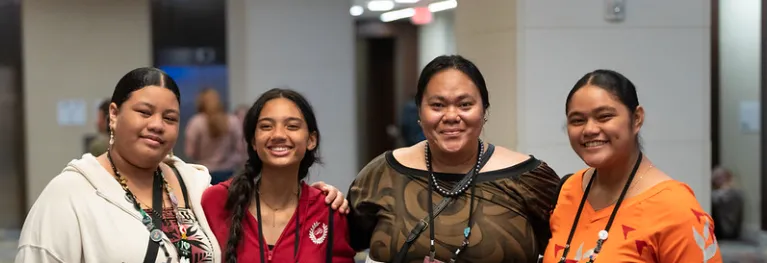
4-H partnerships with expanded learning programs can help transform the lives of thousands of young people. These partnerships teach youth new skills and interests (Rudd and Brower, 2013), building generations that are ready for their futures. By extending 4-H opportunities beyond traditional 4-H club settings, these partnerships can help youth explore new topics, find their spark, and pursue meaningful pathways for learning and life!
Our previous post highlights the value of partnering with expanded learning programs; this one focuses on the process of securing a new partnership. Establishing a new partnership can be both rewarding and daunting, especially if you haven’t done so before or are connecting to a new community. The following steps will guide you from identifying prospective partners all the way to finalizing the agreement.
Step by Step Overview
- Budget ample time. Plan for long timelines, buy-in challenges, and bureaucracy.
- Understand your program requirements. Know your institution’s guidance around audiences served, content taught, hours delivered, supply and staff budgets, etc.
- Identify potential partner organizations. Look up afterschool programs in your county (e.g. Girls, Inc; Boys & Girls Clubs; and YMCA programs). Consider your demographics, site goals, and commute times.
- Establish a connection. Identify your top three choices of partner organizations. Start by calling or emailing your first choice. If you don’t hear back within 3-5 days, send a follow up. If communication remains difficult, move on to another option. Clear and timely communication helps partnerships start strong.
- Find the champion(s). Once you connect with an organization, engage the site decision-maker and the on-site daily lead. Learn about their work, communication preferences, and availability. Identify your primary point of contact.
- Identify their priorities. Ask what they seek in programming. What has gone well in the past? What kinds of challenges have they faced? What are their goals and constraints?
- Share what you can offer. Be clear about the curriculum you can provide, whether you can offer direct instruction or train staff, who will purchase supplies, and any 4-H requirements on your end (hours delivered, numbers and/or ages of youth served, content taught).
- Choose a curriculum together. Select or customize a curriculum that aligns with the partner’s needs, age group, schedule, and space. You may also leave curricula for partners to review.
- Agree on logistics. Ensure both parties know what will be needed during the program (e.g. delivery space, storage, supplies, behavior support, enrollment). If unexpected needs arise, communicate them effectively.
- Determine roles and responsibilities. Decide who is responsible for each piece of the program. Discuss:
- Discuss supplies. Who provides, purchases, stores, and restocks them?
- Discuss instruction. Who teaches, who needs training, who trains, and what are youth-adult ratios required? Who needs to be fingerprinted?
- Discuss dates and times. What will be the dates, times, and lengths of each lesson?
- Discuss enrollment and attendance. How will enrollment and attendance be tracked?
- Discuss photography. Do you need to sign photography waivers?
- Calendar the relationship. Once you have agreed on the logistics, put the lesson dates in your calendars. Include check-ins before the program launch, a training if necessary, and add weekly or bi-weekly check-ins throughout the program delivery period so you can troubleshoot issues as they emerge.
- Establish a way to communicate. Decide what the preferred method of communication is (e.g. text, phone call, email) and communicate frequently, openly, and honestly.
- Draft, share, and sign a lightweight (informal) partnership agreement. A brief, one-page agreement outlining supplies, content, timelines, responsibilities, and communication expectations can prevent misunderstandings and support a smooth program launch.
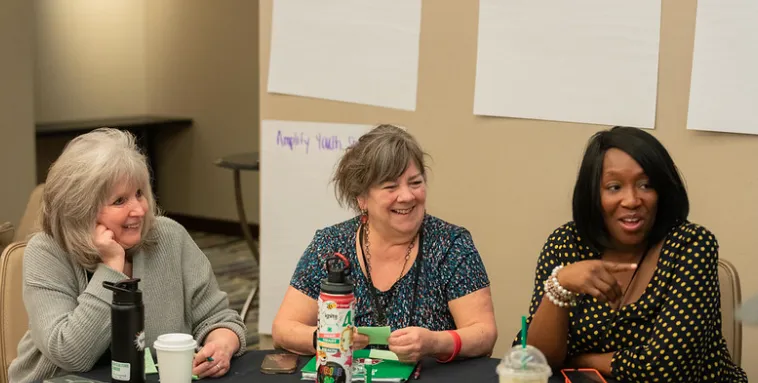
Why this Matters
Every partnership is unique, so you may need to modify your process. Partnerships are strong when both sides work together and share a clear understanding of the program as well as one another’s roles and responsibilities. By discussing logistics early and establishing frequent times to touch base, you and your partner organization can forge a lasting partnership, which in turn will support the youth in your community! In our next blog post, we look more closely at staff capacity, and what to consider when delivering a program with many moving pieces.
Please read theFact Sheet: Growing 4-H with Expanded Learning Partnerships to learn more about how to create successful partnerships with afterschool programs.
California 4-H Expands Learning for After School Youth
Introduction
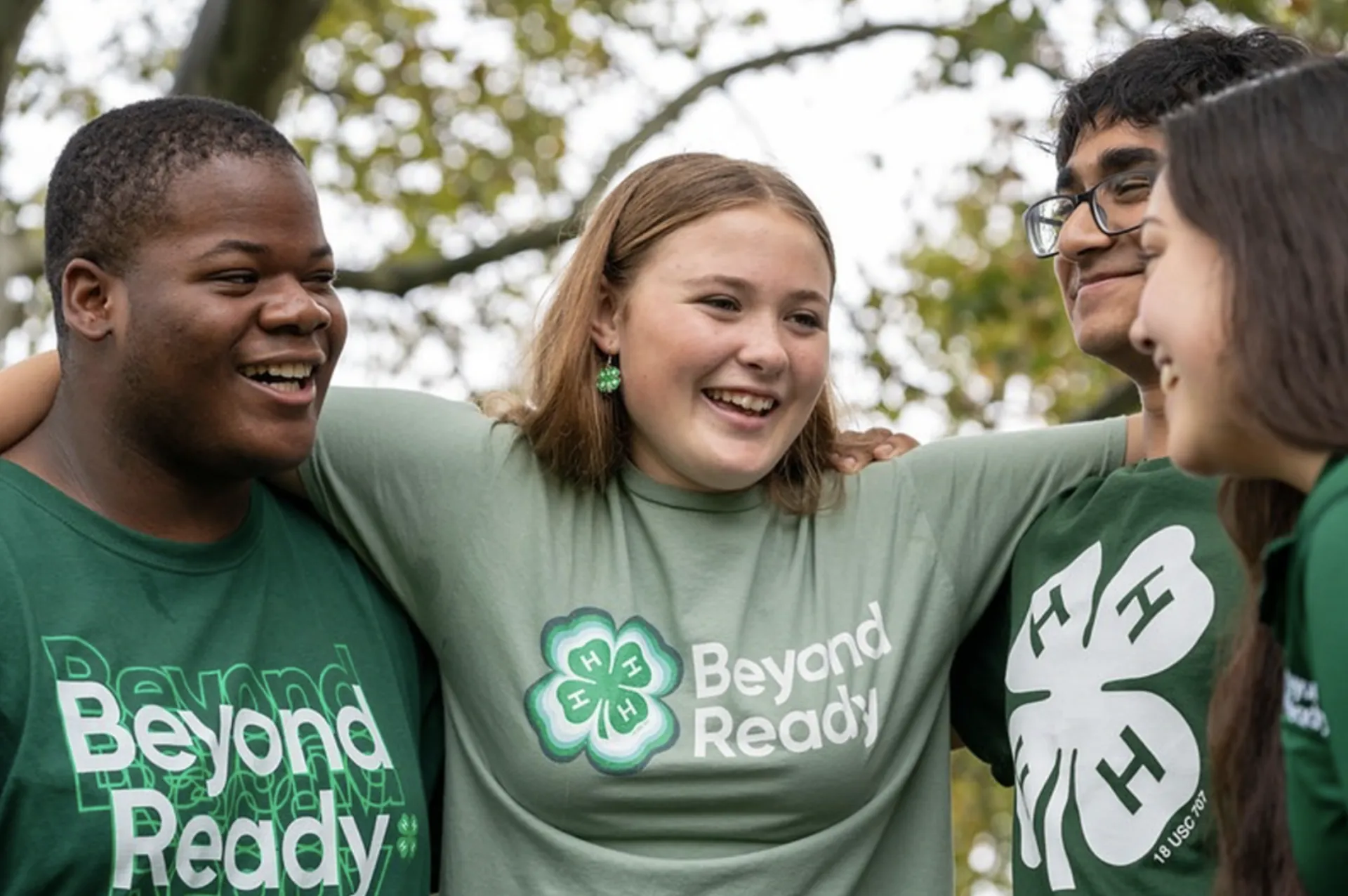
For the past two years, the University of California Cooperative Extension 4-H Youth Development program has been exploring how to collaborate with after school partners to provide high quality programming for youth not in a 4-H club. As California communities continue to change and diversify, finding new ways to deliver 4-H programming to diverse clientele becomes an important part of achieving a “beyond ready” generation of youth. One way to deliver 4-H programming to new youth clientele is by partnering with afterschool programs who may benefit from 4-H programming on science, technology, engineering, math (STEM), and healthy living.
Expanded Learning (ExL) refers to after-school, summer, and non-school-day spaces where youth can develop new skills, knowledge, and feelings in a nurturing developmental context (Arnold and Gagnon, 2020). For example, partnerships can be formed with schools, school districts, Boys and Girls Clubs, YMCAs, recreation departments, and other youth-serving organizations. By partnering with these organizations, 4-H can increase the number of youth that get exposure to high quality youth development experiences in STEM and healthy living.
In California, the statewide 4-H program sponsored an expanded learning mini-grant to CA 4-H professionals who wished to partner with youth organizations in providing 4-H programming in out-of-school time. As part of the mini-grant project, we collected qualitative interviews of 4-H community education specialists and partner organization staff to learn about how partnerships are formed and sustained. Key emergent themes included:
- Securing the Partnership
- Partnership Architecture
- Capacity and 4-H Staff Support
- Logistics
- Youth Engagement
- Motivation for Expanded Learning Programming
From this work, we created a Fact Sheet, titled “Growing 4-H with Expanded Learning Partnerships.” We hope the content will prove useful as your 4-H program considers factors that can relate to working with new community partners, such as after school programs.
EXTERNAL IMAGE
An Applied Example
Suppose your local 4-H program seeks to grow the number of youth it serves and decides to meet with the after school site director to discuss a potential partnership. During this meeting, the director shares about their need for more garden education youth programming. The 4-H educator takes notes and asks questions about their capacity, scheduling, and other logistical details.
Later, the 4-H educator returns to their Extension office and debriefs with the 4-H team. The educator asks the 4-H team about their capacities, programming areas of interest, and program goals of reaching new youth audiences in an after school context. After receiving positive news from the 4-H team, the educator decides that at their next follow up meeting with the director, they would propose a partnership between 4-H and the school to implement the 4-H Junior Master Gardener program. To increase clarity, the 4-H educator recommends writing down an agreement that outlines what responsibilities 4-H will provide and which responsibilities the afterschool program will provide.
This example above illustrates one way that 4-H may consider growing its reach into the community through partnering with local after school programs. Upcoming posts in this six-part series will explore key considerations for building strong partnerships: 1) Securing the Partnership, 2) Partnership Architecture, 3) Capacity and 4-H Staff Supports, 4) Logistics, and 5) Youth Engagement.
Stay tuned for our next blog post!
Soaring To New Heights: A 4-H Drone STEM Program
Overview
The intersection of agriculture and technology is an important part of our communities. For years, drones have been used in various ways to address real-world agricultural issues. To help prepare our young people for a future college or career pathway that explores this intersection of ag and drones, our 4-H program recently received a USDA grant to provide a STEM program to middle- and high-school youth in a program called "Ag From Above x Ag for All (AFA2)."
Led by Primary Investigator and Project Director, Dr. Steven Worker, this three-year program will develop two new 4-H drone STEM curricula that blends hands-on experiential learning with cutting edge knowledge about drones. The research team has been meeting for over a year to help plan for the successful implementation of the first curriculum in a summer camp and after school setting. In addition to Steven, our collaborators include Nathaniel Caeton, Matthew Rodriguez, Andy Lyons, Sean Hogan, Flavie Audoin, Lucy Diekmann, Becca Fenwick, Susan Weaver, Suzanne Raudaskoski, Anna Lichterman, and Tina Patton.
Launching Into The Classroom
At Phoenix High School, located in Placer County, our team (i.e. 4-H CES Tina Patton, Educator Dan Alcorn, Principal Chuck Whitecotton, and myself) is helping implement the 4-H drone program with high schoolers. By partnering with this public school, 4-H is expanding the ways in which it delivers high quality programming beyond the traditional 4-H community club and summer camp experiences. Through this initiative, the Placer 4-H program is able to expose enrolled students to other 4-H youth leadership opportunities outside of the classroom, such as our 4-H community clubs, 4-H summer camps, bi-county 4-H events, and statewide 4-H events. This partnership is a win-win for everyone.
Promotional Flier
To learn more about this project, please visit the website at: https://ucanr.edu/site/uc-science-connect/ag-above-x-ag-all-drones. Below is an advertisement 4-H CES Tina Patton developed to promote the program at Phoenix High School.

Understanding Mindfulness and Its Relation to Wellness
Introduction

Life can be stressful. From picking up the kids from school to paying the bills, life can sometimes feel like waves of to-dos that keep coming our way. And for those who volunteer in our 4-H youth development program, there can be additional sources of stress, such as helping prepare youth for an upcoming county fair presentation, leading a 4-H project with engaging content, and sometimes having a disagreement with another 4-H volunteer or parent.
During these life situations, how can we ensure that our health and wellness are prioritized? How can we take care of our mental, emotional, and physical wellbeing? How do we cope with everyday stresses?
Practicing Mindfulness
One strategy of self-care and coping with stress is the practice of mindfulness. What is mindfulness? It has been defined in various ways. Jon Kabat-Zinn defines it as "paying attention in a particular way: on purpose, in the present moment, and nonjudgementally." The American Psychological Association defines mindfulness as, "awareness of one's internal states and surroundings" and explains it can "help people avoid destructive or automatic habits and responses by learning to observe their thoughts, emotions, and other present-moment experiences without judging or reacting to them." These two definitions of mindfulness both discuss the importance of being aware of the present moment. So what are the benefits of mindfulness?
Benefits of Mindfulness
The Mayo Clinic Health System says that mindfulness engages the brain and is a form of exercise. They also say that decades of research into the practice of mindfulness reveals an increase the following:
- Cognitive flexibility
- Diabetes control
- Emotion regulation
- Empathy
- Focus and attention
- Immune system response
- Memory
- Positive emotions
- Positive relationships
- Relaxation
- Self-compassion
- Self-esteem
The practice of mindfulness also can reduce the following:
- Addictive behaviors
- Anger and hostility
- Anxiety
- Burnout
- Depression
- Emotional reactivity
- Insomnia
- High blood pressure
- Need for pain medications
- Physical pain
- Post-traumatic stress disorder symptoms
- Stress
How To Practice Mindfulness
The Mayo Clinic provides several structured mindfulness exercises:
- Body scan meditation (focusing our attention slowly and deliberately on each body part from our head to our toes to identify any sensations, emotions, or thoughts for each body part)
- Sitting meditation (breathing through our nose and exhaling through our mouth and focusing on our breath movement)
- Walking meditation (While walking, focusing on sensations of standing and keeping our balance)
There are also mobile applications that provide guided mindfulness exercises, such as Headspace and Calm.
Application for Youth Development Practitioners
As we prepare for a new 4-H program year, we have an opportunity to practice self care as an important step of our preparation. As we know, the fourth "H" of 4-H is pledging our "health for better living." One way we can prioritize our health is by caring for our mental health. To do so, consider practicing mindfulness several times this week. With practice, you will be preparing your health for better living.
References
Kabat-Zinn, J. (1994). Wherever you go, there you are: mindfulness mediation for everyday life. (No Title).
Fostering A Sense of Gratitude
Introduction

As we prepare for a new 4-H program year, we have many reasons to be grateful. Recently I attended a 4-H drone camp in Santa Clara and witnessed middle- and high-school youth present their capstone STEM projects in front of their parents and 4-H staff. I was amazed at what they had learned in just one week of drone camp. For those of us who work in youth development, we are grateful for our young people and their many successes. Youth are the "spark" that keeps us working hard to give them opportunities to grow and learn. While we are grateful for our young people, there are many ways we can view the practice of gratitude.
What is Gratitude?
We know that gratitude can promote wellbeing and life satisfaction (Dickens, 2017). Gratitude can also help us cope with life situations (Wood et al., 2007) and reduce stress and depression (Wood et al., 2008). Gratitude can also promote healthy relationships (Portocarrero et al., 2020), which are important persons who shape positive developmental contexts for youth to thrive (Arnold and Gagnon, 2020).
One study outlines four perspectives of gratitude, which include: a) emotional, b) evaluative, c) social, and d) intentional (Youssef-Morgan et al., 2022). To begin, gratitude can be conceptualized as an emotional state that differs within each person. Next, gratitude can involve positive appraisals or evaluations of life situations. In addition, gratitude can be other-focused, such as being thankful for another person. Furthermore, gratitude can be a proactive attitude (i.e. as oppose to being reactive to another person's benevolence). In this last perspective, a person chooses to be intentionally grateful and discovers ways to practice gratitude.
Expressing Gratitude in 4-H
So what can gratitude look like in our 4-H youth development program? To use the framework provided above, practicing gratitude in 4-H can involve an emotional, evaluative, social, and intentional perspective. Let's unpack this a little more.
Emotional Gratitude
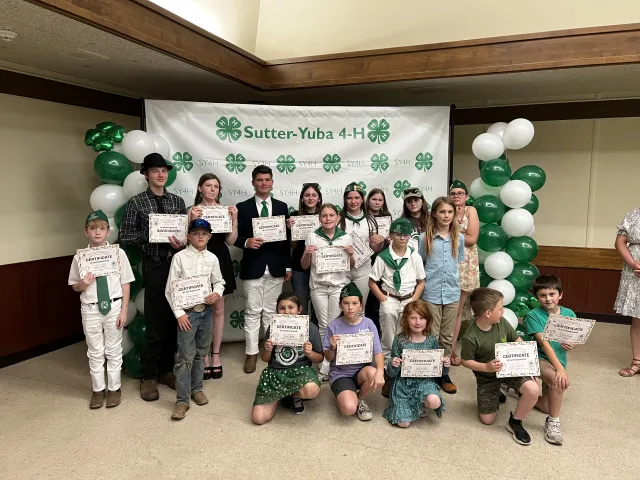
In life, we feel different emotions as human beings. Sometimes we may feel happy and other times we may feel sad. Emotions are a normal part of our daily lives, and they are certainly part of our 4-H program. For example, this past year I attended a 4-H achievement awards event in Sutter-Yuba and witnessed many youth people receive awards for their accomplishments. About 75 people attended the event and we shared a meal together and had great conversations. This experience provided me and so many others with a feeling of joy and happiness. This was a feel-good event that I, and so many others, were grateful for. This example illustrates how gratitude can be a felt experience. We feel a sense of gratefulness for our young people and also the many adult volunteers who make the 4-H program a success each year.
Evaluative Gratitude
In addition to emotions, gratitude can be evaluative. In the 4-H program, we have youth presentation events where young people share about a particular subject, such as braiding hair, sewing, or how to change a car tire. Usually, there are 4-H evaluators that listen to the young people and provide constructive feedback on what they enjoyed and maybe a few opportunities for growth. During these events, we appraise what the young people have learned and respond in gratitude for how much they have grown in learning about their particular subject. This 4-H example illustrates an evaluative perspective of gratitude.
Social Gratitude
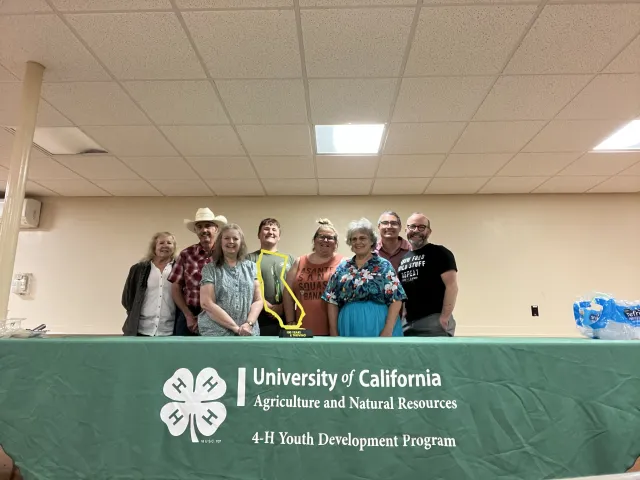
A third perspective of gratitude can involve our ability to focus on others. For example, over the summer, many 4-H programs hold summer camps that are youth-driven and chaperoned by 4-H adult volunteers. In Nevada County, we have a wonderful couple who has directed our summer camps for many years. So many of us are grateful for their leadership, service, and love for our youth and adult volunteers. We focus our gratefulness toward this couple. This example illustrates the social perspective of gratitude.
Intentional Gratitude
Finally, gratitude can be perceived as being intentional or proactive. Contrary to responsive gratitude, where we respond to the benevolence of someone else, intentional gratitude looks for ways to practice gratitude. In 4-H, I am reminded by a retired 4-H staff person who ran our embryology STEM program for many years in Placer County and the surrounding regions. I had the opportunity to meet her and listen to her 4-H stories. She exuded a spirit of gratitude. She looked for ways to be grateful and found that by using a 4-H chicken science program, she could provide joy for so many young people who may be going through difficult times. She found ways to practice gratefulness and be a blessing in the lives of so many youth. What a remarkable picture of intentional gratitude!
Practical Applications for 4-H
As we embark on a brand new 4-H program year, gratitude will play an important part in how we view others and ourselves. Here are some reflection questions to consider.
- What positive emotions do you hope to feel as you experience the 4-H program this year? How can you express gratefulness for these positive emotions?
- What are some ways you can observe our young people's accomplishments? How can you express gratefulness to them for who they are and for what they have learned?
- Who in your 4-H club are you grateful for? How can you let them know how much they mean to you?
- In what ways can you be intentional in showing others your gratitude? How can you bless others through your words and actions?
- What are you grateful about yourself? How can you show yourself kindness this week?
References
Arnold, M. E., & Gagnon, R. J. (2020). Positive youth development theory in practice: An update on the 4-H Thriving Model. Journal of youth development (Online), 15(6), 1-23. https://doi.org/https://doi.org/10.5195/jyd.2020.954
Dickens, L. R. (2017). Using gratitude to promote positive change: a series of metaanalyses investigating the effectiveness of gratitude interventions. Basic Appl. Soc. Psychol. 39, 193–208. https://doi.org/10.1080/01973533.2017.1323638
Spence, J. R., Brown, D. J., Keeping, L. M., and Lian, H. (2014). Helpful today, but not tomorrow? Feeling grateful as a predictor of daily organizational citizenship behaviors. Pers. Psychol. 67, 705–738. https://doi.org/10.1111/peps.12051
Wood, A. M., Joseph, S., and Linley, P. A. (2007). Coping style as a psychological resource of grateful people. J. Soc. Clin. Psychol. 26, 1076–1093. https://doi.org/10.1016/j.cjtee.2020.11.007
Wood, A. M., Maltby, J., Gillett, R., Linley, P., and Joseph, S. (2008a). The role of gratitude in the development of social support, stress, and depression: two longitudinal studies. J. Res. Pers. 42, 854–871. https://doi.org/10.1016/j.jrp.2007.11.003
Youssef-Morgan, C. M., van Zyl, L. E., & Ahrens, B. L. (2022). The work gratitude scale: development and evaluation of a multidimensional measure. frontiers in psychology, 12, 795328. https://doi.org/10.3389/fpsyg.2021.795328
Protecting The Sleep of 4-H Youth Members
Introduction
In our previous post, we mentioned the importance of sleep and how it can be related to our wellbeing. We also discussed how adequate sleep routines can be a form of self-care, which can increase our quality of life. A recent study mentions that the COVID-19 pandemic has contributed to adolscents' mental health and sleep quality challenges (Uccella et al., 2023). According to the U.S. Department of Health and Human Services, nearly 1 in 3 adults (and even more adolescents) are not getting enough sleep.
Poor sleep can lead to health issues, such as obesity, diabetes, heart disease, and even cancer. Because of this HealthyPeople.gov has prioritized the objective of increasing the proportion of high school students who get enough sleep. Data from 2021 reveals that the situation is getting worse with 22.7% of high schoolers getting sufficient sleep, which is down from a baseline rate of 25.4% in 2017. The target set by the U.S. Department of Health and Human Services is 27.4%.
What Can The 4-H Program Do to Help?
The 4-H youth development program serves almost 6 million youth in the United States and beyond. In California, 4-H serves about 58,000 youth each year and is supported by thousands of 4-H adult volunteers. Many 4-H volunteers lead project meetings and other events to support the wellbeing of our youth. Youth learn about healthy food and nutritional intake, robotics (STEM), animal sciences, and sewing/textiles. To help youth learn, the 4-H program provides experiential learning developmental contexts to allow youth to increase their content and skills mastery in a variety of subjects.
In California, many of these learning opportunities happen during the evening hours. For example, 4-H club meetings often occur during the evening on a school night. Sometimes these meetings can run long, which can reduce the amount of sleep time our young people can have. Another example is 4-H summer camp, where programs and activities are crammed into each hour of the day, sometimes really late into the evening. If a 4-H teen counselor at summer camp stays up until “lights out” at 10:00 pm and then heads to a leadership meeting thereafter, they may not sleep until 11:00 pm or maybe even midnight. This situation can be exacerbated if breakfast is at 7:00 am, which may leave them with only 6-7 hours of sleep.
So what are the recommendations for optimal sleep among youth?
Sleep Recommendations
Members of the American Academy of Sleep Medicine created a list of recommendations for the amount of sleep that youth should have (Paruthi et al., 2016), which include:
- Infants (4 months to 12 months): 12 to 16 hours per 24 hours (including naps)
- Children (ages 1-2): 11 to 14 hours per 24 hours (including naps)
- Children (ages 3-5): 10 to 13 hours per 24 hours (including naps)
- Children (ages 6-12): 9 to 12 hour per 24 hours
- Teenagers (13-18): 8 to 10 hours per 24 hours
Key Take-Aways
When planning meetings and learning activities involving young people, consider the end times and how these might adversely affect the amount of sleep our young people can get. While scheduling around adults' work schedules, might we also consider the sleep needs of youth and end the meetings at a reasonable hour?
In addition, we can consider the start times and how these might negatively impact the duration and quality of sleep for our young people. For example, at a 4-H summer camp, instead of scheduling breakfast at 7:00 am, can we have breakfast at 8:00 am to provide youth one more hour to sleep? When scheduling our youth development meetings and activities, careful consideration should guide decisions about when we start and end our meetings and activities so that we protect the sleep of our youth.
To help you prioritize sleep when planning your 4-H events, here are some resources Marcel Horowitz put together: https://ucanr.edu/site/california-4-h-healthy-living-toolkit/policies-guidelines-prioritize-sleep
References
Paruthi, S., Brooks, L. J., D'Ambrosio, C., Hall, W. A., Kotagal, S., Lloyd, R. M., ... & Wise, M. S. (2016). Consensus statement of the American Academy of Sleep Medicine on the recommended amount of sleep for healthy children: methodology and discussion. Journal of clinical sleep medicine, 12(11), 1549-1561. https://doi.org/10.5664/jcsm.6288
Uccella, S., Cordani, R., Salfi, F., Gorgoni, M., Scarpelli, S., Gemignani, A., ... & Nobili, L. (2023). Sleep deprivation and insomnia in adolescence: implications for mental health. Brain sciences, 13(4), 569. https://doi.org/10.3390/brainsci13040569
What Is Self-Care and Why Does It Matter?
Introduction
Humans are very complex systems and require ongoing maintenance. Similar to maintaining a vehicle (e.g. oil changes, etc.), people also have ongoing needs in order to function at optimal levels. Adequate sleep, physical exercise, enjoyable activities, positive relationships, and other factors are important to maintaining a healthy life quality.
Some factors can be outside of our control, such as sickness, job losses, divorces, and other situations. When these challenges occur, it can be especially important for us to take care of our physical, emotional, and psychological wellbeing. One strategy to increase wellbeing is to practice self-care.
What Is Self-Care?
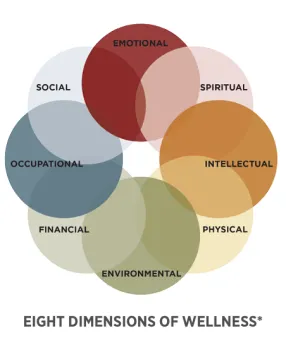
Venn diagram titled ‘Eight Dimensions of Wellness’ with overlapping circles labeled emotional, social, spiritual, intellectual, physical, environmental, financial, and occupational.
According to the World Health Organization, "self-care is the ability of individuals, families and communities to promote health, prevent disease, maintain health, and cope with illness and disability with or without the support of a health worker." Self-care should help us promote wellness. The Substance Abuse and Mental Health Services Administration (SAMHSA) outlines eight dimensions of wellness to include emotional, spiritual, intellectual, physical, environmental, financial, occupational, and social dimensions.
The National Council for Mental Wellbeing explains that self-care goals can include:
- Taking care of our physical and mental health
- Managing and reducing stress
- Recognizing our emotional and spiritual needs
- Having positive relationships
- Seeking balance in different life areas
Self-Care Strategies
There are numerous self-care strategies. Below are several for us to consider.
- Physical activity: To help with stress, consider activities that promote physical activity, such as walks, runs, playing basketball, dancing, and swimming. The Office of Disease Prevention and Health Promotion provides some guidelines on physical activity here.
- Eat and drink healthy: Follow the USDA's MyPlate guidelines by eating a balance of nutritious foods while minimizing sugary drinks.
- Prioritize sleep: In a previous blog post, I describe the importance of getting enough quality sleep.
- Set boundaries: Consider how your time is spent throughout the day and focus on a balanced schedule that meets your priorities (e.g. work/family balance). Read this Harvard Business Review article on setting boundaries.
Additional Self-Care Ideas
The National Council for Mental Wellbeing outlines a list of practical steps to begin your self-care journey. Consider the following ideas:
- Create affirmation cards (e.g. post-it notes) with encouraging words for yourself and your loved ones
- Meet up with a friend for lunch or coffee
- Create something (e.g. draw, paint, wood work, write a song)
- Listen to your favorite music
- Join a community group (e.g. garden club, book club, etc.)
- Journal your thoughts and feelings
- Schedule a "nothing" day
- Get outside (e.g. take a walk, go for a swim, get some Vitamin D from the sunshine)
- Read a good book
- Meditate or pray
Why Self-Care Is Important
Practicing self-care is an important part of our lives. As we take care of ourselves, we will experience a higher quality of life. One study showed that self-care was related with better health outcomes and reduced hospitalizations and mortality (Merkuri et al., 2023). Another study found that family-centered self-care interventions were related to improvements in anxiety levels (Deek et al., 2016). These studies show the importance of self-care. By practicing self-care, we will support the 4-H motto of "making the best better."
References
Deek, H., Hamilton, S., Brown, N., Inglis, S. C., Digiacomo, M., Newton, P. J., ... & FAMILY Project Investigators. (2016). Family‐centred approaches to healthcare interventions in chronic diseases in adults: a quantitative systematic review. Journal of advanced nursing, 72(5), 968-979. https://doi.org/10.1111/jan.12885
Merkuri, S. L., Kamberi, A. D. F., & Gabrani, P. J. (2023). Self-care for health and wellbeing–a literature review. Medicus, 7(2). https://doi.org/10.58944/qltp2509
Sleep and Youth Mental Health
Introduction

In the 4-H positive youth development program, youth pledge their "health to better living." Supporting the health and wellbeing of our young people is an important component of the 4-H program. This emphasis on healthy living also aligns with our University of California Cooperative Extension public value of "promoting healthy people and communities." When we think of health, sometimes we focus on our physical health and forget about our mental health. The reality, however, is that both are critical for healthy human development.
In previous blog posts, I describe what is mental health and the relationship between adverse childhood experiences (ACEs) and healthy developmental contexts. Recently, I was invited to Red Bluff CA to speak with 4-H shooting sports project leaders about youth mental health, which you can read about in this blog post. The more I speak with people in the four counties I serve (Placer, Nevada, Sutter, and Yuba), I realize that many people care about the mental wellbeing of our young people.
Importance of Sleep
Sleep is one important factor that is related to youth mental health. Researchers have written extensively on the topic of sleep and mental health. One study of adolescents in the U.S. (n=10,123) found that suboptimal sleep patterns were related with mental disorders and health-related outcomes, such as anxiety, substance use, and suicidality (Zhang et al., 2017). Another study of youth (ages 6-11) found that sleep and mental health symptoms were highly related (Van Dyk et al., 2016). These studies provide important evidence that illustrate the relationship between sleep and mental health.
Sometimes, we may find ourselves in places (e.g. a 4-H project meeting) where youth are showing patterns of potential sleep challenges. When this happens, what should we do?
Considerations
Given that 4-H serves many youth, our 4-H adult volunteers can play a critical role in supporting the health and wellbeing of young people. The following are three ways 4-H volunteers can help support young people who may show patterns of observable signs or reported symptoms of a mental health or sleep challenge:
- If you observe a youth who may be experiencing a health challenge, consider connecting the family with a health care professional (e.g. primary care doctors, school counselors, mental health therapists). 4-H volunteers are not trained in diagnosis or treatment of health challenges and as such, we should connect the family to health care professionals who can help with potential mental health and sleep challenges.
- Consider modifying 4-H educational activities that allow engagement for youth who may be experiencing a potential sleep challenge. For example, if a young person shows up to a 4-H project meeting and shows signs of being sleepy and not having energy, consider modifying the educational activity so the youth can participate at the energy level they are comfortable with.
- Showing empathy (i.e. understanding and sharing the feelings of others) to youth who may be experiencing a mental health or sleep challenge can increase a sense of belonging and trust. If a youth who appears sleepy or drowsy is having a hard time keeping up or remembering instructions, consider that there may be an underlaying health issue and respond to the youth with empathy.
References
Van Dyk, T. R., Thompson, R. W., & Nelson, T. D. (2016). Daily bidirectional relationships between sleep and mental health symptoms in youth with emotional and behavioral problems. Journal of pediatric psychology, 41(9), 983-992. https://doi.org/10.1093/jpepsy/jsw040
Zhang, J., Paksarian, D., Lamers, F., Hickie, I. B., He, J., & Merikangas, K. R. (2017). Sleep patterns and mental health correlates in US adolescents. The Journal of Pediatrics, 182, 137-143. https://doi.org/10.1016/j.jpeds.2016.11.007
Understanding Adverse Childhood Experiences (ACEs) Among Different Groups of Youth (Part 4 of Series)
Introduction
While any young person can potentially experience an adverse childhood experience (ACE), not all young people are as likely to be affected by them. Some groups of youth are at a disproportionately high risk. This increased exposure is shaped by systemic factors that are outside of a young person or family’s control. For example, youth who experience marginalized identities, such as youth of color or LGBTQ youth, are more likely to experience ACEs (Centers for Disease Control and Prevention, n.d.). Similarly, social factors, such as family’s income level, housing insecurity or military status, also increase a youth’s risk of ACEs. Youth with these identities are both more likely to experience ACEs, as well as more experience multiple ACEs.
This increased exposure is not the result of any failings of individual families or cultures, but rather due to complex and overlapping social, economic and political factors. For example, in a low income family, the pressure to provide the necessary resources can cause considerable stress on a parent. This can lead to mental health or substance abuse issues. At the same time, that parent is less likely to have access to mental health resources, potentially exacerbating the parent’s mental health. This can lead to instability in a home and thus ACEs (CDC, n.d.). Or, simply due to the color of their skin, a youth of color is more likely to experience harassment and racism, which is a documented form of ACEs (CDC, n.d.).
Youth who experience multiple marginalized identities, such as queer youth of color or low income youth of color, are at even heightened risk. The unique experience of having multiple marginalized identities, and thus experiencing multiple forms of oppression, is called intersectionality (Crenshaw, 2013).
Groups who may be disproportionately affected by ACEs
Below are some of the groups of youth that are at a disproportionate risk for experiencing ACEs. These groups include (but are not limited to): LGBTQIA+ youth, youth experiencing housing insecurity, youth living in war zones and/or are refugees, youth involved in the juvenile justice system, youth involved in the foster care system, youth in immigrant families and youth in military families. You can read more about these groups below.
Lesbian, Gay, Bisexual, Transgender, Queer, Intersex, and Asexual (LGBTQIA+) youth
Youth who identify as LGBTQ (Lesbian, Gay, Bisexual, Transgender, Queer, Intersex and Asexual) experience trauma at higher rates compared to straight and cisgender youth (i.e. youth whose gender identity aligns with the sex they were assigned at birth) (National Council for Behavioral Health, 2020). LGBTQIA+ youth may experience harassment at school, online bullying, intimate partner violence, abuse (physical, psychological, emotional, and/or sexual), neglect, and other forms of trauma. Youth may experience trauma based on their gender and/or sexual identities. In addition, youth may experience trauma based on other factors, such as cultural identities. The intersections of these identities can prove challenging for youth to navigate.
Youth experiencing housing insecurity
In the U.S., 4.2 million children and youth experience homelessness in the United States (National Conference of State Legislatures, 2023), a disproportionate amount of whom are youth of color and/or LGBTQIA+ youth. Youth who “couchsurf” with friends because they don’t have a home to go back to can experience trauma. Youth whose parents or caretakers experience financial insecurity and cannot afford their mortgage or rent are susceptible to housing insecurity. Youth experiencing homelessness are vulnerable to traumatic experiences.
Youth living in war zones and/or refugees
Youth who are growing up in war or conflict zones experience significant adversity (Ferguson, 2019), including violence, genocide, mass casualty, aid blockades, abductions of children, displacement, food insecurity, lack of medical infrastructure and care, loss of family and friends, destruction of educational infrastructure, among others (Abudayya et al., 2023; Boukari et al., 2024). “Prevalence rates of anxiety, depression and post-traumatic stress disorder (PTSD) were two- to three-fold higher amongst people exposed to armed conflict compared to those who had not been exposed, with women and children being the most vulnerable to the outcome of armed conflicts.” (Carpiniello, 2023 p. 2840). This warzone traumatic stress has significant impacts during and post-conflict on children and women, who are disproportionately impacted and victimized in war and civil violence (Parson, 2000).
Youth who are refugees are also more likely to experience ACEs. As of May 2025, there were over 43.7 million refugees globally, and 40% of them are children (UNHRC). A refugee is someone who has been forced to leave their home due to conflict, persecution or war (Ibid). These youth may experience both the trauma of leaving their home, and are more likely to have experienced either the death of or separation from a parent, as well as discrimination and poverty. In a review of 22 studies, an average of 36% of refugees have Post Traumatic Stress Disorder and 18% experience depression (Frounfelker et al., 2020).
Youth involved in the juvenile justice system
In California, there were 5,563 youths residing in juvenile detention, correctional, and/or residential facilities in the year 2017 - a disproportionate number who are youth of color, especially Black youth (Annie Casey Foundation, 2025). Between 75 and 93 percent of youth involved in the juvenile justice system have experienced at least one traumatic event compared to the U.S. national average of 34% of youth (U.S. Department of Justice, 2011). Youth involved in juvenile detention facilities can experience trauma before entering the facility and also after their stay inside the facility (National Council for Behavioral Health, 2020).
Youth in the foster care system
Youth involved in the foster care system can experience trauma, such as post traumatic stress disorder (PTSD). Research that assessed foster care alumni found that 30% of respondents had PTSD compared with 7.6% of the general population (Pecora et al., 2009). Some examples of trauma may include exposure to someone’s death or an accident, observing a homicide or injury, and/or experiencing an injury or accident (Salazar et al., 2012). A disproportionate number of youth in the foster care system are youth of color and/or LGBTQIA youth.
Youth in immigrant families
Youth in immigrant families are vulnerable to experiencing trauma. Youth from immigrant families may be primary recipients of trauma by having lived experiences of violence, racism, and abuse. Also, youth from immigrant families may have secondary trauma by having a parent(s) and/or caregiver(s) who experience trauma in their community. According to the National Council for Behavioral Health, conditions in detention centers may shape long-term impairments of youth development (National Council for Behavioral Health, 2020).
Youth in military families
In the United States, there are more than 1.6 million military youth (Department of Defense, 2025). Some of these youth have one or two parents who are away from the home because of active duty military service responsibilities. These military youth can experience loneliness and uncertainty as they await their caregivers coming back home from active duty. These youth can experience traumatic events as they navigate their role in relation to war and active duty.
What we can do about this
In the 4-H youth development program, we have the opportunity to provide positive environments for our young people who have been exposed to adverse childhood experiences (ACEs). In particular, our 4-H national Thrive Model of Positive Youth Development outlines four characteristics of a positive developmental context, which include: 1) “sparks” (i.e. a passion that can help others), 2) a sense of belonging, 3) health relationships, and 4) program engagement. As youth programs foster these developmental context characteristics, youth have the opportunity to thrive.
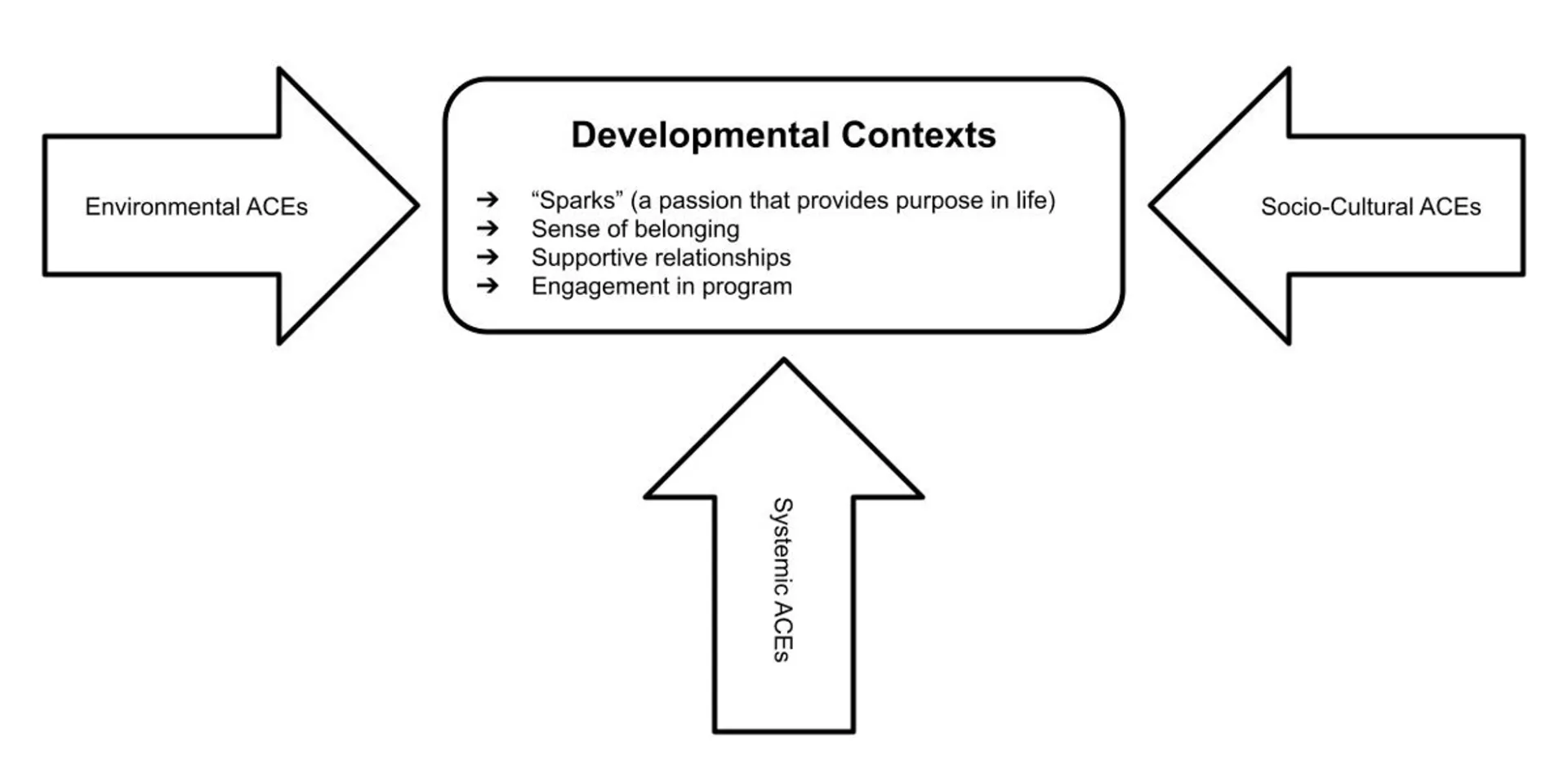
Figure: Relation between youth developmental contexts and adverse childhood experiences ACEs (Matthew R. Rodriguez, 2025)
When working with youth who have experienced trauma, it’s important for us to provide programs that provide youth with a sense of belonging where they can feel physical, emotional, and psychological safety. In addition, we can support youth who are trying different activities (sparks) and help them see how they can make a positive difference in the lives of others in their community. Also, youth need supportive and positive relationships not just with their peers, but with caring and warm adults. Further, youth who have experienced trauma may need extra help and support to fully engage in youth programming. As we work together, we can certainly “make the best better.”
References
Abudayya, A., Bruaset, G. T. F., Nyhus, H. B., Aburukba, R., & Tofthagen, R. (2023). Consequences of war-related traumatic stress among Palestinian young people in the Gaza Strip: A scoping review. Mental Health & Prevention, 32, 200305.
Boukari, Y., Kadir, A., Waterston, T., Jarrett, P., Harkensee, C., Dexter, E., ... & Devakumar, D. (2024). Gaza, armed conflict and child health. BMJ Paediatrics Open, 8(1), e002407.
Carpiniello, B. (2023). The mental health costs of armed conflicts—a review of systematic reviews conducted on refugees, asylum-seekers and people living in war zones. International journal of environmental research and public health, 20(4), 2840.
Centers for Disease Control and Prevention (CDC). (2024). Adverse Childhood Experiences (ACES): Risk and Protective Factors. Retrieved May 8, 2025 from https://www.cdc.gov/aces/risk-factors/index.html.
Crenshaw, K. W. (2013). Mapping the margins: Intersectionality, identity politics, and violence against women of color. In The public nature of private violence (pp. 93-118). Routledge.
Ferguson, J. (2019). ACEs in Conflict and Post-Conflict.
Frounfelker, R. L., Miconi, D., Farrar, J., Brooks, M. A., Rousseau, C., & Betancourt, T. S. (2020). Mental health of refugee children and youth: Epidemiology, interventions, and future directions. Annual Review of Public Health, 41(1), 159–176. https://doi.org/10.1146/annurev-publhealth-040119-094230
National Council for Behavioral Health. (2020). Mental Health First Aid USA Youth Manual (Version 2.0, p. 39).
Parson, E. R. (2000). Understanding children with war-zone traumatic stress exposed to the world's violent environments. Journal of Contemporary Psychotherapy, 30(4), 325-340.
Pecora PJ, White CR, Jackson LJ, Wiggins T. Mental health of current and former recipients of foster care: A review of recent studies in the USA. Child & Family Social Work. 2009;14(2):132–146.
Salazar AM, Keller TE, Gowen LK, Courtney ME. Trauma exposure and PTSD among older adolescents in foster care. Social psychiatry and psychiatric epidemiology. 2013 Apr;48(4):545-51. https://doi.org/10.1007/s00127-012-0563-0.
UNHCR(n.d.). What is a refugee? UNHCR. Retrieved May 8, 2025, from https://www.unrefugees.org/refugee-facts/what-is-a-refugee/
Adverse Childhood Experiences (ACEs): Expanded ACEs (Part 2 of Series)
Introduction
The original conception of Adverse Childhood Experiences, or ACEs, provides important context for understanding how early traumatic life events have long-term health impacts. The original conception of ACEs focused on exposure to physical, emotional, and sexual abuse and neglect along with household dysfunctions, such as substance abuse, mental illness, parental separation/divorce, incarceration of family, and domestic violence. However, this original ACEs conception leaves out many detrimental experiences, particularly for marginalized communities. This is problematic, particularly given the unequal distribution of multiple ACEs between communities.
According to the CDC, “While all children are at risk of ACEs, numerous studies show inequities in such experiences. These inequalities are linked to the historical, social, and economic environments in which some families live.” (CDC, 2025) Marginalized communities are more likely to experience the originally listed ACES. At the same time, systemic factors, such as racism, sexism and poverty create additional Adverse Childhood Experiences. Additional research on ACEs led to the expansion of the original ACEs framework to include broader social and environmental factors that disproportionately impact marginalized youth.
Research clearly showed how systemic issues, such as racism, sexism, and economic systems that entrench poverty, play a critical role in contributing to childhood trauma and adverse impacts. These include community-level factors (e.g. Cronholm et al., 2015; Finkelhor et al., 2013), such as community violence, and the compounding role of systemic inequities, like racism and other forms of discrimination, on youth (e.g. Camacho et al., 2022). It is important to understand how intersecting forms of oppression increase a youth’s exposure to experiencing multiple ACEs. These expanded ACEs are listed below:
- Community Violence: Exposure to or witnessing violence in the neighborhood or community to include crime and violence, witnessing assault, household theft, a loved one murdered, witnessing murder, experiencing a riot, or being in a war zone.
- Racism and Other Forms of Discrimination: Experiences of systemic racism or discrimination based on race, ethnicity, gender identity or other identities.
- Living in an Unsafe Neighborhood/Property Victimization: Communities that experience higher rates of violent and non-violent crimes against persons and property.
- Bullying: Peer victimization and social exclusion.
- Family Separation/Foster Care Experience: A child experiences foster care or a child forcibly removed from a family, any youth sent or taken away from their family for any reason – family separation and deportation.
- Poverty and Socioeconomic Hardship/Status: Chronic financial instability affecting basic living conditions. Includes parental job loss, unability to find work, unemployment.
- Peer Rejection/Peer Victimization: Social rejection by peers, isolation, No “really good friends” at school or in community.
- Parental Fighting: Parents always arguing.
- Major Illness or Bad Accident/Injury: The youth having experienced or witnessed someone they loved experience a bad accident or major illness.
- School Performance: Below average grades.
- Major Loss: Someone close died due to accident, illness, or other cause.
- Parental or family deployment into a war zone: Parent gone to fight in a war and is gone for several months.
- Not meeting identity social norms: Overweight, physical or other disabilities, not meeting masculine/feminine gender norms. Including, facing family or community rejection due to one's sexual orientation or gender identity, or cultural identity.
- Homelessness or Housing Instability: Lack of stable, safe housing.
- Natural Disasters and Climate Change: Experiencing trauma related to environmental catastrophes and disasters.
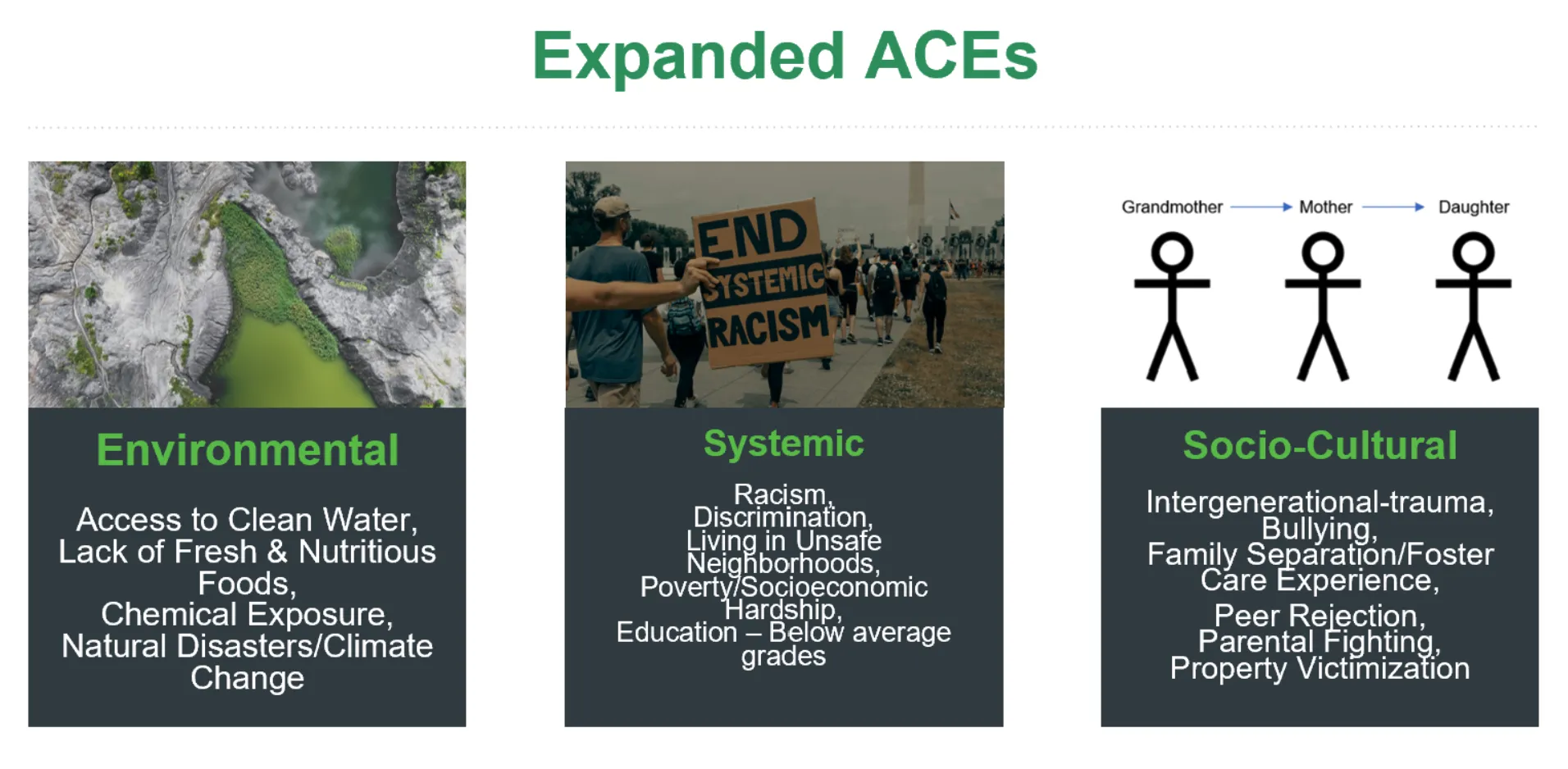
(Figure 1. Cronholm et al., 2015)
In summary, the expanded model of ACEs accounts for the ways in which environmental, systemic, and socio-cultural factors may lead to childhood trauma that has lasting impacts on the physical and mental health of adults. These ACEs are not evenly distributed in communities, with marginalized youth facing increased exposure to adverse childhood experiences. Action is needed to prevent, interrupt, and address the impact of adverse childhood experiences in our communities.
Stay connected to the Youth Development Insights Blog for ongoing research highlights on ACEs and their role in youth development.
Applying the expanded ACEs to our ordinary lives
Please reflect on these questions:
- Have youth in your community and/or yourself experienced any environmental, systemic, and/or socio-cultural ACEs that have proven challenging to one’s healthy development?
- This week, what can we do to help others who are exposed to these challenging situations?
- What can we do to prevent these environmental, systemic, and socio-cultural ACEs from happening in the first place?
- What can you do this month to continue your learning and understanding about ACEs?
- What actions will you take to prevent youth from experiencing ACEs in our community?
Resources
Camacho S, Henderson SC. The Social Determinants of Adverse Childhood Experiences: An Intersectional Analysis of Place, Access to Resources, and Compounding Effects. Int J Environ Res Public Health. 2022 Aug 27;19(17):10670. https://doi.org/10.3390/ijerph191710670. PMID: 36078386; PMCID: PMC9518506.
CDC. About Adverse Childhood Experiences. Retrieved on 2/11/2025 from: https://www.cdc.gov/aces/about/index.html#cdcreference_6.
Cronholm PF, Forke CM, Wade R, Bair-Merritt MH, Davis M, Harkins-Schwarz M, Pachter LM, Fein JA. Adverse Childhood Experiences: Expanding the Concept of Adversity. Am J Prev Med. 2015 Sep;49(3):354-61. https://doi.org/10.1016/j.amepre.2015.02.001. PMID: 26296440.
Finkelhor D, Shattuck A, Turner H, Hamby S. A revised inventory of Adverse Childhood Experiences. Child Abuse Negl. 2015 Oct;48:13-21. https://doi.org/10.1016/j.chiabu.2015.07.011. Epub 2015 Aug 7. PMID: 26259971.
Finkelhor D, Shattuck A, Turner H, Hamby S. Improving the adverse childhood experiences study scale. JAMA Pediatr. 2013 Jan;167(1):70-5. https://doi.org/10.1001/jamapediatrics.2013.420. PMID: 23403625.
Folk JB, Ramaiya M, Holloway E, Ramos L, Marshall BDL, Kemp K, Li Y, Bath E, Mitchell DK, Tolou-Shams M. The Association Between Expanded ACEs and Behavioral Health Outcomes Among Youth at First Time Legal System Contact. Res Child Adolesc Psychopathol. 2023 Dec;51(12):1857-1870. https://doi.org/10.1007/s10802-022-01009-w. Epub 2022 Dec 24. PMID: 36565372; PMCID: PMC10290175.
Hawes DJ, Allen JL. A Developmental Psychopathology Perspective on Adverse Childhood Experiences (ACEs): Introduction to the Special Issue. Res Child Adolesc Psychopathol. 2023 Dec;51(12):1715-1723. https://doi.org/10.1007/s10802-023-01100-w. Epub 2023 Jul 8. PMID: 37421507; PMCID: PMC10661772.
Kysar-Moon, A. (2022). Adverse childhood experiences, family social capital, and externalizing behavior problems: An analysis across multiple ecological levels. Journal of family issues, 43(12), 3168-3193.
PACEs Connection. (n.d.). 3 realms of ACEs. Retrieved fromhttps://www.pacesconnection.com/ws/Handouts_3RealmsACEs_EN.pdf
Pachter, Lee M. DO*; Coll, Cynthia García PhD†. Racism and Child Health: A Review of the Literature and Future Directions. Journal of Developmental & Behavioral Pediatrics 30(3):p 255-263, June 2009. | https://doi.org/10.1097/DBP.0b013e3181a7ed5a
Wu, S., Lindstrom Johnson, S., Wolfersteig, W., & others. (2022). The power of local research to inform adverse childhood experiences in substance use prevention in adolescents and adults. BMC Public Health, 22, 1197.https://doi.org/10.1186/s12889-022-13503-3
Planning Ahead: Considerations for Recruiting Parent Volunteers
Introduction
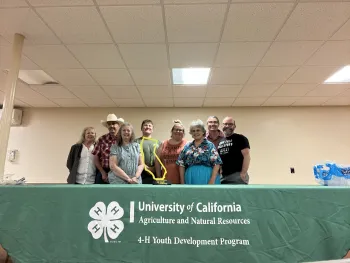
Volunteers play an important role in youth development organizations, such as the 4-H program. In fact, without caring and nurturing volunteers, we would find it very difficult to have a thriving 4-H youth development program. Volunteers are vital to our collective success in supporting our young people in the community.
While volunteers are important, sometimes it is challenging to recruit new volunteers to replace older volunteers whose children "age out" of the program. Let's face it, many people are stretched thin and don't have much time to devote to volunteer efforts. While many believe in the mission of 4-H and love youth, they simply don't have time to commit to a long-term project or volunteer "opportunity." As such, some 4-H clubs find it difficult to "stay afload" while the influx of new youth keep coming into the program year after year. Without a steady stream of new volunteers, these 4-H clubs can find it difficult to manage expectations of new families who want their children to have a wonderful 4-H experience like they did as a child.
So what can we do to find new volunteers?
Times Are Changing
The first step is to realize that times have changed. Volunteerism today is not what it was 10 or 20 years ago. The reason is that that people have changed. Society has changed. Our young people have changed. Our environments have changed. Change is inevitable and we must accept that we are living in a new situation.
One example is that our society is becoming more culturally diverse. Demographic trends reveal that by the year 2060, nearly one out of three persons in the United States will identify as being of Latino racial and ethnic identity. The "Standard North American Family" as family scientists have termed is not a present-day reality for many communities. As our society becomes more diverse, so will our volunteers.
Another aspect to consider is that our economies are changing. Many families struggle to put food on the table. Job loss, underemployment, housing insecurity, food insecurity, and other financial hardships are a common issue for many communities. Drought and flood can decimate agricultural producers and have downstream effects on the lives of their workers' families. Changes in our climate can exacerbate these realities and put emotional and economic stress on our agricultural communities. As many families face economic uncertainties, they need to reprioritize how they invest their time and resources.
Another change has been with our mental wellbeing. Rates of deaths by drug overdose has increased over time. As the figure below reveals, the state and national trend has been an increase in drug overdoses since 2011. As more families respond to their mental health challenges, they need to reprioritize how much they can give to others in comparison to how much support they need for their own wellbeing. For more information on mental health trends, please visit the Kaiser Family Foundation website here.
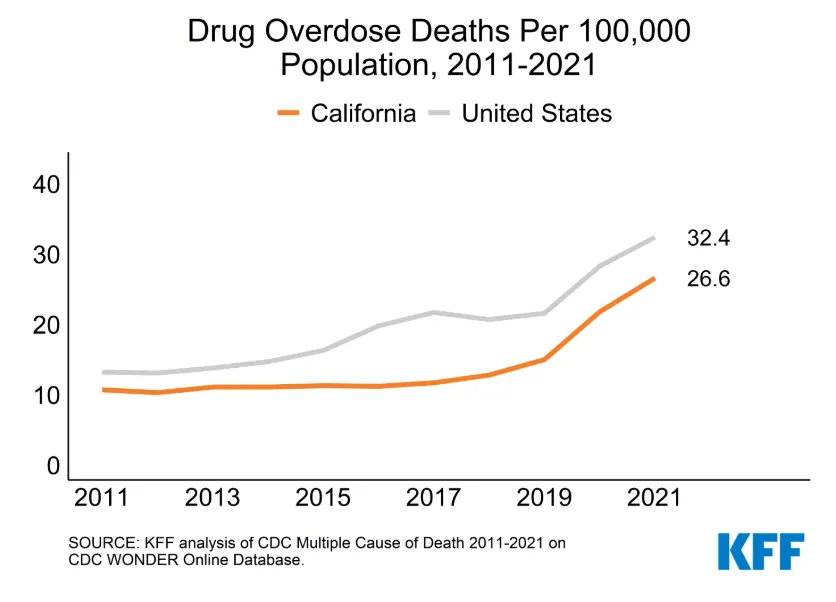
How To Respond to Change
While times are changing, it's important for us to realize that we can embrace this change as a normal part of life. Rather than wish things were "like the good ol' days," now is a time for us to lean into this change and learn from it. Why? Because as we respond to change, we "promote healthy people and communities," which is one of our University of California Cooperative Extension public values.
For example, knowing that mental wellbeing is a challenge for many families can provide opportunities for the 4-H program to respond by getting more training and resources. One way to do this is to attend a Youth Mental Health First Aid training to learn how to identify signs and symptoms of youth mental health challenges, such as substance misuse, and how to respond to non-crisis and crisis situations.
Why sign up for this Youth Mental Health First Aid 8-hour course if you already donate so much of your time to 4-H volunteer stuff? One reason is because of our 4-H pledge and our 4-H motto. Our 4-H pledge says, "...I pledge my health to better living." This 4-H pledge is not just for youth members, but also for adult volunteers. Pledging our health includes our mental, emotional, and physical health. Second, our 4-H motto is, "To Make The Best Better." 4-H is here to support our families as they walk through difficult seasons in life.
Volunteer Resources
One of the great aspects of the 4-H program is the resources we have for volunteers. For example, we have a website series entitled "Volunteer Research and Knowledge Competency" (VRKC) on a wide range of topics including: 1) Planning and Organizing, 2) Time Management, 3) Parent Recruitment and Involvement Delegating Tasks to Parents, 4) Service to the Community, and 5) Marketing and Publicity. Under the Parent Recruitment category, I published an article "Parent Recruitment and Involvement" that discusses trends in our community and how these can relate to recruitment efforts. On page 9 in the "Organizational Skills: Adult Recruitment and Involvement" section, I provide two activities. The first activity, "Exploring Cultural Backgrounds," provides an interactive way for adults to get to know each other and respect our different lived experiences. The second activity, "Understanding Parental Domains of Involvement," helps adults consider how our behaviors, thoughts, and feelings relate to volunteerism.
As mentioned above, another resource to consider is attending one of my upcoming Youth Mental Health First Aid courses. This 8-hour course is designed for adults who work with youth and will help them learn how to identify signs and symptoms of mental health challenges in non-crisis and crisis situations and how to respond using the ALGEE action plan. Typically, the course is composed of a two-hour pre-work session done through an online learning management system and then two additional three-hour sessions delivered via Zoom in a classroom setting with other adults.
There are three ways to sign up:
- 4-H volunteers and parents with 4-H youth, sign up here.
- Non-4-H volunteers (e.g. educators and youth practitioners), sign up here.
- University of California staff, sign up here.
As you plan for the upcoming 2025-26 4-H program year, I encourage you to consider how you plan to recruit new volunteers. By creating places of belonging and safety, you will be playing a vital role in the health and wellbeing of our 4-H youth members and their families. Keep up the great work!
If you have any questions about Youth Mental Health First Aid, feel free to reach out.
Matthew R. Rodriguez, PhD
4-H Youth Development Advisor
University of California Cooperative Extension
Placer, Nevada, Sutter, and Yuba Counties
mrro@ucanr.edu
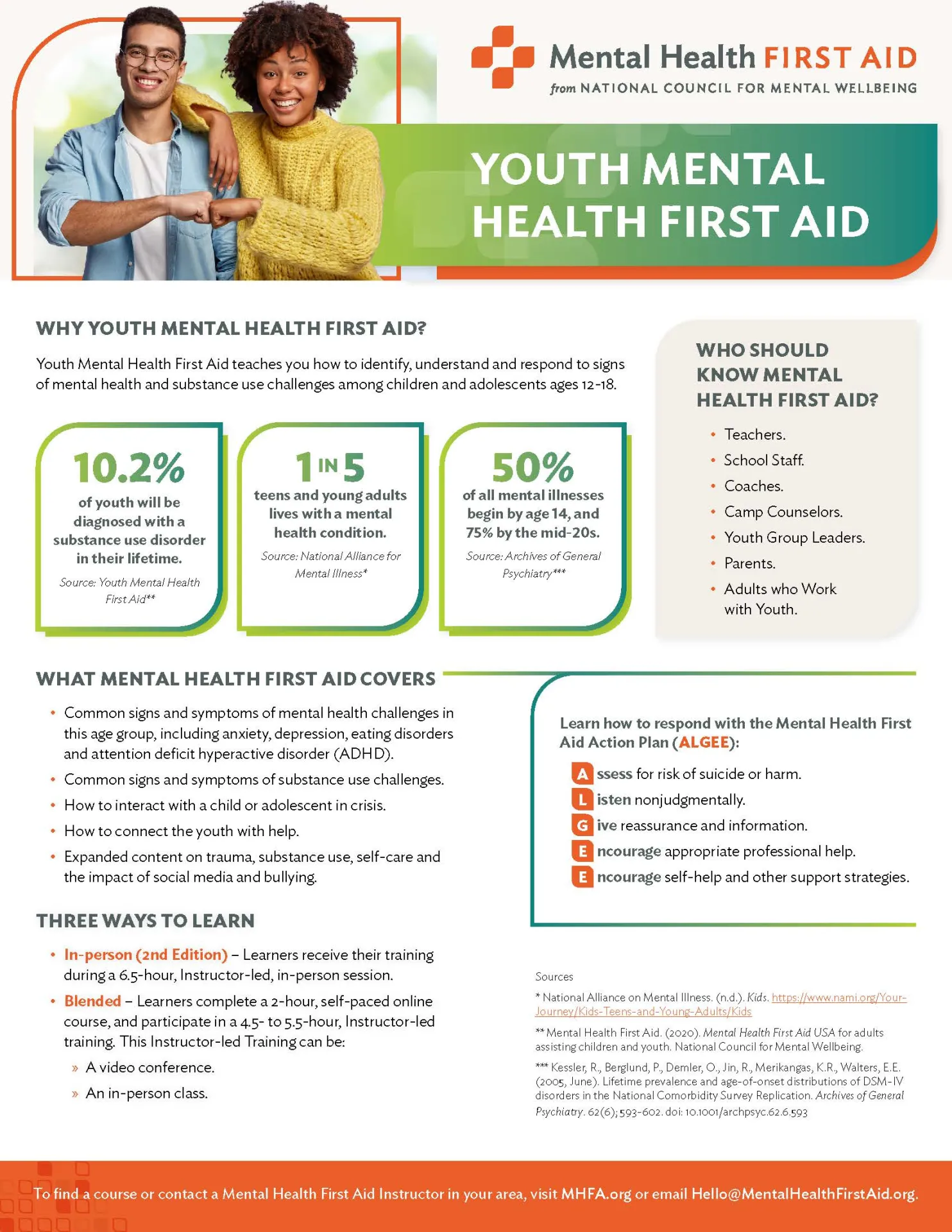
Digging into Youth Development
Healthy Soil > Healthy Plants

Spring is the season where gardeners start prepping, planting, and pampering their gardens. As a gardener newbie myself, I am learning how to grow peas, long day onions, garlic, and other plants. To help me learn, I have several trusted colleagues that I can consult, such as the University of California Master Gardeners.
Recently, I have been learning about the importance of dirt. Ok, well, my Master Gardener colleagues will correct me and clarify that the correct term is "soil." Whatever you call it, the brown stuff is really foundational to a healthy garden. It provides a critical context for helping plants thrive.
To increase the quality of my soil, I have been trying several different techniques. First, I have been learning how to compost. To do so, I take the vegetable scraps from our kitchen and put them inside my rotating composter outside. I get free coffee grounds from Starbucks and also mix in some aged horse manure and dried leaves. I put plenty of water and rotate the bin every few days.
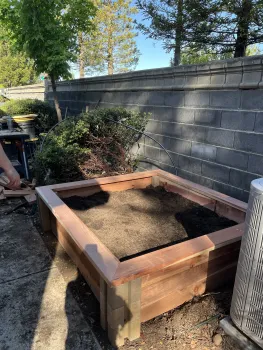
I also have been learning about vermiculture by growing red wiggler worms in my backyard. I have a plastic bin and put soil, coffee grounds, and vegetable scraps inside. I have a 1/4" drip irrigation line providing water on a schedule managed by an irrigation timer. The worms break down vegetable scraps, coffee grounds, and cardboard. I even put some of these worms inside my composter and they seem to like that environment too. Over time, the worms reproduce themselves and so I get even more red wigglers.
After about a month or so, I take the compost and work these nutrients into my existing backyard soil. My backyard's original soil quality, by the way, was quite poor because it contained rocks, sand, and other hard elements. As I water my soil, add compost, and include some red wiggler worms, my soil quality is improving. While I am not a horticulturalist, I understand that healthy rich soil needs the correct pH balance with essential nutrients, such as nitrogen, phosphorus, and potassium. When soil has these ingredients, plants have an opportunity to thrive.
Healthy Developmental Contexts > Healthy Youth
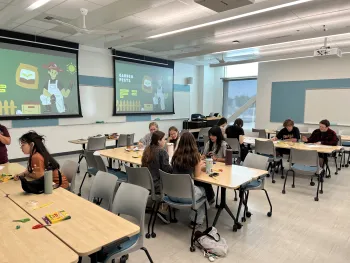
Similar to plants, youth also need opportunities to thrive. Researchers will call these opportunities as "developmental contexts." These opportunities are conditions under which youth have the opportunity to learn, make friends, and have fun. Mary Arnold has written about developmental contexts in her research and has outlined four components to youth developmental contexts: 1) sparks (i.e. our passions that can help others), 2) a sense of belonging, 3) nurturing relationships, and 4) program engagement. Similar to soil, when these developmental context "ingredients" reach their correct levels, youth have an opportunity to thrive.
When I reflect upon the young people I serve in the 4-H program, I realize that healthy relationships with their peers and caring adults are very important to their well being. Also, youth need to feel like they are included in their 4-H community, whether that is a 4-H club, summer camp, or after school 4-H expanded learning program. In addition, youth need opportunities to use their talents and skills to help others. Further, youth need to have access to high quality youth programming. When these ingredients fall into place, youth have opportunities to grow and develop. They have the opportunity to thrive!
Reflections to Consider
So how can we make some connections between gardening and youth development?
- Think about your own life and the people who have made the greatest impact on your growth as an individual. What personal qualities did they have? How did their personal qualities help you thrive?
- What is one skill that you have, which you believe can help others? How can you continue to cultivate this skill so that you can maximize your impact on others?
- Have you ever felt like you felt a strong sense of belonging? What did others do to help you feel like you belonged?
- Do you have a community or group that you belong to? Do you attend regularly? If so, why?
Navigating Youth Mental Health in Shooting Sports Projects
Introduction
Recently I had the privilege of speaking at the State 4-H shooting sports meeting in Red Bluff, CA, on the topic of youth mental well-being. Leading up to the presentation, I was a little nervous. I did not know the audience. Also, there can be stigma around the topic of mental health and I wasn't sure how the audience would take my presentation.
Upon arriving at the facility, I was greeted by a warm group of 4-H shooting sports project leaders. I definitely felt a sense of belonging as I participated in the two-day event. Nate Caeton and Russ Hill, the CA 4-H shooting sports statewide leaders, provided an excellent agenda covering a wide range of topics relevant to shooting sports, such as project best practices, 4-H Thrive Developmental Contexts, and youth leadership opportunities.
On the second day, I presented on the topic of youth mental health and its relation to the 4-H shooting sports program. There was high engagement during my presentation, which validated for me the importance of discussing youth mental health. Below are the main points I covered in my presentation.
Opening up our dialogue
Mental health can be a challenging topic to discuss with other adults and also with youth. Below is a video that illustrates this point.
What is mental health?
It can be challenging to understand what is mental health. There are several definitions that prove helpful. For example, the U. S. Department of Health and Human Services says, “Mental health includes our emotional, psychological, and social well-being. It affects how we think, feel, and act. It also helps determine how we handle stress, relate to others, and make choices.” Also, the World Health Organization says, “Mental health is a state of well-being in which an individual realizes his or her own abilities, can cope with the normal stresses of life, can work productively and is able to make a contribution to his or her community.”
Relation of mental health to 4-H
In the 4-H youth development program, youth members and adult volunteers say a pledge at each community club meeting. The 4-H pledge states, "I pledge my head to clearer thinking, my heart to greater loyalty, my hands to larger service, and my health to better living, for my club, my community, my country, and my world."
So what do we mean by pledging "my health to better living?" Can this include our "mental health?"
While I am not suggesting we change our 4-H pledge, I would encourage us to think about the importance of our mental health in relation to "better living." To practice this concept, try saying the 4-H pledge by inserting the word "mental" before the word "health." By doing this, we can expand our conception of health, which includes our mental health along with our emotional and physical health.
Teen mental health
So how does mental health work anyway? Watch this video to find out.
U.S. youth mental health trends
How many adolescents in the U.S. experience a mental health disorder? Here is a figure from the U.S. National Institute of Mental Health. This figure illustrates that one out of two adolescents will experience a mental health disorder in their lifetime. Of these, 22.2% will experience a severe impairment. Further, mental health affects female adolescents at a higher rate (51%) compared to male adolescents (48.1%). Regarding age, mental health disorders increase as the youth get older.
According to the U.S. Centers for Disease Control and Prevention, suicide is the second leading cause of death for adolescents between the ages 10 and 19 in the USA, accounting for 2744 deaths in 2019. Also, firearm-related injuries were the second leading cause of death, responsible for 15% of deaths. Among firearm deaths, 59% were homicides, 35% were suicides, and 4% were unintentional injuries (e.g. accidental discharge) (Cunningham, et al., 2019).
Youth mental health and screen time
One national study found that adolescents who spent more time online (e.g. social media, internet, texting, gaming, etc.) and less time on non-screen activities (e.g. in-person social interactions, sports, homework, attending religious services) had poorer mental health (Twenge et al., 2018). Another study found that higher screen time among adolescents was associated with lower life satisfaction and optimism and higher levels of anxiety and depressive symptoms (Oberle et al., 2020). Regarding usage of screens, one study found that greater time spent on social media was related with increased risk of adolescent self-harm (Barthorpe et al., 2020).
These three studies provide critical information for youth development practitioners. First, too much screen time is not good for youth. Second, too much screen time can lead to poorer youth mental well-being. Third, too much social media can put youth ad increased risk for self-harm.
How can 4-H shooting sports help?
4-H shooting sports can buffer against the mental health challenges our young people face through creating healthy developmental contexts, which include: 1) supportive relationships, 2) engagement in skill development learning activities, 3) fostering a sense of belonging, and 4) encouraging youth to find their "spark" (i.e. passion in life that can help others). Rather than watching screens, the 4-H shooting sports project provides youth with in-person social interactions with their peers and caring adult 4-H volunteers.
We all have mental health
Watch this video to learn more about what mental health is and the importance of supporting the mental wellbeing of young people.
Reflection questions
Here are some reflection questions:
- Is there anyone in your 4-H project (or in your sphere of influence) that you believe may struggle with a mental health challenge? If so, what signs or symptoms have you seen?
- How can you best support youth who have a mental health challenge? Is there a mental health professional you can connect them with? (e.g. primary care doctor, school counselor, certified mental health therapist, etc.)
- Does "mental health" have a negative stigma in your 4-H club or community? Why or why not?
Youth mental health first aid
One way you can help our young people is through becoming a certified Youth Mental Health First Aider. According to their website, "Youth Mental Health First Aid is designed to teach parents, family members, caregivers, teachers, school staff, neighbors, health and human services workers, and other caring citizens how to help an adolescent (age 12-18) who is experiencing a mental health or addictions challenge or is in crisis. Youth Mental Health First Aid is primarily designed for adults who regularly interact with young people. The course introduces common mental health challenges for youth, reviews typical adolescent development, and teaches a 5-step action plan for how to help young people in both crisis and non-crisis situations. Topics covered include anxiety, depression, substance use, disorders in which psychosis may occur, disruptive behavior disorders (including AD/HD), and eating disorders."
I (Matthew Rodriguez) am a certified youth mental health first aid instructor and offer trainings on a regular basis. If you are interested in attending one of my upcoming trainings, please email me at mrro@ucanr.edu.
Contact me
Matthew Rodriguez, PhD
4-H Youth Development Advisor
University of California Cooperative Extension
Placer, Nevada, Sutter, and Yuba Counties
Certified Youth Mental Health First Aid Instructor
References
Barthorpe, A., Winstone, L., Mars, B., & Moran, P. (2020). Is social media screen time really associated with poor adolescent mental health? A time use diary study. Journal of Affective Disorders, 274, 864-870. https://doi.org/10.1016/j.jad.2020.05.106
Cunningham RM, Walton MA, Carter PM. The Major Causes of Death in Children and Adolescents in the United States. N Engl J Med. 2018 Dec 20;379(25):2468-2475. doi: 10.1056/NEJMsr1804754. PMID: 30575483; PMCID: PMC6637963.
Hink AB, Killings X, Bhatt A, Ridings LE, Andrews AL. Adolescent Suicide-Understanding Unique Risks and Opportunities for Trauma Centers to Recognize, Intervene, and Prevent a Leading Cause of Death. Curr Trauma Rep. 2022;8(2):41-53. doi: 10.1007/s40719-022-00223-7. Epub 2022 Apr 2. PMID: 35399601; PMCID: PMC8976221.
Oberle, E., Ji, X. R., Kerai, S., Guhn, M., Schonert-Reichl, K. A., & Gadermann, A. M. (2020). Screen time and extracurricular activities as risk and protective factors for mental health in adolescence: A population-level study. Preventive medicine, 141, 106291.
Twenge, J. M., Martin, G. N., & Campbell, W. K. (2018). Decreases in psychological well-being among American adolescents after 2012 and links to screen time during the rise of smartphone technology. Emotion, 18(6), 765.
The Relation between Adverse Childhood Experiences (ACEs) and Developmental Context (Part 3 of Series)
Introduction
Youth don’t learn in a vacuum—they learn in different places and with different people. Learning can happen at school, while hanging out with friends at the park, or in a 4-H community club. All of these contexts provide youth with opportunities to interact with others and with their environments (Bronfenbrenner, 2007), which can provide rich learning experiences. Researchers call these learning spaces developmental contexts (Lerner, 1991; Hill, 1983).

Just as learning doesn’t occur in a vacuum, developmental contexts also don’t occur in a vacuum. Learning contexts can be influenced both positively and negatively by outside factors. For example, Adverse Childhood Experiences (ACEs), which can be environmental, systemic, and socio-cultural factors (e.g. exposure to pollution, racism/discrimination, and bullying) can prove challenging to our wellbeing. ACEs can inhibit a youth’s opportunity to experience healthy developmental contexts, such as their ability to find their passions, known as “sparks,” sense of belonging, supportive relationships, and program engagement (Arnold, 2020; Fields, 2020).
For those of us who work with youth, having an understanding of ACEs can inform our understanding of factors that can inhibit or reduce a young person’s access to healthy developmental contexts. The information below discusses the relationship between ACEs and youth developmental contexts.

Figure 2. Expanded conceptualization of adverse childhood experiences (ACEs)
4-H Thriving Model of Positive Youth Development
While the 4-H Thriving Model of Positive Youth Development outlines the importance of developmental contexts, the model is limited in illustrating the environmental, systemic, and socio-cultural factors that can negatively impact youth wellbeing. As such, the expanded list of ACEs can provide important context to the 4-H Thriving Model of youth development by explaining exogenous or outside factors that can influence youth development. Below are some ways that ACEs can inform our understanding of 4-H sparks, belonging, relationships, and program engagement (Arnold, 2020; Fields, 2020).
4-H Sparks
4-H “sparks” are passions that youth self-identify whereby they can positively impact their community. Some youth are passionate about community service, such as volunteering. The expanded ACEs framework helps us understand that youth who are exposed to systemic factors, such as racism and discrimination, may not have access to certain volunteer opportunities. As such, youth practitioners can expose youth who experience racism and discrimination to new volunteer opportunities that they may not have previously had access to. Writing a strong letter of support for a marginalized youth can provide one means of helping them “get their foot in the door.”
Belonging

Belonging is the idea that all youth and adults feel included in the 4-H program. The expanded ACEs framework helps us understand that environmental factors, such as lack of reliable public transportation, can negatively impact youth. For example, a youth living in an economically disadvantaged rural community with limited busing may find it difficult to attend youth programs, such as a 4-H club meeting. Transportation access can prove especially challenging for families who are economically insecure and don’t have a car. Youth programs can increase a youth’s sense of belonging by conducting a brief transportation needs assessment with each parent or caretaker to better understand whether prior travel arrangements are needed.
Relationships
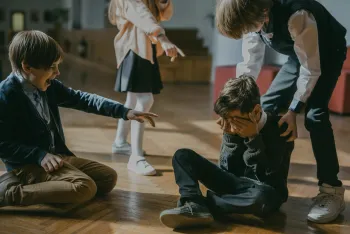
Healthy relationships are important for youth because it allows others to express care for their wellbeing. The expanded ACEs framework helps us understand that socio-cultural factors, such as school bullying, can have deleterious effects on the mental, physical, and emotional well-being of young people. Youth who experience bullying may close themselves off to others due to mistrust and trauma. As such, youth practitioners can show empathy and patience with youth who are hesitant to allow others to express care for their wellbeing.
Engagement
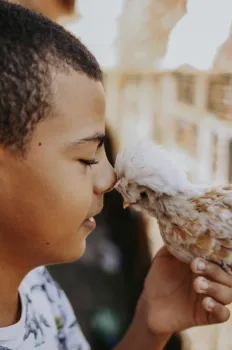
Program engagement describes youth who can fully participate in and enjoy the 4-H experience, such as learning about animals, making friends, and practicing new skills. The expanded ACEs framework helps us understand that youth who experience systemic factors, such as poverty, may not have the economic means to engage in certain 4-H learning experiences, such as raising a silkie chicken. Families who live in poverty may change home addresses every few months as they struggle to pay rent. As such, they may not have the resources needed to raise a chicken. To address this, 4-H project leaders can consider supporting the individual resource needs of youth struggling with poverty.
By incorporating an understanding of the expanded ACEs, youth practitioners can be mindful of the different challenges our youth face daily. Through careful reflection of these challenges, we can help increase youth's access to developmental contexts, such as sparks, belonging, relationships, and program engagement.
Re-conceptualizing developmental contexts to include ACEs
Figure 3. Conceptualization of adverse childhood experiences (ACEs) and their relation to developmental contexts (Rodriguez, 2025)
Application of ACEs to our ordinary lives
- How can environments influence a youth’s ability to engage in school or a youth program, such as 4-H?
- Has one of your youth (and/or yourself) experienced bullying? How can we support those who are experiencing bullying so they can experience positive relationships?
- Do you feel that economic insecurity is related to a person’s sense of belonging? Why or why not?
- Have you ever struggled in school? How may youth who struggle in school find it difficult to find their passion in life (e.g. spark)?
References
Arnold, M. E., & Gagnon, R. J. (2020). Positive youth development theory in practice: An update on the 4-H Thriving Model. Journal of youth development (Online), 15(6), 1-23. https://doi.org/https://doi.org/10.5195/jyd.2020.954
Bronfenbrenner, U., & Morris, P. A. (2007). The Bioecological Model of Human Development. Handbook of Child Psychology, 793-828. https://doi.org/https://doi.org/10.1002/9780470147658.chpsy0114
Fields, N. I. (2020). Exploring the 4-H Thriving Model: A Commentary Through an Equity Lens. Journal of youth development (Online), 15(6), 171-194. https://doi.org/https://doi.org/10.5195/jyd.2020.1058
Hill, J. (1983). Early adolescence: A framework. Journal of Early Adolescence, 3, 1–21.
Lerner, R. M. (1991). Changing organism-context relations as the basic process of development: A developmental-contextual perspective. Developmental Psychology, 27, 27–32.
Rodriguez, M. R. (2025). Conceptualization of adverse childhood experiences (ACEs) and their relation to developmental contexts.
Extending the Reach of 4-H into the Classroom
Why 4-H partners with schools
Did you know that 4-H offers youth programming for schools? In Placer, Nevada, Sutter, and Yuba Counties, our 4-H programming extends beyond clubs and camps and goes all the way into our school systems. Currently, we offer a variety of youth programming options for schools to consider. By partnering with schools, 4-H is able to extend our reach into the community by offering high-quality youth programming that utilizes evidence-based and evidence-informed 4-H curricula covering a wide range of relevant STEM topic areas.
How does this work?
While each county's registration system is different, there are some similar processes for how schools can request 4-H youth programming.
- The school site contact (e.g. expanded learning site coordinator or principal) contacts the 4-H Advisor at mrro@ucanr.edu to explain the school's needs.
- Complete a 4-H online web form to request a 4-H curriculum kit
- Complete a 4-H group enrollment form of youth demographics and logistical details
- Schedule a train-the-trainer with 4-H staff
- Schedule a 4-H kit pick-up at the county UC Cooperative Extension Office
- Implement the program
- Evaluate the program using 4-H measurements
- Bring the 4-H kit back to the county UC Cooperative Extension Office
What investment is needed?
The biggest investment needed is a solid partnership between the school site and the 4-H youth program. This partnership can look different for each school based on the needs of staff and students. Having a commitment to high-quality youth development programming is an important foundation upon which this partnership can be established.
Some may wonder how much it costs? Much of our 4-H program resources are publicly available for free, but some do require fees or modest contract agreements, based on the size and scope of the school's youth development programming needs.
What can my school get from a partnership with 4-H?
Partnering with the University of California 4-H program provides many useful benefits:
- High-quality staff professional development covering a range of STEM topics, such as embryology, healthy foods and food preparation practices, robotics, mental health, entomology, and more
- 4-H youth programming that supports the California Department of Education's Expanded Learning Standards (See attached PDF brochure)
- Continuous Quality Improvement through program evaluation (formative and summative assessments)
- Potential collaboration on youth development grants through our UC Cooperative Extension Land Grant Institution
- Opportunities for your youth to get additional leadership and service opportunities through our local 4-H community programming (clubs, summer camps, state leadership conferences, Washington DC trips, etc.)
- There are many more benefits of partnering with 4-H :)
How can I get started?
One way to get started is to fill out our county 4-H Expanded Learning online questionnaire so we can better understand your youth development needs. In addition, please reach out to Dr. Matthew Rodriguez at mrro@ucanr.edu to schedule a meeting.
Watch our video!
Adverse Childhood Experiences (ACEs): The Original 10 ACEs (Part 1 of Series)
Research on Adverse Childhood Experiences (ACEs) shows how traumatic events, or life experiences that cause psychological distress (Gradus & Galea, 2022), that occur during childhood (0-17 years) have profound implications on an individual's long-term health and well-being, physically, mentally, and emotionally. The concept of ACEs emerged from a groundbreaking study conducted by the Centers for Disease Control and Prevention (CDC) and Kaiser Permanente in the late 1990s, which highlighted the strong correlation between childhood trauma and chronic health issues in adulthood. Several additional studies have been conducted since.
This article provides an overview of Adverse Childhood Experiences (ACEs). Given the profound impact of ACEs on youth well-being into adulthood, we plan to launch a series of blog posts exploring ACEs and their impact on youth development. Stay connected to the Youth Development Insights Blog for more on ACEs research and its implications for youth development.
The Original ACEs
During the first round of this research, the original ACEs identified are illustrated in the image below:
The research groups the 10 original ACEs into three buckets, Abuse, Neglect, and Household Dysfunction. A brief description is provided below:
Abuse:
Physical Abuse: Intentional use of physical force causing harm or injury.
Emotional Abuse: Verbal assaults, threats, or other behaviors that undermine a child's sense of self-worth.
Sexual Abuse: Any sexual act imposed on a child.
Neglect:
Physical Neglect: Failure to meet a child's basic physical needs, such as food, shelter, and medical care.
Emotional Neglect: Lack of emotional support, love, and affection.
Household Dysfunction:
Substance Abuse: Living with a family member who has a substance use disorder.
Mental Illness: Living with someone who has untreated mental health issues or family member who has ever attempted suicide.
Parental Separation or Divorce: Experiencing the legal or emotional separation of parents.
Incarceration of a Household Member: Having a family member who is incarcerated, which can include time spent in jail, prison, or ICE Detention.
Domestic Violence: Witnessing intimate partner violence within the household.
Want to know your ACEs score? You may take the ACEs quiz using the link below by ACEs Matter.
ACEs Quiz
https://form.jotform.com/acesmatter/know-your-ace-score-
Disclaimer: We are not mental health providers; if you have a high ACEs score we highly recommend you work with a mental health provider to heal the trauma caused during childhood.
Research shows the higher the ACEs score the more health disparities one faces as an adult. We will cover this more in future ACEs Series Blog Post.
The Office of the California Surgeon General created a short video on What is ACEs. To watch the video click the YouTube link below:
What is ACES Video:
https://www.youtube.com/watch?v=-vIqJK8Nu1Q
Understanding the lasting impact of Adverse Childhood Experiences (ACEs) is crucial for promoting the well-being of youth and fostering healthier communities. As research continues to expand, so does our understanding of how childhood adversity influences long-term health and development into adulthood. By increasing awareness, advocating for trauma-informed approaches, and supporting resilience-building efforts, we can help mitigate the effects of ACEs and create pathways for healing.
Stay connected to the Youth Development Insights Blog for ongoing research highlights on ACEs and its role in youth development.
Eggsploring Embryology as a 4-H Project
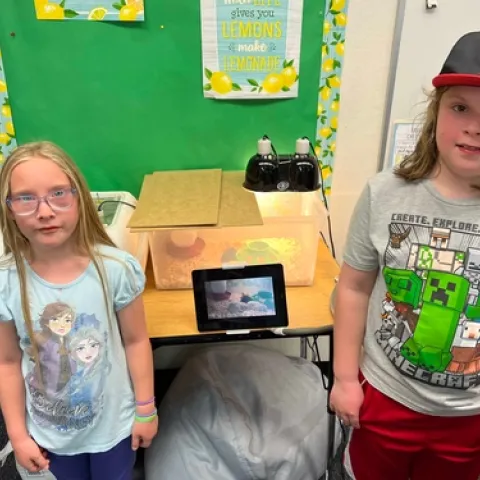
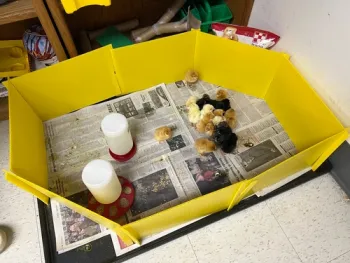
Overview of 4-H
For over 100 years, the 4-H program has been teaching young people about agricultural science through hands-on activities. 4-H activities are fun and youth love learning about animals, such as chickens. Through learning about chickens, youth experience all four of the Hs:
- Head: Youth learn lots of science and math
- Heart: Youth learn about concern for others
- Hands: Youth learn about serving the needs of their chicks
- Health: Youth learn about caring for their own well being
4-H Embryology Project
While the 4-H program has offered the Embryology program through school enrichment programs (before and after-school), volunteer project leaders can consider leading a 4-H Embryology program for their club. The following are benefits that volunteers can gain from leading an Embryology program:
- Opportunities to teach young people about agricultural values
- Satisfaction of seeing young people learn new skills and gain new knowledge
- Relationships that volunteers make with other volunteers and youth
- Learning about science
- Building lasting memories with others
Now that you are ready to lead your own 4-H Embryology project, consider the following steps.

Step 1: Prepare for your project
The UC ANR Volunteer Educator's Guide provides a wealth of information for 4-H volunteer project leaders. On page 25, you will see a list of 12 items that each project leader should complete PRIOR to beginning your project, such as:
- Discussing your project idea with the club leader
- Completing the required 4-H volunteer application and background check
- Identify a list of youth who will participate in your project
- Develop a project description and lesson plan (see below)
- Obtain a UC ANR facility use agreement
- Obtain signed treatment authorization/health history forms for all youth participants
- Distribute project meeting dates and times to youth, volunteers, and your club leader(s)
- Ensure at least one other adult is present at your project meetings
- If raising funds, have you obtained approval from the 4-H county staff and County Director?
- Provide plenty of drinking water for youth and adults
- Read the 4-H Project Leaders Digest
- Distribute Annual Project Report forms to youth to track their project participation

Step 2: Create learning objectives
A lesson plan is the educator's road map for what the 4-H members will need to learn and how it will be done during the 4-H project meeting. Before designing the lesson plan, you first need to identify the learning objectives.
EXTERNAL IMAGE
Image from the Center for Research on Learning and Teaching
4-H Embryology Learning Objective Examples
The following outline learning objective examples for the 4-H Embryology Project based on the youth's developmental stage. For more information, refer to the 4-H Poultry Project Sheet.
Beginner
- Identify different avian species
- Learn how to properly house birds
- Understand basic avian anatomy
- Learn the feed requirements of different poultry
- Demonstrate basic handling techniques
Intermediate
- Name and describe breeds of poultry
- Understand the Standards for breeds of poultry
- Learn the basic of avian disease prevention and care
- Participate in poultry showmanship
- Identify breed characteristics for egg production, meat production, and special purposes
Advanced
- Learn how to properly incubate eggs
- Describe grades and sizes of eggs
- Understand use of photoperiods and lighting in production of chickens
- Participate in Poultry Bowls and Champion Exhibitor contests
- Present on topics pertaining to poultry
- Improve knowledge of breeds and standards of poultry

Step 3: Choose a (or design your own) lesson plan with activities
As mentioned above, a lesson plan outlines what activities the youth will do in order to learn the objectives. Fortunately, there are several really great 4-H Embryology lesson plans with activities already designed for you to consider.
- Hatching Classroom Projects (grades 2-5)
- Experiments in Poultry Science (grades 6-8)
- Embryology Lesson Plans (week by week) by the University of Florida
Depending on your county, you may be able to check out an incubator from your local 4-H office. In addition, your county 4-H office may be able to help you get fertilized chicken eggs.
- Placer and Nevada Counties: Request a 4-H incubator here.
- Sutter and Yuba Counties: Request a 4-H incubator here.

Step 4: Reviewing best-practices for helping youth thrive
Pedagogy is the method and practice of teaching. 4-H volunteers do a lot of teaching, but not in the way some people understand. Here's why:
- Volunteers don't lecture, but instead they design hands-on learning experiences for youth. This way of teaching is called "experiential learning." Learn more about experiential learning here.
- Volunteers don't take over the learning process, but instead they partner with youth by sharing leadership, which is called adult-youth partnership. Learn more abut adult-youth partnerships here.
- Volunteers don't expect youth to learn randomly, but instead they focus on cultivating learning environments, such as helping youth find their spark (passion), helping youth feel like they belong, forging healthy relationships, and encouraging youth to engage in the project. Learn more about the learning environments (i.e. developmental contexts) by viewing the 4-H national Thrive Model of Positive Youth Development.

Step 5: Ask for constructive feedback
4-H's motto is "To make the best better." This motto encourages youth (and adult volunteers) to continue to do their best and continue to grow and develop over time. As such, project leaders have an opportunity to take stock at what is working really well in their project as well as identify any barriers of project engagement. There are many ways to gather constructive feedback. The following are ideas for you to consider:
- At the first project meeting, ask youth how they feel about the project and whether there are any logistical challenges they have with fully participating in the project (e.g. transportation and/or economic barriers)
- At the third project meeting, ask the other adult volunteer what they feel is working well in the project and what ideas for improvement they have "to make the best better"
- Midway through the project, give the youth a written questionnaire asking for their honest (and confidential) feedback. Explain that the questionnaire is not required, but optional.
- "What do you like about the project?"
- "What changes would you suggest to make this project even better?"
- "What are you learning from this project?"
- "Would you recommend this project to your friend?" Why or why not?
Why gather feedback from your youth and volunteers? Because in 4-H, we are committed to "making the best better." As adult volunteers, we have the chance to model continuous improvement in front of many watching eyes. If we are constantly improving our craft, we demonstrate to youth how they can improve their craft too.
Step 6: Consult additional resources
In 4-H, we have a large community with lots of expertise that we can draw from. The following are some additional resources for you to consider as you lead your 4-H Embryology project.
- University of California Cooperative Extension (Placer County) 4-H embryology website
- UC ANR 4-H Project Sheet website
- University of Florida 4-H embryology website
- Utah State University 4-H curricula website
- National 4-H curricula website
- Chicken embryo development video
- Are you a public school teacher? Did you know 4-H has resources to help your school implement an embryology expanded learning (before or after-school) program? To learn more, visit our website.
June Stewart - Making the Best Better
This blog post is dedicated to long-time 4-H professional June Stewart, who ran the embryology program in Placer County for 25 years. Over her career, June touched the lives of many youth and volunteers. To recognize her efforts, the Gold Country Fair named the small animal barn in her honor.


Questions?
Feel free to reach out to Dr. Matthew Rodriguez, 4-H Youth Development Advisor for Placer, Nevada, Sutter, and Yuba Counties at mrro@ucanr.edu or call 530-889-7385.
What is a social determinant of health and why it matters to cooperative extension
What Is a Social Determinant of Health?
Social determinants of health (SDOH), according to the United States Department of Health and Human Services, include "...the conditions in the environments where people are born, live, learn, work, play, worship, and age that affect a wide range of health, functioning, and quality-of-life outcomes and risks" (Healthy People 2030). Social determinants of health include non-medical conditions that influence health outcomes (Centers for Disease Control and Prevention, 2022). Social determinants of health have been categorized around various constructs, some of which include: economic stability (Braveman, 2011; Healthy People 2030), inequality (Marmot, 2005; Marmot, 1999), immigration (Castañeda, 2015), education access and quality (Healthy People 2030), environments (Healthy People 2030), racism (CDC, 2022), access to health care (Healthy People 2030), political systems (CDC, 2022), and social and community context (Healthy People 2030).
Racism as a Social Determinant of Health
The reason why social determinants of health are important to the 4-H program is because these social (non-health) factors influence youth proximal and distal health outcomes (a.k.a. positive youth development). In her article, "Levels of Racism: A Theoretical Framework and a Gardener's Tale," Dr. Jones describes two flower boxes—one with rich fertile soil and a second box with poor rocky soil. The flowers planted in rich fertile soil flourished, but the flowers planted in the poor soil struggled. The point of this analogy is that people who develop in resource-depleted environments can face greater health challenges compared to people who develop in resource-full environments. In regards to 4-H, youth who develop in better environments (e.g. safe neighborhoods, access to health care, good schools, etc.) stand a greater chance of achieving optimal health outcomes compared to youth who develop in poorer environments (e.g. violent communities, food deserts, lack of reliable public transportation, etc.).
Developmental Contexts as Social Determinants of Health
In the 4-H Thrive Model of Positive Youth Development, Dr. Mary Arnold provides an illustration that describes the process by which youth grow. The illustration has a flower planted in soil. The soil represents the developmental contexts (e.g. 4-H club) that youth interact with in order to learn new life skills and build new relationships. Within this model, the developmental contexts (i.e. soil conditions) can be understand as a social determinant of health. Specifically, the model outlines four developmental context factors that can shape youth outcomes, which includes: sparks (youth finding a particular passion in life), belonging, program engagement, and healthy relationships.
Importance of Youth "Sparks"
Regarding sparks, if the youth has a passion to learn about horses, but there are no horses in their neighborhood, then their ability to learn about horses will be limited. Contrast this with a youth whose family owns a multi-generational farm with several horses and caregivers who can provide mentorship with horse husbandry and other essential animal science skills. The youth who live on acreage with horses will likely learn more about horses than the youth who lives in a neighborhood without horses. This example illustrates how developmental contexts can shape a youth's opportunity to pursue certain sparks, which can then influence their ability to develop a certain skill or increase their knowledge of a particular content area (e.g. horse husbandry).
Belonging and Relationships as Health Outcomes
For belonging and relationships, having an inclusive environment is paramount. In contexts where there is racism, discrimination, or oppression can have detrimental effects on a youth person's ability to form positive relationships where they feel a sense of belonging. As Dr. Jones articulates in her article, "Levels of Racism," there can be institutionalized, personally mediated, and internalized racism (Jones, 2000). Institutionalized racism describe conditions where there is differential access to quality education, stable housing, gainful employment, quality health care, etc. Personally mediated racism describes when we form assumptions about the abilities, motives, and intentions of others based on their race or ethnic identities. Discrimination describes when we perform differential actions towards others according to their race or ethnic identities.
Relation of Program Engagement and Health Outcomes
Participating in the 4-H youth development program provides many important opportunities. There are many facilitators (i.e. factors that increase program engagement) that positively influence a child's ability to engage with the 4-H program, such as access to reliable transportation, financial resources to pay fees, and caregiver support. Research has shown that there are many outcomes for California 4-H alumna, including a sense of responsibility, developing leadership skills, and public speaking confidence (Marshall-Wheeler, 2023).
Relation of Social Determinants of Health and Cooperative Extension
While we see that social determinants of health relate to the 4-H positive youth development program, what about other extension programming in the community? Do social determinants relate to extensionists who work with climate change, forestry education, invasive species, horticulture, and other important community programs and services? To answer this question, one may ask several questions:
- Does the program or service directly or indirectly involve the well being of people?
- Do environmental conditions play an important role in achieving programmatic success?
- Can policy or regulation influence the program?
- Does access to resources (material and/or immaterial) matter to the program's clientele?
The answers to these questions can reveal the relationship between social determinants of health and cooperative extension programming and services. As such, I believe it is important for us to remember that our work as extensionists can be enhanced by a deeper understanding of social determinants of health and their relation to our clientele. As we seek to address social determinants of health, our collective work in cooperative extension will ultimately achieve greater impact.
References
Arnold, M. E., & Gagnon, R. J. (2020). Positive youth development theory in practice: An update on the 4-H Thriving Model. Journal of youth development (Online), 15(6), 1-23. https://doi.org/https://doi.org/10.5195/jyd.2020.954
Braveman, P., Egerter, S., & Williams, D. R. (2011). The social determinants of health: coming of age. Annual review of public health, 32, 381-398. https://doi.org/https://doi.org/10.1146/annurev-publhealth-031210-101218
Castañeda, H., Holmes, S. M., Madrigal, D. S., Young, M.-E. D., Beyeler, N., & Quesada, J. (2015). Immigration as a social determinant of health. Annual review of public health, 36(1), 375-392. https://doi.org/https://doi.org/10.1146/annurev-publhealth-032013-182419
Centers for Disease Control and Prevention. (2022). Social Determinants of Health at CDC. Centers for Disease Control and Prevention,. https://www.cdc.gov/about/sdoh/index.html
Healthy People 2020. (2023). Social Determinants of Health. https://health.gov/healthypeople/priority-areas/social-determinants-health
Jones, C. P. (2000). Levels of racism: a theoretic framework and a gardener's tale. American journal of public health, 90(8), 1212-1215.
Marmot, M. (2005). Social determinants of health inequalities. Lancet(9464), 1099-1104.
Marmot, M. (1999). Epidemiology of Socioeconomic Status and Health: Are Determinants Within Countries the Same as Between Countries? Annals of the New York Academy of Sciences, 896(1), 16-29. https://doi.org/https://doi.org/10.1111/j.1749-6632.1999.tb08102.x
Marshall-Wheeler, N., Nayak, R., Iaccopucci, A., & Worker, S. (2023). Long-term outcomes of early adult 4-H alumni. Journal of Extension, 61(2). https://doi.org/https://doi.org/10.34068/joe.61.02.02
Supporting the Mental Well-Being of Young People
Promoting Healthy People and Communities
One of the public values of the University of California's Division of Agriculture and Natural Resources is the promotion of healthy people and communities. One aspect of healthy people is promoting mental well-being. As we recognize national mental health day on October 10, we have an opportunity to promote the mental health of our young people. 4-H is a positive youth development program committed to developing healthy youth. As such, 4-H has an opportunity to support the mental well-being of our young people. Toward this effort, below is an overview of mental health concepts and terminology. Numerous hyperlinks and resources for further research are provided below.
Overview of Mental Health
According to the World Health Organization, “Mental health is a state of well-being in which an individual realizes his or her own abilities, can cope with the normal stresses of life, can work productively and is able to make a contribution to his or her community.”
The U. S. Department of Health and Human Services says, “Mental health includes our emotional, psychological, and social well-being. It affects how we think, feel, and act. It also helps determine how we handle stress, relate to others, and make choices.”
The National Institute of Mental Health (NIMH) explains that Any Mental Illness (AMI) includes a mental, behavioral, or emotional disorder. Examples of AMI include: depression, anxiety, eating disorders, attention deficit disorder, and substance abuse.
The NIMH explains that Serious Mental Illness (SMI) includes, “a mental, behavioral, or emotional disorder resulting in serious functional impairment, which substantially interferes with or limits one or more major life activities.”
Watch Mental Health Video
Prevalence of Any Mental Illness in U. S.
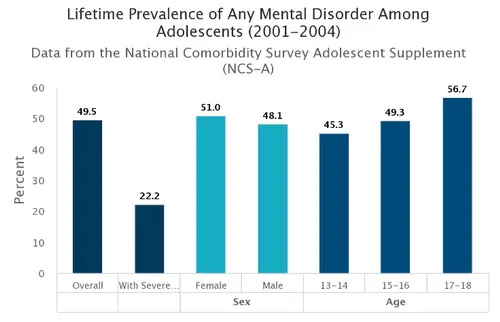
Figure from National Institute of Mental Health.
Mental Disorder and Good Mental Health
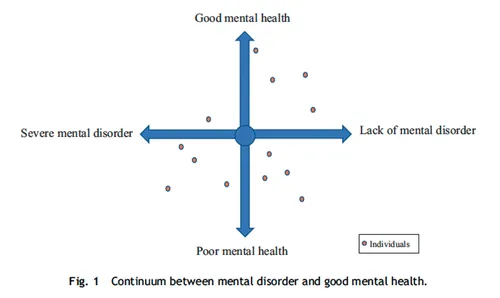
Figure from Fusar-Poli (2020) "What is good mental health?"
Core Domains of Good Mental Health
According to Fusar-Poli (2020), the following are core domains of good mental health:
- Mental health literacy
- Attitudes towards mental disorders
- Self-perceptions and values
- Cognitive skills
- Academic/occupational performance
- Emotions
- Behaviors
- Self-management strategies
- Social skills
- Relationships
- Physical health
- Sexual health
- Meaning of life
- Quality of life
Determinants of Mental Health
According to the World Health Organization, multiple social, psychological, and biological factors predict the mental health of people, including:
- Economic stress
- Physical and sexual violence
- Discrimination
What Is Attachment Theory?
Attachment theory focuses on the enduring emotional ties between people, starting in infancy. The goal of an innate attachment behavioral system is to maintain adequate care and protection. When people face threats to their safety and security, they try to increase proximity to an attachment figure to restore a sense of security.
Mental Health Curricula and Resources
- 4-H Mental Health and Wellbeing Champion Group. (2023). 4-H Mental Health and Wellbeing Champion Group: Suggested Curriculum & Programs. https://docs.google.com/document/d/1IR4xxriqNk14IpYuIXlV-k3sO0NB1YlbU8P44JB-wQ8/edit
- Bercaw, S., & Johnston, K. (2018). GEM: Get Experience in Mindfulness: An Awareness and Acceptance Stress Management Program for Ages 10 and Up. University of Delaware. https://shop4-h.org/products/gem-get-experience-in-mindfulness
- Dellifield, J., & Raines, A. (2018). Your Thoughts Matter. The Ohio State University. https://shop4-h.org/products/your-thoughts-matter-navigating-mental-health
- Iaccopucci, A., Lewis, K., & Soule, K. (2019). Mindful Me: A 4-H primary mindfulness curriculum. University of California. https://shop4-h.org/products/mindful-me-a-4-h-primary-mindfulness-curriculum
- Iaccopucci, A., Lewis, K., & Soule, K. (2020). Mindful mechanics: A 4-H mindfulness curriculum for adolescents and adults. UCANR. https://shop4-h.org/collections/healthy-living-foods-curriculum/products/copy-of-mindful-mechanics-a-4-h-mindfulness-curriculum-for-adolescents-adults
- Liechty, L., & Berkenes, T. (2023). Mindful Teen: From Surviving to Thriving. Iowa State University Extension and Outreach. https://www.extension.iastate.edu/4h/iowa-4-h-mental-health-and-well-being
- Lobenstein, M. M., Park-Mroch, J., Crowley, L. L., Bean, C., & Voss, M. W. (2022). A review of youth mental health curricula in peer-reviewed studies addressing access, equity, and belonging. The Journal of Extension, 60(2), 1.
- Mental Health First Aid. (2023). Mental Health First Aid for Teens. National Council for Mental Wellbeing. https://www.mentalhealthfirstaid.org/population-focused-modules/teens/
- Norrell-Aitch, K. (2013). Be SAFE: Safe, Affirming and Fair Environments. Michigan State University. https://shop.msu.edu/products/Bulletin-HNI101-USB
- Rhodes, A., Garcia, Z., Lewis, K., & Norrell-Aitch, K. (2023). Understanding Stress and Trauma in Youth Webinar Series. UCANR.
Mental Health Crisis Resources
If you are thinking about suicide, or worried about a friend or loved one, or would like emotional support, the Lifeline Network is available 24/7 across the United States. Here are additional resources:
- National suicide prevention lifeline
- 1-800-273-TALK (8255) [24/7 Hotline]
- 1-888-628-9454 (Spanish)
- 1-800-799-4889 (TTY)
- This hotline is available 24 hours a day.
- Crisis text line
- Text “MHFA” to 741741 to speak with a compassionate, trained crisis counselor, a volunteer who has been trained to help with problem-solving and will address the caller's situation.
References
Fusar-Poli, P., Salazar de Pablo, G., De Micheli, A., Nieman, D. H., Correll, C. U., Kessing, L. V., Pfennig, A., Bechdolf, A., Borgwardt, S., Arango, C., & van Amelsvoort, T. (2020). What is good mental health? A scoping review. European Neuropsychopharmacology, 31, 33-46. https://doi.org/https://doi.org/10.1016/j.euroneuro.2019.12.105
Mental Health First Aid USA. (2020). Youth Mental Health First Aid Participant Processing Guide. In. Washington, DC: National Council for Behavioral Health.
National Institute of Mental Health. (2023). Mental Illness. National Institute of Mental Health. https://www.nimh.nih.gov/health/statistics/mental-illness
Penn State PRO Wellness. (2018). Teen Health: Mental Health Penn State Health Children's Hospital; https://www.youtube.com/watch?v=1i9OktVsTWo
Substance Abuse and Mental Health Services Administration. (2023). What is Mental Health? U.S. Department of Health and Human Services. https://www.samhsa.gov/mental-health
World Health Organization. (2023). Mental health. World Health Organization,. https://www.who.int/data/gho/data/themes/mental-health
World Health Organization. (2022). Mental health. World Health Organization. https://www.who.int/news-room/fact-sheets/detail/mental-health-strengthening-our-response
A Golden Time at the Gold Country Fair in Auburn
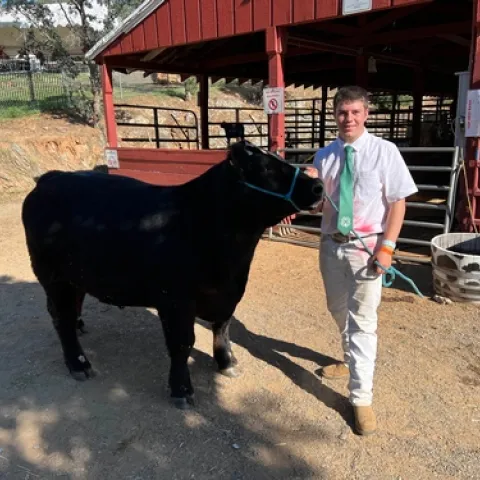
Overview
This past month, 4-H'ers enjoyed participating in the Gold Country Fair in Auburn. Many 4-H'ers shared animals at the fair and demonstrated their leadership and agricultural knowledge through their project. Participating in the fair was definitely a family endeavor. During the week prior to fair, families helped set up the animal corrals.
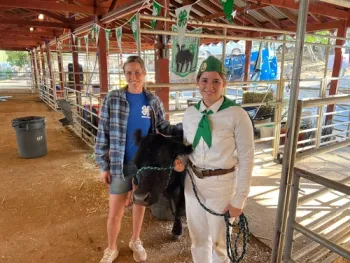
I enjoyed seeing parents and grandparents come together as a community to support our young people. Seeing the youth interact with their family members reminded me that parents and grandparents are a HUGE reason why 4-H is a successful program. The positive interactions between youth and adults is why 4-H is a special program.
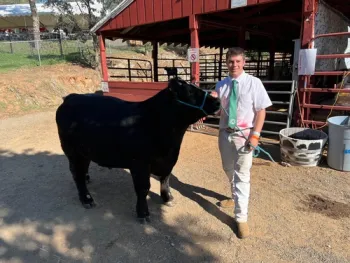
Interested in Joining 4-H?
For those who are not yet enrolled in the 4-H program, I encourage you to consider enrolling. There is something for everyone. We are currently enrolling adult volunteers as well as youth members. To learn more, please visit our website.

Ways to get involved in 4-H
While animal projects are very popular in 4-H, there are lots of additional ways young people can get involved in 4-H. For example, there are summer camps, expanded learning programs at school, state leadership conference, and of course joining a 4-H club. Each club has different 4-H project areas that youth can choose from, such as photography, clothing and textiles, civic engagement, embryology, environmental science, and robotics.
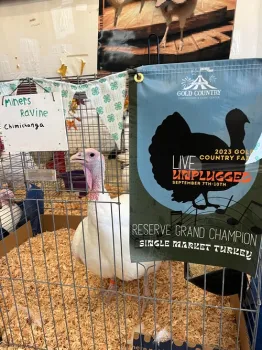
Factors that shape volunteer engagement in youth service opportunities in the western region of the U.S.
Overview
Volunteerism is a public health issue. Research has shown that volunteering for youth programs can increase attainment of skills (Grant, 2020). Further, volunteering can improve well-being and connection with others (Worker, 2020). Volunteering has important implications for the health and well-being of society.
In the 4-H program, volunteers play a critical role in supporting the positive development of youth. 4-H volunteers serve a myriad of roles, including club leaders, project leaders, camp chaperones, and volunteer enrollment coordinators. In these important roles, volunteers invest their time and expertise to support the healthy development of our young people.
Need for more understanding
While we know that volunteers play an important role in our society, more research is needed to understand:
- What factors shape volunteer engagement in educational or youth service opportunities in the western region of the U.S.
- Of these factors, which are most important in shaping volunteer engagement?
Through gaining more knowledge of the factors that can contribute to volunteer engagement, youth organizations such as 4-H can better understand factors that can shape the likelihood of volunteering in a youth organization. This knowledge can then help youth development organizations as they create strategies to increase the numbers of volunteers in their organization.
Methods
To research this topic, I conducted a study that used data obtained from the U.S. Census Bureau's 2017 Current Population Survey on Volunteering and Civic Life, which is a probability sample of all civilian non-institutional populations age 16 or older living in households in the United States. The sample size (n=39,150) allowed for me to run a supervised machine learning decision tree to understand which factors shape volunteer engagement. Nineteen variables were added to the model, which measured factors pertaining to race/ethnicity, income, work status, education, citizenship, immigration, and retirement. The main outcome of interest what whether the person volunteered for an educational or youth service in the past 12 months (0=no, 1=yes).
Results
The results of this study were originally presented at the American Public Health Association annual meeting in Boston MA in 2022. Below are some of the findings.
- The top five variables of importance (in order) included: monthly labor force, sex identity, educational attainment, marital status, and household type.
- The likelihood of volunteering was 50-50 when people stated they were employed at work, unemployed, or not in the labor force due to "other" reasons.
- Of those having the above employment status, females were more likely to volunteer (54%) compared to males (45%).
- For those having the above employment status and identifying as female, more educational attainment was a factor that shaped whether a person was likely to volunteer.
So what does this mean?
These results have important implications for youth organizations, such as 4-H. First, when seeking to increase volunteers in 4-H, programs should consider targeting those who are unemployed. While the unemployed seek new job opportunities, having volunteer experiences can give them employable skills, such as leadership, communication, and mentoring skills. Also, allowing unemployed volunteers the opportunity to forge new relationships with other volunteers can provide an important buffer against stress and other challenges that someone who is experiencing unemployment often face.
Second, 4-H has an opportunity to further support female volunteers through providing support and other resources to increase their engagement. For example, some female adult volunteers may have young children of their own and may need extra support so they can volunteer in the 4-H program. Through helping female volunteers engage in the program, 4-H can provide a supportive environment that allows for the volunteers to thrive in their volunteer role.
Third, 4-H has an opportunity to further engage middle and high school students in volunteering. The 4-H program in California does this through various ways, such as their teens-as-teachers expanded learning opportunities. Also, summer camps often train high school students to serve as camp counselors. These experiences can provide young people with new leadership skills to help them prepare for college and their future career.
References
Grant, S., Maass, S., Vettern, R., Harrington, R., O'Neil, K., McGlaughlin, P., & Good, T. (2020). The impact of volunteering: A multi-state study of 4-H youth development volunteers. Journal of Youth Development, 15(4), 32-50. https://doi.org/https://doi.org/10.5195/jyd.2020.870
Rodriguez, M. (2022). Using Machine Learning to Understand Volunteer Engagement [Poster]. APHA, Boston, MA. https://apha.confex.com/apha/2022/meetingapp.cgi/Paper/517822
Worker, S. M., Espinoza, D. M., Kok, C. M., Go, C., & Miller, J. C. (2020). Volunteer outcomes and impact: The contributions and consequences of volunteering in 4-H. Journal of Youth Development, 15(4), 6-31. https://doi.org/https://doi.org/10.5195/jyd.2020.847
Working as a team: An innovative collaboration between 4-H, CalFresh Healthy Living, and the Master Gardener Program

Overview
This past year, 4-H, CalFresh Healthy Living, and the Master Gardener Program in Sutter has been collaborating together to serve youth and their families. Funded by the Sierra Health Foundation, a positive youth development program was designed to include four program components: 1) 4-H Embryology and Water Wizards school programming, 2) CalFresh Healthy Living school programming, 3) Master Gardener school garden programming, and 4) a four-week Ag-Venture summer day camp.
Guided by social-ecological theory, each program component was theorized to increase child well-being through the positive interactions between program staff and youth throughout the duration of the program. Anticipated outcomes included increases in youth's: 1) social skills and responsibility, 2) healthy eating and physical activity, 3) agriculture knowledge and skills, 4) exposure to careers in Science, Technology, Engineering, and Mathematics (STEM). These anticipated proximal outcomes were then theorized to influence youth's: 1) social competency, leadership, and energy balance and 2) college and career readiness. The anticipated distal outcomes include improving overall youth well being. See attached conceptual model.
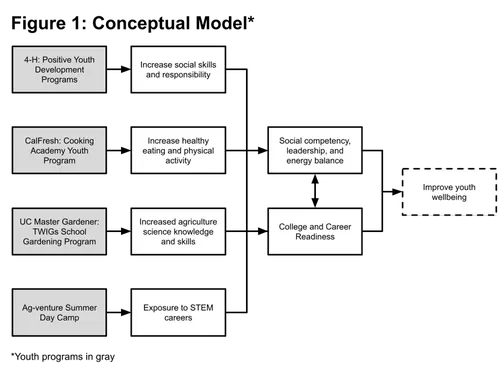
How did 4-H, CalFresh, and Master Gardener collaborate?
Each week, staff from each program met together to talk about the program. These meetings talked about the following topics: 1) program design, 2) program implementation, 3) program evaluation, and 4) program dissemination. During these conversations, there were many research questions that surfaced. Here are some of the many topics that we uncovered:
- When seeking to target low-income families, should we charge a program fee for youth to participate in the Ag-Venture summer day camp? If so, how should we conceptualize a price that could help establish sustainability for future program implementations while also not "pricing out" the youth from participating?
- Who should staff the day-to-day operations of the youth programming? Should we use volunteers or hire part-time staff? Or should we incorporate a train-the-trainer approach and allow educators to deliver program components?
- What training was needed to ensure that all staff and volunteers have the necessary information to deliver high quality positive youth development programming? What should this training look like?
- How should we describe this entire initiative to external stakeholders? While the program was positive youth development, which is what 4-H does, CalFresh Healthy Living and the Master Gardener Program were also equally involved.
These were some of the many discussions that our team had as we collaborated together as a team. There were certainly some disagreements, which is to be anticipated with group work, but overall the team came together to produce an innovative approach to Cooperative Extension programming among low-income families. These efforts were expected to support UC ANR's public value of "promoting healthy people and communities."
Preliminary results
While data collection is still occurring, here are some of the preliminary results based from questionnaires given to youth, parents, and educators.
- Older youth (grades 4-8) enjoyed the program, felt respected by camp staff, and learned new agriculture knowledge
- Younger youth (grades K-3) had fun at camp, felt camp counselors were nice, and learned more about science
- Parents were satisfied with communications from staff, felt the check-in procedure was easy, and were likely to recommend the summer day camp to other parents
Another result was that 36% of parents were familiar with the University of California Cooperative Extension. Note: A peer-reviewed manuscript with more results is being drafted and will be submitted to a journal in the near future.
What lessons can we glean?
There are many lessons that we can learn from this innovative program. The following are some of the many lessons learned:
- Cooperative Extension program units can collaborate together to promote healthy people and communities.
- There is a need for more youth programming in the community.
- More research is needed on sustainable program staffing:
- Hiring staff required significant time and logistical coordination.
- Utilization of 4-H and Master Gardener volunteers may show promise for establishing a more sustainable staffing model.
- Train-the-trainers appears to be a feasible staffing approach to delivering high-quality youth development programming in the schools.
References
Bronfenbrenner, U., & Morris, P. A. (2007). The Bioecological Model of Human Development. Handbook of Child Psychology, 793-828. https://doi.org/https://doi.org/10.1002/9780470147658.chpsy0114
Hsu, M. (2023). Ag-Venture campers dive ‘head first' into agriculture, natural resources. University of California Cooperative Extension. https://ucanr.edu/News/?routeName=newsstory&postnum=57709
Youth Living in Poverty
Youth Living in Poverty
Poverty is a reality for many youth and their families. According to the Children's Defense Fund, nearly 10.5 million children were considered economically disadvantaged ("poor") in 2019. Many youth experience housing instability. During 2017-18, over 1.5 million school-aged children experienced homelessness (Children's Defense Fund). Youth that live in poverty can face challenging circumstances as they interact with others in various contexts, such as at home, at school, and more broadly in the community. Bronfenbrenner's ecological theoretical framework provides a helpful way to understand that adequate access to resources is vital to youth "thriving."
Structures that Can Perpetuate Poverty
While the topic of poverty can be very complex to understand, research reveals that structures can shape the ebb and flow of resources to underserved communities of color. In her famous article, "Levels of racism: A theoretic framework and a gardener's tale" describes a flower box analogy to illustrate some of the mechanisms that interrelate when seeking to understand the complexities that youth of color can experience, such as racism and limited access to resources.
Watch Video
Reflection Questions
- Read article here.
- In the article, Dr. Jones describes an allegory that contains two flower boxes. The first has rich fertile soil and the second has poor rocky soil. Is there a relation between “poor rocky soil” and poverty? If so, how?
- The allegory goes on to explain the “gardener” prefers red flowers over pink flowers. The pink flowers are planted in the poor rocky soil. Does the pink flower get to “decide” which flower box to reside within? How may this allegory relate to youth living in economically disadvantaged neighborhoods?
- The allegory describes a structure whereby the gardener separates the soil into two different flower boxes. The system maintains that the rich fertile soil goes in one flower box and the poor rocky soil goes into a separate flower box. What structures are prevalent in your community and how do these structures gate keep access to economic resources for youth?
- A central figure in the allegory is “the gardener.” In your opinion, who is the gardener? Why?
Share Your Feedback
I invite you to share your thoughts by submitting a comment to this post. Your input and feedback is a valuable part of the exchange of ideas and information.
References
Arnold, M. E., & Gagnon, R. J. (2020). Positive youth development theory in practice: An update on the 4-H Thriving Model. Journal of youth development (Online), 15(6), 1-23. https://doi.org/https://doi.org/10.5195/jyd.2020.954
Bronfenbrenner, U., & Morris, P. A. (2007). The Bioecological Model of Human Development. Handbook of Child Psychology, 793-828. https://doi.org/https://doi.org/10.1002/9780470147658.chpsy0114
Jones, C. P. (2000). Levels of racism: A theoretic framework and a gardener's tale. American journal of public health, 90(8), 1212-1215.
4-H Volunteer Engagement Infographic: Parental Expectations and Intention to Re-Enroll Youth
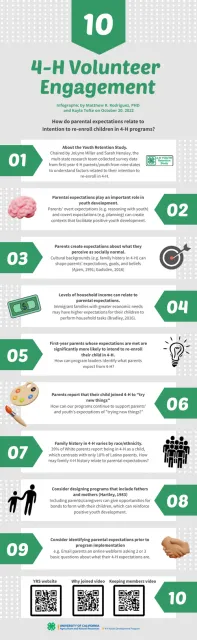
4-H study discovers volunteering may improve program impact and sprout personal growth
Overview
4-H volunteers plant seeds with the hope of seeing growth over time. Each year, 369,000 adult volunteers serve six million young people across the United States by toiling 1 to 5 hours per month cultivating relationships with youth. A recent study written by Steven Worker and colleagues wanted to see what growth these volunteer efforts were having. What they discovered was jaw-dropping. While prior research has documented how volunteerism benefits the growth of others in society, this study found that volunteers may actually be helping their own personal growth too!
The study explored two foundational questions: 1) What did 4-H volunteers feel was the most important contribution they made to 4-H programs? and 2) What did 4-H volunteers feel was the biggest difference 4-H had on their own personal growth? With data collected from 1,245 4-H volunteers, the research team found some very exciting findings.
Volunteers influence program and youth growth
First, volunteers reported making an impact to improve their 4-H program, such as creating new clubs. A 22-year-old female volunteer with one year of 4-H experience said their impact involved, “...starting a club from scratch with the highest percentage of participation in a county speaking event from the smallest club in our first year.” As we can see, this volunteer felt one of their most important contributions to 4-H was their ability to start a club and help it thrive during its first year.
Second, volunteers reported impacting the positive development of youth, such as cultivating a love of learning, empathy towards others, and confidence in their abilities. A 61-year-old female volunteer with 15 years of 4-H experience described their impact as, “...having the opportunity to work with a diverse group of youth and see them develop and change through the work.” This quote reveals that this volunteer believed their most important contribution to 4-H was their ability to help young people grow and develop over time.
Volunteers influence their own personal growth
This study also unearthed another exciting discovery. Volunteers reported an increase in their own personal growth as a result of having volunteered in their 4-H program. A 20-year-old male volunteer with two years of 4-H experience described their personal growth as, “meeting a variety of wonderful people that have taught me about myself and what I want to do with my life.” This statement suggests volunteering helps cultivate the volunteer's own self-awareness and expands their horizons.
Reflections
The results from this study shed insight for 4-H programs and volunteers to consider. First, the evidence from this study suggests volunteers personally benefit from their 4-H service. Second, volunteers may stick around longer when they feel they are expanding their 4-H program. Third, this personal growth through volunteerism continues onward while people age.
As more volunteers sign up this year, we pause and reflect upon the seeds that will be planted. One by one. A little water. A little sunlight. A little time. And with each gentle breeze, roots will form. Life will sprout. Both outside and within…
Reference
Worker, S. M., Espinoza, D. M., Kok, C. M., Go, C., & Miller, J. C. (2020). Volunteer Outcomes and Impact: The Contributions and Consequences of Volunteering in 4-H. Journal of Youth Development, 15(4), 6-31. https://doi.org/10.5195/jyd.2020.847
Welcome to Thriving Forward
Welcome to Thriving Forward Blog
Welcome to "Thriving Forward," which is a blog dedicated to "promoting healthy people and communities." Challenges such as poverty, racism, discrimination, food insecurity, gun violence, disparities of health, climate change, obesity, are some of the many challenges Californians face in the 21st century. The University of California is poised to make a significant positive difference in the lives of Californians through Cooperative Extension and the many programs and services offered to various constituencies in all 58 counties.
UC ANR's 4-H Positive Youth Development Program
One way that the University of California serves youth and their families is through the Division of Agriculture and Natural Resources's (UCANR) 4-H positive youth development program (PYD). The UC 4-H program is part of the 4-H national youth development program, which is the largest youth development program in the country. In fact, 4-H has been serving youth and their families for over 100 years. To continue this tradition, the UC 4-H program offers a wide array of community-based programming to help support the needs of youth ages 5-18 in every county in California.
The UC 4-H program offers positive youth development programs through a variety of ways (or modes). For example, here are some of the UC 4-H modes:
- Organized 4-H clubs
- Overnight and day camp programs
- School enrichment programs
- Individual study, mentoring, and family learning programs
These efforts collectively position the University of California to make a significant impact on promoting healthy people and communities, which is a UCANR public value. For example, 72% of 4-H youth would like to work in science, 87% of 4-H youth gained social and leadership skills, and 4-H youth were twice as likely to get good grades in school compared to others not involved in 4-H. These are some of the many positive impacts that the UC 4-H program has made in communities across California.
Thriving Model of Positive Youth Development
What distinguishes the 4-H program from other youth development programs is an emphasis on evidence-based and evidence-informed practices. Science undergirds why (and how) we do programming among young people in our community. For example, 4-H is guided by the Thriving Model of Positive Youth Development. Key to this model is a focus on establishing a healthy developmental context for youth that include "sparks" (i.e. areas a youth is passionate about), a sense of belonging, healthy relationships, and engagement in the 4-H program.
The model believes that when these developmental context characteristics are present, youth will provide indicators of thriving, which include a growth mindset, openness to challenge and discovery, hopeful purpose, prosocial orientation, transcendent awareness, positive emotions, and goal setting and management. To promote the adoption of the 4-H Thriving Model of PYD, a team of "Champions" (2 from each state) meet together regularly by region to collaborate.
Another way that UC professionals collaborate together is through work groups. For example, here are some of the many work groups that 4-H professionals are members of:
- Expanded Learning (Afterschool)
- Career/College Readiness and Workforce Development
- Developing Volunteer Capacities
- Native American Community Partnerships
These collaborations bring together Extension professionals, such as 4-H academics and community education specialists, to discuss the most pressing needs and opportunities to promote healthy people and communities in California. These work groups provide an important network to UC 4-H professionals. The information gained at these work group meetings, which occur on a regular basis, provide helpful knowledge that can be applied at the county level.
For example, I am a member of all four of the aforementioned work groups and am also a state 4-H Thrive Champion. These collaborations allow me to learn from others about innovative 4-H PYD applied research, which I can then consider for the 4-H program that I support in Placer, Nevada, Sutter, and Yuba counties.
What to Expect from Thriving Forward Blog
So what can you expect to find from this blog "Thriving Forward?" In one word—understanding. First, the information presented in this blog will be guided by scientific knowledge and theoretical frameworks. Second, this website will provide practical information for people who work with young people and volunteers. By combining the two, this blog strives to make a positive contribution to the promotion of healthy people and communities.
So who are the intended audiences for Thriving Forward? Some of the audiences can include:
- Parents and grandparents
- Volunteers who work with youth
- Educators (from elementary through college)
- Youth development staff (e.g. youth programs, military bases, juvenile probation)
- Clinicians who work with youth (e.g. mental health, school counselors)
- 4-H professionals (e.g. UC advisors, Cooperative Extension agents, educators, 4-H community education specialists)
- Community leaders (e.g. Native Tribal Communities, Farm Bureaus, County Staff)
Ways to Engage with Thriving Forward Blog
I invite you to subscribe to Thriving Forward to receive an email when a new article gets posted. I also invite you to comment on new articles. Your feedback is an important part of the collaborative exchange of ideas, values, and information that make our 4-H program a success in California. Thank you in advance for your help in promoting healthy people and communities through your involvement in Thriving Forward. Together, we can help Californians and other communities across the country thrive forward.
References
Arnold, M. E., & Gagnon, R. J. (2020). Positive youth development theory in practice: An update on the 4-H Thriving Model. Journal of youth development (Online), 15(6), 1-23. https://doi.org/https://doi.org/10.5195/jyd.2020.954
Fields, N. I. (2020). Exploring the 4-H Thriving Model: A Commentary Through an Equity Lens. Journal of youth development (Online), 15(6), 171-194. https://doi.org/https://doi.org/10.5195/jyd.2020.1058
Hurtado Choque, G., Rodriguez, M., Soltani, D., Baltaci, A., Nagao-Sato, S., Alvarez de Davila, S., Monardez, J., Peralta Reyes, A., & Reicks, M. (2023). Mixed-methods evaluation of father participation in an adolescent obesity prevention program with multiple delivery methods. Health Promotion Practice, 1-12. https://doi.org/https://doi.org/10.1177/15248399231177300