
Kitty Oppliger

Kitty has a background in public health, ecology, sustainable food systems and faith-based health practices. She has worked on a variety of research projects investigating rural food access, sustainable diets, and healthy aging. As a Community Nutrition and Health Advisor in Northern California, she leads an applied research and extension program focused on nutrition security, science literacy, Indigenous food sovereignty, and the interaction of spiritual and emotional domains of health with nutrition.
Kitty is also a certified yoga instructor focusing on accessible movement practices for those with injuries and disabilities. She is a passionate gardener and forager, and most importantly a lifelong learner.
BS Biology, Michigan Technological University. 2021
Good Gifts: Finding Joy in Giving

The winter holidays are filled with traditions — cozy gatherings, comforting foods, and the joy of giving. But from a mental wellbeing perspective, the way we give gifts can either nurture connection or add unnecessary stress.
The Capitalist Crunch

Every year, “Black Friday creep” starts earlier, pulling us into a frenzy of sales, flashing lights, and limited time deals. Advertisers tell us that the right purchase will prove our love or guarantee someone’s happiness. But this commercial pressure can take a real toll.
Crowded stores, loud music, and overstimulation can activate our body’s stress response — raising heart rate and cortisol levels, and triggering the familiar “fight or flight” feeling. This holiday stress adds to what can already be a difficult season as we face shorter days, less sunlight, and financial strain.
It’s not just mental health that’s affected. Research shows that rates of heart attacks and other cardiac emergencies peak around Christmas and New Year’s, partly due to stress and disrupted routines (Mohammad, 201; Olsson, 2021). In other words, the “season of giving” can easily become the “season of overdoing.”
Generosity and Gratitude
Fortunately, there’s good news: generosity and gratitude — when practiced with intention — are powerful protectors for our wellbeing. Studies consistently show that giving to others, expressing appreciation, and nurturing relationships boost happiness, lower blood pressure, and even improve immune function (Emmons & McCullough, 2003; Dunn, 2008).
So how can we embrace the joy of giving without the stress? Try focusing on gifts that are thoughtful, meaningful, and sustainable. Here are a few ideas:
- Time and talent: Offer your time or skills instead of a store-bought gift. Shovel a neighbor’s driveway, plan an afternoon with your niece or nephew, or take your partner to that show they’ve been wanting to see. Shared experiences create memories — and connection is one of the strongest predictors of happiness.
- Handmade and from-the-heart: Knitting, baking, painting, or crafting a personalized card not only produces a one-of-a-kind gift, but also engages the creative process, which is shown to reduce anxiety and improve mood (Kaimal, 2016). Some of my favorite handmade gifts may have little retail value, but they hold a special place in my heart and home because they cennect me to loved ones who live far away.
- Make a big impact: Donate to a nonprofit that reflects your loved one’s values — a cause they care about deeply. It’s a meaningful way to show alignment and amplify the spirit of generosity. Other perks are that these gifts take up no space, have no shipping costs, and take almost no time at all! A great option to decrease decision-making fatigue induced by finding the perfect gift- leaving you more brain space and hours to devote to what truly matters.
- Support small and local: If you do decide to shop, consider supporting local makers and small businesses. These purchases keep your dollars in the community and often come with a more personal touch. Locally-owned stores also have a much more pleasant atmosphere which can further reduce your own stress levels.

Wishing you Winter Wellness!
This holiday season, you don’t need to spend more to give more. By choosing gifts rooted in connection, creativity, and kindness, you’ll be giving something far more valuable than what comes in a box — a gift that supports wellbeing for both the giver and the receiver. The most important thing is to find what brings you joy and fosters good health for you and those around you.
Take care and be well!
Celebrate Plant-based eating in November!
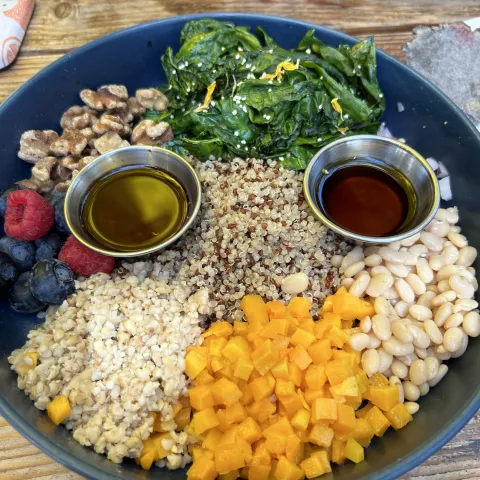
You may be thinking about Thanksgiving Turkey this month, but November is also World Vegan Month.
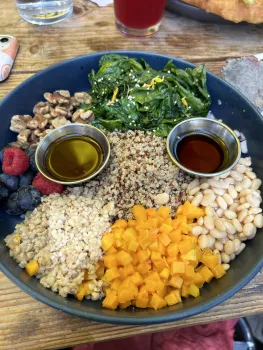
More Plants, Less Meat
“Vegan” refers to a lifestyle that does not use any animal products, which includes following a plant-based diet. Plant-based diets have been associated with numerous benefits, both for personal health and environmental sustainability. Here are highlights from the latest research:
Plant-based diets reduce chronic disease risk
While social media influencers tout new products and miracle supplements as the secret to a long life, the truth is much less sensational: a well-balanced diet rich in whole grains, vegetables, fruits, nuts and legumes- with minimal animal foods- continues to gain evidence as an approach to avoiding chronic disease and death. A recent systematic review looked at 32 different studies and concluded that plant-based diets offer protection against heart disease, diabetes, cancer, and obesity. Moreover, a meta-analysis comparing 14 studies of plant-based diets indicates that choosing meatless meals can drastically reduce your risk of death from these diseases, and overall risk of death.
Replacing animal foods with a variety of plant foods can improve health by lowering inflammation and insulin resistance, changing the gut microbiome, and increasing your intake of beneficial nutrients such as fiber, antioxidants and minerals. This makes a plant-based diet key to extending your healthy years.
Choose less processed options
Simply eliminating meat and milk doesn’t cut it, though. Research is clear that plant-based foods in their unprocessed or minimally processed forms are the answer, whereas more processed options that you might find in bright packages and convenience meals could increase chronic health risk. A recent analysis of long-term data shows that avoiding “ultra-processed foods” (UPFs) is associated with healthy aging, including good cognitive function, physical function, mental health, living free of chronic diseases and reaching the age of 70 years. The good news is that California has an abundance of fruits, vegetables, nuts and grains grown right here. Connect with local farmers and producers to get the freshest products, and you will quickly find that meatless meals can be even more tasty than the traditional Thanksgiving turkey.
Good for you, good for the planet
In addition to contributing to longer life expectancy and metabolic health, plant-based diets are a great option a healthy planet. Plant-based eating can reduce greenhouse gas emissions, decrease water use and pollution, and leave more land available for recreation and conservation. The biggest impacts come from cutting back on red meat, processed meat, and dairy products.
To prioritize the health of both people and the planet, a team of researchers from Harvard University, the University of Copenhagen, and the University of Montreal created a food scoring system called the Alternative Healthy Eating Index (AHEI). It emphasizes whole grains, fruits, vegetables, nuts, legumes, and healthy fats, while minimizing red and processed meats, sugar-sweetened beverages, and trans fats- the building blocks of a colorful plant-based diet!
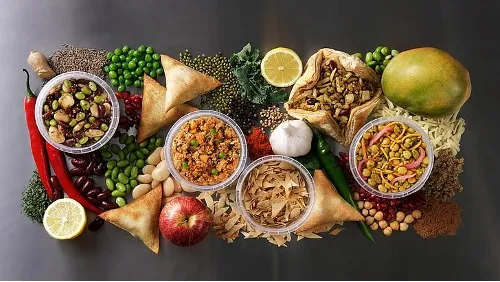
Take small steps today to increase the plants on your plate! Take a look at the plants you already have in your fridge and pantry. What new plant are you going to try next?
Read more here:
What is Community Engaged Research?

“The word itself ‘research’ is probably one of the dirtiest words… it stirs up silence, it conjures up bad memories, it raises a smile that is knowing and distrustful.”
-Decolonizing Methodologies, Linda Tuhiwai Smith
A problematic past
As Dr. Linda Tuhiwai Smith, an Indigenous scholar and activist, explains in her book Decolonizing Methodologies (Smith, 2012), the very word research can provoke mistrust and defensiveness in some communities. This skepticism is not unfounded. Throughout history, research has often been used as a tool of exploitation rather than empowerment, with Western scientists extracting knowledge, resources, and cultural practices without consent or reciprocity.
Infamous examples of harmful research include the Tuskegee Syphilis Study (Jones, 1993), which deceived and denied treatment to African American men; the Nazi medical experiments in concentration camps (Lifton, 1986); and the Minnesota Starvation Experiment (Keys et al., 1950), which subjected conscientious objectors to military duty to extreme levels of low nutrition. Even in less egregious cases, “helicopter research” — where university or government researchers arrive, collect data, and leave without explanation or clear benefit to the impacted community — can leave people feeling abused, confused, or alienated (Castleden et al., 2012).
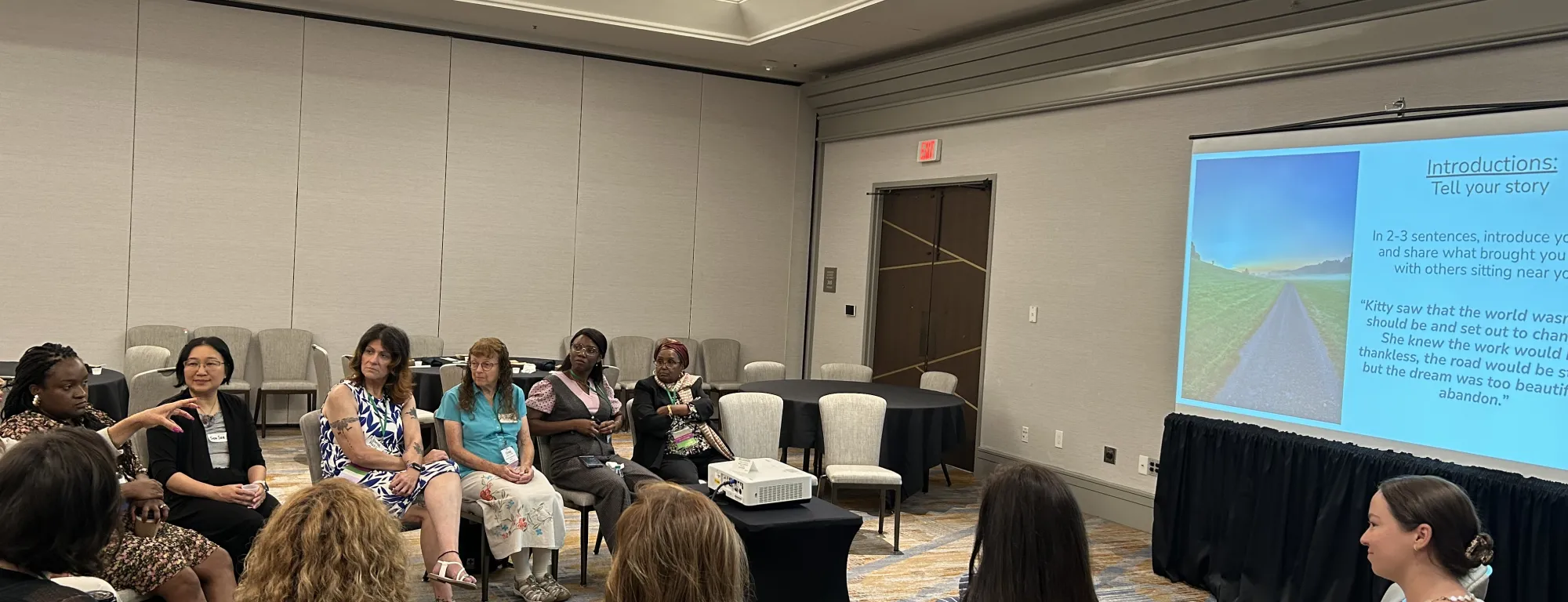
Working With, Not On, Communities
Fortunately, alternatives to this extractive model are being readily adopted by researchers. Many scholars and practitioners now advocate for community-engaged research (CER) — an approach that emphasizes collaboration, mutual benefit, and respect between researchers and community members. As the name implies, CER actively involves the community in shaping the research process: identifying and shaping priority questions, selecting culturally appropriate methods, collecting data, interpreting results, and sharing findings for enhanced local impact (Israel et al., 2013).
An example of a widely-used approach is Participatory Action Research (PAR). Community members are given space at the table as co-investigators rather than subjects, contributing to all stages of inquiry (Baum et al., 2006). Another is citizen science, where residents contribute observations or data — such as the Audubon Society’s Christmas Bird Count, which has generated over a century of valuable ecological data (Bonney et al., 2014). Tools like community advisory boards, storytelling workshops, and listening sessions are other ways to ensure that research is not only about the community but for and with the community.
At the highest levels of engagement, communities and researchers share decision-making power. This collaborative model helps ensure the work is culturally grounded, ethically sound, and practically useful to those most affected by the issue at hand (Minkler & Wallerstein, 2008).
Changing the Research Dynamic
CER transforms the dynamic from extractive data collection to a shared solution-oriented effort. Cooperative Extension Advisors are well suited to use these approaches, since we often live and work in the same communities we serve. This proximity builds trust and opens pathways for co-developing research projects that respond to local priorities. Instead of treating residents as “subjects,” CER treats them as partners, valuing local knowledge and strengths alongside academic expertise.

By fostering ongoing relationships, providing transparent communication, and ensuring that results are accessible and actionable, community-engaged research helps repair the historical breach between science and society — and, perhaps more importantly, creates knowledge that is both credible and useful.
Works Cited
- Baum, F., MacDougall, C., & Smith, D. (2006). Participatory action research. Journal of Epidemiology & Community Health, 60(10), 854–857. https://doi.org/10.1136/jech.2004.028662
- Bonney, R., et al. (2014). Next steps for citizen science. Science, 343(6178), 1436–1437. https://doi.org/10.1126/science.1251554
- Castleden, H., Morgan, V. S., & Neimanis, A. (2012). Researchers’ perspectives on collective/community co-authorship in community-based participatory Indigenous research. Journal of Empirical Research on Human Research Ethics, 5(4), 23–32. https://doi.org/10.1525/jer.2010.5.4.23
- Israel, B. A., et al. (2013). Methods in Community-Based Participatory Research for Health (2nd ed.). Jossey-Bass.
- Jones, J. H. (1993). Bad Blood: The Tuskegee Syphilis Experiment. Free Press.
- Keys, A., et al. (1950). The Biology of Human Starvation. University of Minnesota Press.
- Lifton, R. J. (1986). The Nazi Doctors: Medical Killing and the Psychology of Genocide. Basic Books.
- Minkler, M., & Wallerstein, N. (2008). Community-Based Participatory Research for Health: From Process to Outcomes (2nd ed.). Jossey-Bass.
- Smith, L. T. (2012). Decolonizing Methodologies: Research and Indigenous Peoples (3rd ed.). Otago University Press.
Staying Healthy in the Heat

Healthy in the Heat
Summer is on the way and experts anticipate that we will continue to see rising temperatures and more extreme heat events. The National Oceanic and Atmospheric Administration (NOAA) reports that 2024 was the hottest year on record and that this year is likely to be even hotter. While natural disasters such as tornadoes and hurricanes may sound more dangerous than a heatwave, more Americans die each year due to heat than from any other weather events.
What is “Heat-related Illness”?
The most severe health impact of heat is heatstroke, but high temperatures can also cause heart attacks, strokes, and kidney failure. Heat exhaustion, which occurs when your body loses fluids and electrolytes, often precedes heatstroke with symptoms such as heavy sweating, headache, dizziness, nausea, muscle cramps, weakness and cool, clammy skin.
Heatstroke occurs when the body can no longer control its temperature: the body's temperature rises rapidly, the sweating mechanism fails, and the body is unable to cool down. When heat stroke occurs, the body temperature can rise to 106°F or higher within 10 to 15 minutes. Heat stroke can cause permanent disability or death if the person does not receive emergency treatment.
Who does it affect?
Outdoor workers are especially vulnerable to heat. California was the first state to enact legislation that protects workers in extreme heat, and last year added additional protections for indoor workplaces. Other populations that are at high risk include children, the elderly, people with preexisting medical conditions, and people without adequate shelter.

What you can do
One big reason people experience heat related illness is because they do not recognize the risks and fail to take the necessary precautions. Be sure that you and your family stay safe this summer by taking these steps to prevent heat related illness.
-Stay cool outside: as the temperature rises, seek shade and avoid direct sun exposure. Do necessary outdoor activities at dawn or dusk when the temperature is lower.
-Stay cool inside: Use AC units as necessary if they are available. Open windows at night to allow cooler air in. Only run fans if the indoor temperature is below 90 degrees to avoid circulating hot air.
-Stay hydrated: prioritize water and electrolyte beverages, but avoid drinks with sugar, alcohol or caffeine
-Be aware of your risk: talk to a doctor to know if any medications you take or conditions you have put you at greater risk of dehydration or overheating. Develop a plan with your doctor.
The Principles of Indigenous Food Sovereignty
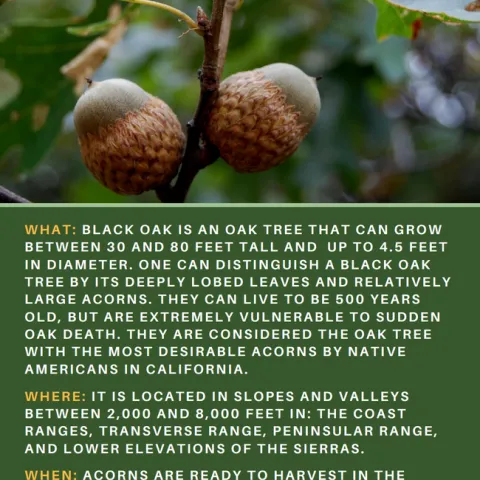

Indigenous Food Sovereignty: Opportunities and Importance in Extension work
In 2007, the first global Forum on Food Sovereignty defined the concept as “the right of peoples to healthy, culturally appropriate food produced through ecologically sound and sustainable methods, and their right to define their own food and agriculture systems.” Since then, advocates of food sovereignty have applied this definition to promote food access in remote areas, urban centers, cultural diaspora and reservations.
For Indigenous Peoples, food sovereignty includes a kin-centric relational model to the land and non-human relatives as part of the food system. In their 2020 scoping review, Tara L. Maudrie and colleagues identified four principles of indigenous food sovereignty (IFS) and assessed how interventions using these principles impact food access, diet quality, and health. Extension professionals can apply these principles to our research and education with Indigenous communities to increase our impact and create meaningful change:
Principle 1: Community Ownership - Ensuring that interventions are community-led. Using a research approach known as “community-based participatory research” (CBPR) prioritizes ongoing participant engagement in planning, implementation, evaluation and dissemination of the results. Example methods used in successful interventions include developing community advisory boards, consulting with elders and community leaders, and providing reports of the research outcomes to the community. Inviting tribal members and participants to be an active part of the “research team” through co-designed procedures and co-authored products ensures that the Extension projects directly benefit the community.
Principle 2. Inclusion of Traditional Food Knowledge - Emphasizing cultural knowledge about food production, harvesting and preparation. Locally relevant Tribal food systems activities – such as fishing, harvesting traditional plants, and cooking traditional recipes – support intergenerational knowledge passing and resilient food systems. Further inclusion of tribal land management and food production techniques such as burning and seed-keeping maintain a respect for Indigenous traditions and land ethic. Incorporating culturally relevant nutrition education, conducting prior research on local food systems knowledge, and gathering community feedback to inform project development can help to integrate traditional knowledge systems with Extension expertise in food systems and community health.
Principle 3: Promotion of Traditional and Cultural Foods: Encouraging the consumption of Indigenous, nutrient-dense, traditional foods. Traditional Indigenous foods uplift cultural values, and research indicates an association between traditional food intake and diet quality. Promoting specific cultural foods of local tribes represent this principle. Traditional foods offer an opportunity to explore potential collaborations with UC Master Gardeners, local producers and UC Master Food Preservers. Permission of tribal leaders for any use of traditional foods and preparations, especially for external audiences, is essential to support tribal food sovereignty and maintain trust between Extension agents and tribal communities.

Principle 4: Environmental Sustainability - Supporting sustainable food systems that respect and integrate Indigenous knowledge of the environment. Barriers to healthy food access include environmental degradation of traditional harvesting and cultivation sites, lack of reliable food distributors, and the replacement of fresh produce by packaged and processed food. These environmental factors can contribute to health disparities by disproportionately impacting communities with limited income and mobility. Creating gardens, food distributions and supporting cultural connections to the environment helps to foster resilient and sustainable food systems rooted in an ethic of care.
Maudrie's review shows that health and nutrition programs that integrate the principles of Indigenous Food Sovereignty have positive impacts on diet quality and nutrition security. These programs considered the program's environmental impact, continually engaged the community and prioritized traditional knowledge and foods. These principles can be applied to a wide variety of Extension methods and research approaches, offering a pathway toward improved food systems, cultural revitalization and better health outcomes for California's Indigenous communities.
Just Eat It! Making the most of your garden and groceries by using more of what you have
Food Waste is a significant Public Health and social problem. According to data from ReFED insights engine, 14.6 million tons of food was wasted in California alone. Over half (56.7%) of that food is produce- which is both expensive and nutritious. Coming at a time when food prices continue to rise and many people do not meet their daily nutrient requirements for vitamins and minerals, this poses a threat to nutrition security, environmental health, and economic sustainability.

At the household level, the primary reasons individuals and families report for wasted food are that it is considered inedible, spoiled, or they didn't want leftovers. But what if those "inedible" parts were actually edible? What is we used everything before it went bad? What if the leftovers were so delicious, they didn't go to waste? Here are some practical tips to make the most of your garden or groceries.
Eat Your Greens!
Many root vegetables have nutritious greens that are typically discarded. Radish greens, with their spicy flavor, are perfect for Indian and Spanish soups, stews, or sauces. Carrot tops, which are closely related to parsley, are rich in vitamins A and K, and minerals such as potassium, iron and calcium. They make a great substitute for herbs in green sauces such as chimichurri, zhoug, chutneys, and pesto. Beet greens have especially high levels of antioxidants and minerals (iron, copper and magnesium) which is evidenced by their deep color. Use them in any recipe that calls for spinach or Swiss Chard. Cruciferous vegetables, (also known as brassicas) such as broccoli and cauliflower, have edible leaves and stalks- so don't toss them in the bin! You can use the whole plant by reducing cooking time for tender leaves or slicing the tough stalks thinly.

Recipes to try:
Mooli ki Saag (Indian braised greens)
Eat your peels!
You may not think of watermelon rinds, banana peels and citrus peels as food… Think again! Many cultural traditions have found creative and delicious ways to maximize these fruits and benefit from the vitamins and minerals they contain. Citrus and watermelon rinds are especially great for preservation methods such as pickling and canning (check out resources and workshops from the UC Master Food Preserver program!)

Recipes to try:
Kalingar nu Shaak (Watermelon Rind Curry)
"Pulled peels"(vegan pulled pork)
Eat your weeds!
Foraging may bring to mind ancient hunter-gatherer cultures or avid morel hunters. However, there are numerous edible plants that are likely growing in your yard or garden. “Urban foraging” and “wild food procurement” gained in popularity during the COVID-19 pandemic due to shortages and rising food prices.
Some familiar and low-barrier examples include wild berries, gleaning from neighborhood or abandoned fruit trees, and feral herbs. Many invasive plants are also edible, and harvesting them serves a double purpose of added nutrition and eradicating unwanted weeds. If you are a gardener, you are probably familiar with purslane (Portulaca oleracea), chickweed (Stellaria media), and goosefoot (Chenopodium album) which will quickly take over disturbed soil. When pulling these "weeds", the burden may be lightened by thinking of them as your next nutritious meal!

When foraging for new plants, be sure to consult with plant experts and resources. Apps such as iNaturalist and Seek can help you to identify plants, but always be sure to check multiple sources to verify before consuming. As with any new food, eat only a small quantity at first to see how your body handles it.
Here are some excellent resources for identifying and cooking with wild foods:
California Foraging by Judith Larner Lowry
The Sierra Forager by Mia Andler
Eat your flowers!
If you are looking to add some color and flair to summer dishes, edible flavors are a stunning addition to cakes, salads, and more.
Dandelion greens and blossoms are excellent in fritters and quiches. You can even make your own Dandelion Wine!
Nasturtiums add a spicy bite to salads
Violet leaves can be used to thicken stews, and the flowers lend a gorgeous color to desserts
Day lily buds are traditionally used in Chinese dishes. Try cooking them in a stir-fry or miso soup.
Clover blossoms can be eaten raw or steamed.
Rose petals are often used to flavor water. Rosehips are an excellent source of vitamin C
Have fun learning, exploring, and engaging in new ways with the plants around you!
Nutrition in the News
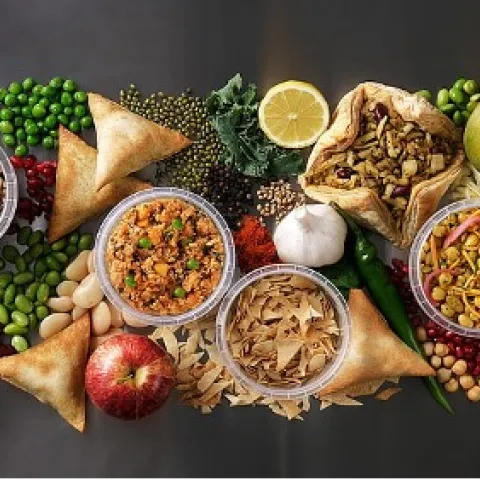
Measles and Vitamin A
News headlines have followed the alarming rise in cases of the highly contagious Measles virus across the US. Measles was nearly eradicated in the US in the early 1990s thanks to the childhood Measles-Mumps-Rubella (MMR) vaccine, but surges in 2014, 2019 and now 2025 indicate a concerning trend. The best prevention for measles remains vaccination, and many experts attribute the rise in cases to lack of adherence to childhood vaccine recommendations.
False claims that Vitamin A is an alternative “natural” way to combat measles have been made by some social media and other influential figures. This may be due to some studies from the 1980s that indicated that Vitamin A therapy in children reduced some symptoms of measles. However, these trials were done in populations with severe Vitamin A deficiency and showed no overall reduction in mortality from measles. The latest research clearly indicates that the MMR vaccine remains the best way to prevent measles and keep communities safe. Learn more about Childhood Vaccine Schedules .

Food Dyes
Synthetic, petroleum based food dyes have been a food additive of concern for years. California recognized the connection between these dyes and neurobehavioral problems in children earlier than other states and moved to ban some of the substances. Now the FDA seems to be moving in a similar direction- although HHS Secretary RFK Jr has backed down from initial plans and now there is merely a “request to comply” for the food and beverage industry, without any true regulation or requirements.
Processed food as a whole has been under fire, as researchers associate numerous health concerns with consumption of “ultra processed foods”. It is important to keep these studies in context, recognizing that a balanced diet overall is the best way to improve nutrition and health. Instead of focusing too much on a particular additive or food item, try to follow general guidelines to include items from all the food groups in your meals- focusing on fruits, vegetables, and whole grains. Explore ways to promote health and well-being using nutrition through Food Is Medicine.
