
Chemical ecology of Argentine ant aggression
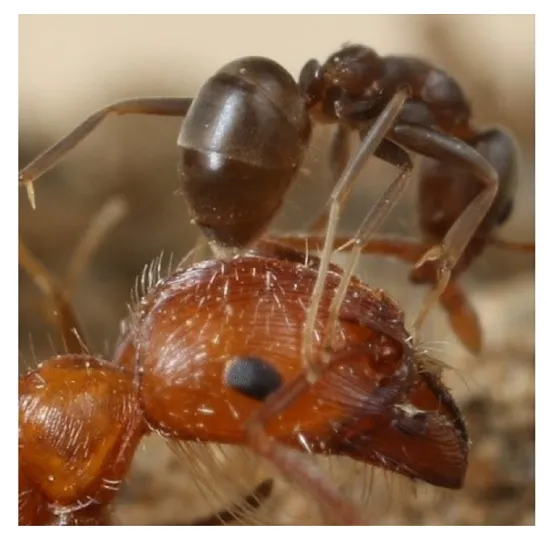
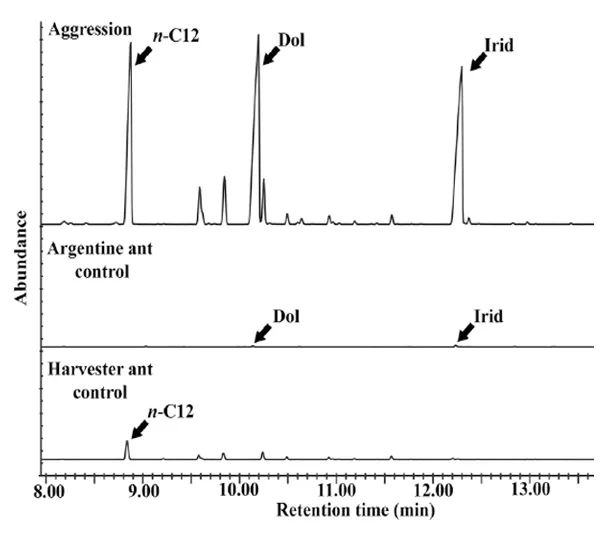
One of dissertation chapters of Kevin Welzel (former PhD student in Choe Laboratory) is now officially published.
https://www.nature.com/articles/s41598-018-19435-6
Check out following news article to learn more about the research.
==========================
For Global Invasion, Argentine Ants Use Chemical Weapons
Compounds produced by Argentine ants are used to recruit nestmates and incapacitate opponents
RIVERSIDE, Calif. (www.ucr.edu) — From their native home on the banks of South America's Paraná River, Argentine ants have conquered six continents and many oceanic islands. Their success is explained by several factors: they have more than one queen per colony, making them difficult to eradicate, and they adapt to changes in their environments by living transiently rather than building permanent nests.
Argentine ants are also highly aggressive, out-competing existing ant species for food and other resources. In a paper published today in Scientific Reports, researchers at the University of California, Riverside show how Argentine ants use chemical secretions as weapons in their interactions with harvester ants, which are native to California. The findings could help in the development of new pest control strategies.
To continue read the full article, click here.