
Finding Beauty in the Shade on Patios, Porches and in the Yard
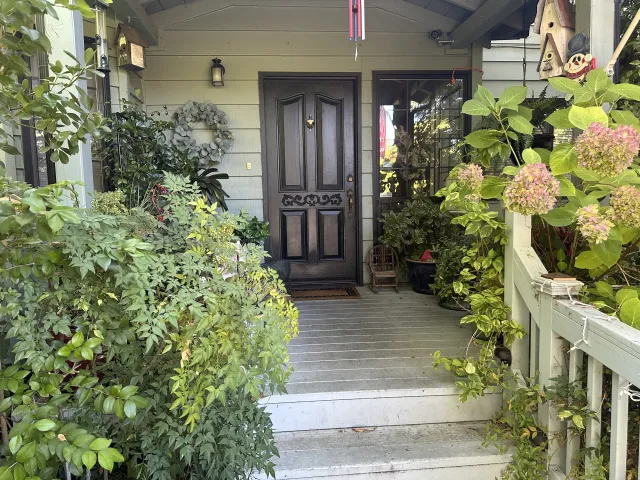
Creating a vibrant shaded area is all about contrast and creativity—playing with layers and combining plants of varying heights and textures for a natural, woodland vibe. Before you start planting, it’s important to understand the light, soil, and microclimates in space. The following steps will help you select plants that thrive and create a lush, layered retreat.
1. Know your Shade Levels
Shade isn’t one-size-fits-all. Plants have different tolerance levels for reduced sunlight, so understanding the light patterns in your space is crucial.
Full Shade
These areas receive no direct sunlight, often found under dense tree canopies, between buildings, or on the north-facing side of structures. Choose plants that specifically thrive in full shade, like ferns or certain types of ivy.
Partial Shade
These spots get some direct sunlight, typically in the early morning or late afternoon. Many flowering plants, like bleeding heart or foxglove, can adapt well to partial shade.
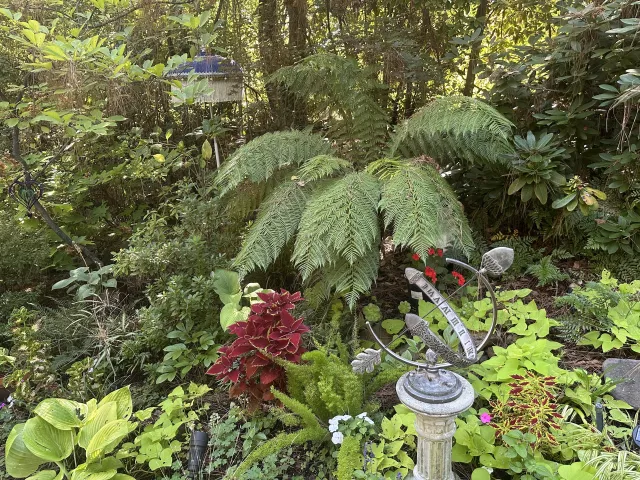
Dappled Shade is commonly created by trees with light foliage; this is an area where sunlight filters through leaves. Plants like tiarella or astilbe thrive in such conditions.
Observing these light patterns at different times of the day and also throughout the year will help you select plants that thrive in your garden space.
2. Check Soil and Moisture
Shade-loving plants often have specific soil requirements. Most shade plants, especially woodland types, prefer soil that retains some moisture without becoming waterlogged. Amend heavy soils with compost or organic matter to improve drainage and texture. Shaded areas, especially under trees, may have nutrient-depleted soil. Enrich it with leaf mold, mulch, or slow-release fertilizers to provide a nutrient boost. Continue improving soil quality over time.
3. Matching plants to microclimates is important
Shaded areas often have their own microclimates influenced by factors like proximity to walls, trees, or bodies of water.
- Areas near walls or fences might retain heat but receive limited sunlight.
- Spaces under trees can have dry soil due to root competition.
Group plants with similar moisture and light needs together for easier maintenance and better overall growth.
- Consider plant size and growth habits.
- Shade-loving plants come in a variety of sizes, from low ground covers to taller focal points.
- Ground covers are ideal for filling in space and preventing weeds. Plants like lamium or ajuga form dense mats in shady areas.
- If compact shrubs will fill the bill, small shrubs like boxwood or Japanese pieris can provide structure without overwhelming a space.
If it’s vertical interest you’re looking for, climbing or upright plants like hydrangea and ferns add height and visual interest. Use hanging baskets or trellis systems to maximize planting space and add a vertical element that draws the eye upward.
5. Don’t forget about container plants
Many smaller, shade-loving plants, such as coleus and certain small hostas, are well-suited for pots and containers. The key advantage of containers is that they are portable! If you have a certain need, whether it’s color, height, or soil requirement, a pot can be the answer.
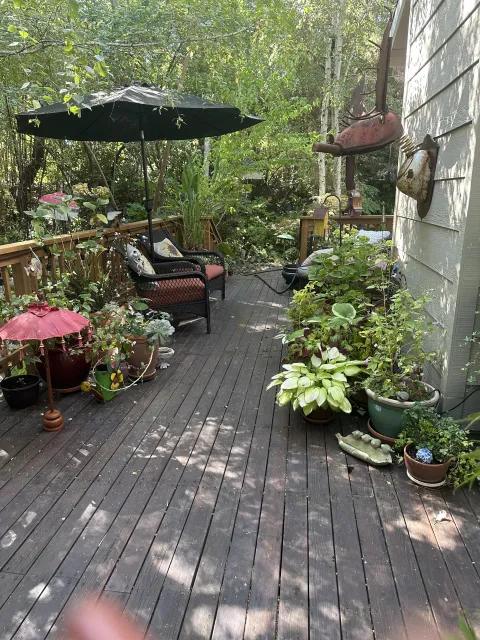
6. Finish with Color, Texture, and Mulch
Combine plants with complementary foliage shapes and colors for a layered, dynamic look. Remember, mulching around shade plants helps retain moisture, suppresses weeds, and improves soil quality over time.
Some plants to consider ...
Hostas are excellent for shady areas under trees and come in various sizes and leaf colors.
Ferns add texture and vibrancy to shaded areas.
Heucheras offer colorful foliage and thrive in dappled light.
Flowering plants: Impatiens produce colorful blooms in full to partial shade. Rex begonias offer striking patterns on their large leaves. For continuous summer blooms, try bellflowers or astilbe.
Ground covers and small perennials: Mondo grass and ajuga are great for adding low-level texture in small gardens or borders.
Vines and travelers: Sweet potato vines and dichondra are excellent choices for hanging baskets, adding color and volume to vertical spaces
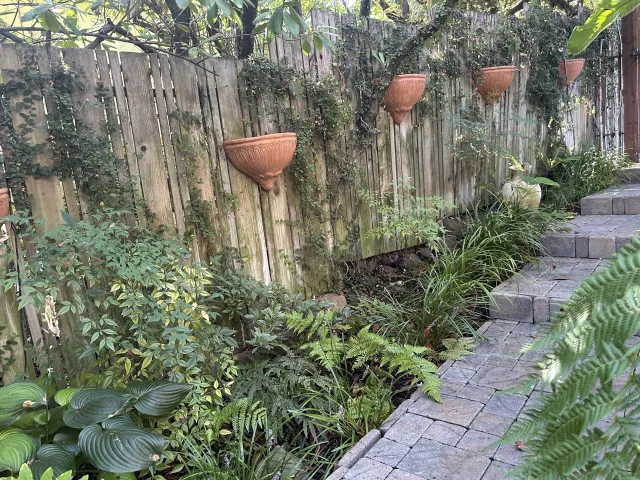
To add structure and height to your garden, you might want to include these beauties.
- Hydrangeas (shade-tolerant varieties): Especially the oakleaf hydrangea, which thrives in partial shade with large, showy blooms.
- Boxwood: A classic small evergreen shrub that works well for edging or as a focal point.
- Daphne odora: A compact shrub with fragrant pink or white flowers.
- Japanese pieris: Evergreen shrubs with cascading white flowers and colorful new growth
Shade-loving plants bring beauty to your garden and support local wildlife. Many shade-loving flowers attract bees, butterflies, and other pollinators, even in lower light conditions. Dense ground covers and shrubs provide shelter for small creatures like birds, insects, and frogs.
While shade gardens are generally low-maintenance, their care requirements can vary.
- Pruning needs: Some plants, like ferns, require regular pruning to maintain their shape.
- Others, like ground covers, may need occasional thinning to prevent them from overtaking the area.
- There are also seasonal considerations. You need to know whether the plants are evergreen or deciduous. For year-round interest, include a mix of both types.
- Pest and disease resistance awareness. Choose varieties known for resistance to common problems in shaded sites.
Shade gardening can add a new dimension to your property. With the right plant in the right area, a dark spot or corner can come alive! It opens a whole new world of plant interest and selection to the gardener, bringing much pride and joy to the process!
Resources:
- Shade plants for your landscape. Barbara Fraser, UCCE Master Gardener, UC Davis
- California Master Gardener Handbook
Photo courtesy by Lorraine Frey