
The international legacy of UC Davis Distinguished Professor Bruce Hammock (1947-2026)...
A Brazilian-UC Davis scientific network that collaborated with the Hammock lab on his pioneering soluble epoxide hydrolase research, recently authored a mini-review of their accomplishments in Science Direct.
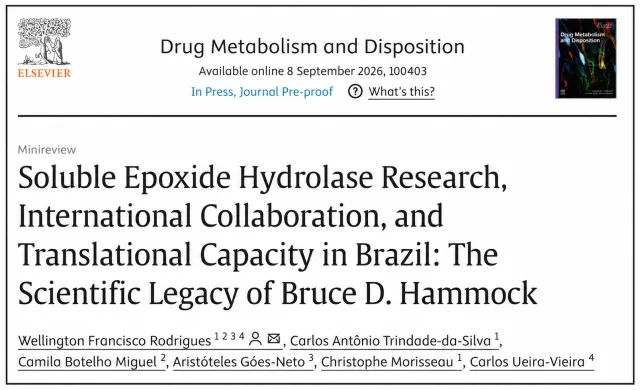
The article, published Sept. 8 and titled “Soluble Epoxide Hydrolase Research, International Collaboration, and Translational Capacity in Brazil: The Scientific Legacy of Bruce D. Hammock," relates that “the recent passing of Bruce D. Hammock provides a timely opportunity to examine how his contributions to soluble epoxide hydrolase (sEH) biology, inhibitor development, and translational pharmacology extended through international scientific collaboration and mentorship.”
Hammock, who held a joint appointment with the UC Davis Department of Entomology and Nematology and the UC Davis Comprehensive Cancer Center, died Jan. 5 in Davis. A member of the UC Davis faculty since 1980, Hammock was internationally renowned for his chemistry, toxicology, biochemistry, entomology and human health research that led to elected membership in the National Academy of Sciences and the National Academy of Inventors, and scores of other honors.
“His legacy is especially relevant to the readership of Drug Metabolism and Disposition because it connects enzyme biology, inhibitor development, lipid mediator metabolism, and translational pharmacology,” the team wrote.
International Collaboration, Mentorship
The mini-review examined “how a research program grounded in soluble epoxide hydrolase (sEH) biology, inhibitor development, and lipid mediator pharmacology became connected to a broader Brazilian scientific network through international collaboration, mentorship, and academic exchange.” They curated PubMed records, information from the Brazilian Currículo Lattes repository, and documentary evidence of scientific exchange and mentorship.
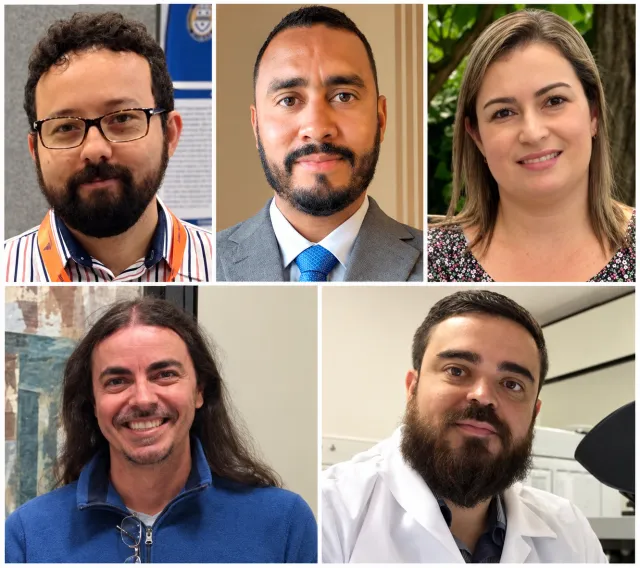
The six authors include three scientists with the UC Davis Department of Entomology and Nematology and the UC Davis Comprehensive Cancer Center—lead author Wellington Francisco Rodrigues, Carlos Antônio Trindade-da-Silva, and Christophe Morisseau; and three Brazilian scientists--Camila Botelho Miguel of University Center of Mineiros, Aristóteles Góes-Neto, Universidade Federal de Minas Gerais, and Carlos Ueiro-Vieira, Federal University of Uberlândia.
“Temporal, title-term, geographic, documentary, and mentorship analyses were conducted using reproducible workflows,” they wrote in the abstract. “Of 500 records screened in the evidence survey, 24 bibliographically verified unique records were retained after post-search audit; collectively, they reported associations between sustained international partnerships and researcher training, institutional strengthening, and scientific production. These records provided comparative context and were not required to involve Hammock or members of his scientific network. PubMed retrieval yielded 17 unique indexed records.”
Corpus Concentrated in São Paulo
“The core corpus remained anchored in sEH inhibition and lipid mediator biology while extending into pain, intestinal injury, arthritis, periodontal inflammation, alveolar bone loss, immune regulation, eicosanoid profiling, macrophage plasticity, and osteoblast metabolism. Brazilian institutional participation in the core publication corpus was concentrated in São Paulo, with additional participation from Minas Gerais and Paraná.”
“The broader documentary analysis identified 43 academic outputs explicitly linked to sEH, TPPU (a potent inhibitor of sEH), or the defined Brazilian scientific lineage, together with evidence of scientific exchange, access to pharmacological tools, formal mentorship, and multigenerational propagation of the research trajectory. Together, these findings support the interpretation that Hammock’s legacy in drug metabolism and disposition extended beyond foundational discoveries and publications to include the local adaptation of a mechanistically coherent translational research program. More broadly, this case illustrates how pharmacological innovation, accessible experimental tools, and sustained scientific mentorship may support the development of research capacity in emerging scientific settings.”
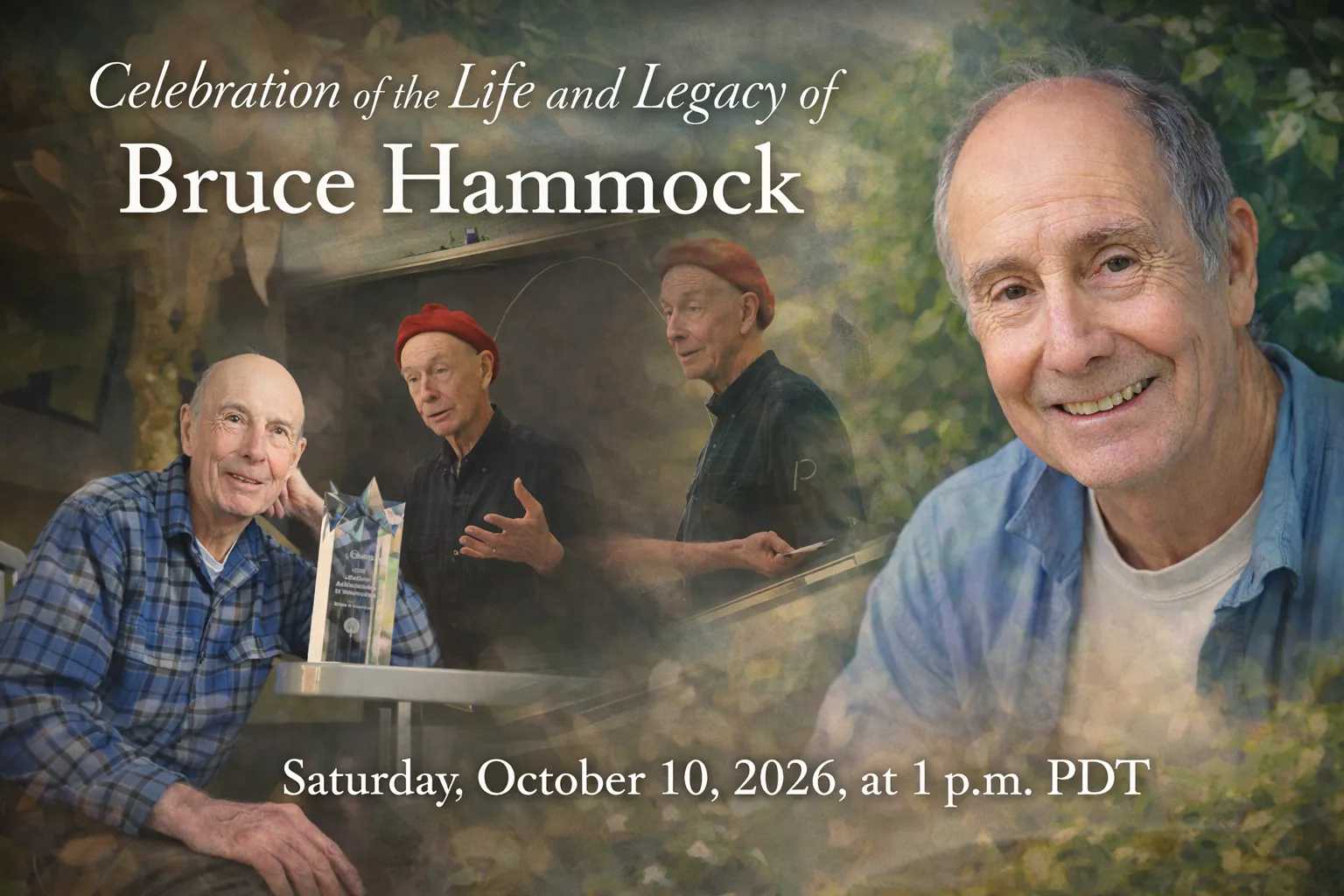
Hammock's close friend and colleague, UC Davis Distinguished Professor Walter Leal, a native of Brazil who interacts with Brazilian labs, is organizing “The Celebration of the Life and Legacy of Bruce Hammock,” at 1 p.m., Saturday, Oct. 10 in California Hall, UC Davis campus. Pre-registration is underway at https://forms.gle/eRssVnZyVZBV6is9A. Chancellor Gary May will be among the speakers.
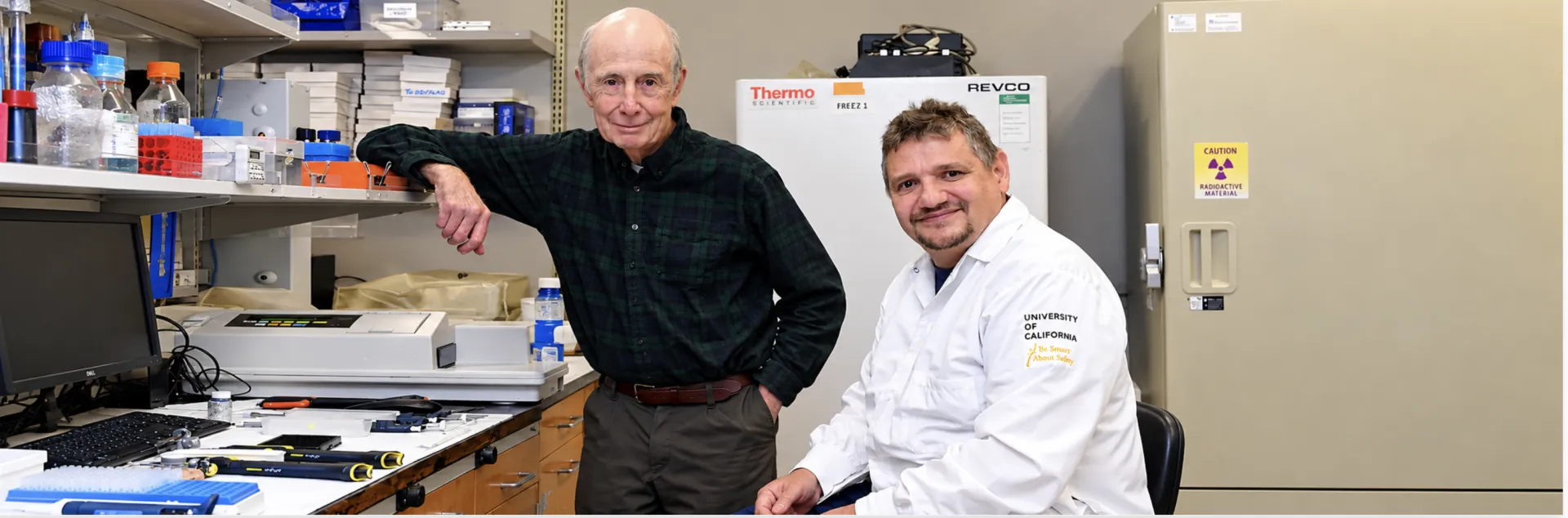
Cover image: UC Davis Distinguished Professor Bruce Hammock (1947-2026) with researcher Christophe Morisseau of the Hammock lab, April 27, 2021. (Photo by Kathy Keatley Garvey)