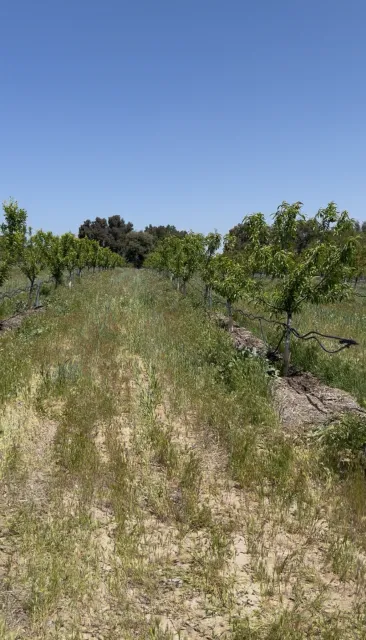
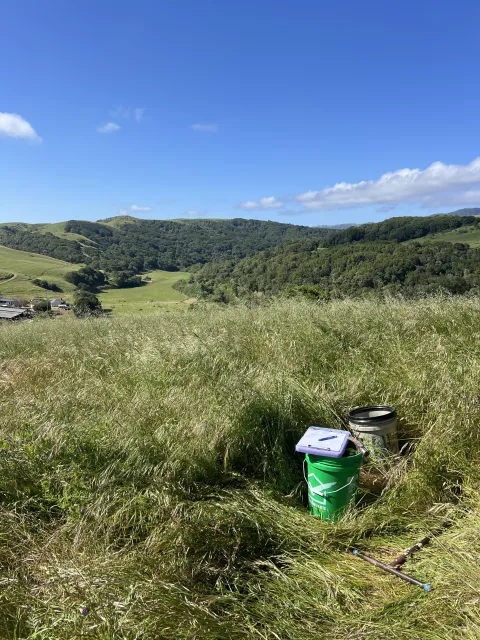
The Healthy Soils Program (HSP) Incentive Grant, offered by the California Department of Food and Agriculture (CDFA), provides funding to farmers and ranchers in California to implement soil conservation management practices, with the goal of increasing soil health and carbon sequestration, and reducing atmospheric greenhouse gases. CDFA tracks organic matter data through annual soil testing for the three year grant term, which is done prior to the implementation of the grower's HSP project. Soil organic matter is one indicator of soil health. Ideally, if sampling techniques and locations are consistent, organic matter values will increase after each implementation year. Recently, CDFA initiated a Soil Health Pilot to collect and track additional soil health metrics to provide additional context to overall soil health. This project is supported by the Climate Smart Agriculture Team throughout the state, and the data collected in this pilot will inform future HSP grant solicitations and the soil sampling required. There were thirteen HSP project sites selected to participate in the pilot program which included perennial systems like orchards and vineyards, and rangelands as well. The practices included in the soil health pilot are compost application, cover cropping, mulching, and range planting. Prior to visiting each participating grower, we collected a history of management practices from each grower. This included tillage and soil amendments, fertigation and other fertilizers, and future management practices planned.
In additional to organic matter values, the Soil Health Pilot includes additional soil lab analyses and in-field soil testing. Please review the table below for additional information on each soil health metric:
| Soil Health Metric | Description |
| Soil Organic Matter | Usually communicated as a %, the proportion of organic material in the soil. Organic matter aids in water holding capacity and soil structure. |
| CO2 Soil Respiration 24 Hour Test | Measures the amount of carbon dioxide produced during 24 hours. More CO2 indicates more microbial activity. |
| POX-C | Permanganate Oxidizable Carbon, measures the amount of readily available carbon for microbial use. |
| Total Carbon | Measures both organic and inorganic carbon in the soil. Soil carbon helps to regulate nutrient supply, microbial activity, as well as soil moisture content. |
| Total Nitrogen | Measures the total amount of nitrogen in the soil. Nitrogen is vital for plant growth and development. |
| Soil Infiltration | Calculates the rate it takes for water to infiltrate or enter the soil. There are ideal infiltration rates based on soil type. |
| Soil Bulk Density | Indicates how compacted the soil is. A higher bulk density means less pore space, and less space for root growth. |
| Soil Color | Can indicate the soils composition, organic matter content, or mineral composition. |
| Aggregate Stability | Measures how strong soil aggregates (Small clumps of soil) are to slaking, when placed in water for a period of time. |
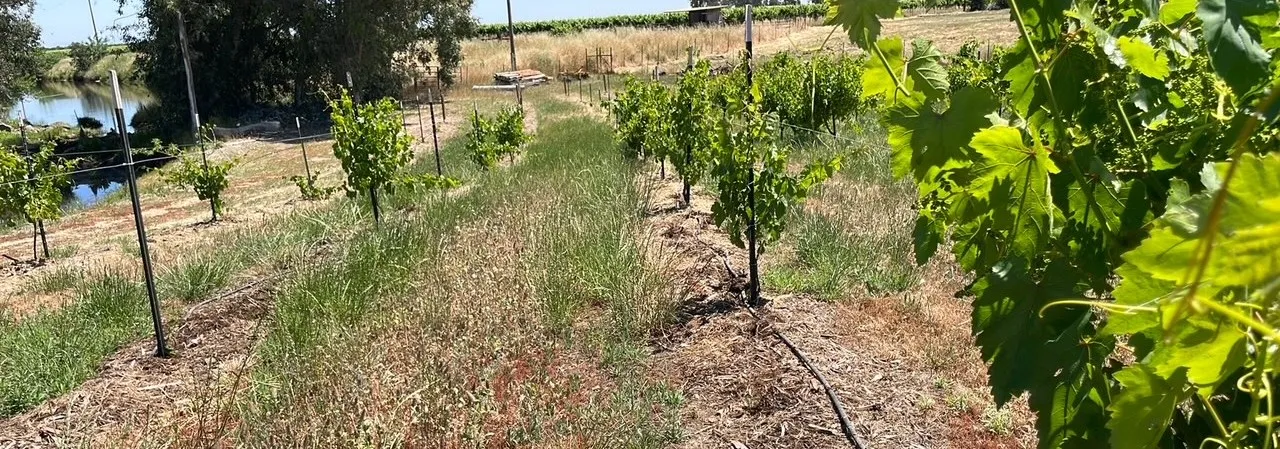
Soil is a complex ecosystem so having additional information provides a more holistic view of your overall soil health. Are you interested in the Healthy Soils Program? Visit THIS LINK to find your local Community Education Specialist for assistance and THIS LINK to learn more about this CDFA incentive program.