
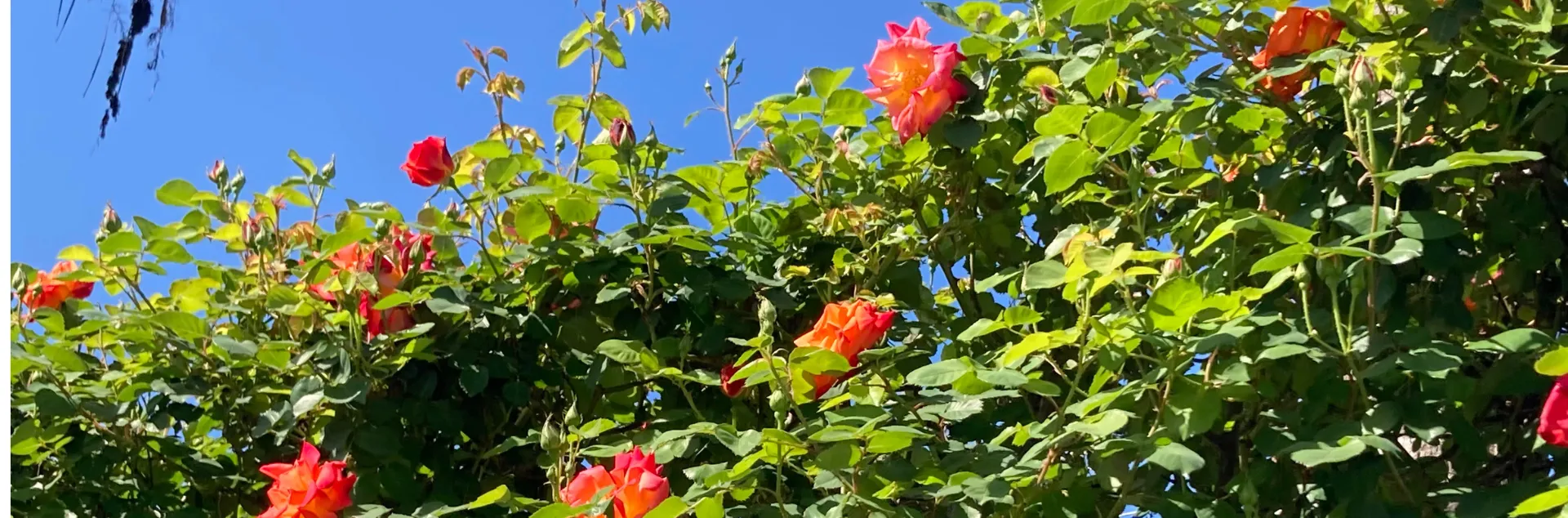

As I wrote last month, high summer temps are less than ideal for having beautiful roses. Check your garden in the morning when it is the cooler part of the day. Look at the leaves of your plants for leaf wilt, dry or discolored leaves. If they appear dull, check your plants for disease, drought or pests.
Now is not the time to fertilize. Your plants are struggling to remain hydrated. You can remove your withered petals and let hips develop for the time being. Make sure your plants have at least 3 to 4 inches of mulch around the dripline of the plant to help keep away weeds and maintain moisture.
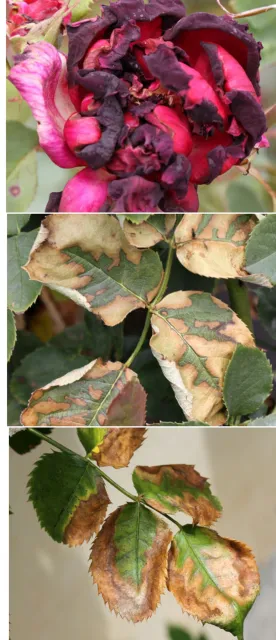
When temps get over 90 F, roses will lose moisture through their leaves. This sometimes shows up as browning along the edge of the leaf. Insufficient moisture in the root zone of your roses will cause this. It is a sign of heat stress. Make sure you give your plants adequate water on the days when we can water. If you see this, don’t be tempted to remove the leaves. They will help the canes of the plant to stay shaded from the sun and not get sunburned. Sunburned canes can kill your plant.
If the edges of the leaves of your roses are crispy dry, they are sunburned. It happens here in Fresno this time of year. What causes this and do you need to cover your leaves in SPF 50? No to the sunblock. However, you may want to wear it when you are in the garden. What causes sunburn on the edges of your leaves is that we have various salts in our water and in our soil. According to Curtis Smith, retired New Mexico State University horticulture specialist, the rose plant will take those dissolved salts from the roots up to the leaves during transpiration. As the water transpires from tiny pores in the leaves, the dissolved salts are left behind. The salts left at the leaf margin kill the plant cells in those spots when they get to toxic levels. This causes the leaves to look burned and can also cause a crusty white buildup on older leaves.
So, what is the way to fix this? Make sure you water deeply to help push those salts down through the soil and away from the roots. Don’t over fertilize using inorganic fertilizers which are made up of salts. Use mulch to conserve moisture and it will help to keep the soil temperatures moderate. However, once a leaf is burned, it will not green back up. Best to be patient and wait for new green leaves to emerge when we deadhead again in cooler weather.
Again, check your plants for any signs of pests. Thrips and spider mites love this time of year and these temps. A strong spray of water below the leaves, followed by an overhead shower can help to keep those little critters away. Do this early in the day, on the days you can water, for at least 10 to 14 days. When temperatures are over 80 F, don’t use any insecticides that have oil in them as the sun/oil combo can burn the leaves of the rose plant. Inspect your plants daily for any signs of infestation. As a bonus, walking in the garden is a great way to reduce stress. (Did you know that in England, physicians can prescribe gardening as a treatment for reducing anxiety and stress? Scientists have found spending two hours a week in nature can lead to better health and wellbeing.)
So, on that note, it is important for you to take care of yourself when you are in the garden. Work in the garden early in the morning and use proper, sharp and clean tools. Wear long pants, long-sleeved shirts and covered shoes. Shorts, sandals and swimsuits don’t give skin protection. Bare feet won’t protect your toes from dropped pruners. Use sunscreen when you are outside. A broad brimmed hat or a hat with neck protection will also help. Drink water before and after working in the garden to keep yourself hydrated.
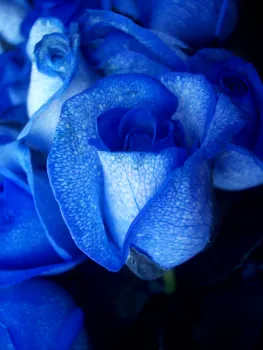
Blue roses?
Is there such a thing as a blue rose? Nope! Many times, rosarians will call a rose “blue” but the rose is actually more purple/mauve or lilac. Roses lack the genetic ability to produce delphinidin. Delphinidin is the natural blue pigment that is found in flowers. Because this genetic trait doesn’t exist in the rose gene pool, classic hybridization methods can’t produce a true “blue” rose. Even when scientists have introduced those genes into roses, the naturally acidic rose cell environment causes the blue pigment to turn pink or mauve/lavender. Any brilliant blue rose you may see in a florist shop are simply white roses that have been artificially dyed bright blue.
Until next time …”If roses were not special, weeds would not envy them.” - Matshona Dhilwayo
__________________________
Written by UC Master Gardener Debbie D.