
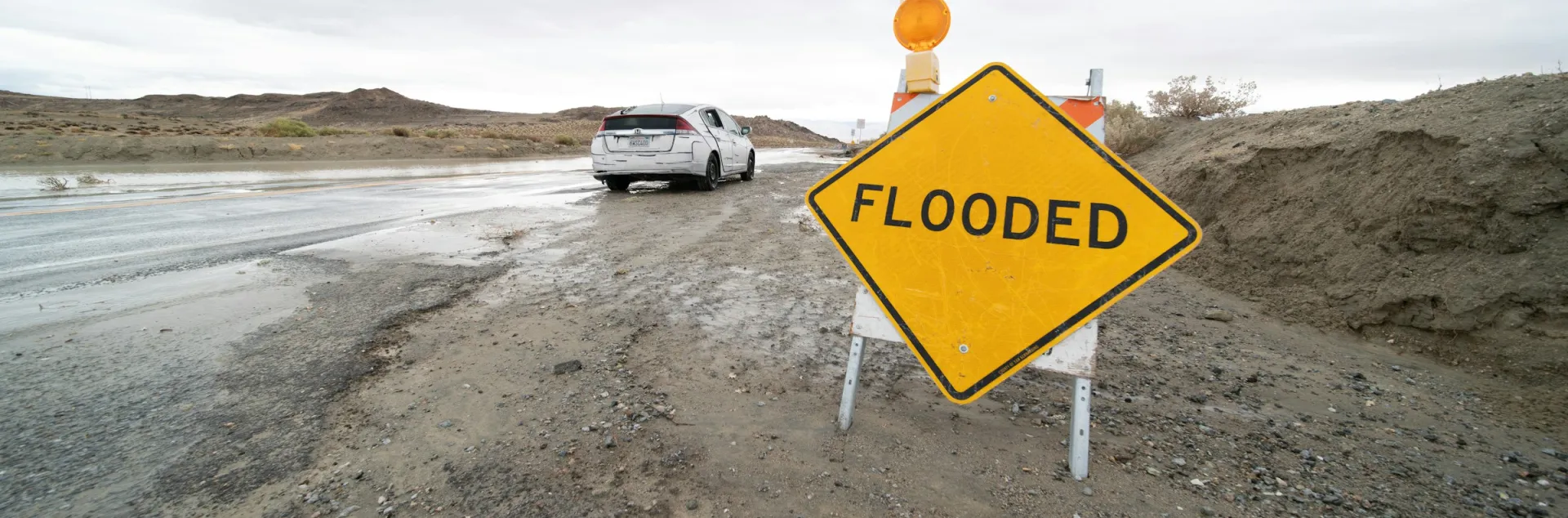
UC ANR climate scientist Daniel Swain explains El Niño in fact sheet
Warming of the tropical eastern Pacific Ocean is creating what meteorologists call a strong El Niño. Many people are asking what that means. In response, Daniel Swain, climate scientist in the University of California Agriculture and Natural Resources’ California Institute for Water Resources, has written an El Niño fact sheet.
Swain’s comments about El Niño are below and a PDF version of the El Niño fact sheet can be downloaded at https://link.ucanr.edu/elnino2026.
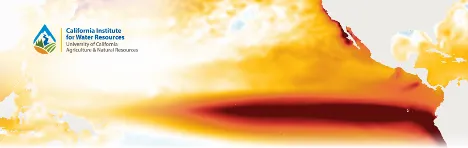
El Niño 2026-2027: A Potentially Historic Global Climate Event
By Daniel Swain, Ph.D. | August 2026
What is El Niño?
Swain: El Niño is the warm phase of a natural cycle, known as El Niño/Southern Oscillation (ENSO), that occurs roughly every two to seven years in the tropical Pacific Ocean. During El Niño events, the eastern tropical Pacific Ocean warms to well above typical levels. El Niño directly affects local climate in the countries closest to the unusually warm ocean waters, but can also indirectly influence the climate of distant regions thousands of miles away. During the strongest events, El Niño can profoundly affect climate even on global scales, causing temporary planetary warming and disrupting large-scale precipitation patterns.
What is the forecast for 2026-2027?
Swain: As of August 2026, a strong El Niño event has already developed in the tropical Pacific Ocean—and substantial further strengthening is expected. In fact, there is now a very high likelihood (>90%) that El Niño will become very strong, and a high likelihood (~70%) that the 2026 event will become the strongest on record (since at least 1950) later this year, likely peaking in intensity between October and December.
What might be the global effects of a very strong El Niño?
Swain: Given its potentially historic magnitude, the current El Niño event will likely have substantial global impacts. By increasing the total amount of heat and water vapor in the Earth’s atmosphere, and by shifting global storm tracks, this event will likely contribute to significant regional drought and flood events, as well as extreme heat. Additionally, the temporary effects from this very strong El Niño event will amplify the effects of long-term warming from climate change, greatly elevating the likelihood of record-breaking global temperatures and extreme weather events during 2026-2027.
What might this very strong El Niño event mean for California?
Swain: While El Niño events of weak to moderate strength tend to exert only modest and/or uncertain effects on California climate, very strong east Pacific-based events (like this year’s) tend to increase confidence in larger and more widespread effects. These effects and potential consequences include:
- Warmer near-shore ocean temperatures and higher coastal humidity; marine ecosystem disruption and potential for increased human health impacts from late summer/autumn heatwaves
- Higher local sea levels and stronger wave action along coast, with elevated water levels in bays; risk of significant coastal inundation and/or erosion, especially during king tides and storm events
- A shifted winter storm track that favors increased seasonal precipitation; potential inland flood risk from heavy precipitation
- Peak impacts arriving by November or December, and possibly lingering through March; preparedness actions taken by individuals and governments should be completed by that time
Swain: Importantly, El Niño – even a very strong one – does not guarantee specific outcomes in California. This is particularly true with respect to winter precipitation and inland flood risk. However, this year’s exceptionally strong event will likely result in a strong tilt in the odds toward a wetter than average winter, particularly in central and southern portions of the state, and also toward individual heavy precipitation events. This may increase the risk of inland freshwater flooding of rivers, creeks and streams, though it is important to note that consequential flooding can occur in California during any winter – El Niño or otherwise.