
By Rainer Hoenicke, UC Master Gardener of Napa County.
By now, most Americans are aware that international events are disrupting supply chains and affecting our wallets. Many growers have had to find alternatives to traditional chemical fertilizers because thousands of pounds of potassium and nitrate fertilizers are sitting idle in the Persian Gulf and cannot get through the Strait of Hormuz.
Home gardeners can grow their own vegetables with methods that industrial agriculture has largely abandoned. One technique worth bringing back is the reliance on perennial crops—artichokes, asparagus, rhubarb, berries—that don’t have to be replanted each year. After their winter dormancy, they supply us with a tasty harvest before the spring crops we planted from seed.
Plants that live for many years, such as salad burnet, longevity spinach and artichokes, also tend to need less fertilizer. Their roots go deeper and can reach necessary minerals and other nutrients, especially if the soil is healthy. Many of these edibles that were common in the past are re-appearing in specialty nurseries. They serve as soil builders and attract beneficial insects.
The records of old monasteries, notebooks of early settlers and the traditional wisdom of indigenous peoples can help us re-discover some of those nutritious perennials. I personally have wondered how my own ancestors stayed healthy on rye, barley, carrots and lentils, without the luxury of citrus in winter, peaches in summer and potatoes year-round. So I did some online research and some of the answers surprised me.
The gradual privatization of public land—a shift that began in Europe in the late 1400s—had a huge impact on people’s food options. When rural people still had access to open land, such as forests and pastures, the commons provided mushrooms, wild berries and other foraged edibles. People began cultivating some of these foods in home gardens and allotments that were generally outside of, but near, the city walls.
We know little about what was grown in these allotments, but monastery records, such as those at the significant medieval monastic library in St. Gallen, Switzerland, tell us something about what monks grew and ate in that era. I visited the Abbey of St. Gall on a recent trip to Europe. It houses one of the oldest monastic libraries in the world and is definitely worth a look, not just from a botanist’s point of view.
The Abbey plan dates to around 820, detailing a model monastic plan for the Benedictine Order. It included a medicinal herb garden (herbarium), an orchard, a vegetable garden and a cloister. The latter had a restful grassy area, possibly to relax the eyes of the monks working on illuminated manuscripts, and a covered walkway to protect the monks from the frequent rain.
Today’s gardeners may find inspiration in the list of plants commonly grown in medieval vegetable gardens. Among them (and thanks to Wikipedia for the descriptions):
Skirret (Sium sisarum), a root vegetable, is related to carrots and parsley. Its roots have a sweet flavor and can be prepared like carrots or parsnips: boiled, roasted or creamed. Like parsnips, they can have a woody core that should be removed before cooking.
Black oyster root (Pseudopodospermum hispanicum), also known as salsify, has multiple edible parts, including the roots, shoots and open flowers. However, the black-skinned tubers are what most people eat today. The tubers need to be peeled before or after boiling. If peeled before cooking, they need to be immersed in acidulated water to prevent browning.
Good King Henry (Blitum bonus-henricus) is a spinach-like leafy green that can be eaten raw or cooked like spinach. New shoots can be thinned and cooked like asparagus. The flower buds are edible as well and are usually steamed like broccoli.
Lovage (Levisticum officinale) resembles celery and parsley in aroma and flavor, although it is more intense and spicy. Its leaves can be used in salads or to make soup or flavor broths, and the roots can be eaten as a vegetable or grated for salads. The aromatic seeds can be used like fennel seeds.
Lamb’s quarters (Chenopodium album/berlandii), often considered a weed today, was actively cultivated in medieval gardens. Its nutrient-dense leaves contain more iron, protein and vitamins than modern spinach. The plant’s dusty, silver-blue leaves were instantly recognizable to medieval foragers, who wasted nothing. They ate the young shoots raw, cooked the mature leaves like spinach and ground the tiny black seeds into flour.
Camas (Camassia squamash) is an asparagus relative with attractive purple flowers. it has been a food source for many native peoples in the western U.S. and Canada. After being harvested in the autumn, once the flowers have withered, the nutritious bulbs are roasted or boiled. A roasted camas bulb tastes somewhat sweeter than sweet potatoes. Bulbs can also be dried and pounded into flour for use in baking or as a thickener. Camas bulbs contributed to the survival of members of the Lewis and Clark Expedition from 1804 to 1806.
Workshop: Join UC Master Gardeners of Napa County for a workshop on “Planning and Creating a Native, Low-Water, Pollinator or Succulent Garden” on Saturday, June 27, from 10 am to noon, at University of California Cooperative Extension, 1710 Soscol Avenue, Napa. learn how to design, plant, and maintain a sustainable garden in your own landscape. Register here.
Library talk: Join UC Master Gardeners of Napa County and Napa County Library for a free talk on “Succulent Garden Design for our Changing Climate” on Thursday, July 2, from 7 pm to 8 pm via Zoom. Succulents add variety, color and texture to your garden and in general require little water and maintenance. Explore succulent garden design concepts embracing biodiversity and wildfire resilience. Register to receive the Zoom link.
Help Desk: The Master Gardener Help Desk is available to answer your garden questions. Use our online Plant Problem Help Form or email us at mastergardeners@countyofnapa.org. Include your name, address, phone number and a brief description of the problem. You can also visit us in person on Mondays and Fridays from 10 am until 1 pm at the University of California Cooperative Extension Office, 1710 Soscol Avenue, Suite 4, Napa.
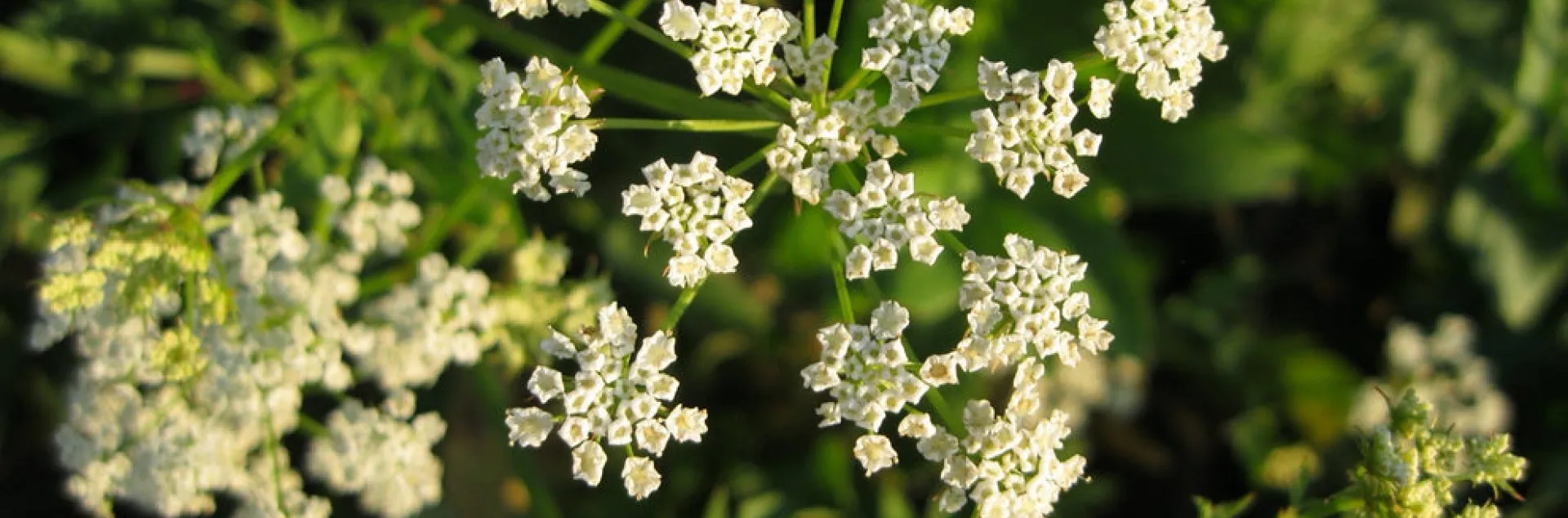
Photo courtesy speedy-seeds.uk