
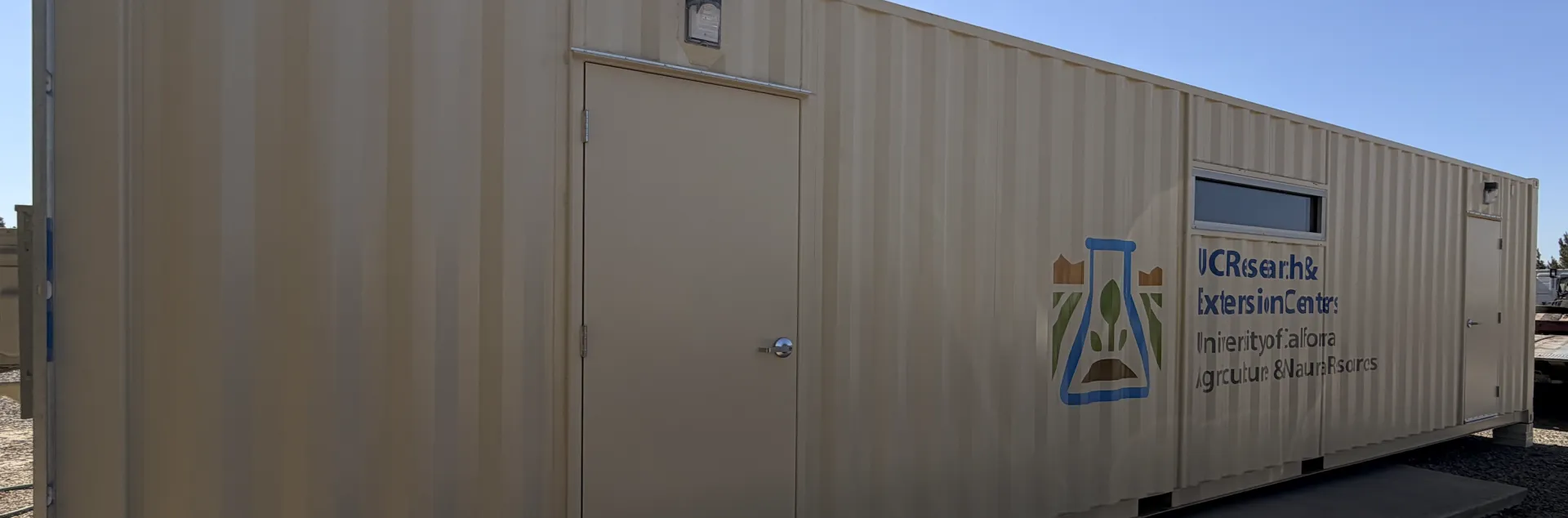
For years, researchers at the South Coast Research and Extension Center worked without dedicated laboratory facilities. Samples often had to be transported to distant locations for analysis, creating delays and limiting opportunities for immediate, field-based research.
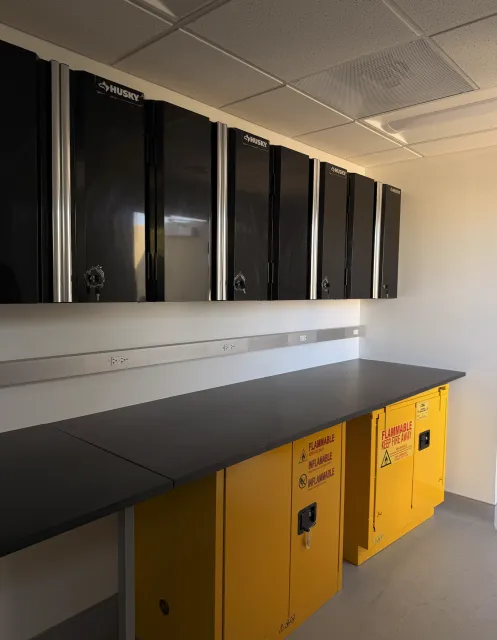
Today, that reality is beginning to change.
The arrival of mobile laboratories at the South Coast Research and Extension Center marks a significant milestone for researchers and staff. Equipped with modern scientific equipment and designed for flexibility, these mobile units bring laboratory capabilities directly to the field, allowing scientists to conduct research where it happens.
The mobile laboratories are part of a broader effort by the University of California Agriculture and Natural Resources (UC ANR) Research and Extension Center System to strengthen research infrastructure across California. The units provide flexible workspaces that can support a variety of projects, from soil and water testing to pest management and crop production studies.
The idea for the mobile laboratories emerged during the COVID-19 pandemic, when researchers and administrators recognized the need for adaptable laboratory space that could serve multiple locations and respond to changing research needs. What began as a concept in 2021 evolved into a reality after years of planning, design and construction.
For researchers working in agriculture and natural resources, laboratory access is essential. Samples often need to be processed quickly, and having on-site facilities reduces travel time, increases efficiency and allows scientists to respond more rapidly to emerging challenges.
“These mobile laboratories represent an important investment in the future of research and extension,” said Lindsey Pedroncelli, interim director of the South Coast Research and Extension Center. “Having access to laboratory space on-site allows researchers to work more efficiently while creating new opportunities for collaboration, education and innovation.”
The laboratories will support ongoing research projects at South Coast while also creating opportunities for collaboration among scientists throughout UC ANR's statewide network of Research and Extension Centers.
Beyond supporting research activities, the mobile labs will serve as valuable resources for researchers and Cooperative Extension personnel. They will provide opportunities to observe scientific work in action, foster collaboration, and enhance understanding of how applied research addresses challenges facing California agriculture, natural resources, and local communities.
The mobile units were designed to function as fully operational workspaces that can travel where they are needed most. Their mobility allows researchers to bring science directly to agricultural fields, research sites and community projects rather than relying solely on traditional laboratory facilities.
For Shahen Halebian, Project Policy Analyst for the UC ANR Research and Extension Center System, the project represents a new way to support science across California.
“Research doesn't always happen inside a building,” Halebian said. “These laboratories give our scientists the ability to work closer to the challenges they are studying and deliver solutions that can have a real impact on California's communities, agriculture and natural resources.”
As California continues to face challenges related to climate change, water management, invasive pests and sustainable food production, investments in research infrastructure become increasingly important.
The mobile laboratories demonstrate UC ANR's commitment to ensuring that researchers have the tools they need to address those challenges effectively and efficiently.
For the scientists who have spent years working without dedicated laboratory space, the arrival of these mobile units represents more than new equipment—it represents new possibilities.
Today, science is no longer confined to a building. At UC ANR's Research and Extension Centers, science is meeting people where the work happens: in the field.