
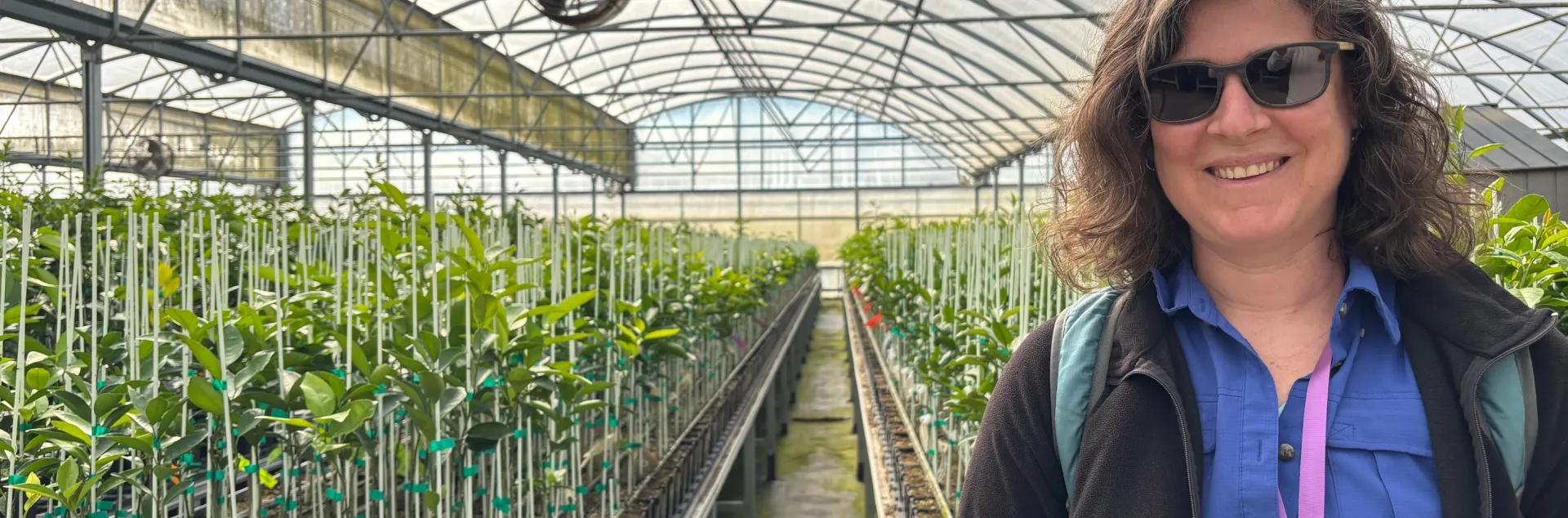
Hello, and welcome (or welcome back) to the Nursery and Flower Grower Blog.
My name is Carrie Brown, and earlier this year I joined UC Cooperative Extension as the Environmental Horticulture and Controlled Environment Agriculture Advisor for Monterey, Santa Cruz, San Mateo, and San Benito Counties. I also serve as the academic advisor for the tri-county Master Gardener Program in Monterey, San Benito, and Santa Cruz Counties. My program focuses on greenhouse and nursery production, integrated pest management, water and nutrient efficiency, and climate-resilient horticultural systems.
I am honored to continue the legacy of this blog, originally developed by my predecessor, Steven Tjosvold, whose work provided valuable information and support to California’s nursery and floriculture industries for many years.
My own background combines greenhouse production, applied research, and Extension education. Before joining UC ANR, I worked with Ohio State University Extension, where I led applied research and outreach programs in horticulture and natural resources. Prior to that, I spent many years working directly in greenhouse production and horticultural operations. One of the things I enjoy most about Extension work is the opportunity to connect research and practical problem-solving with the day-to-day realities growers face.
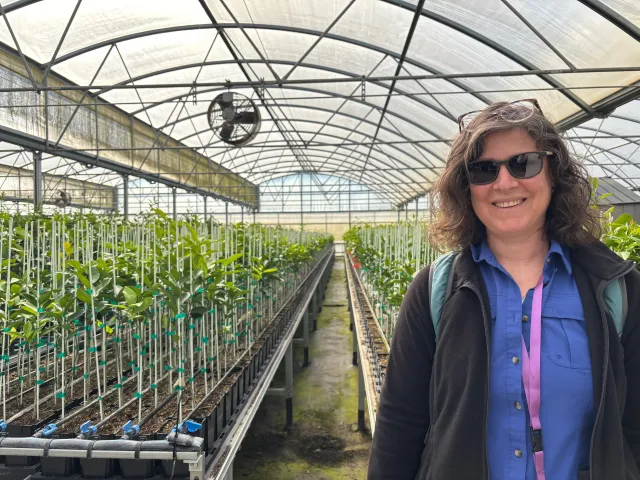
Over the past few months, much of my work has focused on listening and learning: visiting operations, meeting growers and industry professionals, attending meetings, and gaining a better understanding of the unique opportunities and challenges facing horticultural production on California’s Central Coast.
Through this blog, I hope to share:
- Practical production and diagnostic tips
- Integrated pest management information
- Research updates and field observations
- Event announcements and educational opportunities
- Emerging issues relevant to nursery, greenhouse, and environmental horticulture industries
- Resources from UC ANR and collaborating organizations
One thing that has already become clear during my site visits is how valuable communication and observation are when troubleshooting plant problems. While every operation is different, a few small steps can make plant diagnostics and site visits significantly more productive.
Making the Most of a Plant Problem Site Visit
A few simple steps before a site visit can help make the diagnostic process faster, more accurate, and more useful for everyone involved.
- Note when symptoms first appeared and whether the problem seems to be getting worse or spreading
- Observe whether the issue is isolated or occurring throughout the greenhouse, nursery block, field, or landscape
- Bring complete plant samples whenever possible, including roots, growing media, and both healthy and declining tissue — especially the transition zone between healthy and symptomatic growth, which can provide important diagnostic clues
- Save records of recent irrigation, fertilizer, pesticide, or environmental changes
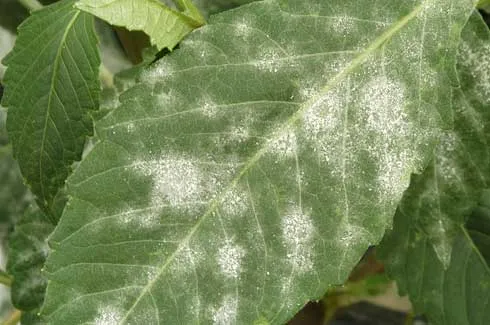
- Take photos that show both close-up symptoms and the overall planting pattern
- Make note of irrigation coverage, drainage issues, temperature extremes, humidity, airflow, or other environmental conditions
- Identify whether all plants are affected equally or if certain varieties, ages, or locations look different
- Share any recent changes in production practices, water source, growing media, or plant material
- If possible, flag or mark representative plants before the visit so problem areas can be located efficiently
Many plant health problems involve multiple contributing factors rather than a single cause. Good observations, accurate records, and complete samples help improve the chances of reaching a useful diagnosis and developing practical management recommendations.
I am excited to continue building relationships throughout the region and would love to hear from growers, industry professionals, landscapers, Master Gardeners, and others working in environmental horticulture.
If there are topics you would like to see covered on the blog, please feel free to reach out via email (clybrown@ucanr.edu) or cell (831-228-9393).
Thank you for reading, and I look forward to the conversations ahead.
Carrie Brown
Environmental Horticulture Advisor, Controlled Environment Agriculture
Santa Cruz, Monterey, San Benito, and San Mateo Counties
UC Agriculture and Natural Resources | UC Cooperative Extension