
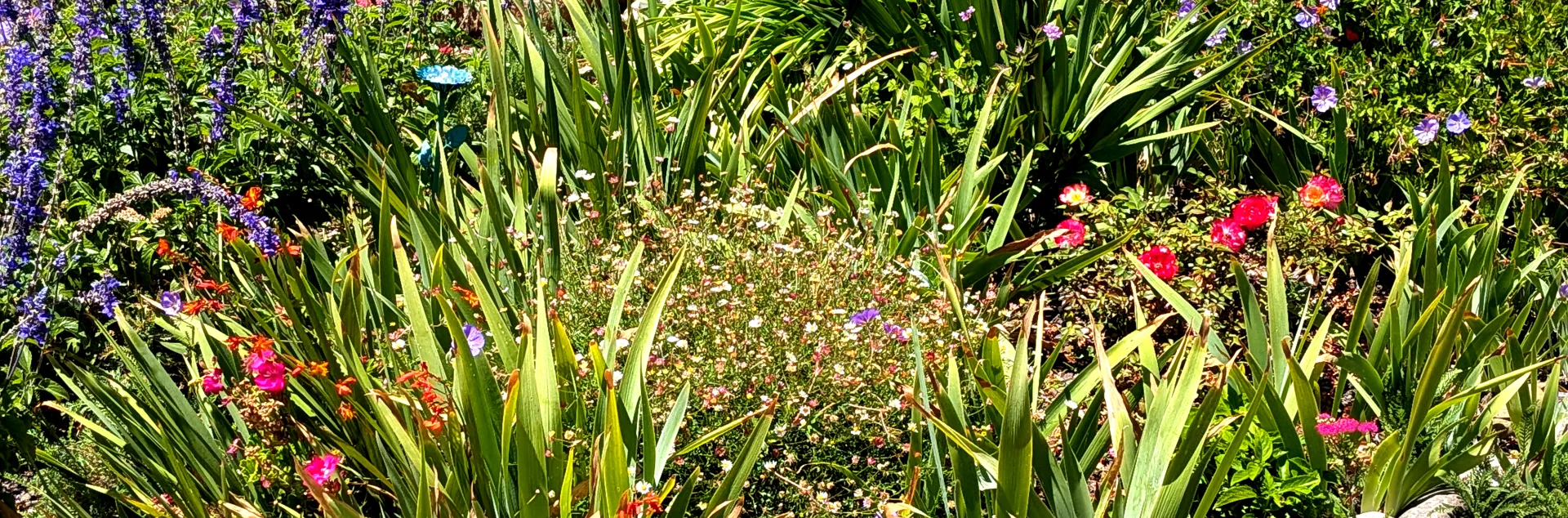
Keep Your Garden Healthy, Productive, and Water-Wise During the Hottest Months
Summer is when many Alameda County gardens are at their most active. Tomatoes are ripening, beans and squash seem to grow overnight, roses continue to bloom, citrus trees are putting on new growth, and pollinators and beneficial insects are busy throughout the garden.
It is also the season when plants experience the most stress. Alameda County includes cooler coastal and bayside gardens and much hotter inland gardens, so summer care needs can vary widely from one microclimate to another. See Alameda County Microclimates
Fortunately, most summer problems can be reduced with a few steady practices: water deeply but not excessively, mulch bare soil, harvest vegetables regularly, avoid unnecessary pruning during heat, monitor pests before treating, and support beneficial insects.
Whether you are a new gardener or have been gardening for years, this checklist can help your Alameda County garden stay productive, healthy, and water-wise through the hottest months of the year.
Water Wisely
Summer irrigation is often the single most important factor affecting plant health. Shallow, frequent watering can encourage shallow roots, while deeper watering helps plants become more resilient during hot, dry periods.
Check soil moisture before watering rather than relying only on a timer. Ideally, the soil should be dry on top but moist, not saturated, several inches below the surface. Containers and raised beds dry faster than in-ground beds and may need more frequent attention. See Watering in Alameda County
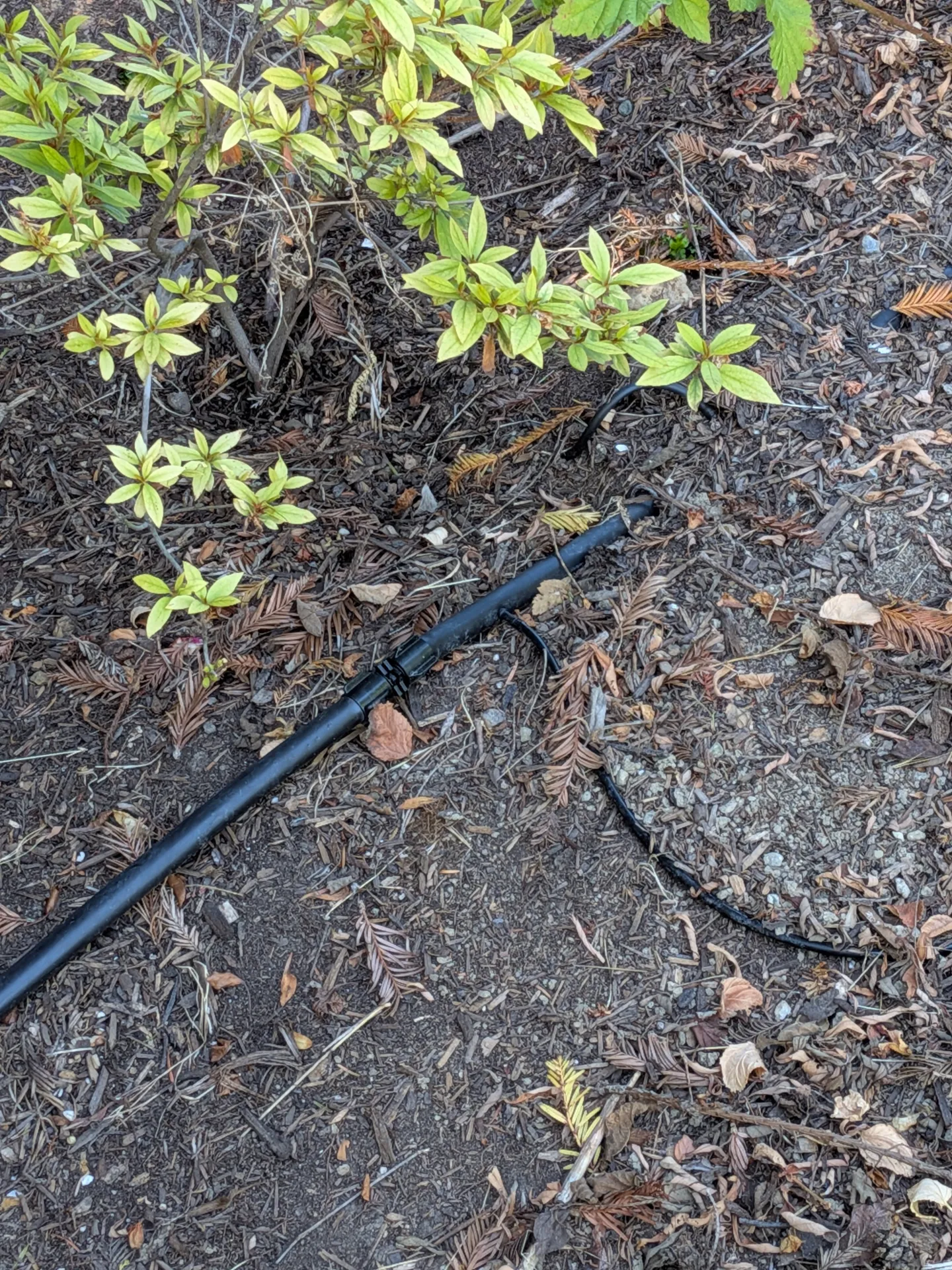
Irrigation systems also need summer checks. Drip emitters clog, tubing comes loose, sprinkler heads break, and timers may need adjustment or a battery change as temperatures rise. Irrigation systems should be checked every couple of weeks during the hottest months. One malfunction during a week of hot weather can kill plants.
Summer Watering Checklist
✓ Water early in the morning whenever possible.
✓ Check soil moisture before irrigating. Soil should be dry on top but moist 2-3” down.
✓ Adjust irrigation timers as temperatures change throughout the summer.
✓ Watch for clogged drip emitters, disconnected tubing, and broken sprinkler heads.
✓ Group plants with similar water needs together whenever possible.
✓ Water containers and small raised beds more frequently than established in-ground plants.
✓ Avoid fertilizing heavily during extreme heat, since lush new growth increases water demand.
✓ Add mulch to reduce evaporation and keep soil temperatures more even.
Remember that coastal gardens often need considerably less water than inland gardens. A schedule that works in Berkeley or Alameda may not be enough in Livermore or Pleasanton during a hot spell. Conversely, a schedule designed for inland heat may overwater plants in cooler bayside locations.
Keep Vegetables Producing
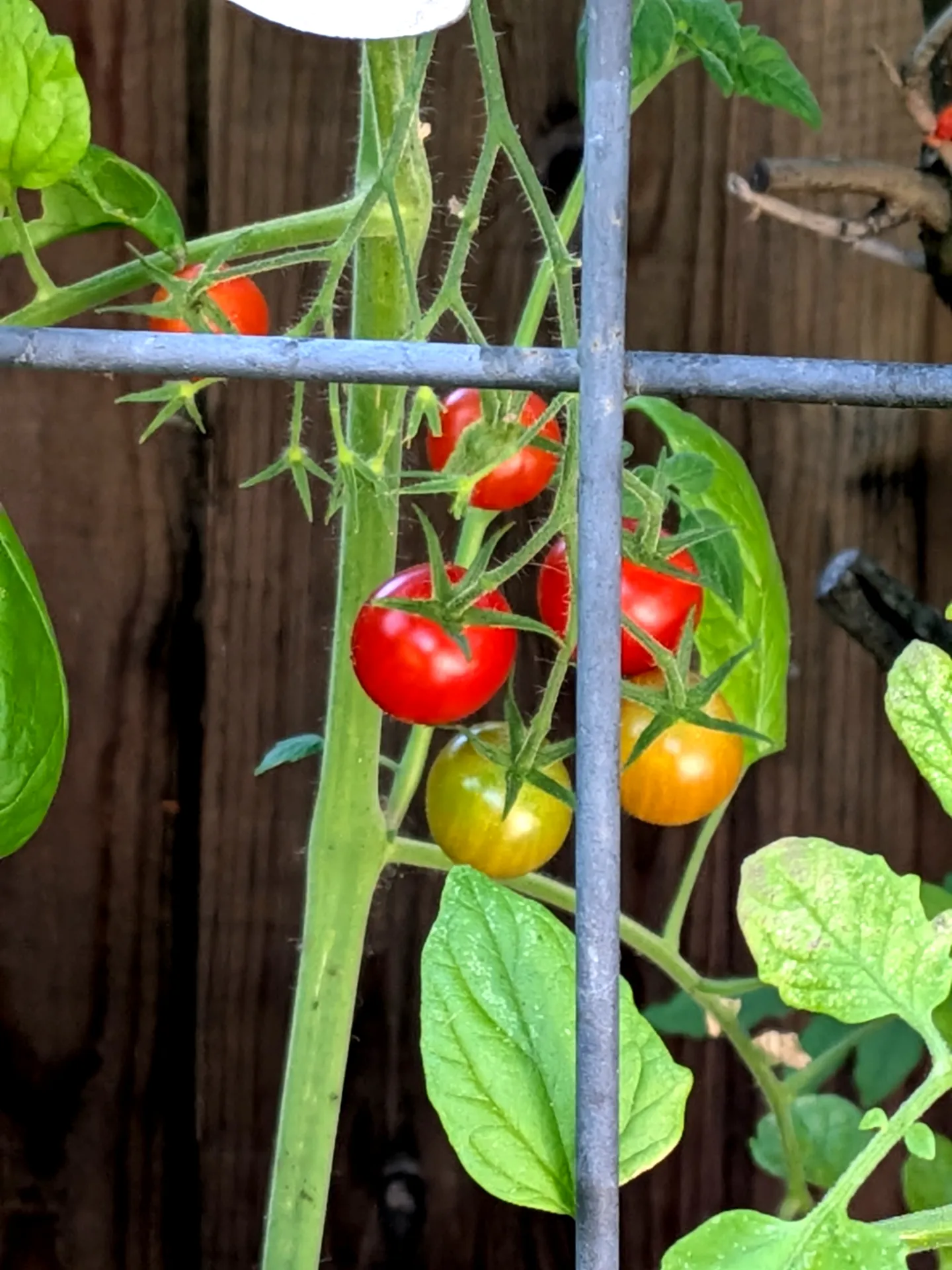
Summer vegetables keep producing longer when harvested regularly. Beans, cucumbers, zucchini, squash, basil, peppers, and many tomatoes continue to produce when ripe or overripe fruit is removed promptly.
Tomatoes can be picked when they begin to color and ripened indoors at room temperature especially if they are prone to getting sunspots or eaten by insects. Zucchini and summer squash are best harvested while still small and tender, and beans should be picked every few days.
In the inland areas fast growing and productive vegetables like beans can be planted every few weeks in order to keep a steady harvest through the summer.
Mid-summer is also the time to begin planning the fall and winter vegetable garden. In Alameda County’s mild climate, July and August are important months for choosing and starting cool-season crops.
Vegetables in cages or some other supports should be checked to make sure they can handle the weight of the vegetables.
Vegetable Garden Checklist
✓ Harvest tomatoes when ripe or pick when color is developing and ripen indoors.
✓ Pick zucchini and summer squash while still small and tender.
✓ Harvest beans every few days.
✓ Remove overripe vegetables that can slow additional production.
✓ Continue succession planting of beans, basil, cucumbers, and summer squash where there is enough warm season left.
✓ In cooler locations, try small plantings of lettuce or other greens in afternoon shade.
✓ Begin planning fall and winter crops in August.
✓ Support tall tomatoes, peppers, cucumbers, and climbing vegetables before they become top-heavy.
✓ Remove badly diseased leaves and dispose of them; do not leave them in the bed.
Mulch Is Your Best Friend
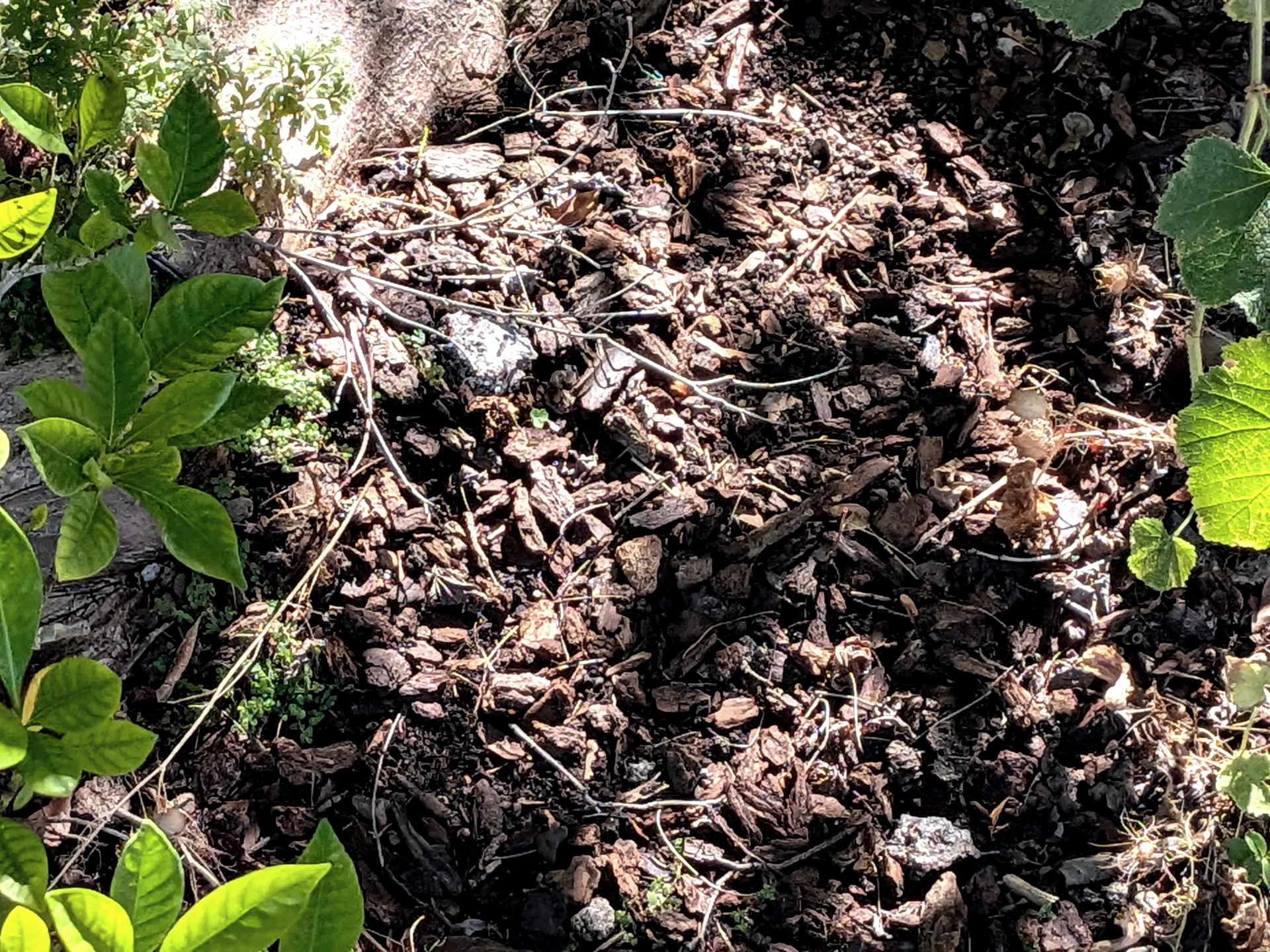
Mulch is one of the simplest ways to help a summer garden. A layer of organic mulch reduces evaporation, moderates soil temperature, suppresses weeds, and slowly improves soil as it decomposes.
Organic mulches include arborist wood chips, shredded bark, leaves, straw, composted plant material, and similar plant-based materials. For most landscape beds, a two- to four-inch layer is useful. To see the wide choices of mulch and how to properly use it, see the following: See Mulch
Keep mulch several inches away from tree trunks, shrub stems, and perennial crowns. Mulch piled against plants can hold excess moisture against stems and contribute to crown or bark problems.
Mulch Checklist
✓ Maintain a two- to four-inch layer of organic mulch in landscape beds.
✓ Keep mulch several inches away from tree trunks, shrub stems, and perennial crowns.
✓ Replenish mulch where soil is bare or weeds are emerging.
✓ Water before applying mulch if the soil is very dry.
✓ Use mulch to reduce weed competition for water.
✓ Avoid plastic sheeting or impermeable materials that interfere with water and air movement in the soil.
Mulch is not a substitute for irrigation, but it helps irrigation work better. Water still needs to reach the root zone, so drip lines should be under the mulch or placed where water can move into the soil. Occasionally check under the mulch to make sure drip lines are working.
Deadhead and Groom Ornamentals
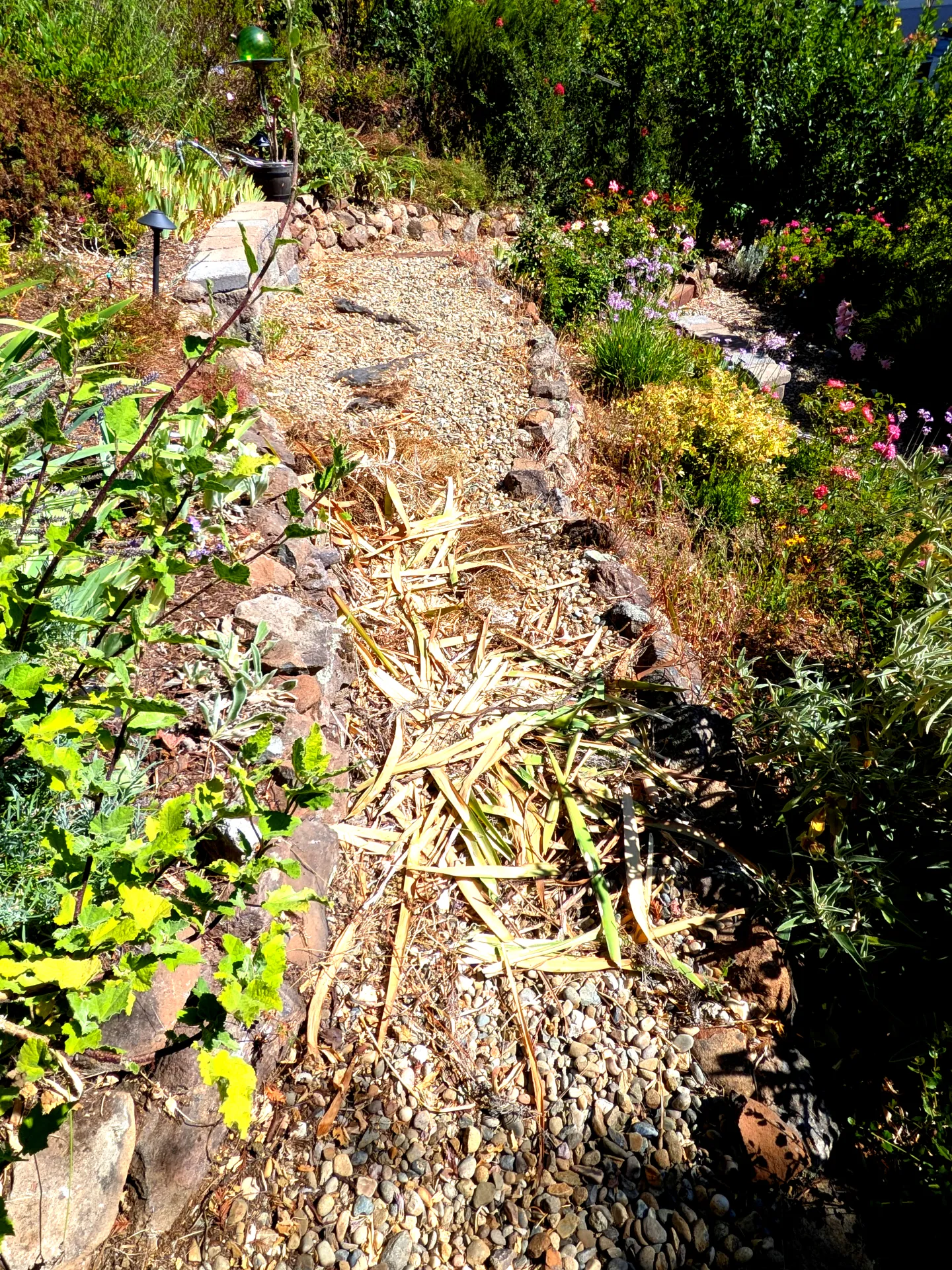
Deadhead and remove dead growth from spring bulbs and plants.
Many summer-flowering plants bloom longer when spent flowers are removed. Deadheading can encourage additional flowers and keep the garden looking tidy.
Summer grooming is also a good time to remove damaged, diseased, or badly pest-infested leaves. However, avoid heavy pruning during extreme heat, when plants are already stressed. Many fruit trees also need a summer pruning after the fruit is gone. See Pruning Fruit Trees
Light, regular maintenance is better than drastic summer cleanup. A few minutes each day can help catch any issues quickly.
Spend a Few Minutes Each Week
✓ Remove spent flowers from annuals and many perennials.
✓ Cut off damaged, dead, or diseased foliage.
✓ Remove weeds before they produce seeds.
✓ Stake plants that begin leaning under the weight of flowers or fruit.
✓ Avoid heavy pruning during extreme heat.
✓ Remove dead annuals or failed plants before they attract pests or disease.
✓ Clean pruners after cutting diseased material.
A little grooming each week prevents a large cleanup later and helps you notice irrigation problems, pests, or plant stress early.
Monitor for Pests — Don’t Panic
Summer brings many ants, mites, spiders, and other undesirables into the garden. Many are harmless, and some are beneficial.
Before treating any pest, identify it and decide whether the damage is serious enough to require action. Aphids, whiteflies, spider mites, caterpillars, and leaf-feeding insects are common in summer gardens, but they do not always need treatment. See Common Summer Pests - do-it-yourself plant doctoring
If insect control is warranted, start with the least disruptive and harmful controls. Prune out a localized infestation, wash insects off with water, remove heavily infested leaves, improve irrigation, reduce dust, or tolerate minor damage when plants are otherwise healthy.
Common Summer Problems
✓ Common Caterpillars: Identification and Confirmation — UC IPM
✓ Blossom-End Rot on Tomatoes and Peppers — UC IPM
✓ Sunscald on peppers and tomatoes:
Sunscald on Tomatoes — UC IPM · Sunburn on Peppers and Eggplants — UC IPM
✓ Fruit Cracking on Tomatoes — UC IPM
✓ Leaf scorch or drought stress:
Leaf Scorch — UC IPM · Water Excess or Deficiency — UC IPM
Pest Monitoring Checklist
✓ Look under leaves, not just on top.
✓ Check new growth for aphids and whiteflies.
✓ Look for fine webbing or stippled leaves that may indicate spider mites.
✓ Learn to recognize beneficial insects and their larvae.
✓ Avoid spraying when beneficial insects are present.
✓ Use UC IPM to identify pests before choosing a control method.
✓ Keep plants healthy with proper watering and mulch.
✓ Remove overripe fruit, fallen fruit, and heavily diseased leaves.
The goal is not to eliminate every insect. The goal is to keep pest populations below damaging levels while preserving the natural enemies that help do the work for you.
Care for Fruit Trees
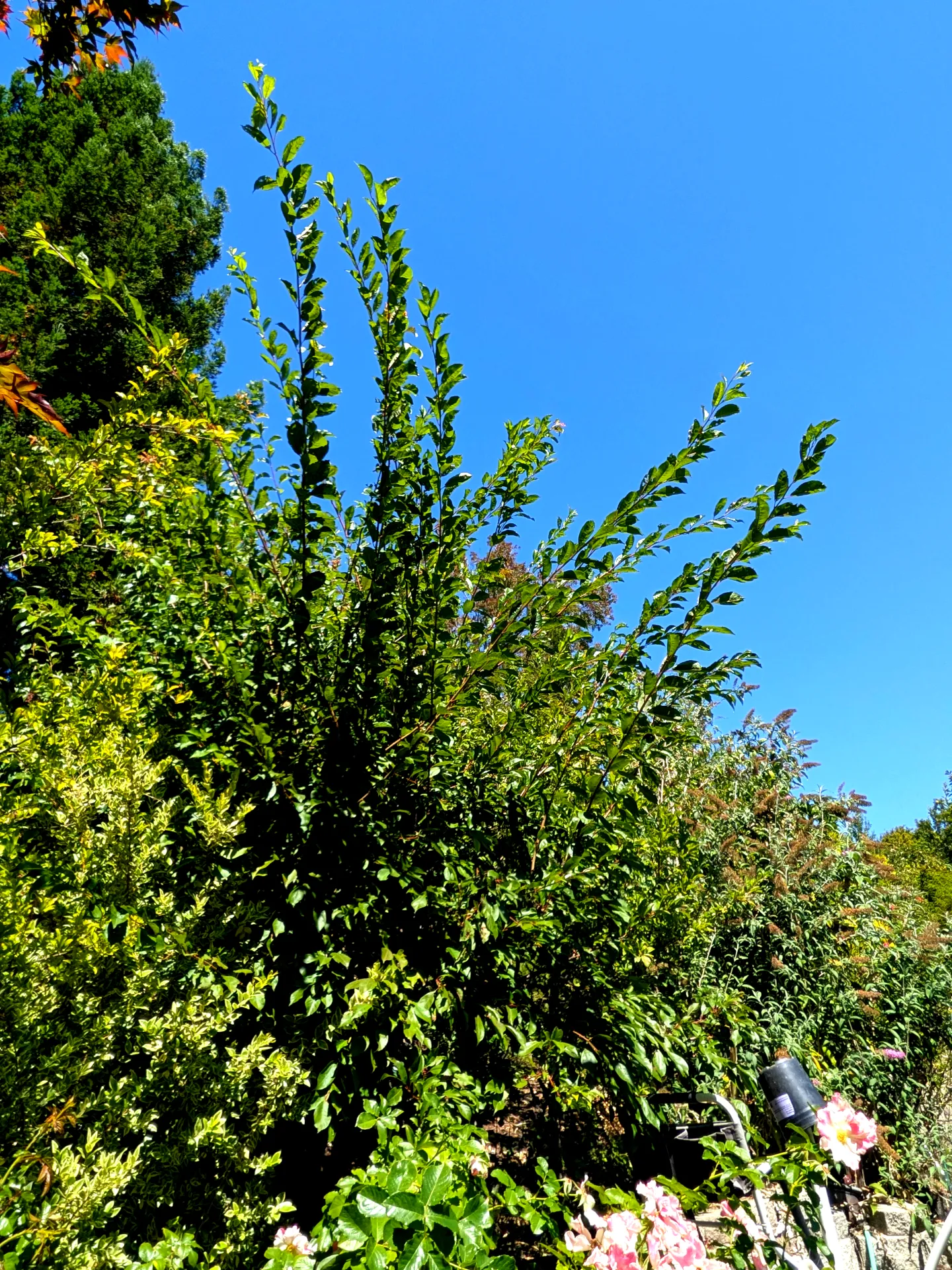
Summer is harvest season for many backyard fruit trees. Prompt harvesting and cleanup of fallen fruit can reduce problems with insects, rodents, yellow jackets, and disease.
Fruit trees also need deep irrigation during extended hot, dry periods, especially young trees and trees carrying a heavy crop. Water should reach the root zone beyond the trunk area.
If branches are bending under a heavy fruit load, remove some fruit or support the branch to prevent breakage. Avoid severe pruning during heat, which can expose fruit and bark to sunburn. See Summer Care of Fruit Trees
Fruit Tree Checklist
✓ Pick fruit promptly as it ripens.
✓ Remove fallen fruit from the ground.
✓ Thin or support overloaded branches if fruit weight becomes excessive.
✓ Provide deep irrigation during extended hot weather.
✓ Maintain mulch under trees, keeping it away from the trunk.
✓ Remove dead, broken, or diseased branches.
✓ Avoid heavy pruning during heat waves.
✓ Watch for sunburn on exposed fruit and branches after pruning.
A clean, well-watered, lightly mulched orchard is easier to manage and less attractive to many pests.
Keep Roses Looking Their Best
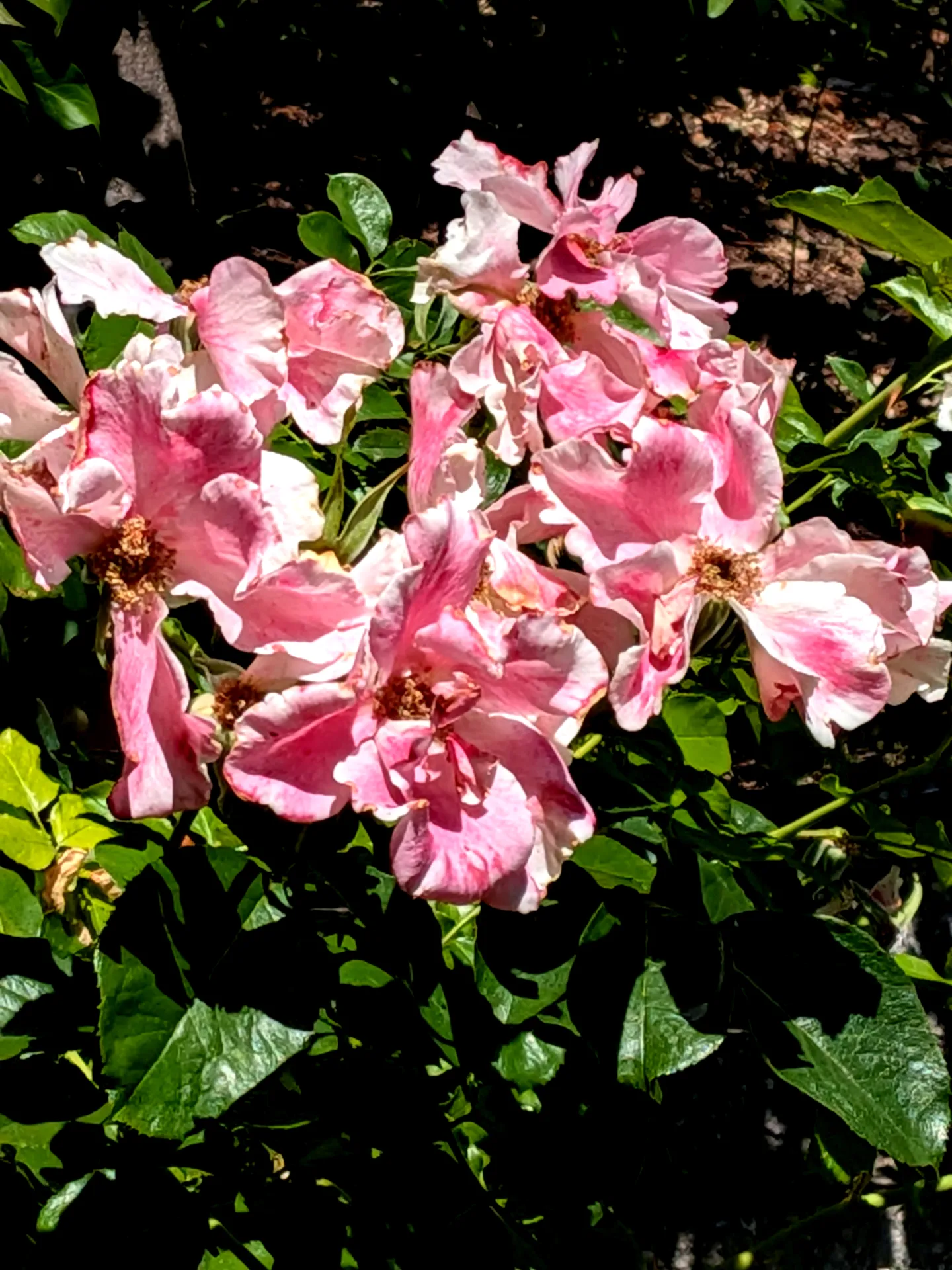
Deadhead roses. This may need to be done weekly during peak summer months.
Roses often continue blooming through summer in Alameda County, but they need steady care. Remove spent flowers, water deeply, maintain mulch, and keep the area under plants clean.
Spider mites can be a summer problem on roses, especially during hot, dusty weather. Powdery mildew may also appear, though many rose problems can be reduced with good air circulation, sanitation, and appropriate watering. In the hotter inland areas, don’t be surprised if the production of roses slows in the hottest months; this is normal. See Basic Rose Care
Rose Checklist
✓ Remove spent blooms.
✓ Water deeply rather than lightly.
✓ Keep mulch in place, but away from the crown.
✓ Watch for spider mites during hot, dusty weather.
✓ Hose dust off foliage when appropriate and when leaves can dry.
✓ Remove diseased leaves that fall to the ground.
✓ Avoid heavy pruning during extreme heat.
✓ Clean pruners when removing diseased material.
Many rose problems can be managed through consistent care rather than repeated spraying. A rose with a few imperfect leaves can still be healthy and beautiful.
Give Trees a Quick Check
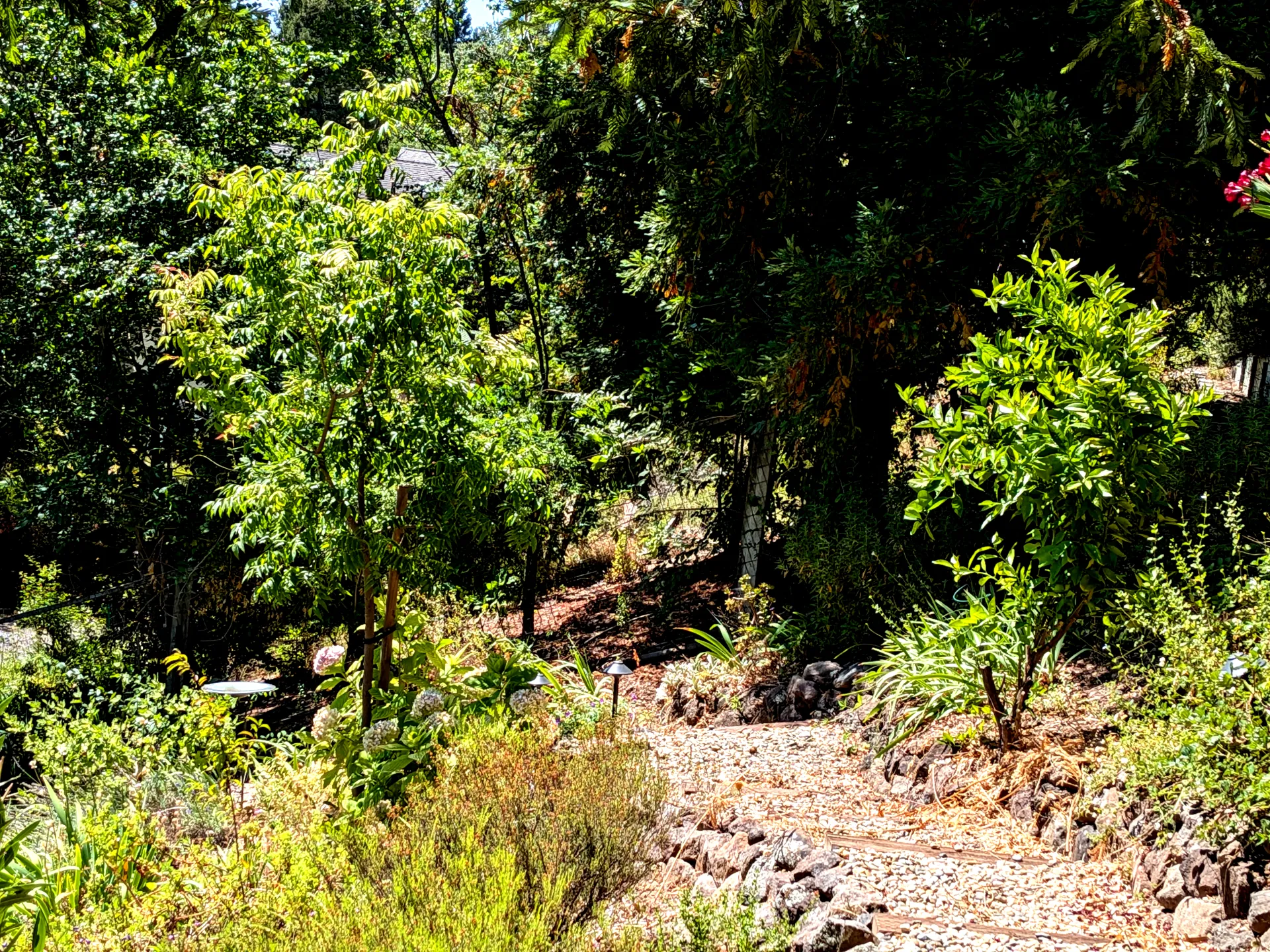
Trees often receive less attention than vegetables and flowers, but summer is an important time to inspect them. Young trees are especially vulnerable to drought stress, poor staking, trunk damage, and irrigation problems.
Walk around your trees every few weeks. Look for wilting, browning leaf edges, early leaf drop, dead branches, rubbing stakes, tight ties, trunk injury, or mulch piled against bark.
Young trees generally need regular deep watering while they establish. The exact schedule depends on the tree, soil, weather, and site conditions. See Tree Care Management
Tree Inspection Checklist
✓ Look for broken branches.
✓ Remove or schedule removal of dead limbs.
✓ Check for cracked bark or sunburn.
✓ Make sure stakes are not rubbing the trunk.
✓ Loosen or remove girdling ties.
✓ Check for drought stress, including wilting, scorched edges, or early leaf drop.
✓ Keep mulch several inches away from trunks.
✓ Deep-water young trees every week or two during hot weather, depending on soil and site conditions.
✓ Avoid frequent shallow watering, especially near the trunk.
Trees are long-term investments. A few minutes of summer inspection can prevent years of structural or health problems.
Support Pollinators and Beneficial Insects
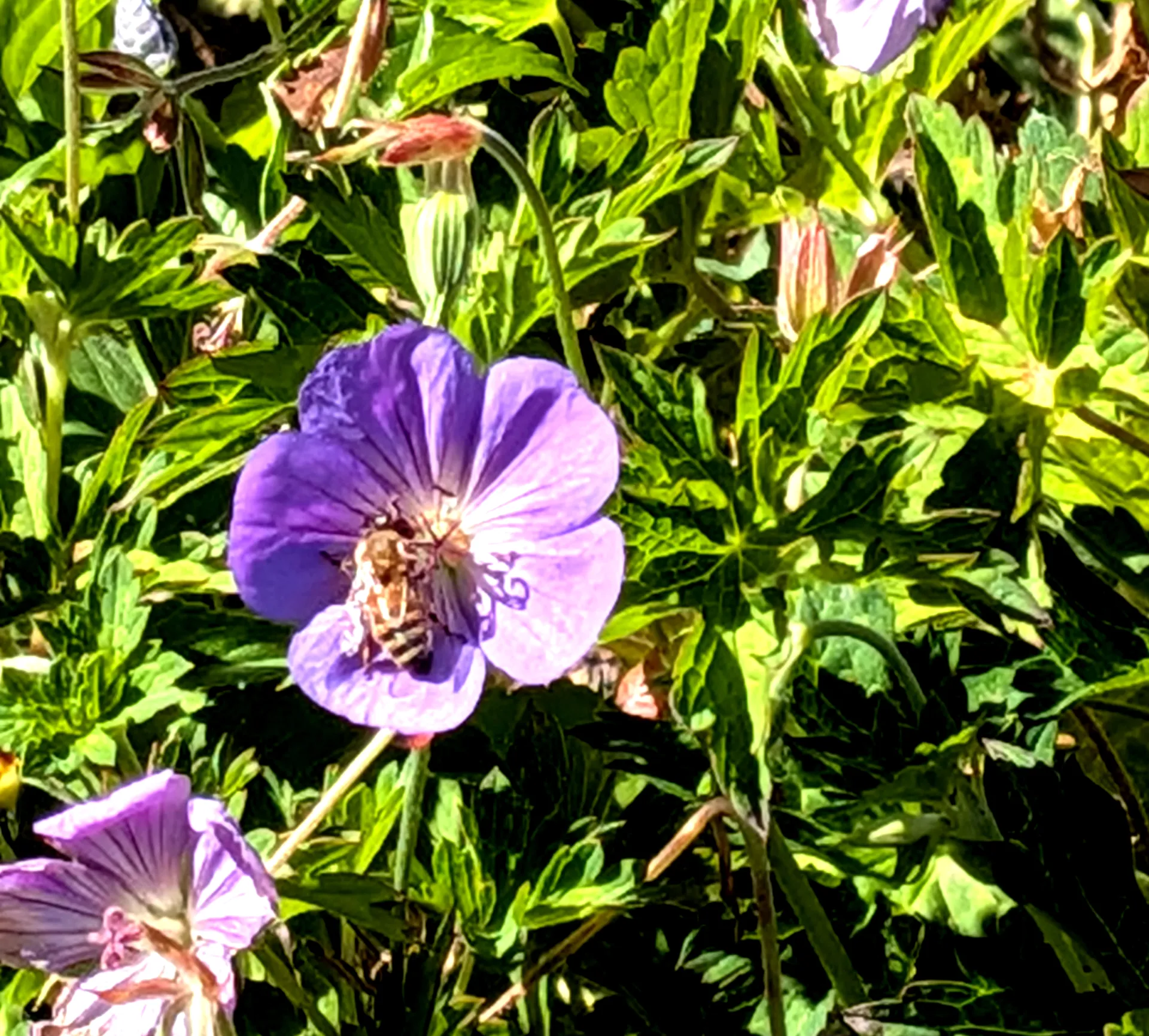
Summer is the peak season for bees, butterflies, syrphid flies, lacewings, parasitic wasps, and other beneficial insects. These organisms help pollinate crops and suppress pests. See Beneficial Insects
A pollinator- and beneficial-friendly garden includes flowers over a long season, a variety of flower shapes and sizes, some undisturbed areas, and few or no broad-spectrum insecticides.
Avoid treating every insect as a problem. Lady beetle larvae, lacewing larvae, syrphid fly larvae, spiders, minute pirate bugs, and tiny parasitic wasps may not be as familiar as adult lady beetles or butterflies, but they are valuable garden allies.
Pollinator and Beneficial Insect Checklist
✓ Grow a variety of flowering plants.
✓ Include flowers that bloom at different times of the year.
✓ Provide shallow water with stones or landing places.
✓ Avoid insecticides whenever possible.
✓ Leave some flowers to bloom rather than deadheading every plant.
✓ Tolerate minor pest populations that feed beneficial insects.
✓ Control ants when they are protecting aphids, scale, or other honeydew-producing pests.
✓ Plant California natives and climate-appropriate ornamentals where possible.
Healthy pollinator populations improve vegetable production while supporting local biodiversity. A garden with birds, bees, butterflies, spiders, and beneficial insects is often more balanced than a garden managed for perfection.
Don’t Forget Containers
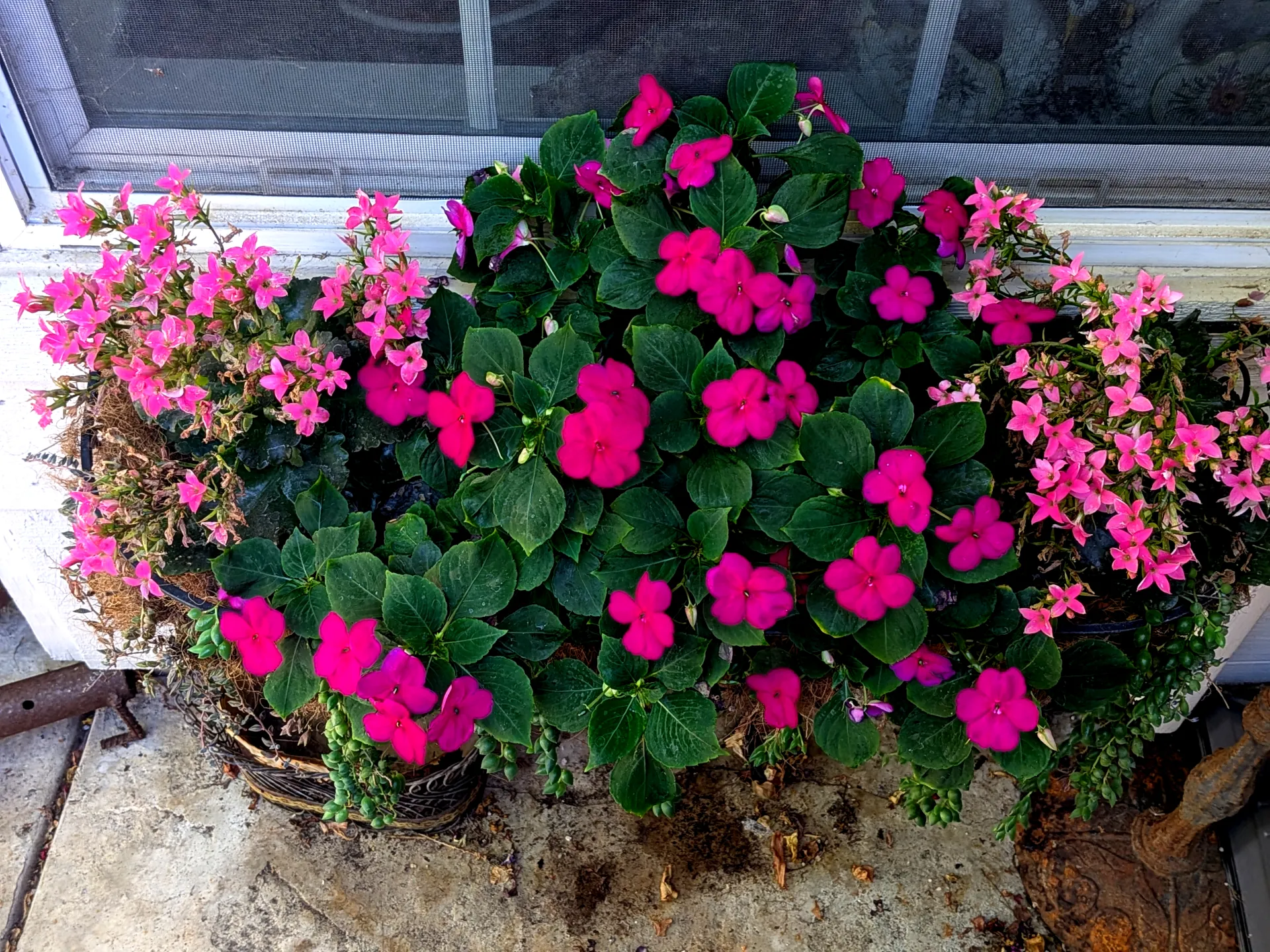
Container plants need special summer attention. Pots dry faster than garden beds, especially small containers, hanging baskets, dark plastic pots, and containers exposed to afternoon sun or wind.
Check container moisture frequently by feeling the potting mix below the surface. If water runs straight through a dry pot, the mix may need slow rewetting.
Use potting mix rather than dense garden soil in containers. Larger containers are often easier to manage because they buffer temperature and moisture changes better than small pots. See Basics of Container Gardening
Container Checklist
✓ Check moisture daily during hot weather.
✓ Move sensitive containers into afternoon shade during heat waves.
✓ Water until water drains from the bottom of the pot.
✓ Make sure drainage holes are open.
✓ Use potting mix, not dense garden soil.
✓ Fertilize lightly if plants are actively growing and nutrients are needed.
✓ Avoid fertilizing wilted or heat-stressed plants.
✓ Consider upsizing plants that dry out too quickly.
Containers can be highly productive, but they require closer attention than in-ground plantings.
Summer Garden Checklist
Every Week
□ Harvest vegetables.
□ Check irrigation.
□ Pull weeds.
□ Deadhead flowers.
□ Inspect for pests.
□ Pick ripe fruit.
□ Check container moisture.
□ Remove fallen fruit and badly diseased leaves.
Every Two Weeks
□ Add plant material to the compost pile.
□ Check mulch depth.
□ Clean up fallen fruit.
□ Inspect drip irrigation and sprinkler heads.
□ Tie up tomatoes, cucumbers, beans, and vines.
□ Look under leaves for aphids, whiteflies, mites, and beneficial insects.
□ Check young trees for water stress and staking problems.
Once a Month
□ Fertilize container plants if needed.
□ Inspect trees for damage.
□ Clean bird baths and refresh pollinator water sources.
□ Sharpen and clean pruners.
□ Review irrigation schedules.
□ Replenish mulch where soil is exposed.
□ Begin planning the next season’s vegetable garden.
Small, Daily Tasks Make Light Work of Summer Gardening
Summer gardening does not have to mean long, exhausting workdays in the heat. In fact, your garden will usually do better with short, regular attention than with occasional major cleanups. A few minutes each morning or evening can help you catch problems early, harvest vegetables at their best, adjust irrigation before plants suffer, and remove weeds before they go to seed.
The main summer tasks are simple: water wisely, keep soil covered with mulch, harvest often, monitor for pests before treating, support beneficial insects, and give trees, fruit, roses, containers, and vegetables a quick check on a regular schedule. These small habits help prevent many common summer problems and reduce the need for more drastic action later.
Daily or near-daily maintenance also makes gardening more enjoyable. Instead of waiting until plants are stressed, fruit has dropped, weeds have spread, or irrigation has failed, you can stay ahead of the season with steady observation and light care. Over time, these small efforts add up to a healthier, more productive, and more water-wise Alameda County garden.
References:
- UC Master Gardener Program of Alameda County — Summer Gardening in Alameda County
- UC Master Gardener Program of Alameda County — Watering Resources
- UC Master Gardener Program of Alameda County — Cool Weather Vegetable Gardening: Late Summer or Early Fall Is the Time to Plan and Plant
- UC Statewide Integrated Pest Management Program — Mulches
- UC Master Gardener Program of Alameda County — Pruning Fruit Trees
- UC Statewide Integrated Pest Management Program — Tomato: Pests, Diseases and Disorders
- UC Statewide Integrated Pest Management Program — Watering Fruit and Nut Trees
- UC Master Gardeners of San Luis Obispo County — Rose Care Calendar
- UC Master Gardeners of Santa Clara County — Beneficial Insects Tips
- UC Master Gardener Program of Alameda County — Container Gardening Basics: What I Wish I Had Known
- UC Agriculture and Natural Resources — Disinfecting Tools and Equipment
Want to learn more?
This blog post is brought to you by the Help Desk of the UC Master Gardeners of Alameda County. Subscribe to our blog!
Have a Gardening Question? We'll Help.
Visit our Help Desk page to submit your question and see additional ways you can reach us.