
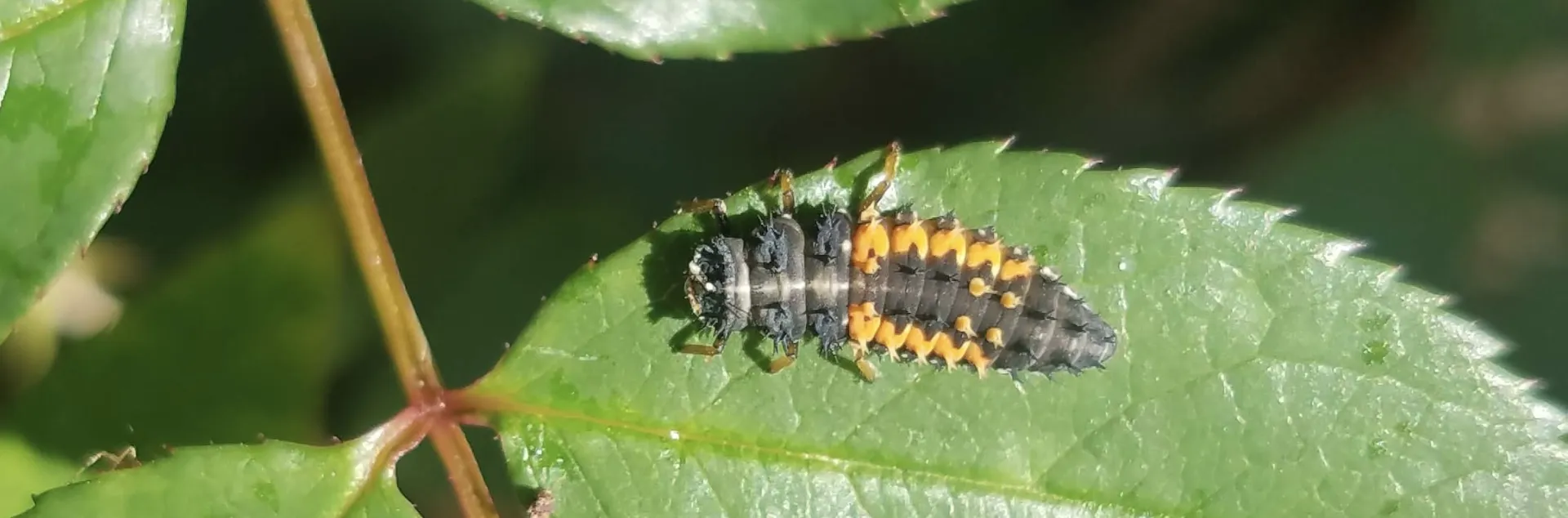
You have probably heard about the “good bugs” that eat pest insects around your home and garden, like ladybugs, lacewings, and spiders. You may have even purchased some beneficial insects or nematodes at a garden store. Good bugs can also help us manage invasive species, but the process is a bit more involved than releasing ladybugs in your backyard.
What is biological control?
Biological control relies on “good bugs” or what are also referred to as natural enemies or biological control agents (predators, parasites, and pathogens) to suppress pest populations. Natural enemies can be insects, mites, vertebrates, or diseases. Biological control can occur naturally, or it can be supplemented by the intentional release of natural enemies.
Why use biocontrol to manage invasive species?
Invasive species can spread quickly in areas outside of their native habitat in part because they are usually free from the natural enemies that they co-evolved with in their region of origin. Biological control can help slow the spread and reduce the negative impacts of invasive species by bringing in natural enemies, usually from outside of the United States.
Biological control is not intended to eradicate invasive species. The goal is to provide long-term, sustainable suppression of pests that are too established or widespread to eradicate. Populations of released natural enemies ideally become established and self-sustaining in the environment without the need for ongoing human intervention. Successful biocontrol can reduce pest management costs, reduce the need for pesticides, and level the playing field for native species competing with invasive pests.
How is it done, and is it safe?
Before you start thinking good bugs are being released without thinking of the consequences, rest assured, it’s very regulated. Importing new species for biological control requires international collaboration and careful research. This process begins with trained entomologists identifying natural enemies observed attacking invasive pests in the wild, then selecting promising candidates. This work is done only by legally permitted state, federal, and university scientists who must follow strict regulations and protocols before releasing new species into California. Modern biological control of invasive species is cautiously done, and the low risks are greatly outweighed by the benefits.
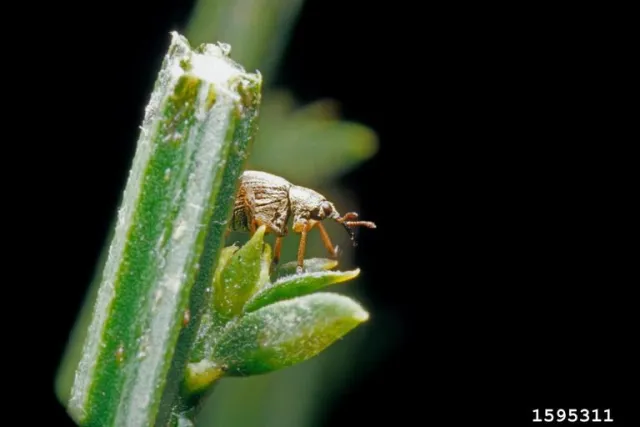
Biological control agents that are selected are typically host-specific specialists. That means they only attack the target invasive species and will not harm other organisms. Potential biological control agents must be tested and proven to effectively control the target pest and cause minimal risk to other species in California before they are approved for release. This research is done in quarantine facilities that are designed to keep study organisms contained and usually takes many years. After they are released, biocontrol agents are monitored to evaluate their impacts.
Learn more
Visit UC IPM’s Natural Enemies Gallery to learn more about “good bugs” commonly found in California. To learn more about biological control of invasive species in California, visit any of the following websites:
- The California Department of Food and Agriculture's Biological Control Program
- UC Riverside’s Applied Biological Control research website
- The United States Department of Food and Agriculture Invasive Species and Pollinator Health Unit
- California Invasive Plant Council's WeedCUT Biological Control: An Overview
Curious to learn examples of successful biological control in California? In Part 2 of this article, we’ll cover a few examples of past and current efforts of using natural enemies to control invasive pests.