Following the June 18th webinar When Composting Goes Rotten, our presenter, Kevin Marini, answered live questions from participants. Below are some of the questions asked about composting and some tips on what to avoid. Keep in mind that some of the questions were related to content shared during the live presentation. This list does not include all questions that were answered live.
Greens and Browns
Q: Are coffee grounds considered a “green” material?
A: Yes, they add nitrogen to the pile and can be a supplement if needed when “greens” are low at home as you can get them free at most local cafes.
Q: Is mulch (i.e. wood chips) considered a “brown” material?
A: Mulch is considered a carbon or “brown” material. If the wood chips are fresh, they may have moisture and nitrogen in them still and would be considered a “green” material but even then, they would take longer to break down than most other greens.
Q: Can meat and dairy be added to an electric composter?
A: I would say generally yes, but not all electric composters are the same and some do a better and safer job of recycling meat and dairy than others.
Q: Can sheep wool be used in compost?
A: Yes.
Q: What kind of paper is recommended for “brown” materials?
A: Newspaper is good but avoid the glossy ads and use cardboard without tapes/glues.
Q: Can “brown” and “green” materials be mixed, or should they be layered?
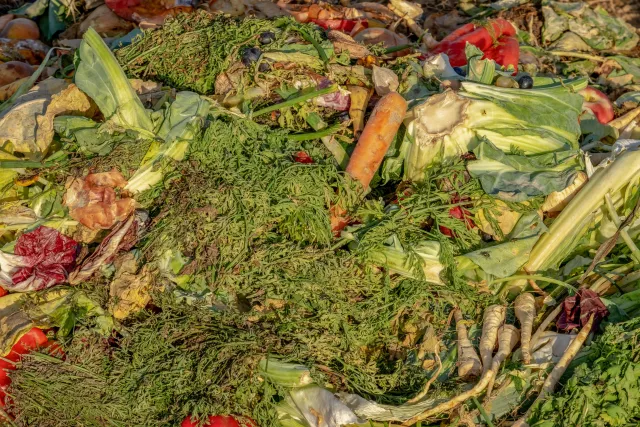
A: Always mix “brown” and “green” materials, and incorporate equal volumes of each type. This will allow organisms to have both materials at their disposal as they decompose it. Layering compost slows down the process of decomposition.
Critters in Compost
Q: How small of a mesh do you need to sift out critters in compost (i.e. grubs, roly-polies, earwigs)?
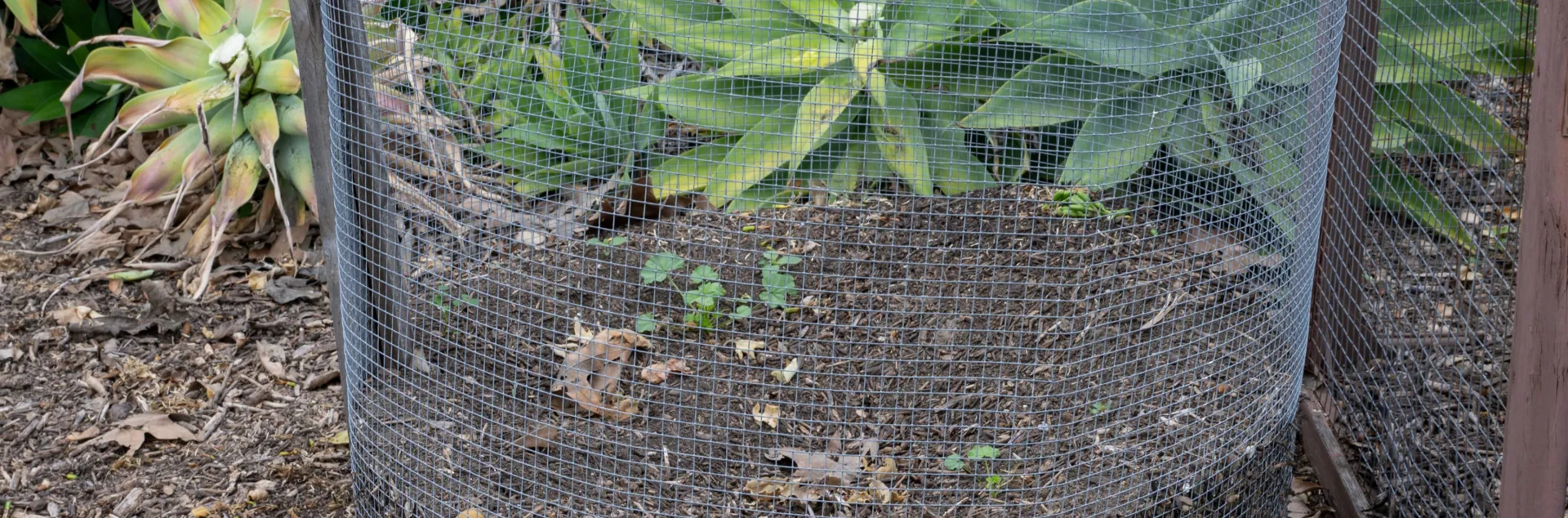
A: It would be very challenging to sift out all of the very small critters, but one can use hardware cloth down to 1/8 inch.
Q: Are lizards and beetles in compost harmful?
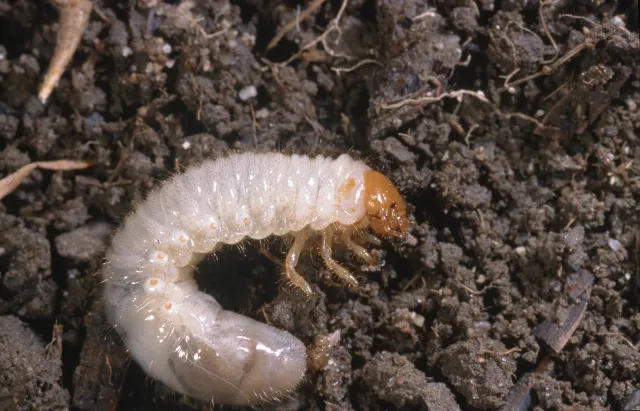
A: Lizards and beetles are fine to have around in compost piles, but you also may find beetle larvae (grubs) in the pile and those can become potential pests in the garden.
Q: What can be done about slugs in the compost pile?
A: I don’t think having slugs in the compost pile is a problem unless you’re unable to sift them out before transferring the finished compost to garden beds.
Q: What do you recommend when it comes to worm bins?
A: I have tried every worm bin imaginable (Ok, slight exaggeration) and really like the “worm bags” that allow one to harvest vermicompost (castings) out of the bottom while keeping the worms mostly intact in the bag. These “flow through” systems are different than a lot of DIY designs that require separation of worms from castings when you want to harvest vermicompost. They also are quite durable and breathe well.
Aerating Compost
Q: Do you need to aerate a cold compost pile?
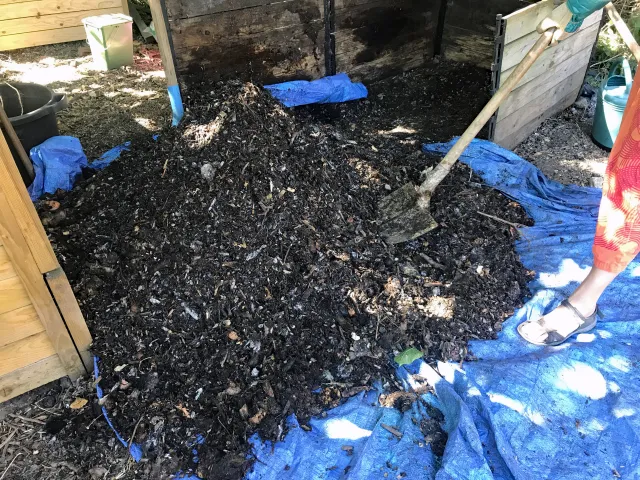
A: Yes, aerating your compost pile will help prevent odors from developing. If an odor starts developing, this may mean there are pockets at the bottom of the compost pile that need oxygen. You can aerate your compost pile by using a garden fork and turning the compost.
Q: How often should a cold compost pile be turned? Should it be turned depending on the season (summer vs winter)?
A: There are many factors it depends on but if you turn it once a week, you’ll likely be doing enough. Of course, the size of the pile and the contents make a big difference in how much turning needs to be done. If all you have is horse manure mixed with pine shavings, once a week is fine. If you have a really diverse pile heavy in food scraps full of moisture, maybe more.
Q: How can you tell if compost is moist enough?
A: I usually just use my hands and squeeze some material from different areas of the pile – it should feel like a wrung-out sponge. But there are really good moisture meters (forestry level) that can be used that help out a lot with evaluating moisture all over the landscape.