
This column is written by the UC Master Gardeners of Yolo County each month. It provides answers to selected questions recently asked by Yolo County gardeners.
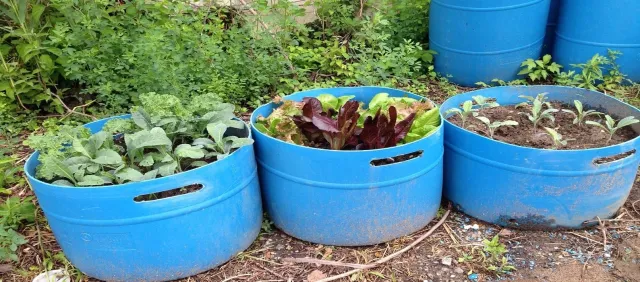
Question: I live in an apartment with a small outside patio area. Can I grow some vegetables?
Answer: Yes, you can grow vegetables in a small plot of soil, or in containers on concrete. People are often surprised by how productive a compact space can be. The key is choosing the right crops and making the most of your conditions.
Sun exposure is important. Most vegetables, or fruits like tomatoes and squash, need at least 6-8 hours of direct sun per day. If your area is partially shaded with 3-5 hours of sun, you can still grow leafy greens, some root crops such as beets and some herbs. Cool-weather crops benefit from being out of the hot sun for most of the day. Don’t overlook microclimates. While heat reflecting from walls or concrete can benefit heat-loving plants, it may stress greens. You can move small containers around to chase or avoid the sun as needed, which is an advantage of container gardening.
Container gardening is ideal for small areas. Ceramic pots, five-gallon plastic nursery pots, half wine barrels, half poly barrels, and more will work. Ten-inch pots are suitable for some herbs and green onions. Larger plants with deeper root systems, such as peppers and cucumbers, need five-gallon containers at least. Make sure containers have good drainage holes and use a high-quality potting mix. Larger containers generally work better because they hold moisture longer and give roots more room.
Selecting the right crop is crucial. Some of the easiest and most rewarding patio crops include cherry tomatoes, peppers, lettuce, spinach, radishes, green onions, and herbs like basil, parsley, and mint. Compact or “dwarf” varieties are especially suited for small spaces. Look for “patio” or “determinate” tomatoes, short carrot varieties, bush beans and compact versions of squash and cucumbers. As with any garden, planting the right crop at the right time is important. Grow heat-loving crops such as tomatoes and squash in the summer, cool crops such as lettuce, spinach and broccoli in the winter, or spring and fall, if your space is shady and stays cool.
Vertical gardening can help maximize space; using trellises, tomato cages, or cord attached to the pot and a higher railing allows you to grow climbing plants like pole beans or cucumbers without taking up much area. Vining plants can also be allowed to drape down when grown in hanging pots.
Watering is often the biggest challenge in container gardening. Pots dry out faster than in-ground soil, especially in warm climates. You may need to water daily in summer. The goal is to keep the soil consistently moist but not waterlogged. Self-watering containers or drip irrigation systems can make this much easier and more consistent. Fertilizing is also important because nutrients wash out of containers over time. A balanced liquid fertilizer every couple of weeks, or slow-release granules mixed into the soil, works well.
Finally, start small and experiment. Try a few easy crops first, observe how they perform in your space and expand from there. Gardening in containers is very forgiving; you can adjust quickly if something isn’t working.
For more information, see the University of Maryland Extension's Growing Vegetables in Containers and Salad Tables.