
July is a month to sit back with iced tea or lemonade and enjoy the results of your spring labors. It is also a time to make sure that garden tasks are completed early, before the heat of the day. A gardener’s body is their best tool. The sensible approach (I must confess to not always being sensible) is to avoid overdoing your personal strength and energy supply or becoming dehydrated. Drink plenty of fluids, rest often, and apply sunscreen.
In spring, we enthusiastically add plants to our gardens. Their care, support, and maintenance through the heat of summer will determine if they need the dreaded ‘I tried, but it died’ label. If we pay attention to water needs, protection from extreme temperatures, and are vigilant about pest and disease control, young plants will thrive and provide future pleasure.
For vegetable growers, July is also the month to get out your best running shoes so that you can ‘doorbell ditch’ summer squash and tomatoes, if you have excess, to your neighbors and friends.
July Tips
Water
Vigilance is the key! Consistent, regular deep soaking will see your plants through the heat of summer. Walk your garden, observe your plants. If you see wilting in a plant, don’t jump to the conclusion that it is lacking water; it could be possible that a leak from an irrigation or drip line is affecting the normal watering. Plants wilt from too little water as well as too much water, so you need to check soil moisture and irrigation to be sure your solution fits the problem. If temperatures soar into the hundreds for a prolonged period, check the moisture content of the soil, and consider some supplemental watering either by hand or by using the manual setting on your irrigation system if needed.
Ornamentals and annuals
Deadheading summer annuals and blooming perennials will encourage additional bloom. Roses may slow down with the heat, and blooms are usually smaller than those produced in early spring. Deep watering, an application of fertilizer (follow the label directions), and replenishing mulch provide the best conditions for an extended bloom season. Continue to deadhead roses as they fade.
Potted plants and hanging baskets will last through the summer if consistently watered and given an application of liquid fertilizer; follow the directions for timing and strength.
Diseases and Pests
Slugs or snails will emerge early, before the heat, to do their damage; keep beer traps replenished. Watch for aphids, whiteflies, hornworms, and powdery mildew. To identify and treat a problem, refer to the UC IPM website, which describes the least environmentally toxic solutions.
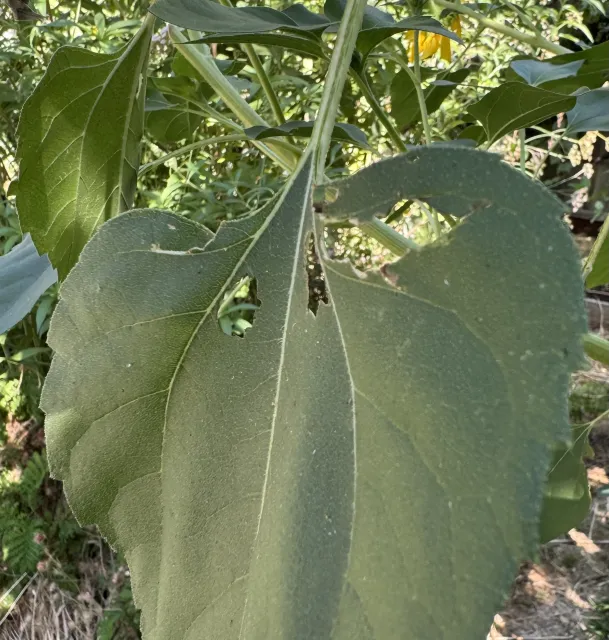
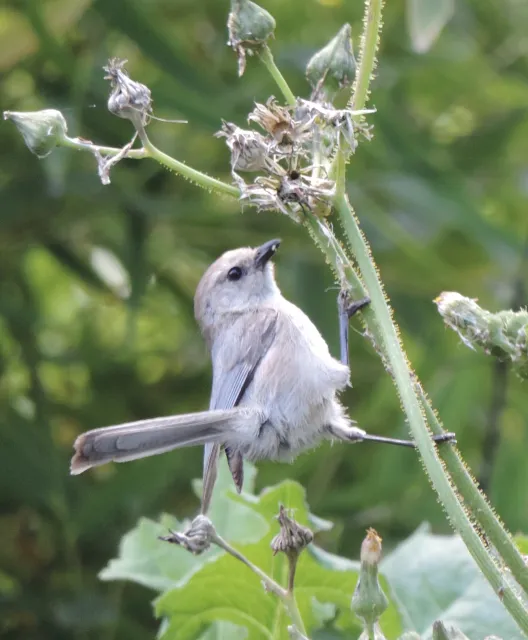
Keep water sources clean for both the birds and the bees. Birds are an important part of pest control. They may shred the leaves on sunflowers or beets, but will clean up scale, aphids, and other insects. -For more information on attracting birds to your garden, see UC Master Gardeners of Alameda's article Living with Birds - Delights and Challenges
A plant drip tray with a layer of pebbles at the water line works well as a water source for bees.
Bulbs and rhizomes
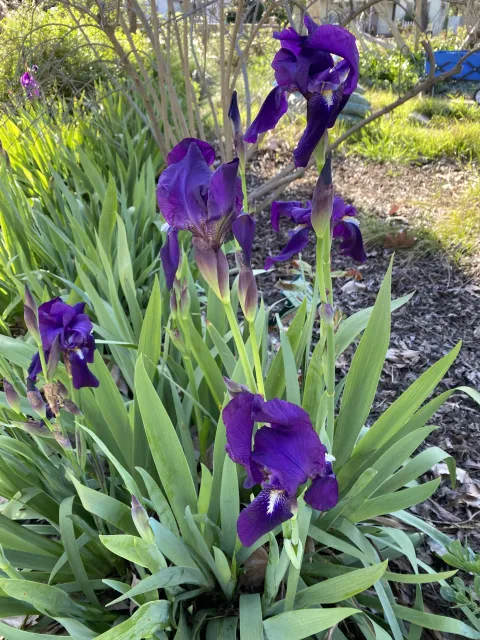
If bulbs are spreading and becoming crowded, dig some of them up and store them in cool, dry conditions to plant in the fall. If iris are producing fewer blooms and their rhizomes are dense, dig them up and separate them into pieces, then replant them about a foot apart.
Mulching
Add mulch where needed to maintain a four-inch layer around plants and to cover open dirt. This will help control weeds and reduce soil moisture evaporation. Consider planting summer buckwheat as a cover crop in any bare soil you may have. This will help replenish the nitrogen in the soil.
Fruits
Make sure fruit is thinned to approximately six inches apart for apples, peaches, and nectarines. Note any fruit tree branches heavy with fruit and support them with stakes to prevent limb breakage.
After fruit crops are picked, it is time to consider summer pruning. Summer pruning is done to balance the shape and strength of a tree, not to encourage growth. Remove crossing or dead branches. If your tree needs its canopy lowered for ease of picking or containment, do not remove too much growth or foliage, as this can lead to bark burn when limbs are exposed to the heat of the summer sun. The rule of thumb to reduce the growth of a tree is to remove no more than a third of the canopy. The development of next year’s fruit begins in the summer. Recommended specific balanced fertilizer application and deep watering through the summer will encourage cell growth for next year’s fruit.
For grapes, continue canopy management and regular deep soaking to help prevent the splitting of the fruit.
Lawns
Be aware of your city’s guidelines for watering. Grass can survive on less water than you think. A deep soak twice a week through the heat will encourage deep root development that will help your lawn handle the summer temperatures.
There is still time to undertake a summer lawn removal project. We classify lawn grass into three groups: green in winter, usually fescue and bluegrass; brown in winter, usually Bermudagrass, St Augustine and Zoysia; Patchy grass with weeds, the fate of most of our lawns, as weeds opportunistically grow.
UC Master Gardeners of Sacramento’s article Beyond Lawn gives a detailed guide for lawn removal.
Vegetables
Harvest regularly; this will keep your plants generating new blossoms and produce. An annual vegetable plant’s natural cycle is to grow, produce blooms, and then produce seeds for the next generation. If you allow your produce to get away from you, such as an extremely large zucchini, the plant will presume that the cycle from growth to seed is complete and begin to taper off its production. By picking frequently, the plant will continue to produce until the day length and temperature indicate the end of an annual’s growing season.
On the hotter days, you may see your squash plants drooping; this is not necessarily because of a lack of water. If you cut through the stem of a zucchini, it is basically a straw. Plants may be unable to draw up and cycle enough moisture to the large leaves during the afternoon’s summer heat. If the soil is moist, check if the plants are still drooping in the morning. It is common for squash plants to recover overnight, and the leaves will no longer be drooping by the morning. Mulch and deep watering will help squash plants keep producing through the heat.
Corn can be planted through mid-July directly into the soil.
Continue to nip off or cut off basil blooms, so the plant’s energy goes to leaf production instead of seed production.
Follow the golden rule of vegetable growing through our hot summer: deep, consistent watering and a three to four-inch layer of mulch.
Happy growing! Happy eating!
Photos by Peg Smith.