
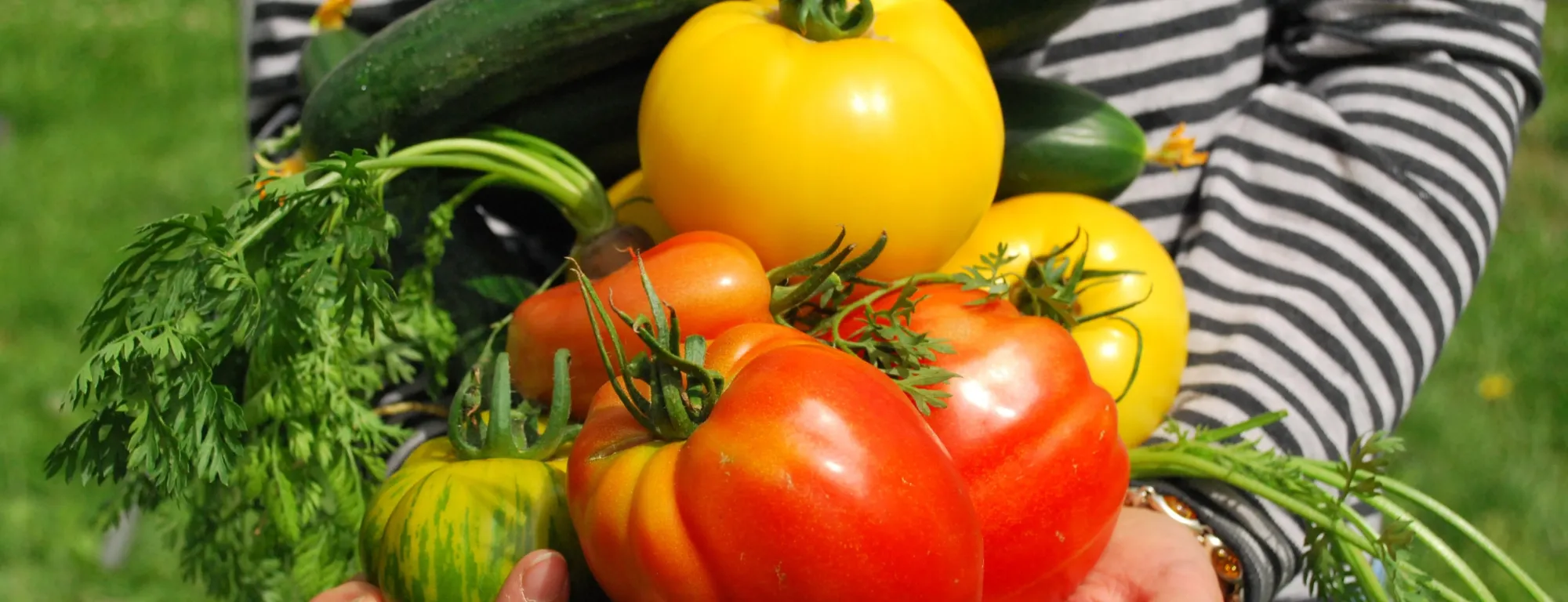
July is commonly our hottest month with periods of several days with temperatures in the high nineties to well over one-hundred degrees. Based on National Oceanic and Atmospheric Administration (NOAA) records, the year 2024 holds the record for the most one-hundred-degree days in Davis history. There were fifty days with a high temperature of above one-hundred degrees that year. Most of those occurred in July. The longest period of over one hundred-degree weather was eleven days. The combination of extreme daytime highs and warmer-than-usual overnight temperatures will affect vegetable growth and production. Plants such as tomatoes will respond to the heat by producing fewer blossoms and dropping blossoms. Be patient, once the temperatures moderate, the plants will ‘restart’ and produce well for the season.
Mulching garden beds keeps the root mass cooler and reduces the evaporation rate of the water from the soil. Deep, consistently scheduled watering is the best approach to ease plants through the heat to reduce stress on plants. Providing temporary shade through a heat wave with shade cloth or an old sheet will help.
Support for growing plants and vines is important as they push through maximum growth and production. Reducing some of the vegetation growth on tomatoes and vines will improve air circulation. Supporting melons, squash and pumpkins off the ground will help reduce any soil-borne disease affecting the produce.
It may seem contradictory to discuss how to combat the effects of heat on vegetable growing, yet in the same month, recommend beginning winter crops such as broccoli and cabbage. With the climate changes notable in Yolo County, such as fewer cold ‘tule’ fog days and the possibility of an unseasonably warm and dry January or February, starting winter crops in late summer to harvest in the winter months is the best approach. By starting seeds for winter crops in late July and August, preferably in a shaded location, the seedlings will be well developed by the cooler months of fall and can be transplanted out into beds. Most winter crops require a period of growth and a period of colder temperatures to trigger the development of the flowers we eat,Brussels such as broccoli and cauliflower.
YOLO COUNTY VEGETABLES RECOMMENDED FOR JULY
Plant throughout JulyBrussels sprouts – Seed – shade sheltered Cabbage – Seed – shade sheltered | Plant in the first two weeks of JulyCorn – Seed | |
Plant in the last three weeks of JulyBroccoli – Seed – shade sheltered Cauliflower – Seed – shade sheltered Parsnips – Seed | Plant in the last two weeks of JulyCarrots – Seed Rutabaga - Seed | Plant in the last week of JulyLettuce - Seed |
ADDITIONAL SACRAMENTO AREA RECOMMENDED VEGETABLES FOR JULY
Plant throughout JulyCelariac - Seed | Plant in the first two weeks of JulyBeans (lima) – Seed Okra – Seed Pumpkins – Seed Squash (Summer) – Seed Squash (Winter) - Seed |